Tracheomalacia Treatment: How It Works, Results and What to Expect

Tracheomalacia means the windpipe becomes overly flexible and narrows during breathing or coughing. Treatment focuses on improving airflow, clearing mucus and addressing conditions that worsen airway collapse.
Key Takeaways
- Tracheomalacia means the windpipe becomes overly flexible and narrows during breathing or coughing.
- Treatment focuses on improving airflow, clearing mucus and addressing conditions that worsen airway collapse.
- Children often improve as their airway cartilage matures, but they still need follow-up when symptoms are significant.
- In selected adults, tracheobronchoplasty can provide durable airway support when symptoms remain severe despite nonsurgical care.
- Urgent assessment is important for severe breathlessness, bluish lips or skin, repeated choking, or signs of a serious chest infection.
Tracheomalacia treatment is tailored to the severity, location and cause of airway collapse. Mild cases may improve with treatment of contributing conditions and airway-clearance support, while persistent or severe symptoms may require positive-pressure therapy, a temporary stent assessment or airway-stabilizing surgery.
Tracheomalacia Treatment: How It Works
Tracheomalacia treatment helps keep the trachea, or windpipe, open when its supporting cartilage is softer or weaker than usual. The best approach depends on whether the condition is present from birth or develops later in life, how much of the airway is affected, and whether it causes troublesome breathing, coughing or repeated infections.
During normal breathing, the tracheal wall stays open enough for air to move freely to and from the lungs. In tracheomalacia, the airway may narrow excessively, particularly during exhalation, coughing or physical activity. Treatment may reduce inflammation and mucus, use gentle air pressure to splint the airway open, or physically reinforce the airway in carefully selected cases.
Tracheomalacia may occur on its own or alongside problems such as chronic lung disease, reflux, recurrent infections, enlarged blood vessels pressing on the airway, or other airway conditions. When the collapse extends into the main bronchi, it may be called tracheobronchomalacia. A respiratory and airway team can identify the factors involved and build an individualized plan.
How serious is tracheomalacia?
Tracheomalacia ranges from mild to severe. Some people have little more than a noisy cough or recurrent chest congestion, while others experience substantial breathlessness, difficulty clearing secretions, frequent respiratory infections or reduced ability to exercise. The seriousness is determined by symptoms and their impact, not only by the appearance of the airway on a scan or examination.
In infants and young children, severe airway narrowing can cause noisy breathing, feeding difficulty, pauses in breathing, blue or gray coloring around the lips, or repeated lower respiratory infections. These symptoms require prompt pediatric assessment. Many children have milder symptoms that can be monitored while their airways mature.
Adults may notice wheezing that does not respond as expected to usual asthma treatment, a barking cough, breathlessness when lying down or exercising, and difficulty bringing up mucus. Persistent symptoms deserve assessment because treating the airway problem and related conditions can improve day-to-day comfort and help prevent complications.
Causes, Risk Factors and Candidacy for Treatment

Congenital tracheomalacia is present from birth and results from incomplete development of the tracheal cartilage. It may occur alone or with conditions that affect the esophagus, heart, blood vessels or lungs. Premature birth and prolonged respiratory support can also be associated with airway vulnerability in some children.
Acquired tracheomalacia in adults may develop after long-term airway inflammation, prolonged intubation or tracheostomy, chest injury, recurrent infection, surgery affecting the airway, or pressure from nearby structures. Chronic obstructive pulmonary disease, gastroesophageal reflux and obesity can coexist with airway collapse and may worsen symptoms, although they do not explain every case.
Not everyone needs an invasive procedure. Candidates for more advanced treatment usually have confirmed, clinically important airway collapse and symptoms that continue despite optimized care for related lung disease, reflux, sleep-disordered breathing or infection. The team also considers overall health, the extent of airway involvement and whether symptoms are likely to improve when the airway is supported.
Evaluation often involves pulmonologists, thoracic surgeons, ear, nose and throat specialists, radiologists, anesthesiologists and, for children, pediatric airway specialists. This collaborative assessment is important because breathing symptoms can have more than one cause.
Diagnosis and Planning Before Treatment
Doctors begin by reviewing breathing symptoms, infections, medical history and prior airway procedures. They may listen for noisy breathing and assess oxygen levels, lung function and the ability to clear mucus. Tests are selected according to the person’s age, symptoms and suspected cause.
Dynamic bronchoscopy is commonly used to view the airway while the person breathes and coughs. Dynamic chest computed tomography may also show how the trachea changes shape throughout the breathing cycle and whether surrounding structures are contributing. These examinations help distinguish tracheomalacia from asthma, vocal cord problems, airway narrowing from scar tissue and other respiratory conditions.
Additional tests can include pulmonary function testing, sleep testing, swallow assessment or evaluation for reflux and infection. In adults being considered for surgery, some centers use a short-term airway stent trial or noninvasive positive-pressure trial to see whether supporting the airway meaningfully improves symptoms. A trial is not appropriate for every person and should be planned by an experienced airway team.
How do you fix tracheomalacia in adults?
In adults, tracheomalacia is managed by addressing both the airway collapse and conditions that make symptoms worse. Treatment may include stopping smoking, treating respiratory infections, managing reflux, supporting weight management where relevant, adjusting inhaled medicines when another lung disease is present, and using airway-clearance techniques to remove mucus. These measures may reduce symptoms even though they do not restore weakened cartilage.
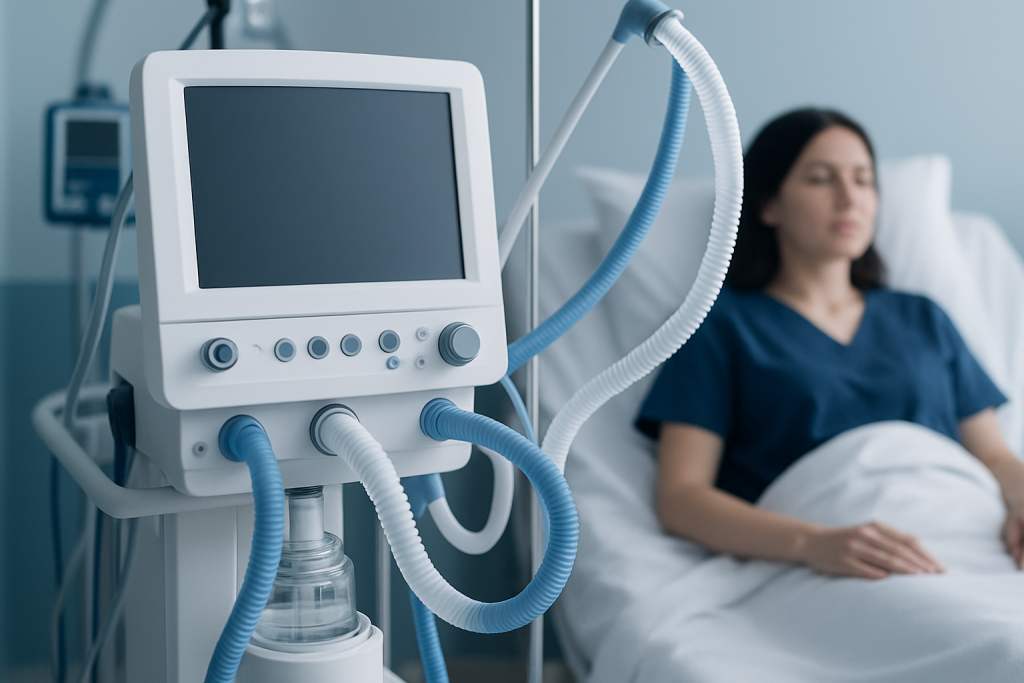
Continuous positive airway pressure (CPAP) or bilevel positive airway pressure (BiPAP) may help some people by providing air pressure that holds the airway more open, particularly during sleep or periods of increased symptoms. Physiotherapy, hydration and clinician-guided mucus-clearance methods can also be helpful for people who struggle with retained secretions.
For severe, carefully evaluated tracheobronchomalacia, surgery called tracheobronchoplasty may be considered. In this procedure, a thoracic surgeon reinforces the back wall of the trachea and sometimes the main bronchi with a supporting mesh, helping prevent excessive collapse. It is a major operation and is generally reserved for people whose symptoms substantially affect daily life and who are expected to benefit from stabilization.
Airway stents can sometimes be used temporarily to assess likely benefit from stabilization or to manage selected situations. Long-term stenting is not suitable for many people because stents may lead to mucus blockage, movement, tissue growth or infection. The choice between supportive care, positive-pressure therapy, stenting and surgery is individualized.
What Happens During a Tracheomalacia Procedure?
The procedure depends on the underlying cause and the chosen treatment. If a blood vessel or other structure is compressing a child’s airway, surgery may focus on relieving that external pressure. In selected pediatric cases, procedures such as aortopexy may lift and secure nearby structures to reduce compression and support the airway.
For adult tracheobronchoplasty, surgery is performed under general anesthesia. The surgical team reaches the chest through an approach chosen for the individual case, carefully exposes the affected airway and secures a supportive material to the outer airway wall. The aim is to reduce excessive inward movement during breathing while preserving normal airway function.
After surgery, patients are monitored closely for breathing, pain control, mucus clearance and signs of infection. A breathing tube may be needed briefly after a major airway operation, and bronchoscopy may be used when necessary to inspect the airway or clear secretions. The clinical team explains the planned approach, alternatives and expected hospital stay before treatment.
Benefits, Risks and Recovery Timeline
The potential benefits of tracheomalacia treatment include easier breathing, fewer coughing episodes, better mucus clearance, improved sleep and activity tolerance, and fewer respiratory infections for some people. Results vary because symptoms may also be influenced by lung disease, reflux, vocal cord disorders or other medical conditions. Improvement is assessed by symptoms, daily functioning and follow-up testing when needed.
Recovery after nonsurgical treatment may begin over days to weeks as infections, inflammation or secretion retention are brought under control. Positive-pressure therapy often requires adjustment to find a comfortable and effective mask and pressure setting. Regular follow-up helps the team assess whether the plan is working and whether other contributors need attention.
Recovery after airway surgery is longer and depends on the procedure, overall health and any coexisting lung disease. Hospital recovery may include respiratory physiotherapy, pain management, gradual activity and close monitoring. Full recovery can take weeks to months, and patients should follow the surgical team’s instructions about activity, wound care, medications and follow-up.
Possible risks of invasive treatment include bleeding, infection, anesthesia-related complications, pneumonia, mucus retention, airway injury, persistent symptoms and the need for additional procedures. Stents have their own risks, including migration and obstruction by mucus or tissue. A specialist team discusses these risks in relation to the expected benefits for the individual.
Do kids outgrow tracheomalacia?
Many children with mild congenital tracheomalacia improve as the tracheal cartilage becomes firmer and the airway grows. Symptoms often lessen during early childhood, although the timing varies. Regular follow-up is important so clinicians can confirm that feeding, growth, breathing and infection frequency are progressing well.
Children may need active treatment when symptoms are severe, when they have repeated infections or poor growth, or when another condition is contributing to airway compression. Care may include feeding support, treatment of reflux or infection, airway-clearance guidance and, in selected cases, surgery to address a structural cause.
Parents and caregivers should not assume that every cough or noisy breath is harmless. Keeping scheduled reviews and seeking advice when symptoms change helps the care team decide whether observation remains appropriate or whether further testing is needed.
What is the prognosis for tracheomalacia in adults?
The prognosis for tracheomalacia in adults depends on the extent of airway collapse, its cause, associated respiratory conditions and response to treatment. Some adults manage symptoms well with treatment of contributing conditions, positive-pressure support and secretion management. Others have persistent symptoms that require assessment at a specialist airway center.
When severe tracheobronchomalacia is accurately diagnosed and an appropriate patient is selected for surgery, airway stabilization can improve quality of life and respiratory symptoms. However, surgery does not cure unrelated lung disease or eliminate every cause of breathlessness. Continuing care for conditions such as chronic lung disease, reflux and sleep apnea remains important.
Long-term follow-up allows clinicians to monitor symptoms, infections, lung health and treatment tolerance. People can support their respiratory health by avoiding tobacco smoke, keeping recommended vaccinations up to date, following an airway-clearance plan and seeking early care for worsening chest symptoms.
When to Seek Medical Care
Medical advice is appropriate for ongoing noisy breathing, a persistent barking or ineffective cough, repeated chest infections, unexplained wheezing, breathlessness that limits normal activity, or difficulty clearing mucus. Children should be assessed if they have feeding difficulties, poor weight gain, frequent choking or recurrent respiratory illness.
Urgent medical care is needed for severe trouble breathing, blue or gray lips or skin, fainting, pauses in breathing, confusion, inability to speak in full sentences because of breathlessness, or signs of a serious infection such as high fever with worsening respiratory distress. These symptoms can have several causes and should be evaluated without delay.
Acibadem International’s multidisciplinary specialists and JCI-accredited hospitals evaluate and treat airway conditions for international patients, with care plans based on the individual’s symptoms, imaging and overall health.
Frequently asked questions
Can tracheomalacia be treated without surgery?
Yes. Many people are managed without surgery through treatment of infections, reflux or associated lung disease, mucus-clearance strategies and positive-pressure breathing support when appropriate. Surgery is usually considered only when symptoms remain significant and airway collapse is confirmed as a major cause.
Is CPAP helpful for tracheomalacia?
CPAP can help some people because the pressure acts as a pneumatic support that helps keep the airway open. It may be especially useful during sleep or while symptoms are being evaluated. A clinician should determine whether it is suitable and adjust the settings safely.
Can tracheomalacia be mistaken for asthma?
Yes. Both conditions can cause wheezing, coughing and shortness of breath, but they involve different parts of the breathing system. Tracheomalacia should be considered when symptoms do not respond as expected to asthma treatment or when there is a barking cough, secretion retention or recurrent infections.
What is tracheobronchoplasty?
Tracheobronchoplasty is an operation that reinforces the weakened back wall of the trachea and, when needed, the main bronchi. It is generally used for selected adults with severe symptomatic tracheobronchomalacia after thorough evaluation. The goal is to reduce airway collapse and improve airflow.
How long does recovery take after tracheomalacia surgery?
Recovery varies according to the type of surgery, age, overall health and the presence of other lung conditions. Recovery after a major adult airway-stabilizing operation commonly takes weeks to months, with hospital monitoring followed by gradual return to activity. The surgical team provides individualized timelines and follow-up plans.
Can tracheomalacia cause repeated pneumonia?
It can contribute to repeated lower respiratory infections because a collapsing airway may make it difficult to cough mucus out effectively. Recurrent pneumonia should be assessed by a clinician to identify airway, immune, swallowing or lung-related causes. Treating secretion retention and any underlying condition may help reduce infection risk.
References
- American Thoracic Society
- European Respiratory Society
- National Heart, Lung, and Blood Institute
- Children's Hospital of Philadelphia
- Cleveland Clinic
This article is for general information only and is not a substitute for professional medical advice. Please consult a qualified doctor about your individual situation.
Persistent digestive symptoms? Get evaluated in Turkey
JCI-accredited · board-certified surgeons · reply within 24h
Add us as a Preferred Source to see more of our trusted health content across Google Search, AI Overviews and Discover.