

Body Contouring After Major Weight Loss

Body contouring is not a weight-loss method; it reshapes the body by removing excess skin and, when appropriate, small areas of stubborn fat. Common procedures include tummy tuck, panniculectomy, lower body lift, arm lift, thigh lift, breast lift, and chest contouring.
Key Takeaways
- Body contouring is not a weight-loss method; it reshapes the body by removing excess skin and, when appropriate, small areas of stubborn fat.
- Common procedures include tummy tuck, panniculectomy, lower body lift, arm lift, thigh lift, breast lift, and chest contouring.
- Good candidates usually have a stable weight, good nutrition, realistic expectations, and no uncontrolled medical conditions.
- Procedures are often staged to reduce surgical time and support safer healing.
- Recovery varies by procedure, but swelling, scars, activity limits, and follow-up care are expected parts of the process.
Medically reviewed by the Acıbadem International Medical Board — June 20, 2026
Body contouring after major weight loss can help remove loose skin, improve body shape, and reduce discomfort caused by skin folds. It is usually considered after weight has stabilized and is planned carefully with a qualified plastic surgeon.
Overview
Body contouring after major weight loss refers to a group of plastic surgery procedures designed to remove excess skin and improve body shape after significant weight reduction. Major weight loss may occur after bariatric surgery, medical treatment, lifestyle changes, or a combination of approaches. While weight loss can greatly improve health and mobility, the skin may not fully tighten, especially when it has been stretched for many years.
Loose skin can affect the abdomen, arms, thighs, breasts, chest, back, buttocks, and face or neck. For some patients, it is mainly a cosmetic concern. For others, heavy skin folds can cause irritation, hygiene challenges, rashes, difficulty fitting clothing, or discomfort during exercise. Body contouring aims to address these concerns by removing redundant skin and reshaping the underlying tissues.
These procedures are individualized. A patient may need one operation, such as a tummy tuck, or a staged plan involving several areas over time. The goal is to create a more balanced contour while prioritizing safety, healing, and realistic expectations. A detailed consultation with a board-qualified plastic surgeon is essential before deciding on surgery.
Who May Be a Good Candidate?
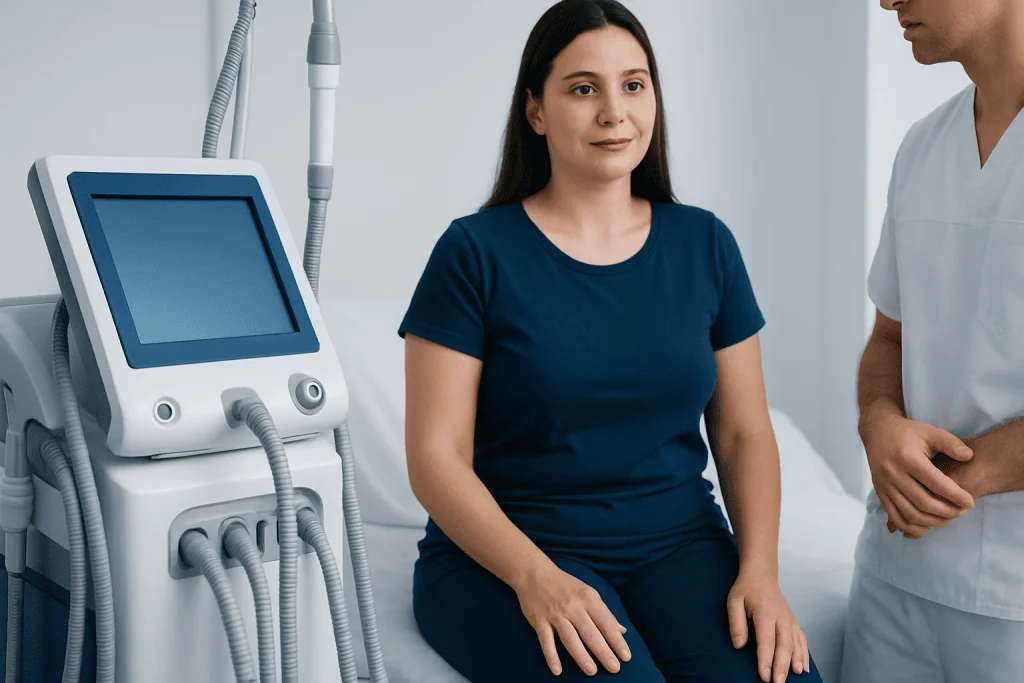
Good candidates for body contouring after major weight loss are generally adults whose weight has been stable for a period of time. Many surgeons prefer weight stability for several months, and often longer after bariatric surgery, because ongoing weight changes can affect surgical results. Patients should be near a sustainable weight rather than still actively losing large amounts of weight.
Nutrition is especially important. After major weight loss, some patients have low protein, iron, vitamin B12, vitamin D, or other nutrient levels, particularly after certain bariatric procedures. Poor nutrition can slow wound healing and increase the chance of complications. A surgeon may request blood tests or coordination with a bariatric physician, dietitian, or primary care doctor before scheduling surgery.
Other factors also matter. Ideal candidates do not smoke or are able to stop nicotine use before and after surgery, as nicotine can reduce blood flow to healing tissues. Conditions such as diabetes, anemia, heart disease, blood-clotting disorders, or uncontrolled high blood pressure should be assessed and optimized. Most importantly, patients should understand that body contouring improves shape and comfort but does not create perfection or prevent future changes from aging, pregnancy, or weight fluctuation.
Common Body Contouring Procedures

Body contouring is not a single operation. It is a set of procedures selected according to the patient’s anatomy, goals, skin quality, and medical history. Some procedures remove only hanging skin, while others also tighten deeper tissues and reposition body contours. Liposuction may be used in selected areas, but it is not a substitute for removing loose skin.
Common procedures after major weight loss include:
- Abdominoplasty, or tummy tuck: removes excess abdominal skin and may tighten separated abdominal muscles when appropriate.
- Panniculectomy: removes a hanging apron of lower abdominal skin, called a pannus, often to improve hygiene and comfort.
- Lower body lift: treats the abdomen, outer thighs, hips, buttocks, and lower back in a circumferential approach.
- Arm lift, or brachioplasty: removes loose skin from the upper arms.
- Thigh lift: reshapes the inner or outer thighs by removing excess skin.
- Breast lift or chest contouring: improves breast or chest shape after deflation and sagging.
- Face and neck lift: may be considered when significant facial or neck laxity remains after weight loss.
The best plan may involve staging procedures months apart. Staging can reduce operative time, limit stress on the body, and allow one area to heal before another is treated. In some cases, combining procedures is reasonable, but this decision depends on patient health, expected surgical duration, blood loss, and the surgeon’s judgment.
Consultation and Diagnosis
Before surgery, the plastic surgeon evaluates the patient’s weight-loss history, medical conditions, previous operations, medications, allergies, and lifestyle factors. The physical examination focuses on skin excess, skin quality, scars, hernias, body proportions, and areas of irritation or functional difficulty. Photographs are often taken for medical planning and documentation.
The consultation is also the time to discuss goals in practical terms. Patients may want improved clothing fit, easier movement, relief from skin-fold problems, or a smoother contour. The surgeon explains which concerns surgery can address and which may remain. For example, stretch marks located on removed skin may be eliminated, but stretch marks on remaining skin usually stay. Scars are also permanent, although they often fade over time and are placed as discreetly as possible.
Preoperative preparation may include laboratory testing, medical clearance, adjustment of certain medications, and a nutrition review. Patients who have had bariatric surgery may need coordination with their bariatric team. If there is a suspected hernia, abdominal wall weakness, or other concern, imaging or referral to another specialist may be recommended. This careful planning helps match the procedure to the patient’s health and anatomy.
Treatment Planning and Surgical Safety
Body contouring after major weight loss requires thoughtful surgical planning because the operations can be longer and involve larger incision areas than many cosmetic procedures. Safety begins with patient selection, appropriate anesthesia planning, and choosing an accredited surgical facility or hospital. The surgical team also considers blood-clot prevention, temperature control, fluid management, and postoperative monitoring.
Patients should receive clear instructions before surgery. These may include stopping nicotine, avoiding certain medicines or supplements that increase bleeding risk, arranging help at home, and preparing for limited mobility during the early recovery period. Patients should not stop prescribed medications unless instructed by their doctor. A complete medication list, including herbal products and over-the-counter drugs, should be reviewed before surgery.
Every operation has risks. Possible risks of body contouring include bleeding, infection, fluid collection called seroma, wound separation, delayed healing, visible scars, changes in sensation, asymmetry, contour irregularity, and blood clots. The risk level varies depending on the procedure, length of surgery, medical history, and lifestyle factors. A responsible surgical plan balances desired improvements with the safest approach for the individual patient.
Recovery and Results
Recovery depends on the number and type of procedures performed. Patients can expect swelling, bruising, tightness, and temporary discomfort in the treated areas. Drains may be placed to remove fluid after some operations, and compression garments may be recommended to support tissues and help control swelling. The care team provides specific instructions on wound care, showering, sleeping position, walking, and activity limits.
Light walking is often encouraged soon after surgery to support circulation, but strenuous exercise, heavy lifting, and stretching of incision areas are restricted for a period determined by the surgeon. Many patients need help with daily tasks during the first days or weeks, particularly after abdominal or lower body procedures. Follow-up appointments are important to monitor healing and address concerns early.
Results appear gradually as swelling decreases and scars mature. Scar improvement can take many months, and scars may remain pink, firm, or raised before softening and fading. Maintaining a stable weight, following nutrition guidance, and avoiding nicotine support longer-lasting results. While body contouring can improve shape and comfort, the body continues to age naturally, and future weight changes can affect the outcome.
Prevention, Self-care, and When to See a Doctor
Patients considering body contouring can support better outcomes by focusing on stable weight, balanced nutrition, regular physical activity, and skin-fold care. Gentle cleansing and thorough drying of folds can reduce irritation. If rashes, odor, or recurrent infections occur under excess skin, a doctor can assess whether medical treatment is needed and document the problem if surgery is being considered for functional reasons.
A consultation is appropriate when loose skin causes discomfort, limits activity, interferes with hygiene, or affects confidence despite stable weight. Medical advice is also important if there are symptoms such as persistent skin breakdown, painful rashes, drainage, or signs of infection. After surgery, patients should contact their care team promptly for increasing pain, fever, sudden swelling, shortness of breath, chest pain, calf pain, heavy bleeding, or wound changes.
For international patients, coordinated evaluation can be helpful when several specialists are involved. Acibadem International’s multidisciplinary specialists and JCI-accredited hospitals diagnose and treat post-weight-loss body contour concerns for international patients, with care planning based on medical assessment and individual needs. Regardless of location, patients should choose qualified professionals, ask questions, and make decisions without pressure.
Frequently asked questions
Is body contouring after major weight loss the same as weight-loss surgery?
No. Body contouring does not cause major weight loss and is not a treatment for obesity. It removes excess skin and may remove small areas of stubborn fat to improve shape after weight has already been reduced.
How long should weight be stable before body contouring?
Many surgeons prefer weight to be stable for several months, and often longer after bariatric surgery. The exact timing depends on the patient’s health, nutrition, weight-loss pattern, and planned procedure. A plastic surgeon and, when relevant, a bariatric specialist can help determine readiness.
Will body contouring leave scars?
Yes, body contouring procedures leave permanent scars because excess skin is removed through incisions. Surgeons plan incision placement carefully so scars are as discreet as possible, often within clothing or underwear lines. Scars usually fade over time, but they do not disappear completely.
Can several body contouring procedures be done at the same time?
Sometimes procedures can be combined, but this is not appropriate for every patient. The surgeon considers operative time, medical conditions, blood-clot risk, healing capacity, and the extent of correction needed. Staging procedures may be safer and may allow more predictable recovery.
Is a panniculectomy different from a tummy tuck?
Yes. A panniculectomy removes the hanging lower abdominal skin, often to improve hygiene or comfort. A tummy tuck, or abdominoplasty, typically addresses abdominal contour more broadly and may include tightening of the abdominal wall when appropriate.
What can patients do to prepare for surgery?
Preparation usually includes maintaining a stable weight, eating enough protein and nutrients, stopping nicotine, and reviewing medications with the care team. Patients should arrange help at home and follow all preoperative instructions. Any medical conditions should be well controlled before surgery.
References
- American Society of Plastic Surgeons
- International Society of Aesthetic Plastic Surgery
- American Society for Metabolic and Bariatric Surgery
- British Association of Plastic, Reconstructive and Aesthetic Surgeons
- Mayo Clinic
This article is for general information only and is not a substitute for professional medical advice. Please consult a qualified doctor about your individual situation.
Body Contouring in Turkey — costs, top hospitals & a free quote
JCI-accredited · board-certified surgeons · reply within 24h

Related Treatments
Related Conditions
More from the Health Library



Related Specialists

Prof. Dr. Hakan Ağır
Aesthetic Plastic & Reconstructive Surgery
Prof. Dr. Bülent Saçak
Aesthetic Plastic & Reconstructive Surgery
Asst. Prof. Dr. Berkhan Yilmaz
Aesthetic Plastic & Reconstructive Surgery
Prof. Dr. Ersin Ülkür
Aesthetic Plastic & Reconstructive Surgery