

What to Eat After Dental Implant Surgery: Day-by-Day Diet Guide
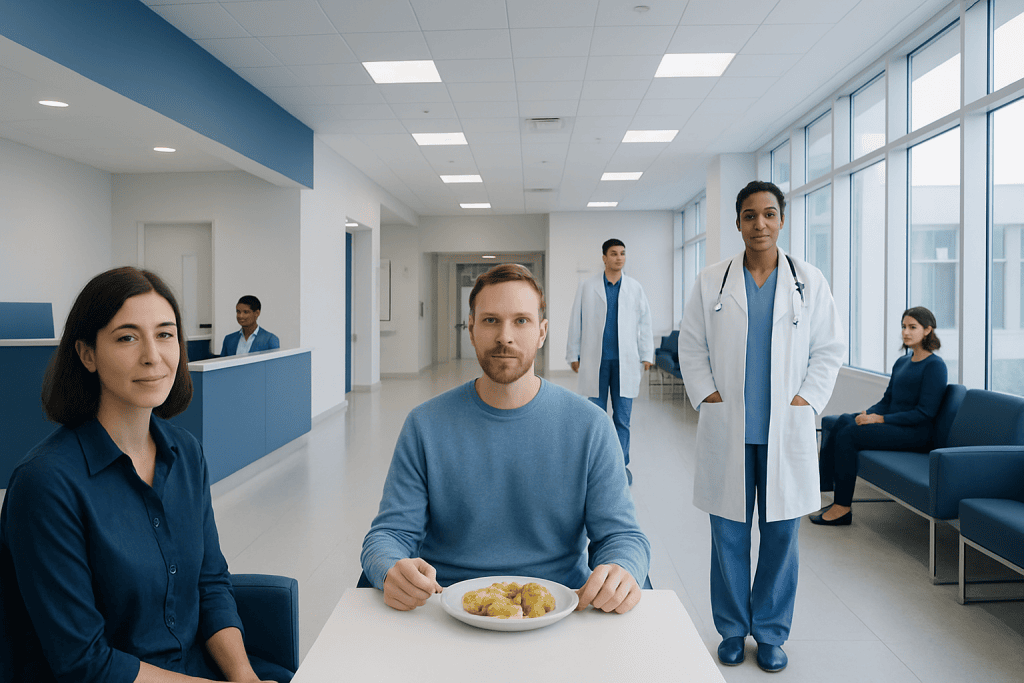
What to eat after dental implant surgery: follow a soft, cool-to-lukewarm diet, hydrate well and avoid chewing near the site while healing in Turkey or at home.
After dental implant surgery, choose cool or lukewarm, soft foods that need little chewing, such as soups, eggs, mashed vegetables and yoghurt if your surgeon permits dairy. Progress gradually as tenderness settles, avoid disturbing the implant area, and always follow the specific instructions from your own dental surgeon.
At a glance
- First 24 hours: Cool, smooth liquids and very soft foods; no straws
- Days 2-3: Soft, lukewarm meals with minimal chewing
- Days 4-7: Add more soft proteins and cooked foods as comfortable
- Avoid initially: Hard, crunchy, sticky, spicy and very hot foods
- Chewing: Use the opposite side of your mouth when advised
- Important: Your surgeon’s instructions take priority
What to eat after dental implant surgery: the short answer
For the first day or two after dental implant surgery, eat cool or lukewarm foods that are smooth, soft and easy to swallow. Good choices may include water, blended soups that have cooled, mashed potato, porridge, scrambled eggs, smoothies eaten with a spoon and other foods that do not require forceful chewing.
As discomfort and swelling improve, you can usually introduce soft meals with more texture over the following days. Avoid chewing directly on the surgical area, and stay away from hard, crunchy, sticky, spicy or very hot foods until your dental surgeon says it is safe to resume your usual diet.
Your plan may differ if you had bone grafting, several implants, sinus-related treatment, immediate temporary teeth or another procedure at the same appointment. Use this guide as practical support, but follow the instructions provided by your own surgeon and contact the clinic if you are unsure about a particular food.
Day-by-day diet guide after dental implant surgery
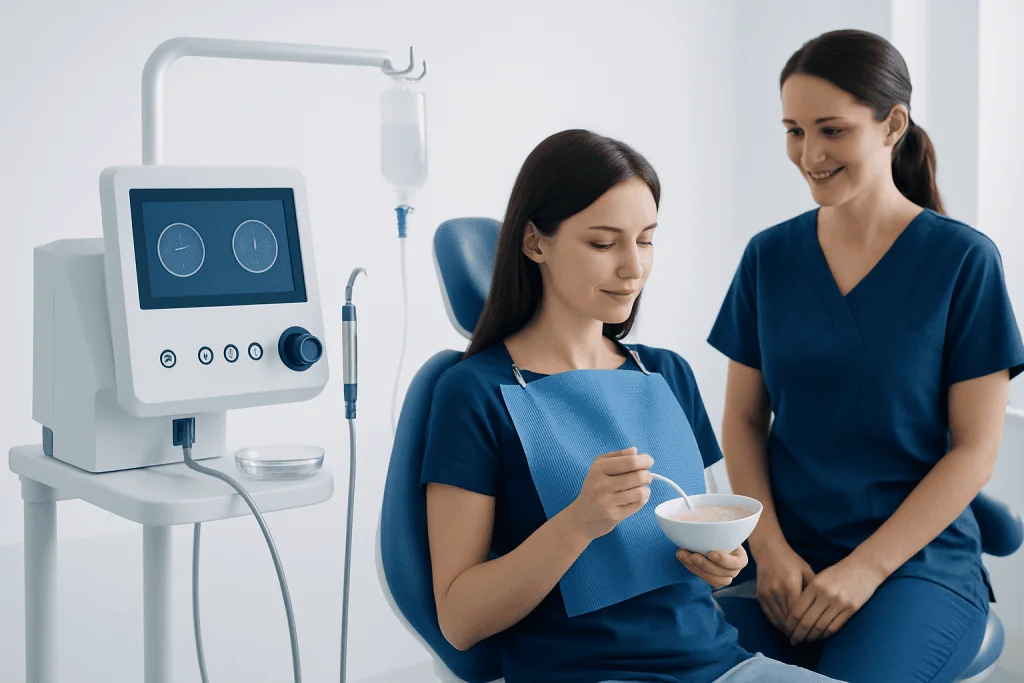
Healing is individual, so think of this timeline as a gradual framework rather than a deadline. If chewing causes pain, bleeding or pressure at the implant site, move back to softer foods and ask your dental team for advice.
| Time after surgery | What you can usually eat | What to keep avoiding |
|---|---|---|
| Day of surgery | Cool water, spoon-fed smoothies, cool purees, soft foods once numbness has worn off | Hot drinks, alcohol, straws, chewing near the site |
| Day 1 | Mashed vegetables, cooled soup, porridge, scrambled eggs, soft yoghurt if permitted | Crunchy foods, seeds, spicy foods, vigorous rinsing |
| Days 2-3 | Soft pasta, well-cooked rice, flaky fish, soft tofu, blended vegetable soups | Hard crusts, nuts, crisps, chewy meat, sticky sweets |
| Days 4-7 | Soft cooked vegetables, tender minced dishes, omelettes, soft grains | Direct pressure on the implant area and foods that break into sharp pieces |
| Week 2 and beyond | Gradually broader foods if comfortable and cleared by your surgeon | Any food your surgeon has restricted, especially after grafting |
Do not test the implant by biting firmly on it. Even if you feel well, the tissues and bone around an implant need time to heal; your dentist will tell you when normal chewing and any planned restoration steps can safely continue.
What can I eat the day after tooth implant surgery?
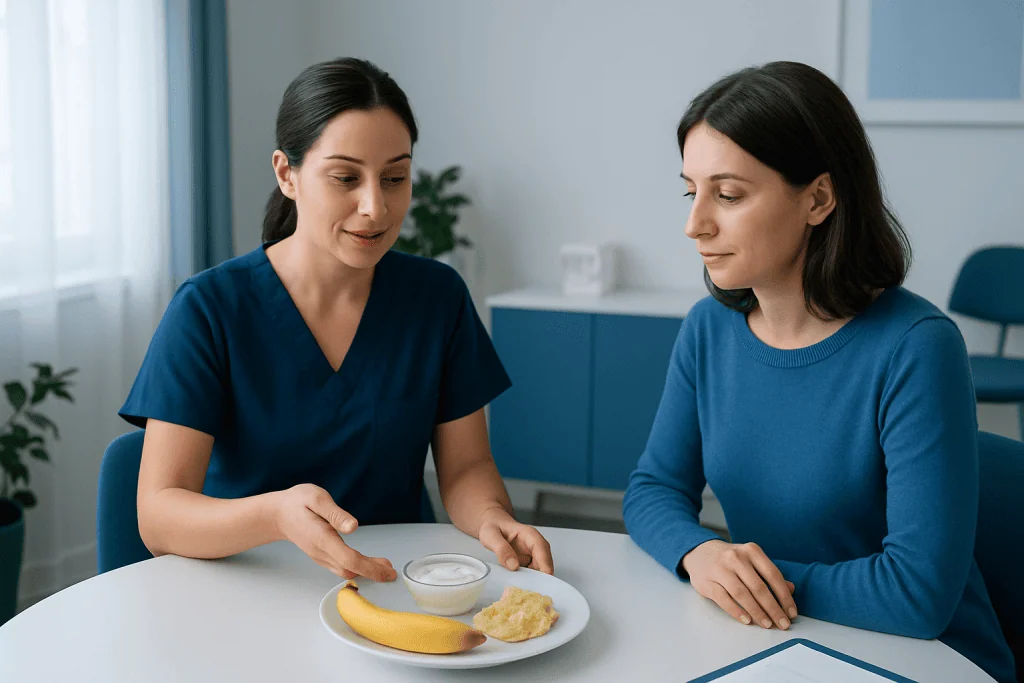
The day after tooth implant surgery, choose foods that are soft, cool to lukewarm and unlikely to leave pieces around the surgical site. Examples include mashed potato or sweet potato, plain porridge, scrambled eggs, blended soup that is not hot, apple puree, avocado, soft cottage cheese or yoghurt if your surgeon has not asked you to avoid dairy.
Take small bites and chew on the other side of your mouth if this is comfortable and your surgeon has advised it. If both sides were treated, select foods that can be swallowed with almost no chewing, such as smooth purees, well-blended soups and soft egg dishes.
Avoid using a straw, as suction can interfere with the early blood clot and healing tissues. Also avoid hot drinks and hot meals in the first day, because heat may increase bleeding or swelling; let food and drinks cool first.
What are some good soft food ideas to eat after dental implant surgery?
Variety can make a soft-food diet much easier, particularly if you are recovering away from home. Aim for fluids, protein and nourishing foods while keeping texture gentle. Choose foods that are smooth or thoroughly cooked, and adapt them by blending, mashing or adding broth when needed.
- Mashed potato, sweet potato, pumpkin or other well-cooked vegetables
- Oatmeal, semolina, congee or other soft cereals served lukewarm
- Scrambled eggs, soft omelettes, tofu and tender flaky fish
- Blended lentil, vegetable or chicken soup, allowed to cool
- Soft pasta, risotto or well-cooked rice once you can manage a little texture
- Banana, avocado, stewed fruit or unsweetened fruit puree
- Smoothies taken with a spoon rather than a straw
For protein, eggs, soft fish, tofu, legumes blended into soup and dairy foods where permitted can be useful options. If you have dietary restrictions, diabetes, food allergies or a medical condition that affects nutrition, ask your surgeon or usual healthcare professional for personalised advice.
How to heal faster after dental implants?
You cannot safely rush implant healing, but you can support it by protecting the surgical area and following your postoperative plan closely. Rest on the day of treatment, take prescribed medicines exactly as directed, drink enough water and choose nourishing soft meals. If your clinician recommends cold compresses, use them as instructed to help manage swelling.
Good oral hygiene is important, but be gentle. Do not brush directly over a fresh surgical area unless your surgeon has told you to do so; use any prescribed rinse exactly as instructed and avoid forceful spitting or rinsing in the early stage. Smoking and nicotine products can impair healing and increase complications, so avoiding them is especially important.
Do not resume strenuous exercise, alcohol or foods that put pressure on the implant too soon. Contact your dental team promptly if pain becomes worse rather than gradually better, bleeding does not settle, swelling is severe or increasing, you develop fever, or you notice a persistent bad taste, discharge or a loose restoration.
Why no dairy after dental implants?
Dairy is not universally prohibited after dental implant surgery. Some surgeons allow yoghurt, milk, soft cheese or other dairy foods because they are easy to eat and can contribute protein and calories during early recovery. Others may recommend avoiding dairy for a short time, particularly on the day of surgery or if you are taking certain medicines, feel nauseated, or have been given a specific dietary instruction.
The reason varies by clinician and procedure. Dairy can sometimes be associated with nausea after sedation or medication, and some patients may find it leaves a coating sensation that makes mouth care less comfortable. In certain settings, a surgeon may also prefer patients to avoid particular foods temporarily to simplify early wound care.
The safest approach is to ask your own surgeon whether dairy is suitable for you and for how long any restriction applies. If dairy is not advised, you can choose alternatives such as oat porridge, mashed vegetables, eggs, tofu, blended legumes and non-dairy fortified drinks, taken without a straw.
Eating comfortably during recovery in Turkey and after travel home
If you are having dental implant treatment in Turkey, plan a few days of easy meals before you travel. Ask your hotel or accommodation for simple options such as soup served lukewarm, eggs, oatmeal, mashed vegetables and soft pasta. Avoid assuming that a familiar-looking meal is soft enough; foods such as bread, sesame-coated pastries, grilled meat and nuts may require more chewing than expected.
At Acibadem International, international patient services can help you understand the written aftercare plan, arrange interpretation when needed and support practical questions during your stay. Keep the clinic’s contact details accessible, particularly if you are staying in Istanbul briefly or preparing to fly home after your appointment.
Before travelling, confirm your surgeon’s guidance on flying, activity, medicines, follow-up and any treatment-specific food restrictions. Carry prescribed medicines in their original packaging, keep a copy of your treatment summary, and choose travel snacks that are soft, non-crumbly and consistent with your recovery instructions.
Step by step
- Prepare soft foods before your appointment. Buy or arrange several days of easy-to-eat foods before surgery, especially if you will be staying in a hotel or travelling. Include protein-rich choices as well as soups, purees and fluids so that you are not relying only on sweet foods.
- Wait until numbness has reduced. Do not eat while your mouth is very numb, as you may accidentally bite your cheek, tongue or lip. Start with small amounts of cool water and follow the timing advice provided by your surgeon.
- Keep food temperature gentle. Choose cool or lukewarm food and drinks at first. Avoid very hot items because they can increase discomfort and may disturb early healing.
- Chew away from the surgical site. If your surgeon permits chewing, use the opposite side of your mouth and take small bites. Do not bite down on the implant area or temporary restoration to check whether it feels secure.
- Build texture gradually. Move from smooth foods to mashed foods and then to soft, tender meals as comfort allows. Stop and return to gentler choices if you experience pain, pressure or bleeding.
- Protect the blood clot and tissues. Avoid straws, forceful spitting and vigorous rinsing in the early recovery period unless your surgeon gives different instructions. These actions can disturb the healing area.
- Ask before returning to normal foods. Your final return to a usual diet depends on the procedure performed and your healing progress. Confirm timing at follow-up, particularly after multiple implants, bone grafting or sinus-related treatment.
Your checklist
- Soft, cool-to-lukewarm foods for the first days
- Water bottle or cup for regular hydration
- Spoon for smoothies and purees instead of a straw
- Protein-rich soft foods such as eggs, tofu, soft fish or blended legumes
- Prescribed medicines and written dosing instructions
- Clinic contact details and emergency guidance
- A copy of your treatment and follow-up plan
- Travel-friendly soft snacks if you are returning home
- A list of foods your own surgeon has specifically restricted
Key takeaways
- Start with cool or lukewarm, smooth foods and avoid straws after dental implant surgery.
- Add soft textures gradually; do not chew directly on the surgical area until your surgeon approves it.
- Hard, crunchy, sticky, spicy and very hot foods can irritate the area or place unwanted pressure on it.
- Dairy restrictions are not universal, so follow the instructions given for your procedure and medicines.
- Rest, hydration, gentle mouth care and avoiding nicotine support recovery, but healing cannot be safely rushed.
Frequently asked questions
How long should I eat soft foods after dental implant surgery?
Many people need a soft diet for several days, then gradually add more texture as discomfort settles. The exact duration depends on the number and position of implants, whether grafting was performed and your surgeon’s assessment. Do not return to hard chewing simply because pain has improved; ask at follow-up if you are uncertain.
Can I drink coffee after dental implant surgery?
Hot coffee is usually best avoided in the immediate period after surgery because heat may increase bleeding or swelling. Your surgeon can advise when it is appropriate to have coffee again, often once the initial healing period has passed and it can be consumed lukewarm. Avoid using a straw for cold coffee drinks unless your clinician has specifically said it is acceptable.
Can I eat rice after dental implant surgery?
Well-cooked, soft rice may be suitable after the first day or two if you can eat it without chewing near the implant site. Some types can leave small grains around the mouth, so rinse or clean only as instructed by your surgeon. If rice feels difficult to manage, choose smoother foods for longer.
Can I eat eggs after dental implant surgery?
Soft scrambled eggs or a tender omelette are often practical early-recovery foods because they are soft and provide protein. Let them cool to lukewarm and avoid crispy edges or added hard ingredients. Follow any individual dietary restrictions from your surgical team.
What foods should I avoid after dental implant surgery?
Avoid hard, crunchy, sticky and chewy foods, including nuts, crisps, popcorn, hard bread crusts, tough meat and sticky sweets. It is also usually wise to avoid spicy foods, very hot foods and alcohol during the early recovery period. Your surgeon may add restrictions based on the treatment you received.
Can I use a straw after dental implant surgery?
It is generally best to avoid straws in the early healing period because suction may disturb the blood clot and healing tissues. Drink from a cup or take smoothies with a spoon instead. Follow the time frame given by your own surgeon.
Can I travel home after dental implant surgery in Turkey?
Travel timing depends on your treatment, recovery and surgeon’s recommendations. Before leaving Turkey, confirm plans for medications, diet, activity, follow-up and how to contact the clinic if you have concerns. Acibadem International patient services can help you understand and organise the practical parts of your aftercare plan.
Add us as a Preferred Source to see more of our trusted health content across Google Search, AI Overviews and Discover.
More Patient Guides

Alcohol After Dental Implant Surgery: How Long Should You Wait?
Alcohol after dental implant surgery is best avoided for at least 48–72 hours, and longer if you had a graft, swelling or…
8 min read
Flying After Surgery: How Soon Is Safe, Procedure by Procedure
Flying after surgery is often delayed from days to weeks depending on your procedure and clot risk; follow your surgeon’s advice before…
8 min read
Hair Transplant Results Timeline: 1 Month, 3 Months, 1 Year and Beyond
Hair transplant results usually begin growing at 3–4 months, look fuller by 6–9 months and mature around 12–18 months after treatment in…
8 min read