Reconstruction after Mastectomy: Procedure, Recovery and Results
Breast reconstruction is a personal choice and is not medically required after mastectomy. Options include implant-based reconstruction, reconstruction using tissue from another part of the body, and aesthetic flat closure.
Key Takeaways
- Breast reconstruction is a personal choice and is not medically required after mastectomy.
- Options include implant-based reconstruction, reconstruction using tissue from another part of the body, and aesthetic flat closure.
- The timing and method depend on cancer treatment plans, overall health, body anatomy, and personal goals.
- Recovery varies by procedure; healing after flap reconstruction usually takes longer than after implant-based surgery.
- Follow-up care is important to monitor wound healing, manage discomfort, and support emotional recovery.
Reconstruction after mastectomy is surgery to restore a breast mound or breast shape after breast removal. It can be performed at the same operation as a mastectomy or months to years later, using an implant, a person’s own tissue, or a combination of both.
Overview: How Reconstruction After Mastectomy Works
Reconstruction after mastectomy is a surgical approach that creates a breast mound after one or both breasts have been removed. It may help some people feel more comfortable in clothing, improve body symmetry, or support their sense of well-being after cancer treatment. Reconstruction does not treat breast cancer or reduce the need for recommended cancer follow-up care.
There is no single “right” choice. Some people choose immediate reconstruction during the same operation as mastectomy, while others prefer delayed reconstruction after healing or cancer treatments such as chemotherapy or radiotherapy. Others decide against reconstruction and may choose an aesthetic flat closure or an external breast prosthesis.
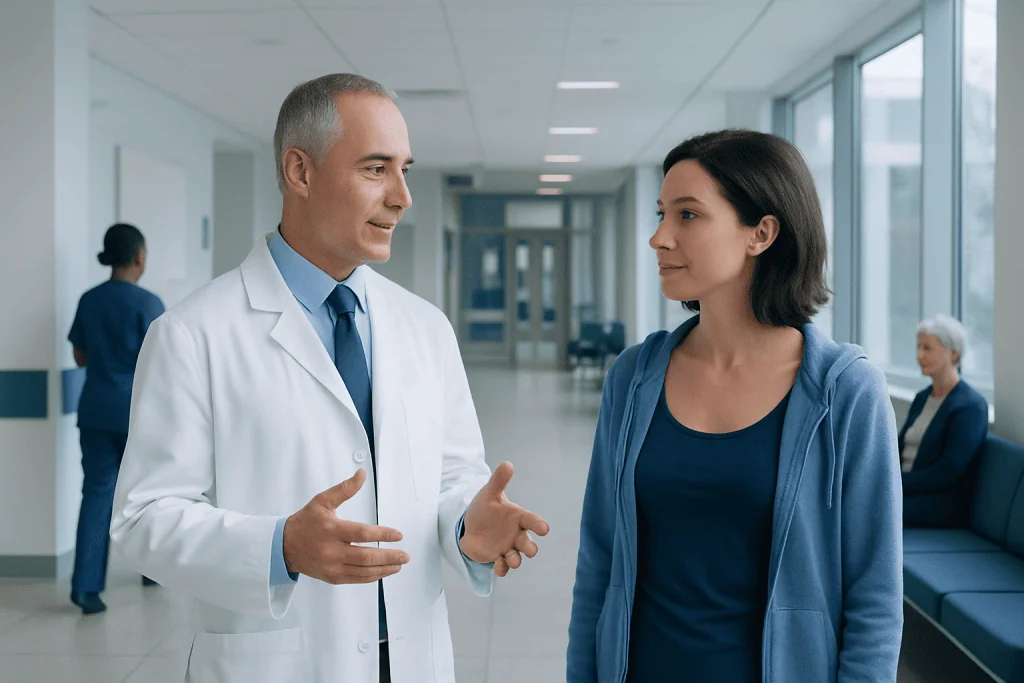
A breast surgeon and plastic or reconstructive surgeon can explain options before surgery whenever possible. The discussion should include expected appearance, number of operations, recovery needs, potential effects of radiotherapy, and what matters most to the individual.
Candidacy and Types of Breast Reconstruction
Most people having a mastectomy can discuss reconstructive options, but the safest and most suitable approach is individual. The care team considers the type and stage of breast cancer, whether radiotherapy is expected, prior surgeries, smoking status, medical conditions, body weight, healing history, and personal preferences. Reconstruction may still be possible after previous treatment, although planning can be more complex.
Implant-based reconstruction uses a breast implant filled with saline or silicone gel. It may be placed directly at the time of mastectomy or after a temporary tissue expander gradually stretches the skin and muscle to create space. This option generally has a shorter initial operation than tissue-flap reconstruction, although future revision or implant replacement may be needed.
Autologous, or flap, reconstruction uses tissue from another area of the body, commonly the lower abdomen, back, thigh, or buttock. The tissue may include skin, fat, and sometimes muscle. A flap can provide a softer, more natural-feeling breast mound for some patients, but surgery and recovery are usually longer because there is also a donor-site wound.
Some people have a combination of flap tissue and an implant. Nipple reconstruction, nipple-sparing mastectomy, tattooing, fat grafting, and surgery on the opposite breast to improve symmetry are additional options that may be discussed later.
Step by Step: What Happens During the Procedure

Planning starts with consultations involving breast surgery, reconstructive surgery, oncology, nursing, and sometimes radiation oncology. The surgeons review imaging and treatment plans, examine the chest and possible donor sites, and discuss desired breast size and shape. Photographs, measurements, and consent discussions may form part of preoperative planning.
During immediate reconstruction, the breast surgeon performs the mastectomy first. The reconstructive surgeon then creates the breast mound with an implant, tissue expander, flap, or combined technique. In delayed reconstruction, the mastectomy site is allowed to heal first, and reconstruction is scheduled when it fits safely with cancer treatment and personal circumstances.
Implant reconstruction may involve placement above or below the chest muscle, with supportive material used in selected cases. For flap surgery, tissue is moved to the chest either while remaining attached to its blood supply or after microsurgery reconnects small blood vessels. The exact technique depends on anatomy and surgical goals.
After surgery, temporary drains are often placed to remove fluid from the wound area. Dressings and a supportive surgical bra may be used. The hospital stay can range from a short stay for some implant procedures to several days for more extensive flap reconstruction.
What to Expect After a Mastectomy and Reconstruction?
It is normal to have soreness, swelling, bruising, tightness across the chest, fatigue, and temporary changes in sensation after a mastectomy and reconstruction. The reconstructed breast may initially sit higher, look fuller, or appear different from the opposite breast. Swelling settles gradually, and scars mature over many months.
Drains may remain in place for days or occasionally longer, depending on fluid output and the surgeon’s instructions. The care team explains how to care for drains, surgical dressings, incisions, and any tissue expander. Pain management is individualized and may include several approaches to keep discomfort manageable while supporting safe movement.
Arm and shoulder movement can feel restricted at first. Gentle exercises recommended by the surgical team or physiotherapist can help restore mobility and reduce stiffness. Activities such as lifting, strenuous exercise, driving, and returning to work should be resumed only when the clinician says it is appropriate.
Many people need more than one procedure to complete reconstruction, particularly when expanders, flap refinement, fat grafting, nipple reconstruction, or symmetry surgery are planned. The final result develops over time, and no reconstruction can fully restore the original breast’s sensation, appearance, or function.
Recovery Timeline, Benefits and Possible Risks
Recovery after implant-based reconstruction commonly allows a gradual return to light daily activities within several weeks, although healing continues longer. Recovery after flap reconstruction may take several weeks to a few months because both the chest and donor area need to heal. Individual recovery can be affected by radiotherapy, chemotherapy, infection, diabetes, smoking, and the extent of surgery.
Potential benefits include restoration of breast contour, improved symmetry in clothing, and the option to avoid or reduce the need for an external prosthesis. Some people also value having reconstruction performed at the same time as mastectomy, while others appreciate having time to focus first on cancer treatment and recovery.
All surgery has risks. These can include bleeding, infection, wound-healing problems, fluid collection, blood clots, scarring, persistent pain, or changes in skin and chest sensation. Implant-related risks include capsular contracture, implant rupture, displacement, and the possible need for further surgery. Flap-related risks include loss of some or all of the flap, changes at the donor site, weakness, or hernia depending on the donor area.
Radiotherapy can affect skin quality, healing, and implant outcomes. For this reason, the timing and type of reconstruction should be coordinated closely with the cancer team. If concerns arise during recovery, prompt contact with the surgical team can help address problems early.
What Is the Best Way to Sleep After Mastectomy Surgery?
Many people are most comfortable sleeping on their back with the upper body slightly elevated during the early recovery period. A wedge pillow or several firm pillows can support the back, arms, and shoulders and may reduce pulling on the chest or donor site. The surgeon’s specific guidance should take priority, especially after flap surgery.
Side sleeping and stomach sleeping are usually avoided initially because they can place pressure on healing incisions, drains, or reconstructed tissue. The time needed before changing positions varies by procedure and healing progress. The care team can advise when side sleeping is safe and how to use pillows for support.
Good sleep can be difficult in the first weeks because of discomfort, anxiety, limited movement, and drains. Taking prescribed pain medicine as directed, following a regular sleep schedule, limiting caffeine later in the day, and asking for help with positioning may make rest easier. Persistent inability to sleep, severe pain, or worsening symptoms should be discussed with a clinician.
What Does Your Chest Look Like After a Mastectomy?
The chest appearance after mastectomy depends on the type of mastectomy, whether reconstruction is performed, whether nipples are preserved, and how healing progresses. Without reconstruction, the chest may be flat with scars that vary in length and position. An aesthetic flat closure aims to create a smooth, balanced chest contour, but the final appearance still varies between individuals.
With reconstruction, there is usually a breast mound, but it may differ from the natural breast in shape, texture, position, and sensation. Early swelling, bruising, incision lines, and asymmetry are expected. Over time, scars usually fade and soften, although they do not disappear completely.
After nipple-sparing procedures, the nipple and areola may remain but can have altered sensation, color, or position. When the nipple is removed, later options may include surgical nipple reconstruction or medical tattooing. A surgeon can provide realistic examples of expected scar placement and results for the planned technique.
Is a Mastectomy Major Surgery? When to Seek Medical Care
Yes. A mastectomy is major surgery because it involves removal of breast tissue under general anesthesia and requires a period of healing, pain management, mobility support, and follow-up. When reconstruction is performed at the same time, the operation can be longer and recovery may be more involved, particularly with tissue-flap procedures.
Patients should contact their surgical team promptly for fever, increasing redness or warmth around an incision, pus-like drainage, sudden swelling, worsening pain not controlled by the prescribed plan, wound separation, shortness of breath, chest pain, or swelling and pain in a leg. These symptoms do not always indicate a serious problem, but they need timely medical assessment.
Emotional adjustment is also part of recovery. Sadness, worry, grief, changes in body image, and concerns about intimacy are common and deserve support. Breast cancer nurses, mental health professionals, rehabilitation specialists, and peer-support services can help people and families navigate this stage.
Acibadem International’s multidisciplinary specialists and JCI-accredited hospitals provide assessment and treatment planning for international patients considering breast cancer surgery and reconstruction.
Frequently asked questions
Can reconstruction be done years after a mastectomy?
Yes. Delayed reconstruction may be performed months or years after mastectomy if a person is medically suitable. It can be considered after cancer treatments are complete or whenever the individual feels ready to explore the option.
Does breast reconstruction affect cancer recurrence detection?
Reconstruction does not cause breast cancer to return. Follow-up examinations and any needed imaging are planned by the oncology team, and people should report new lumps, skin changes, or persistent symptoms promptly.
Will a reconstructed breast have normal feeling?
Most reconstructed breasts have reduced or altered sensation compared with the original breast. Some sensation may gradually return over time, particularly in the surrounding skin, but this is unpredictable and complete restoration is uncommon.
How long do breast implants used for reconstruction last?
Breast implants are not considered lifetime devices. They may remain in place for many years, but complications, changes in breast shape, rupture, or personal preferences can lead to additional surgery.
Can someone have reconstruction if radiotherapy is needed?
Yes, but radiotherapy can influence healing and the likelihood of complications, especially with implants. The breast surgeon, plastic surgeon, and radiation oncologist work together to determine the most appropriate timing and method.
Is it possible to choose no reconstruction after mastectomy?
Yes. Choosing no reconstruction is a valid option, and some people prefer an aesthetic flat closure or an external prosthesis. The decision should reflect the person’s health needs, priorities, and comfort rather than outside expectations.
References
- American Cancer Society
- National Cancer Institute
- American Society of Plastic Surgeons
- Breastcancer.org
- World Health Organization
This article is for general information only and is not a substitute for professional medical advice. Please consult a qualified doctor about your individual situation.
Oncology care in Turkey — second opinion and treatment plan
JCI-accredited · board-certified surgeons · reply within 24h
Add us as a Preferred Source to see more of our trusted health content across Google Search, AI Overviews and Discover.