Physical Therapy for Cancer Patients: How It Works, Results and What to Expect
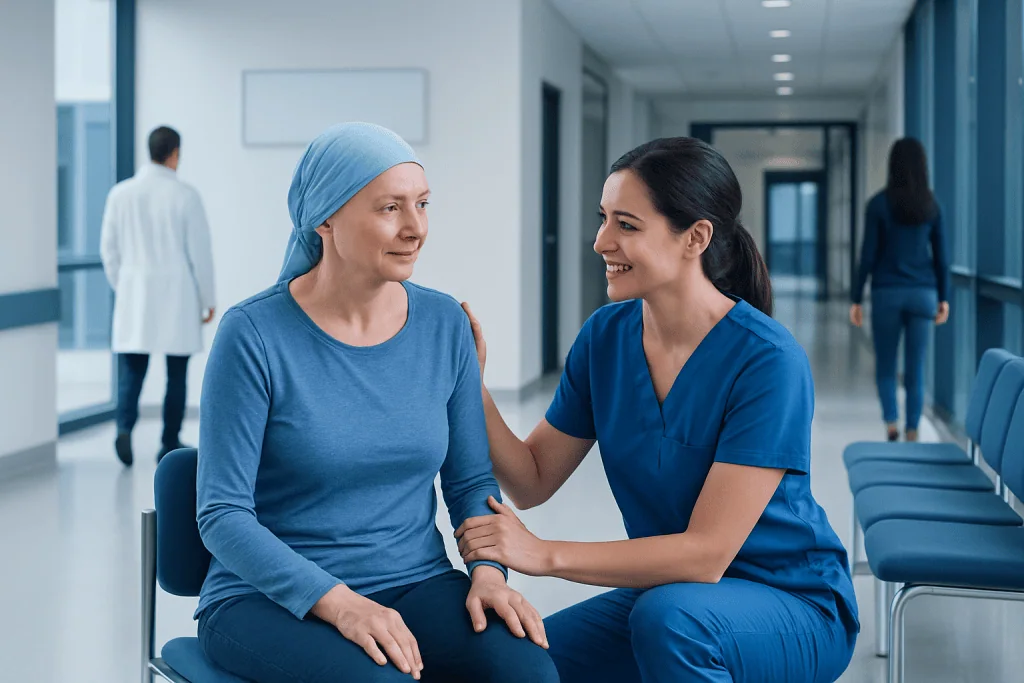
Cancer-focused physical therapy can support safe movement, strength, balance and independence throughout the cancer journey. A physical therapist assesses symptoms, treatment effects, medical precautions and personal goals before creating a plan.
Key Takeaways
- Cancer-focused physical therapy can support safe movement, strength, balance and independence throughout the cancer journey.
- A physical therapist assesses symptoms, treatment effects, medical precautions and personal goals before creating a plan.
- Rehabilitation may include tailored exercise, walking guidance, mobility work, education and strategies for symptoms such as fatigue or lymphedema.
- Progress differs between individuals and may be gradual, especially during intensive treatment or recovery from surgery.
- New severe pain, chest symptoms, sudden breathlessness, fever or new neurological symptoms require prompt medical assessment.
Physical therapy for cancer patients is individualized rehabilitation that can help manage treatment-related fatigue, weakness, pain, balance problems and reduced mobility. It may be useful before, during or after cancer treatment, with plans adapted to the person’s diagnosis, symptoms, treatment schedule and goals.
How Physical Therapy for Cancer Patients Works
Physical therapy for cancer patients is a specialized form of rehabilitation that helps people maintain or regain movement, strength, endurance, balance and confidence in daily activities. It can be offered before cancer treatment begins, while treatment is ongoing, after treatment, or during longer-term survivorship. The goal is not to push through symptoms, but to help the person function as safely and comfortably as possible.
Cancer itself and its treatments can affect the body in many ways. Surgery may limit movement or cause scar tightness; chemotherapy can contribute to fatigue, weakness or numbness in the hands and feet; radiation therapy can lead to stiffness in treated areas; and prolonged rest can reduce conditioning. A physical therapist works alongside the oncology team to adapt activity to these changing needs.
Sessions commonly combine assessment, guided movement and practical education. The therapist may address walking, stairs, transfers, posture, joint range of motion, strength, balance and energy conservation. Care may also include support for swelling related to lymphatic problems, when appropriate, as part of a broader cancer rehabilitation plan.
Who May Benefit From Cancer Rehabilitation?
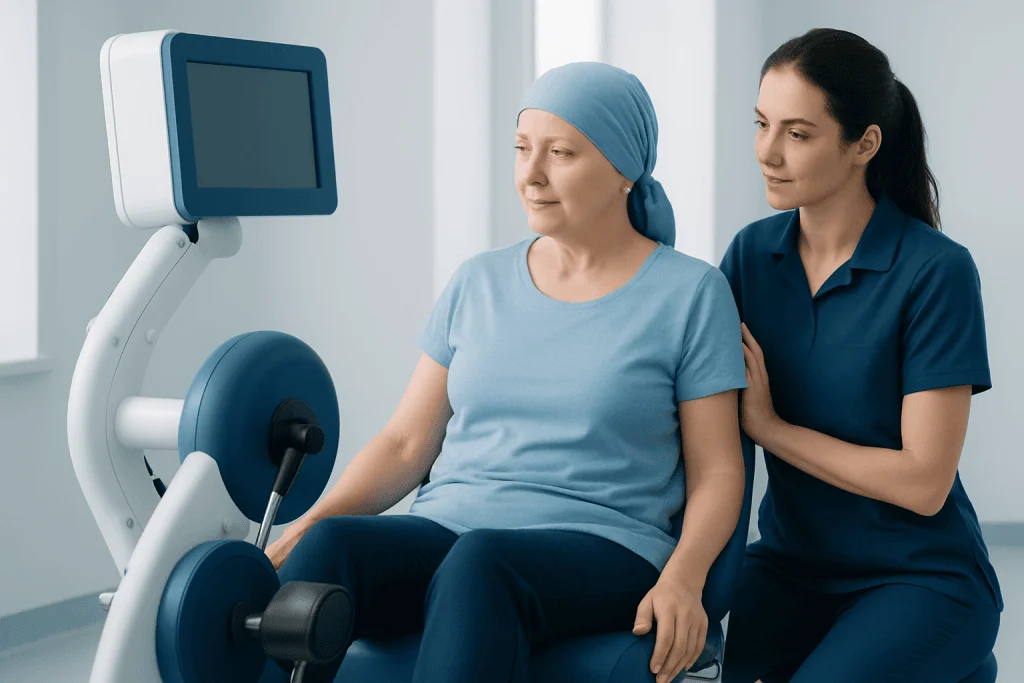
Many people with cancer can benefit from an assessment by a physical therapist. Referral may be especially useful for people who have difficulty walking, getting up from a chair, climbing stairs, dressing, working, caring for family or returning to usual exercise. Physical therapy can also be considered when fatigue, deconditioning, falls, pain, stiffness or fear of movement is limiting daily life.
People recovering from surgery may need help restoring shoulder, trunk, hip or leg movement, depending on the operation. Those receiving chemotherapy or other systemic therapies may need strategies for fatigue, weakness and peripheral neuropathy. Following radiation therapy, therapy may help preserve flexibility and manage soft-tissue tightness. For some people, rehabilitation also supports function while living with advanced cancer.
Not every activity is suitable for every person. The therapist and oncology team consider factors such as blood counts, bone health, cancer spread to bone, heart or lung symptoms, recent surgery, infection risk, treatment-related side effects and the person’s current energy level. This individualized approach helps ensure that physical activity is appropriate for the clinical situation.
What Happens During Physical Therapy: Step by Step
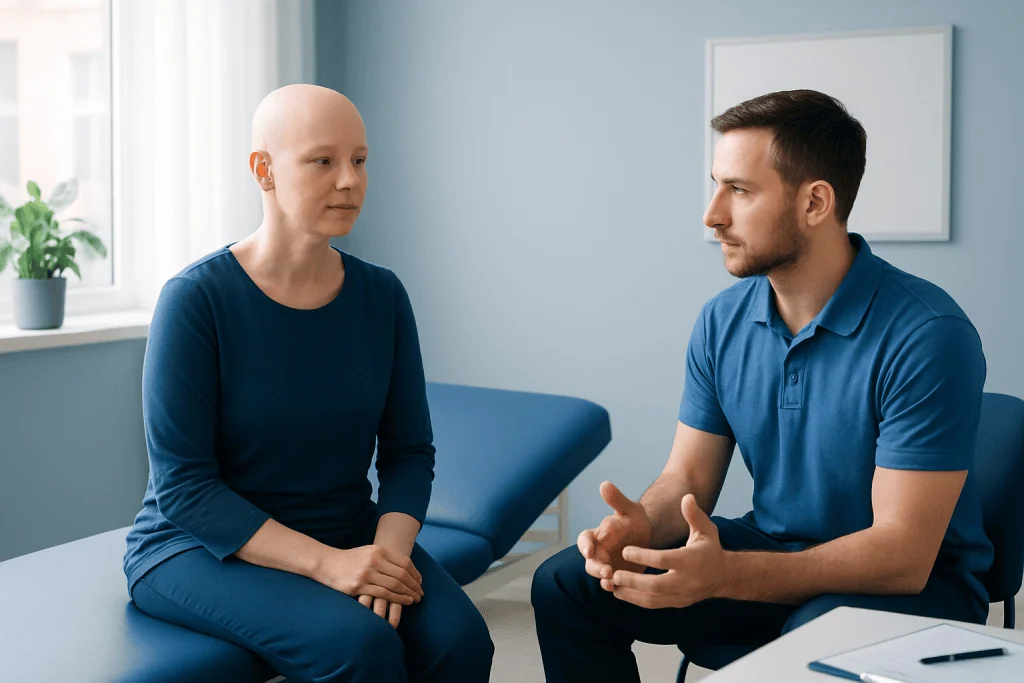
The process usually starts with a detailed evaluation. The physical therapist asks about the cancer diagnosis, treatments received or planned, medications, symptoms, pain, falls, activity level and personal priorities. They may measure walking ability, strength, joint movement, balance, posture, endurance and the tasks that are most difficult at home or work.
Next, the therapist develops a plan with realistic goals. For one person, the goal may be walking safely to the bathroom after surgery; for another, it may be returning to work, managing stairs or preparing for further treatment. The plan may involve supervised sessions, a home exercise program, pacing advice and communication with other professionals such as oncologists, surgeons, occupational therapists, dietitians and psychologists.
Exercises are generally progressed gradually. They may include gentle mobility work, resistance exercises, balance training, breathing exercises, walking or other aerobic activity, and task-based practice. The therapist teaches the person how to monitor symptoms and when to reduce, pause or seek advice. A structured physical therapy and rehabilitation program can be adjusted as treatment schedules and physical needs change.
Follow-up assessments help show whether the plan is meeting its goals. If fatigue increases after chemotherapy, for example, the program may temporarily focus more on pacing and light movement. If recovery is progressing well, the therapist may carefully advance strength or endurance work.
Benefits, Risks and Recovery Timeline
Potential benefits of physical therapy for cancer patients include improved mobility, muscle strength, balance, walking tolerance and ability to perform daily activities. Regular, tailored activity may also help some people manage fatigue, improve physical confidence and reduce the effects of prolonged inactivity. Rehabilitation does not treat the cancer itself, but it can be an important part of supportive care.
Results vary according to the cancer type, treatment, symptoms, starting fitness, nutrition, sleep, complications and consistency of rehabilitation. Some people notice practical improvements within a few visits, such as safer movement or less stiffness. Strength, conditioning and more complex functional goals often take several weeks or months, and progress may fluctuate during treatment cycles.
Physical therapy is generally safe when it is individualized and coordinated with medical care, but it is not entirely risk-free. Possible concerns include temporary muscle soreness, fatigue, aggravation of pain, falls, skin irritation or injury if activity is not properly adapted. Extra precautions may be needed with low blood counts, fragile bones, recent operations, catheters, wounds, ostomies, severe neuropathy or heart and lung symptoms.
Recovery is best viewed as a flexible timeline rather than a fixed schedule. Rest days may be needed, especially during intensive treatment. The right program balances activity and recovery, helping the person stay active without ignoring warning signs or feeling pressured to meet a particular pace.
Can Life Go Back to Normal After Cancer?
Life can become active, meaningful and familiar again after cancer, although “normal” may look different for each person. Some people return to many of their prior routines, roles and activities, while others continue to manage fatigue, reduced stamina, pain, emotional stress or lasting treatment effects. Recovery is often gradual and may involve adapting expectations as the body heals.
Physical therapy can support this transition by focusing on the activities that matter most to the individual. This may include walking outdoors, lifting safely, returning to work, caring for children, traveling, participating in hobbies or rebuilding exercise habits. The therapist can also help identify useful adaptations when a lasting physical change is present.
Ongoing follow-up with the oncology team remains important after treatment. New symptoms should not automatically be attributed to recovery or aging, particularly if they are persistent, worsening or affecting daily function. Combining medical follow-up, rehabilitation, sleep, nutrition and emotional support can help many survivors regain a satisfying quality of life.
How Long Does It Take to See Results From Physical Therapy?
Some benefits can appear early. A person may feel more confident using a walker, learn a safer way to get in and out of bed, or find that gentle stretching reduces stiffness after a few sessions. However, measurable changes in strength, endurance and overall function usually require regular practice over several weeks.
The timeline depends on the reason for therapy. Recovery after a relatively uncomplicated procedure may advance steadily, while rehabilitation during chemotherapy, radiation therapy or treatment for advanced cancer may need more frequent adjustments. Symptoms such as fatigue can change from day to day, so progress is not always linear.
The most helpful measure of success is often functional: whether everyday tasks are becoming easier, safer or less exhausting. The therapist will review goals over time and modify the plan when progress slows, treatment changes or a new symptom develops. Patients should let the team know if exercises consistently worsen symptoms or interfere with recovery.
What Is a Red Flag in Physical Therapy?
A red flag is a symptom or change that may need urgent medical assessment rather than routine exercise modification. During cancer rehabilitation, important red flags include chest pain, severe or new shortness of breath, fainting, coughing up blood, sudden confusion, a seizure, or sudden weakness or numbness on one side of the body. New loss of bladder or bowel control, severe new back pain, or rapidly worsening difficulty walking also needs prompt evaluation.
Patients should contact their oncology team promptly for fever or chills, signs of infection, unusual bleeding or bruising, a hot or swollen limb, severe persistent pain, new severe headache, or swelling that develops quickly. These symptoms may have different causes, and only a clinician can assess them safely in context.
Less urgent but still important concerns include increasing fatigue that does not improve with rest, new dizziness, repeated falls, worsening tingling or numbness, or pain that repeatedly increases during or after exercise. The physical therapist should be told about these changes so the program can be adjusted and, if needed, medical review arranged.
Should Cancer Patients Do Physical Therapy?
Many cancer patients can safely do physical therapy, and it is often beneficial when the program is tailored to their condition. The decision should be based on an individual assessment rather than a one-size-fits-all exercise plan. A therapist experienced in oncology rehabilitation can work with the treating doctors to account for surgery, chemotherapy, radiation therapy, targeted therapies and other relevant health conditions.
People should not wait until they are severely limited to ask for help. Early referral may help preserve movement and confidence before treatment, while later referral can address persistent side effects or difficulty returning to everyday activities. Even people who were active before diagnosis may need a modified program during treatment and recovery.
At Acibadem International, multidisciplinary specialists in JCI-accredited hospitals can assess cancer-related rehabilitation needs and coordinate care for international patients. The best next step is to discuss mobility concerns, fatigue, pain, falls or exercise goals with the oncology team, who can advise whether referral to a physical therapist is appropriate.
Frequently asked questions
Can physical therapy be done during chemotherapy?
Yes, many people can receive physical therapy during chemotherapy when the program is adjusted to their symptoms, energy level and medical status. The therapist may plan lighter activity around treatment days and use additional precautions when blood counts are low or infection risk is increased. The oncology team should be aware of the rehabilitation plan.
Does physical therapy help cancer-related fatigue?
Tailored physical activity can help some people manage cancer-related fatigue and improve physical function. The approach should include pacing, rest and gradual progression rather than pushing through severe exhaustion. Persistent or sudden worsening fatigue should be discussed with the oncology team because it can have several causes.
Is exercise safe if cancer has spread to the bones?
Exercise may still be possible, but it requires careful medical and physical therapy assessment. The team will consider the location and stability of bone lesions, pain, fracture risk and current treatment. High-impact, twisting or heavy-loading activities may need to be avoided or modified.
What should a patient wear to physical therapy?
Comfortable clothing that allows easy movement is usually best, along with supportive footwear if walking or balance exercises are planned. Patients should bring relevant assistive devices, such as a cane or walker, and a current medication list if requested. It can also be helpful to note symptoms and questions before the visit.
Can physical therapy help after cancer surgery?
Physical therapy can help restore safe movement, strength, flexibility and daily function after many cancer operations. The timing and exercises depend on the procedure, wound healing, drains, reconstruction and surgeon instructions. Therapy may also help address posture changes, scar-related tightness or reduced range of motion.
When should a cancer patient stop exercising and seek help?
Exercise should be stopped and urgent help sought for symptoms such as chest pain, severe breathlessness, fainting, sudden neurological symptoms or severe new pain. Patients should contact their care team for fever, unusual bleeding, rapidly increasing swelling, infection signs or symptoms that are worsening. It is safer to ask for guidance than to continue activity through concerning symptoms.
References
- American Cancer Society
- National Cancer Institute
- American College of Sports Medicine
- World Health Organization
- American Physical Therapy Association
This article is for general information only and is not a substitute for professional medical advice. Please consult a qualified doctor about your individual situation.
Oncology care in Turkey — second opinion and treatment plan
JCI-accredited · board-certified surgeons · reply within 24h
Add us as a Preferred Source to see more of our trusted health content across Google Search, AI Overviews and Discover.