Bleeding Ulcer Treatment: How It Works, Results and What to Expect

Vomiting blood, black tar-like stools, fainting or severe weakness can indicate urgent internal bleeding and require immediate medical care. Endoscopy is commonly used to diagnose a bleeding ulcer and treat it during the same procedure.
Key Takeaways
- Vomiting blood, black tar-like stools, fainting or severe weakness can indicate urgent internal bleeding and require immediate medical care.
- Endoscopy is commonly used to diagnose a bleeding ulcer and treat it during the same procedure.
- Acid-suppressing medicines, H. pylori treatment and avoiding ulcer-causing medicines help ulcers heal and reduce the chance of rebleeding.
- Healing commonly takes several weeks, but the timeline depends on the ulcer’s size, location, cause and whether bleeding has recurred.
- Some people need repeat endoscopy, radiologic treatment or surgery if bleeding cannot be controlled endoscopically.
Bleeding ulcer treatment usually involves urgent assessment, medicines to reduce stomach acid and an endoscopy to locate and stop active bleeding. Most people respond well to prompt care, followed by treatment of the underlying cause such as Helicobacter pylori infection or use of anti-inflammatory medicines.
Overview: How Bleeding Ulcer Treatment Works
A bleeding ulcer is an open sore in the lining of the stomach or first part of the small intestine, called the duodenum, that has damaged a blood vessel. It is a form of upper gastrointestinal bleeding and should be assessed urgently because blood loss can become significant. The immediate goals of bleeding ulcer treatment are to stabilize the person, identify the source of bleeding and stop it safely.
Doctors commonly use a flexible camera test called upper endoscopy to examine the esophagus, stomach and duodenum. If an ulcer is bleeding or has features suggesting a high risk of bleeding again, the specialist may treat it through the endoscope using injections, heat-based therapy, clips or a combination of these methods. Acid-reducing medicines support clot stability and ulcer healing.
Longer-term treatment focuses on why the ulcer developed. Frequent causes include Helicobacter pylori infection and nonsteroidal anti-inflammatory drugs (NSAIDs), such as ibuprofen, naproxen and aspirin. Treating infection, reviewing medicines with a clinician and protecting the stomach lining can greatly reduce the likelihood of another ulcer bleed.
When to Seek Medical Care
Emergency medical assessment is needed for vomiting blood, vomit that looks like coffee grounds, black sticky stools, bright red blood in the stool, fainting, confusion, new shortness of breath, chest discomfort, severe weakness or a fast heartbeat. These symptoms may reflect substantial bleeding, even if abdominal pain is mild or absent.
A person with a known ulcer should also contact a doctor promptly if pain worsens, vomiting prevents fluids from staying down, stools become unusually dark, or symptoms return after treatment. People who take blood-thinning medicines, antiplatelet medicines, aspirin or NSAIDs should seek advice quickly because these medicines can increase bleeding risk.
It is not safe to try to manage suspected gastrointestinal bleeding with antacids, diet changes or home remedies alone. Until medical advice is available, a person should avoid alcohol and should not take NSAIDs unless a clinician specifically advises otherwise.
What Will a Doctor Do for a Bleeding Ulcer?

In an emergency setting, the care team first checks blood pressure, pulse, oxygen level and signs of blood loss. Blood tests can assess anemia, blood clotting and organ function. Depending on the situation, the person may receive intravenous fluids, medicines to reduce stomach acid, treatment for nausea and, when blood loss is significant, a blood transfusion.
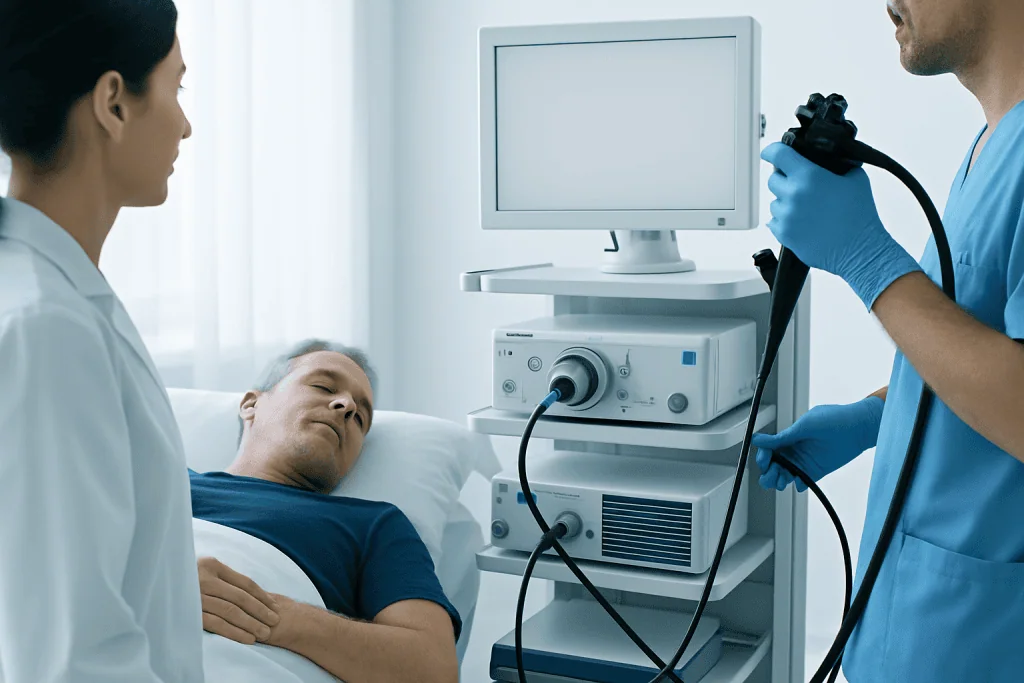
Upper endoscopy is usually performed after initial stabilization. During this procedure, a gastroenterologist passes a thin flexible tube with a camera through the mouth while the patient is sedated. The doctor identifies the ulcer, assesses its bleeding risk and can often deliver treatment immediately. This may include placing clips on a vessel, applying controlled heat, injecting medication around the bleeding site or using topical agents.
Testing for H. pylori is an important part of care. Results may guide antibiotic treatment after the acute episode. The clinician also reviews current medicines, especially NSAIDs, aspirin, corticosteroids, anticoagulants and antiplatelet medicines. These medicines should never be stopped independently; the prescriber weighs bleeding risk against the reason the medicine is needed.
If endoscopic therapy does not control the bleeding or bleeding returns, a team may consider catheter-based treatment by interventional radiology to block the bleeding vessel. Surgery is less common but may be necessary in selected severe cases.
The Procedure: Step by Step and Who May Need It
Endoscopic treatment is generally considered for people with confirmed or strongly suspected upper gastrointestinal bleeding, particularly when endoscopy shows active bleeding, a visible blood vessel or an adherent clot at an ulcer site. The approach is individualized according to the person’s overall health, the amount of bleeding, medicines they take and endoscopy findings.
Before the procedure, the team explains sedation, checks allergies and reviews medical history and medications. A bite guard is placed to protect the teeth and scope. Sedation is commonly used so the examination is more comfortable. The endoscope allows the doctor to inspect the upper digestive tract, rinse away blood or clot if necessary and precisely target the ulcer.
The treatment method depends on the ulcer’s appearance and location. Clips can mechanically close or compress a bleeding vessel. Thermal methods apply carefully controlled energy to seal a vessel, while injection therapy may help slow bleeding and improve visibility. More than one technique is often used because combination treatment can provide more reliable control for certain ulcers.
For people requiring specialist evaluation, gastroenterology care can coordinate endoscopy, medication management and follow-up planning. The care pathway may also involve emergency medicine, anesthesia, interventional radiology, surgery and hematology when clinically appropriate.
Benefits, Risks and Expected Results
The main benefit of endoscopic bleeding ulcer treatment is that it can diagnose the problem and stop or reduce bleeding during one procedure. Successful treatment may avoid surgery, lessen ongoing blood loss and allow earlier recovery. However, all treatment decisions depend on clinical stability and the ulcer’s features.
Rebleeding can occur, especially in people with a large ulcer, an ulcer involving a major vessel, continued NSAID exposure, untreated H. pylori infection or certain serious health conditions. Hospital observation after treatment allows the care team to monitor for recurrent bleeding, repeat blood tests when needed and respond promptly if symptoms return.
Upper endoscopy is generally safe, but possible complications include reaction to sedation, aspiration, injury to the digestive tract and perforation. Treatment-related complications are uncommon but can include tissue injury or a small tear. The clinician discusses relevant risks before the procedure and chooses the least invasive effective option.
Acid-suppressing medication, commonly a proton pump inhibitor, is often continued after discharge for a period determined by the ulcer and its cause. Follow-up may include confirmation that H. pylori has been eradicated, medication review and, in some circumstances, a repeat endoscopy to confirm healing.
How Long Does It Take to Get Rid of a Bleeding Ulcer?
Control of active bleeding may be achieved during the initial endoscopy, but the ulcer itself needs time to heal. Many uncomplicated peptic ulcers heal over several weeks with effective acid suppression and removal of the underlying cause. The exact timeline varies according to ulcer size and location, whether it was actively bleeding, the presence of H. pylori, smoking status and ongoing use of medicines that irritate the stomach lining.
Recovery from the acute bleed may take longer when a person has developed anemia or has other medical conditions. Energy levels can improve gradually as blood counts recover. Follow-up appointments are important because treatment may need adjustment and some ulcers require repeat assessment.
Symptoms improving does not always prove that the ulcer has healed completely. A clinician may recommend further testing, particularly for a stomach ulcer, persistent symptoms, unexplained weight loss, anemia or concern about another condition. Completing prescribed treatment and attending follow-up offer the best opportunity for safe healing.
What Should I Eat and Avoid After Having a Bleeding Ulcer?
After a bleeding ulcer, food choices should be guided by medical instructions, particularly immediately after endoscopy or hospitalization. Once a clinician confirms that eating and drinking are appropriate, many people can return gradually to regular, balanced meals. Smaller meals may feel more comfortable during recovery if nausea, fullness or upper abdominal discomfort is present.
No single diet cures an ulcer. It is sensible to limit foods or drinks that clearly worsen symptoms, such as alcohol, highly spicy foods, very fatty meals, coffee or other caffeinated drinks in some individuals. Smoking can delay healing and increase the risk of ulcers returning, so stopping smoking is strongly encouraged.
NSAIDs should generally be avoided unless the prescribing clinician decides they remain necessary and provides a protective plan. This includes over-the-counter pain medicines that may seem harmless. Acetaminophen (paracetamol) may be an alternative for some people, but it is still important to ask a healthcare professional which pain relief is appropriate.
A balanced diet with vegetables, fruit, whole grains, protein foods and adequate fluids supports overall recovery. If anemia developed from bleeding, a clinician may advise dietary changes, iron testing or iron treatment based on individual blood results rather than self-starting supplements.
What Are the Signs That a Stomach Ulcer Is Healing?
Possible signs of improvement include less burning or gnawing upper abdominal discomfort, better appetite, less nausea and a return of normal-colored stools. If anemia was present, tiredness, dizziness and breathlessness may improve gradually as bleeding stops and blood levels recover. These changes are reassuring, but they are not a substitute for scheduled follow-up.
Healing is best supported by taking acid-suppressing medication as prescribed, completing treatment for H. pylori when it is found and avoiding medicines that may harm the stomach lining. A negative follow-up test for H. pylori, when recommended, confirms that the infection has been cleared rather than relying on symptom changes alone.
Black stools, vomiting blood, recurrent dizziness, new fainting or increasing abdominal pain are not expected signs of healing. These symptoms need urgent medical assessment. A doctor may arrange repeat endoscopy for selected stomach ulcers or when there are persistent symptoms or other concerning findings.
Acibadem International’s multidisciplinary specialists and JCI-accredited hospitals can assess and treat gastrointestinal bleeding for international patients, with follow-up coordinated according to the individual clinical situation.
Frequently asked questions
Can a bleeding ulcer heal without treatment?
A bleeding ulcer should not be managed without medical assessment. Although bleeding may appear to stop, it can restart and an untreated underlying cause, such as H. pylori infection or NSAID use, can lead to further complications. Prompt evaluation helps identify the source and provide appropriate treatment.
Will every bleeding ulcer need surgery?
No. Many bleeding ulcers can be treated successfully with endoscopy and medication. Surgery is usually reserved for severe bleeding that cannot be controlled by endoscopic therapy or catheter-based radiologic treatment, or when another complication is present.
How long will I stay in hospital after a bleeding ulcer?
The length of stay varies according to the severity of bleeding, blood test results, endoscopy findings and other health conditions. Some people need only a short period of observation, while others require longer monitoring, treatment for anemia or additional procedures. The treating team can provide the most accurate estimate.
Can stress cause a bleeding ulcer?
Everyday emotional stress is not usually the direct cause of peptic ulcers. Most are linked to H. pylori infection or NSAID use. Severe physical stress during critical illness can contribute to stomach lining injury in hospitalized patients, and stress may make digestive symptoms feel worse.
Can I take aspirin after a bleeding ulcer?
Aspirin should not be started, stopped or restarted without advice from the clinician managing the ulcer and the clinician who prescribed aspirin. For some people, aspirin is essential for preventing heart or stroke events, so the decision requires an individualized balance of risks and benefits. Stomach-protective treatment may be recommended.
How can another bleeding ulcer be prevented?
Prevention includes treating H. pylori when present, avoiding unnecessary NSAIDs, taking prescribed acid-suppressing medication and not smoking. A medication review is especially important for people using aspirin, anticoagulants or antiplatelet drugs. Follow-up testing and appointments help confirm that the underlying cause has been addressed.
References
- American College of Gastroenterology
- National Institute of Diabetes and Digestive and Kidney Diseases
- National Health Service
- European Society of Gastrointestinal Endoscopy
This article is for general information only and is not a substitute for professional medical advice. Please consult a qualified doctor about your individual situation.
Persistent digestive symptoms? Get evaluated in Turkey
JCI-accredited · board-certified surgeons · reply within 24h
Add us as a Preferred Source to see more of our trusted health content across Google Search, AI Overviews and Discover.
Check your numbers in seconds
BMI, calories, due date, blood pressure and 30+ more clinical calculators — free, instant, doctor-reviewed ranges.