How Much Does a 3D Mammogram Cost: What Patients Really Pay
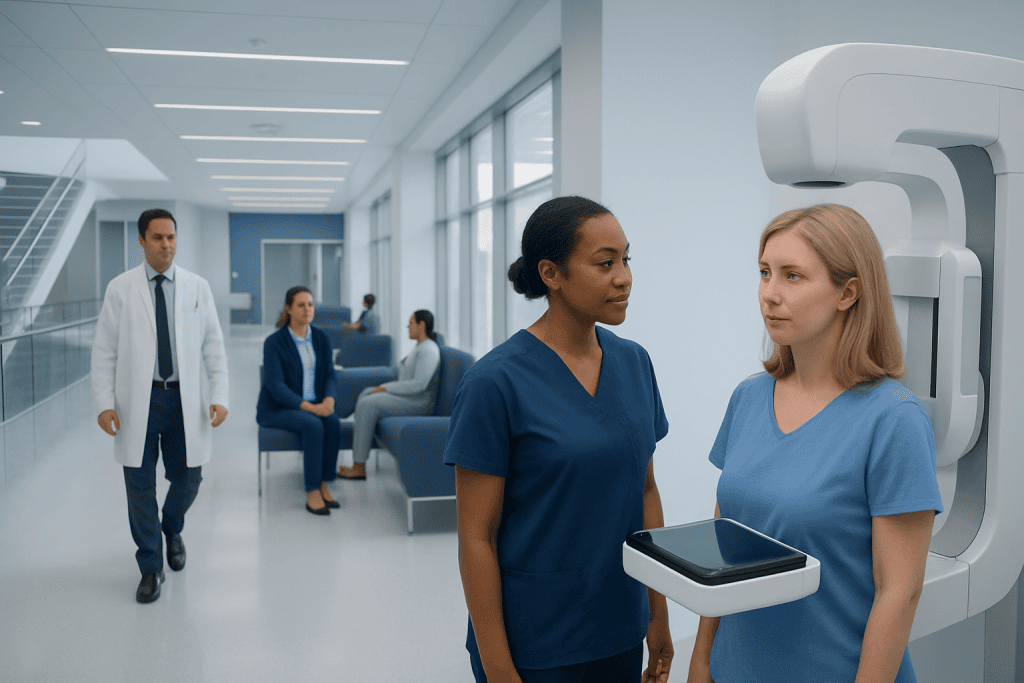
A 3D mammogram, also called digital breast tomosynthesis, creates multiple breast image slices to support breast cancer screening and evaluation. Out-of-pocket costs vary according to the country, facility, local pricing, insurance status and whether the test is screening or diagnostic.
Key Takeaways
- A 3D mammogram, also called digital breast tomosynthesis, creates multiple breast image slices to support breast cancer screening and evaluation.
- Out-of-pocket costs vary according to the country, facility, local pricing, insurance status and whether the test is screening or diagnostic.
- A diagnostic mammogram may involve additional images or ultrasound, which can affect the total charge.
- 3D mammography can improve detection of some cancers and may reduce callbacks, but it does not find every breast cancer.
- Breast symptoms should be assessed promptly rather than waiting for a routine screening appointment.
The cost of a 3D mammogram without insurance can vary widely because facilities set their own charges and the final bill depends on whether the examination is screening or diagnostic. Patients can request a written estimate in advance and ask which services, such as image interpretation or additional views, are included.
What does a 3D mammogram cost without insurance?
For people asking how much does a 3D mammogram cost without insurance, there is no single reliable price. The out-of-pocket amount depends on the imaging center, city or country, whether the appointment is a routine screening examination or a diagnostic evaluation, and which professional and facility fees are included. A center may bill separately for image acquisition, the radiologist’s interpretation, and any additional imaging needed after the initial examination.
The most useful way to plan is to contact the facility before booking. Patients can ask for a written self-pay estimate for “screening digital breast tomosynthesis” or “diagnostic digital breast tomosynthesis,” clarify whether the radiologist’s report is included, and ask what happens financially if additional views or an ultrasound are recommended. It is also reasonable to ask about self-pay policies, payment plans and whether a referral is required.
For those wondering how much does a 3D mammogram cost with Medicare, coverage and patient responsibility depend on the applicable program rules, the type of examination and the provider’s participation status. Patients should confirm benefits directly with their plan and the imaging center. In general, a symptom-based diagnostic examination may be handled differently from a routine screening examination.
How 3D mammography works
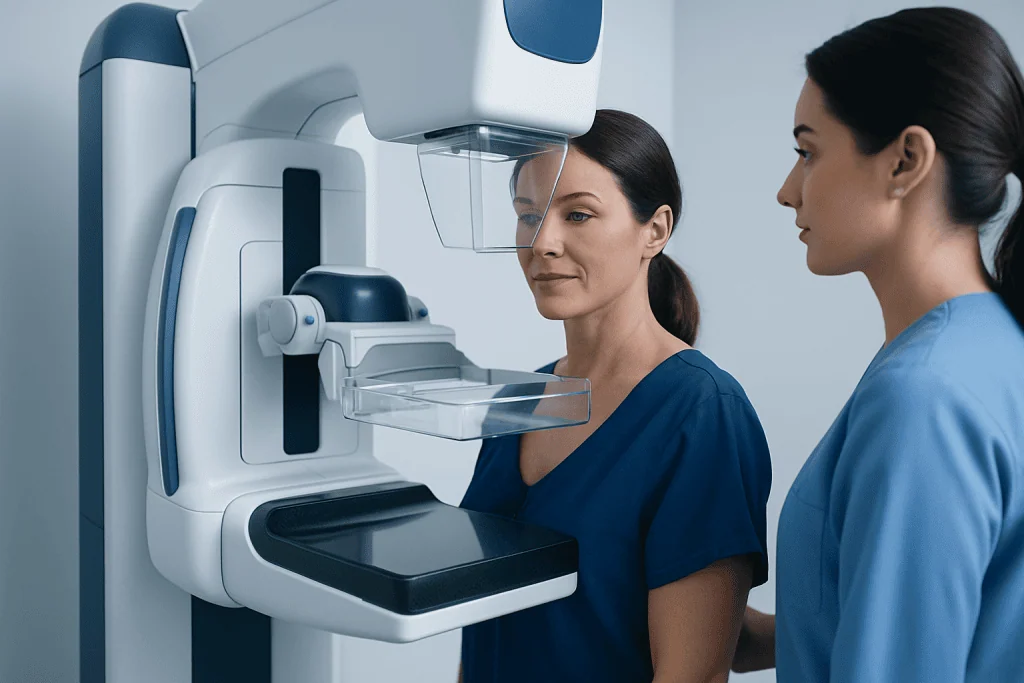
A 3D mammogram is a breast X-ray technique also known as digital breast tomosynthesis. During the examination, the breast is briefly compressed while the X-ray tube moves in an arc and captures multiple low-dose images from different angles. A computer reconstructs these images into thin layers that a radiologist can review one at a time.
Conventional 2D mammography produces flat images of the breast. In 3D imaging, looking through breast tissue in layers may make it easier to assess areas that could otherwise be obscured by overlapping tissue. Many facilities obtain 2D and 3D images together, while others create a synthesized 2D image from the 3D data. The exact approach depends on the equipment and local practice.
3D mammography is an imaging test, not a diagnosis. If an area looks unusual, the radiologist may recommend further mammographic views, an ultrasound, MRI, or tissue sampling. These follow-up steps are common parts of careful assessment and do not by themselves mean cancer is present.
Who may benefit and what happens during the procedure

3D mammography may be used for routine breast cancer screening and for diagnostic assessment when there is a breast symptom, an abnormal screening result, or a need to evaluate a known area of concern. Eligibility and screening intervals are individualized according to age, breast density, personal and family history, genetic factors, prior chest radiation and local guidance. A clinician can help determine the most suitable screening plan.
Before the appointment, patients are usually asked not to use deodorant, powder, lotion or perfume around the underarms or breasts, as some products can affect X-ray images. They should tell the team about pregnancy, possible pregnancy, breastfeeding, breast implants, prior breast surgery and any previous breast imaging performed elsewhere. Bringing prior images or arranging their transfer can help the radiologist compare changes over time.
During the examination, a technologist positions one breast at a time on the mammography unit and applies compression for several seconds while images are taken. Standard views are obtained for both breasts, and extra views may be requested when needed. The imaging portion is usually brief, though check-in and positioning take additional time. Most people can return to normal activities immediately afterward.
For patients who need individualized evaluation of breast symptoms or screening needs, breast cancer assessment and treatment may involve radiologists, breast surgeons, pathologists and medical oncologists working together when appropriate.
Are 3D mammograms worth the extra cost?
Whether a 3D mammogram is worth an additional personal expense depends on an individual’s clinical situation, access to care and insurance coverage. Compared with 2D mammography alone, 3D mammography can improve visualization through overlapping tissue and may identify some cancers that would otherwise be harder to see. It may also reduce the chance of being called back for further imaging in some settings.
However, “worth it” is not the same for every person. A 3D examination may cost more out of pocket, and it still cannot detect every cancer or remove the need for clinical follow-up of symptoms. A patient who has a lump, nipple discharge or a new breast change should seek diagnostic assessment even if a recent screening mammogram was normal.
Patients can ask their clinician whether 3D mammography is available and appropriate for their age, breast density and risk profile. They can also ask the imaging provider whether a lower-cost 2D option is available if cost is a barrier. The important priority is receiving recommended breast screening rather than delaying it because the preferred technology is not accessible.
How often is breast cancer missed on a 3D mammogram?
No mammogram, including 3D mammography, detects every breast cancer. It is not possible to give one missed-cancer rate that applies to every person because performance varies with breast density, tumor characteristics, age, image quality, the experience of the interpreting radiologist and whether the examination is screening or diagnostic.
3D mammography can make some cancers easier to see, particularly where normal tissue overlaps on a 2D image. Even so, certain cancers may not be visible on mammography, and dense breast tissue can make interpretation more challenging. A normal result is reassuring, but it does not mean that new or persistent breast symptoms should be ignored.
People at increased risk may need additional or different imaging alongside mammography, such as breast MRI, based on a clinician’s recommendation. The choice should be guided by personal risk assessment rather than breast density alone. Follow-up of an abnormal image or symptom is the best way to ensure that concerns are properly evaluated.
Is a 3D mammogram less painful than a regular mammogram?
A 3D mammogram generally requires breast compression in much the same way as a regular 2D mammogram. Compression is needed to hold the breast still, spread tissue for clearer images and limit radiation exposure. For this reason, most people should not expect 3D mammography to be substantially less uncomfortable than a conventional mammogram.
Discomfort is usually brief and varies from person to person. Scheduling the test when breasts are less tender, wearing a two-piece outfit, discussing prior pain with the technologist and asking the team to explain each step can help some patients feel more comfortable. The technologist can often adjust positioning while preserving image quality.
Severe or lasting pain is not expected. Mild temporary tenderness may occur after the examination, but patients should contact a clinician if they develop significant swelling, persistent pain, skin changes or any new breast concern.
What are the disadvantages of 3D mammography?
The main disadvantage of 3D mammography for some patients is cost. The answer to how much does a 3D mammogram cost out of pocket depends on local billing and whether extra imaging is required, so unexpected charges can be avoided by asking for an estimate beforehand. Availability may also be limited in some regions or facilities.
Like all mammography, 3D mammography uses a small amount of ionizing radiation. The dose is regulated and kept as low as reasonably achievable, but it is still an important consideration in pregnancy or when imaging is repeated. The imaging team should be told if pregnancy is possible so the examination can be planned safely.
Other limitations include false-positive findings, which can lead to additional imaging or biopsy, and false-negative results, meaning a cancer may not be detected. 3D imaging can also identify changes that are ultimately harmless. These possibilities are part of screening and diagnostic imaging, and results should be interpreted in the context of a person’s symptoms and risk factors.
When to seek medical care
People should arrange medical assessment promptly if they notice a new breast lump or thickening, a persistent focal breast pain, nipple discharge that is bloody or occurs without squeezing, a new inverted nipple, skin dimpling, redness that does not improve, or a change in breast size or shape. These symptoms are often caused by non-cancerous conditions, but they need appropriate evaluation.
A screening mammogram is intended for people without symptoms. Someone with a new breast concern may need diagnostic mammography, ultrasound or other testing rather than a routine screening booking. It is important not to wait for the next planned screening date if symptoms appear.
Acibadem International’s multidisciplinary specialists and JCI-accredited hospitals support international patients who need breast imaging, diagnosis and treatment planning. Patients should seek care from a qualified clinician or breast imaging service to discuss symptoms, screening timing and the most appropriate tests.
Frequently asked questions
What is the difference between a screening and diagnostic 3D mammogram?
A screening 3D mammogram is performed when a person has no breast symptoms and is attending routine breast cancer screening. A diagnostic 3D mammogram is used to investigate a symptom, an abnormal screening result or a specific area of concern. Diagnostic imaging may include more views or other tests, which can change the appointment length and cost.
Can someone request a 3D mammogram instead of a regular mammogram?
Many imaging centers offer 3D mammography, but availability, referral requirements and coverage differ. A patient can ask their clinician and imaging provider whether it is suitable and whether any additional charge may apply. Receiving recommended screening on time remains important even when 3D imaging is unavailable.
Does dense breast tissue mean a person needs 3D mammography?
Dense breast tissue can make mammograms more difficult to interpret because dense tissue and many abnormalities can both appear white on images. 3D mammography may improve visualization, but breast density alone does not determine which tests are needed. A clinician can consider density together with personal risk factors and local recommendations.
How soon are 3D mammogram results available?
Timing varies by facility and whether the examination is screening or diagnostic. Some centers provide results quickly, while others send a report after a radiologist has reviewed the images and compared prior studies. Patients should ask the facility how and when results will be communicated.
Can a 3D mammogram detect all breast cancers?
No. Although 3D mammography can improve detection of some cancers, it does not identify every cancer and cannot replace medical assessment of symptoms. New lumps, nipple changes, unusual discharge or persistent focal pain should be evaluated even after a normal mammogram.
Is there any recovery time after a 3D mammogram?
There is usually no recovery period, and most people return to normal activities immediately. Some temporary pressure-related tenderness can occur. A clinician should be contacted if significant or persistent symptoms develop after the examination.
References
- American Cancer Society
- U.S. Food and Drug Administration
- Centers for Disease Control and Prevention
- National Cancer Institute
- Radiological Society of North America
This article is for general information only and is not a substitute for professional medical advice. Please consult a qualified doctor about your individual situation.
Explore treatments in Turkey — costs, top hospitals & a free quote
JCI-accredited · board-certified surgeons · reply within 24h
Add us as a Preferred Source to see more of our trusted health content across Google Search, AI Overviews and Discover.