Glp-1 and Colonoscopy: Preparation, Procedure and Results
GLP-1 receptor agonists may slow stomach emptying and can contribute to nausea, vomiting, constipation, or inadequate bowel cleansing in some people. There is no single medication-holding schedule that is right for every patient; the decision depends on the medicine, dose schedule, symptoms, diabetes control, and sedation plan.
Key Takeaways
- GLP-1 receptor agonists may slow stomach emptying and can contribute to nausea, vomiting, constipation, or inadequate bowel cleansing in some people.
- There is no single medication-holding schedule that is right for every patient; the decision depends on the medicine, dose schedule, symptoms, diabetes control, and sedation plan.
- A clear-liquid diet and prescribed bowel preparation are essential for a high-quality colonoscopy, even if a GLP-1 medicine is temporarily paused.
- Contact the endoscopy team early if constipation, vomiting, severe bloating, or difficulty completing the preparation occurs.
- Most people return home the same day after colonoscopy and can usually resume normal eating and medicines according to their care team's advice.
GLP-1 medicines such as semaglutide and tirzepatide do not automatically prevent a colonoscopy, but they can change how preparation is planned. Patients should tell the endoscopy team about every medicine they take and follow the specific instructions given by their prescribing clinician and colonoscopy provider.
GLP-1 and Colonoscopy: What Patients Need to Know
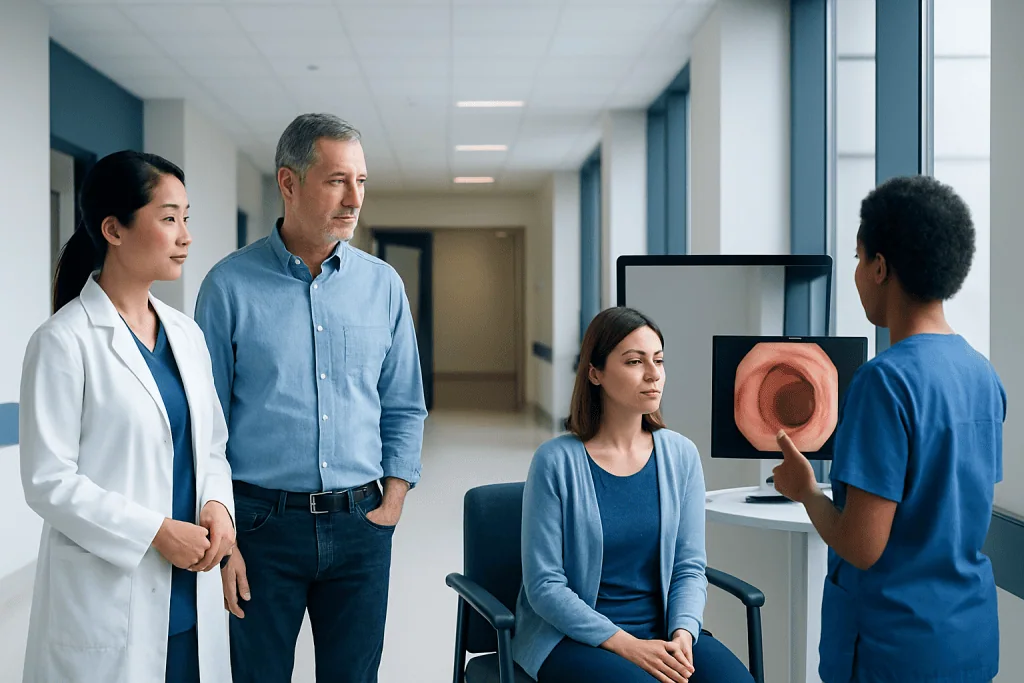
GLP-1 and colonoscopy can be safely managed with an individualized plan. GLP-1 receptor agonist medicines, including semaglutide, tirzepatide, liraglutide, and dulaglutide, may slow how quickly the stomach empties and can sometimes cause constipation, nausea, or vomiting. These effects may influence bowel preparation quality and sedation planning.
A colonoscopy examines the lining of the rectum and large intestine with a flexible camera. It may be recommended for bowel symptoms, colorectal cancer screening, follow-up after polyps, or monitoring certain digestive conditions. A clean bowel is essential because leftover stool can hide polyps or other changes, potentially requiring an earlier repeat examination.
Patients should not stop a GLP-1 medicine on their own. The colonoscopy team, anesthesiology team when involved, and the clinician who prescribed the medicine can balance digestive symptoms, the reason for treatment, blood glucose management, and the planned procedure. Early communication is the most important part of safe glp1 and colonoscopy preparation.
How GLP-1 Medicines Can Affect Colonoscopy Preparation
GLP-1 medicines act partly by slowing digestion and increasing feelings of fullness. This can be beneficial for blood glucose management and weight management, but it may also lead to constipation or make it harder for some patients to tolerate the large volume of liquid used for bowel preparation. People who have recently started treatment or increased their dose may be more likely to have digestive side effects.
These medicines may also leave food or fluid in the stomach for longer than expected. This matters when sedation is used because material in the stomach can increase the risk of regurgitation and aspiration, meaning stomach contents entering the lungs. For this reason, fasting and medication instructions may differ according to a person’s symptoms and the type of sedation planned.
Not everyone using a GLP-1 medicine has poor preparation or delayed stomach emptying. The care team will consider factors such as ongoing nausea, vomiting, abdominal bloating, severe constipation, diabetes, kidney disease, previous preparation quality, and whether the medicine is taken daily or weekly. Following the supplied diet and bowel-cleansing instructions remains essential.
How Long Should You Be Off GLP Before a Colonoscopy?
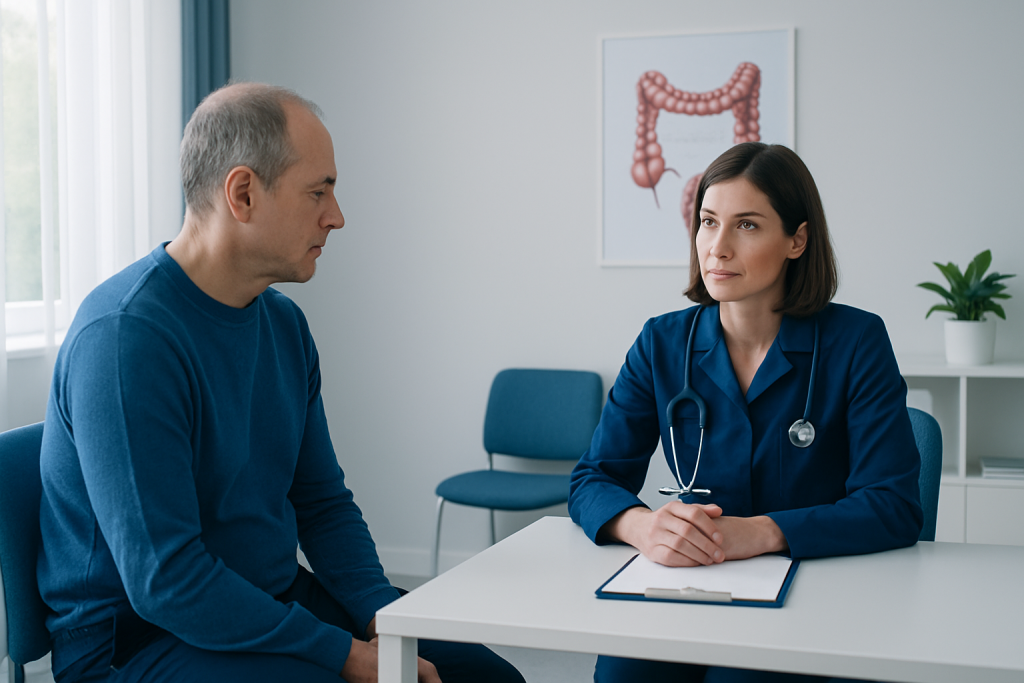
There is no universal answer to how long a person should be off GLP before a colonoscopy. Guidance has evolved, and many patients can continue their GLP-1 medicine with an adjusted preparation plan, while others may be advised to pause it temporarily. The correct plan should come directly from the clinician performing the procedure and the clinician managing the medicine.
A temporary pause may be more likely when a patient is in a dose-escalation phase, has significant nausea or vomiting, experiences marked bloating or constipation, has known delayed stomach emptying, or will receive deep sedation. Some patients may instead be asked to follow a more restrictive liquid diet for a longer period or use a modified bowel-preparation regimen.
For people using a GLP-1 medicine for diabetes, withholding treatment can affect blood glucose levels. They may need individual advice on glucose monitoring, food intake, and other diabetes medicines while following a clear-liquid diet. The patient should ask for instructions well before the appointment rather than making last-minute medication changes.
Can Semaglutide Affect Colonoscopy Preparation?
Yes, semaglutide can affect colonoscopy preparation in some people. Semaglutide is a GLP-1 receptor agonist that may cause constipation, reduced appetite, nausea, or slower stomach emptying. Constipation can make complete bowel cleansing more difficult, while nausea may make drinking the preparation solution challenging.
Patients taking semaglutide should inform the endoscopy service when booking the test and again during the pre-procedure assessment. They should report how often they have bowel movements, whether they have had vomiting or severe nausea, and whether the dose has recently changed. This information helps the team decide whether a modified diet, a different preparation schedule, or medication adjustments are appropriate.
It is particularly important not to substitute food choices or reduce the prescribed bowel-preparation amount because of reduced appetite. The preparation works by clearing stool from the colon, not by limiting ordinary meals alone. If a person cannot keep the preparation down, they should contact the endoscopy team promptly for guidance.
How Long Before a Colonoscopy Should I Stop Tirzepatide?
Tirzepatide works on both GIP and GLP-1 pathways and can also slow gastric emptying, especially after starting treatment or increasing the dose. Whether tirzepatide should be paused before colonoscopy depends on the patient’s individual risk factors, current digestive symptoms, diabetes status, and the sedation plan. The prescribing clinician and colonoscopy provider should give the final timing instructions.
Patients should not assume that a weekly injection must always be skipped or that it is always safe to continue. A patient with no significant gastrointestinal symptoms may receive different advice from a person with ongoing vomiting, troublesome constipation, or suspected delayed stomach emptying. Individualized instructions also reduce the risk of unstable blood glucose in people treated for type 2 diabetes.
When tirzepatide is temporarily held, it should usually be restarted only as advised after the procedure. The patient should clarify whether to take a missed dose, wait until the next scheduled dose, or make any changes to other diabetes treatments. A pharmacist or prescribing clinician can help answer medicine-specific questions.
What Happens During Colonoscopy and What Are the Benefits?
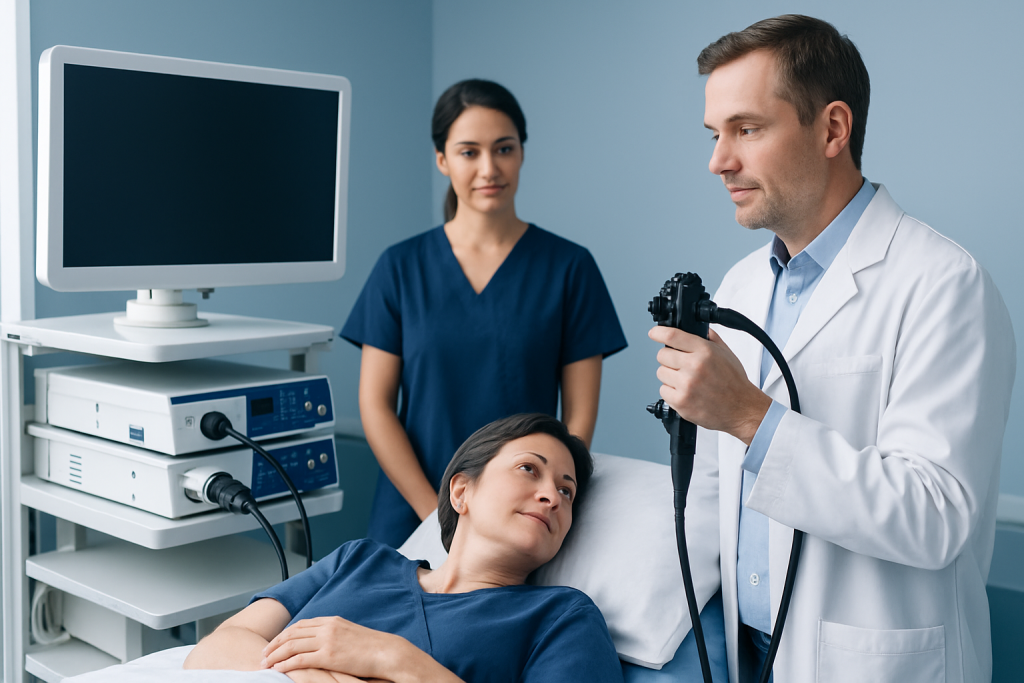
Before the procedure, the patient follows a low-residue or clear-liquid diet as instructed and drinks the prescribed bowel-cleansing solution. On arrival, the team reviews medicines, allergies, medical history, fasting status, and preparation results. Sedation is commonly offered, and vital signs are monitored throughout the examination.
During colonoscopy, a gastroenterologist passes a thin, flexible tube with a light and camera through the rectum and carefully examines the colon. Air or carbon dioxide may be introduced to improve visibility. Small tissue samples may be taken, and many polyps can be removed during the same procedure without the patient feeling this.
The main benefit is direct assessment of the colon, which can identify inflammation, bleeding sources, polyps, and some cancers. Removing certain polyps can help prevent colorectal cancer. People seeking more information about the examination can discuss colonoscopy evaluation and treatment planning with their gastroenterology team.
Colonoscopy is generally safe, but uncommon risks include bleeding, a tear in the bowel wall, reaction to sedation, infection, and missed findings. The likelihood of some risks may be higher if a large polyp is removed or if the bowel was not fully clean. The clinician explains personal risks before consent.
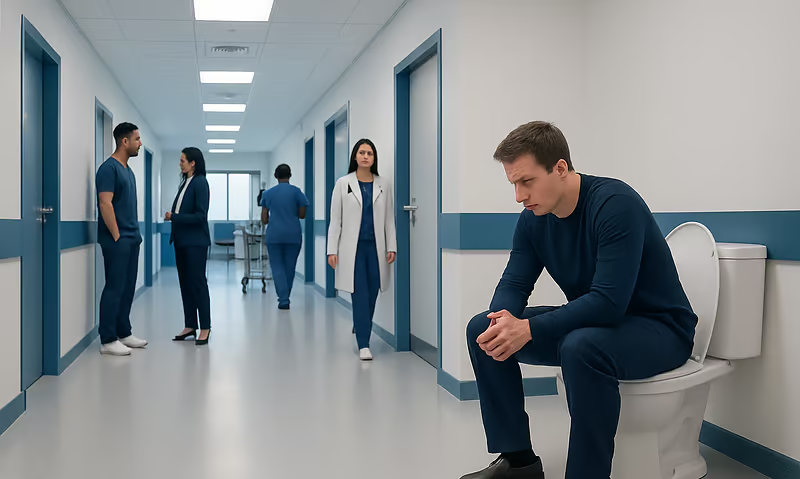
Will I Be on the Toilet All Night With Colonoscopy Prep?
Frequent, urgent bowel movements are expected after colonoscopy preparation begins. The exact timing varies with the preparation product, the dose schedule, a person’s usual bowel habits, and whether a split-dose regimen is used. Many people spend several hours close to a toilet, and some may have bowel movements during the evening or early morning.
Split-dose preparation, in which part of the cleansing medicine is taken the evening before and part on the day of the procedure, is often used because it can improve cleansing quality. The endoscopy unit will state exactly when to start each part. Patients should arrange easy bathroom access, wear comfortable clothing, use soft toilet tissue or protective skin ointment if advised, and avoid making important plans during the preparation window.
The goal is usually watery, yellow-to-clear bowel output with little or no solid material, but patients should follow the instructions from their own unit. If output remains brown or solid near the stated deadline, or if severe abdominal pain, repeated vomiting, fainting, or inability to drink fluids develops, the endoscopy team should be contacted.
Recovery, Self-Care and When to Seek Medical Care
After a sedated colonoscopy, the patient is observed until alert enough to go home. Mild bloating, gas, and short-lived cramping can occur because air or carbon dioxide was used during the examination. Most people can resume light eating and regular activities the next day, but they should not drive, drink alcohol, operate machinery, or make important decisions for the period specified after sedation.
Medication restart instructions vary. A person should ask specifically when to resume a GLP-1 medicine, diabetes treatments, blood thinners, iron supplements, and other regular medicines. If a polyp was removed or a biopsy was taken, the clinician may give additional diet, activity, or medication guidance while laboratory results are pending.
Medical care should be sought urgently for severe or worsening abdominal pain, a swollen hard abdomen, persistent vomiting, fever, dizziness or fainting, trouble breathing, or heavy rectal bleeding. A small amount of blood after polyp removal may occur, but ongoing bleeding or bleeding with weakness needs prompt medical assessment.
For international patients, Acibadem International’s multidisciplinary specialists and JCI-accredited hospitals can coordinate gastroenterology assessment, colonoscopy planning, sedation review, and medication guidance. Patients should bring a complete list of medicines, including injectable treatments, supplements, and recent dose changes.
Frequently asked questions
Should I tell the colonoscopy clinic that I take a GLP-1 medicine?
Yes. The patient should tell the clinic at the time of booking and during pre-procedure screening. The team needs the medication name, dose schedule, reason for use, recent dose changes, and any symptoms such as nausea, vomiting, bloating, or constipation.
Can I take my GLP-1 injection while on a clear-liquid diet?
The answer depends on the individual's preparation and sedation plan. Some patients may continue treatment, while others may be asked to delay a dose temporarily. A patient should follow instructions from the prescribing clinician and endoscopy team rather than deciding independently.
Why is bowel cleansing important before colonoscopy?
A clean colon allows the doctor to see the intestinal lining clearly and identify polyps, inflammation, bleeding, or other changes. If stool remains in the bowel, important findings can be missed and the test may need to be repeated sooner.
What if I become constipated while taking semaglutide or tirzepatide before my test?
The patient should contact the endoscopy team well before the procedure, particularly if bowel movements are infrequent or difficult. The team may recommend an adjusted diet or bowel-preparation plan. Patients should not add laxatives or alter their prescription medicines unless advised.
Can diabetes medicines be taken on the day of colonoscopy?
Diabetes medicine instructions must be individualized because fasting and bowel preparation can change blood glucose levels. The patient may need to check glucose more often and adjust some medicines. Written guidance should be requested from the diabetes and endoscopy teams before the preparation begins.
When can I eat after a colonoscopy?
Many people can begin with fluids and a light meal once they are awake and no longer nauseated, unless the clinician gives different instructions. If a procedure such as polyp removal was performed, the care team may recommend specific short-term dietary or medicine precautions.
References
- American Society for Gastrointestinal Endoscopy
- American Gastroenterological Association
- American Society of Anesthesiologists
- National Institute of Diabetes and Digestive and Kidney Diseases
- U.S. Food and Drug Administration
This article is for general information only and is not a substitute for professional medical advice. Please consult a qualified doctor about your individual situation.
Persistent digestive symptoms? Get evaluated in Turkey
JCI-accredited · board-certified surgeons · reply within 24h
Add us as a Preferred Source to see more of our trusted health content across Google Search, AI Overviews and Discover.