Phytophotodermatitis Treatment: How It Works, Results and What to Expect

Phytophotodermatitis is a skin reaction caused when certain plant chemicals contact the skin and are then activated by sunlight, especially UVA light. Early care focuses on gentle skin care, cool compresses, sun protection and avoiding further exposure to the triggering plant or substance.
Key Takeaways
- Phytophotodermatitis is a skin reaction caused when certain plant chemicals contact the skin and are then activated by sunlight, especially UVA light.
- Early care focuses on gentle skin care, cool compresses, sun protection and avoiding further exposure to the triggering plant or substance.
- Blisters, severe pain, widespread rash, eye involvement or signs of infection require prompt medical assessment.
- Post-inflammatory hyperpigmentation is common and may fade gradually over weeks to months; strict sun protection helps prevent darkening.
- A dermatologist can confirm the diagnosis and discuss treatment for persistent discoloration or an uncertain rash.
Phytophotodermatitis treatment usually involves stopping further plant and sun exposure, cooling and protecting the affected skin, and using clinician-guided medicines when inflammation is significant. The active rash often settles within days to weeks, while temporary dark discoloration can take longer to fade.
Overview: what phytophotodermatitis treatment involves
Phytophotodermatitis treatment is designed to calm the skin reaction, prevent additional ultraviolet exposure and support healing. It is not usually a single procedure. Most people improve with careful skin protection and symptom relief, while a clinician may recommend prescription treatment for extensive inflammation, painful blisters or persistent pigment changes.
Phytophotodermatitis occurs after skin comes into contact with light-sensitising chemicals called furocoumarins, followed by sunlight exposure. Common sources include limes and other citrus fruits, celery, parsley, parsnip, figs and some wild plants. The rash may appear as streaks, drips, handprints or irregular patches, reflecting where juice or plant material touched the skin.
It can be mistaken for an allergy, chemical burn, infection or another sun-related skin condition. Unlike a classic immediate allergy, the reaction commonly develops hours to a few days after the combined plant and sun exposure. A careful history and skin examination are therefore important parts of effective care.
How treatment works and who may need medical support
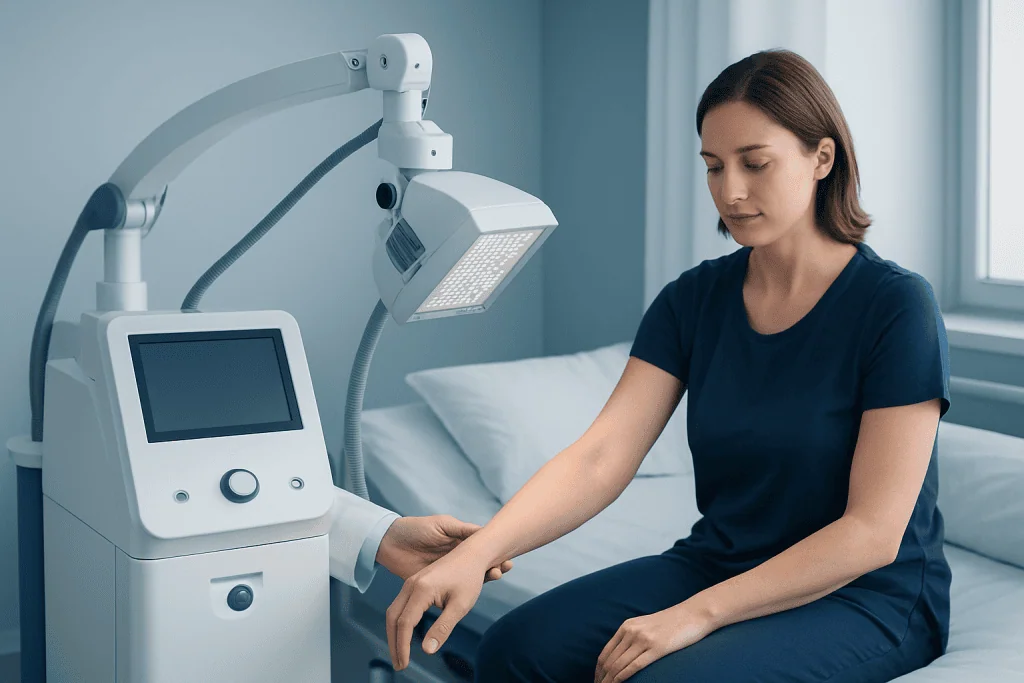
Treatment works by reducing inflammation and protecting injured skin while the body repairs the affected area. Cool compresses, bland fragrance-free moisturisers and non-adherent dressings can ease discomfort. Keeping the area out of direct sun is particularly important because ultraviolet exposure may worsen inflammation and make later dark marks more noticeable.
People with mild redness or limited discoloration can often manage symptoms at home after speaking with a pharmacist or healthcare professional if needed. A clinician should assess people with large areas of involvement, significant swelling, blistering, pain, lesions on the face or genitals, or a rash affecting a child or someone with a weakened immune system.
There is no special test required in every case. However, a dermatologist may evaluate an unclear rash to exclude contact dermatitis, burns, bacterial skin infection or other forms of photosensitivity. This is especially useful when symptoms recur without an obvious exposure or do not follow the expected healing pattern.
- Potential benefits of early care include less discomfort, protection of the skin barrier and reduced risk of further UV-related darkening.
- Possible treatment risks depend on the approach used; inappropriate use of strong topical medicines, exfoliants or bleaching products can irritate healing skin.
- Home remedies containing citrus, fragrance or essential oils should not be applied to the rash because they may cause further irritation or photosensitivity.
Step-by-step: what to do after a suspected exposure

If plant or fruit juice is still on the skin, gently wash the area with soap and lukewarm water as soon as possible. Remove contaminated clothing, wash it before wearing it again and avoid sunlight on exposed skin. This may limit continuing contact, although washing may not fully prevent a reaction once light-sensitive chemicals have already entered the skin.
For an established rash, use cool wet compresses for short periods and apply a simple, fragrance-free moisturiser. Loose clothing can reduce rubbing. Intact blisters should generally not be deliberately popped, as the blister roof helps protect the skin beneath. If a blister breaks, keep the area clean and cover it with a sterile non-stick dressing.
A clinician may recommend an anti-inflammatory topical medicine for selected cases, or other symptom-directed treatment when appropriate. Oral pain relief may be considered based on a person’s health history and other medicines. Prescription treatment should be used only as advised, particularly on the face, skin folds or large areas of skin.
During recovery, broad-spectrum sunscreen with high UVA and UVB protection, shade and protective clothing are key. Sunscreen should be reapplied according to its label when outdoors, but clothing and shade offer more dependable protection for a tender or healing area.
How long does it take for phytophotodermatitis to heal?
The initial inflammation often improves over several days to a few weeks, depending on the amount of exposure, the strength of sunlight and whether blistering occurred. Redness may darken before it starts to settle, and peeling can occur as the skin heals. More severe reactions may take longer and should be reviewed by a healthcare professional.
The brown, grey or darker patches that remain after inflammation are called post-inflammatory hyperpigmentation. These marks are not usually a sign of ongoing injury or infection, but they can remain visible for weeks or months. In some skin tones or after a more intense reaction, fading may take longer.
Protecting the skin from sunlight throughout this period is one of the most helpful steps. New UV exposure can deepen pigmentation and slow its gradual fading. Avoid picking, scrubbing or using aggressive products on the area, as irritation can prolong discoloration.
How to get rid of hyperpigmentation from phytophotodermatitis
The first-line approach to hyperpigmentation from phytophotodermatitis is patience combined with consistent sun protection. Use protective clothing, seek shade and apply a broad-spectrum sunscreen to healed exposed skin. This reduces the chance that sunlight will stimulate additional pigment production.
Once the skin is fully healed and no longer red, blistered, cracked or sore, a dermatologist may discuss pigment-fading treatments suited to the person’s skin type and the location of the marks. Options may include carefully selected topical agents or dermatology procedures, but these are not appropriate for everyone and should not be started on actively inflamed skin.
Over-the-counter exfoliating acids, retinoid products and unregulated lightening creams may cause irritation, especially if used too soon. Irritation itself can worsen post-inflammatory pigmentation. A gradual, clinician-guided plan is safer when marks are distressing, widespread or not fading as expected.
Does phytophotodermatitis affect everyone?
No. Anyone can develop phytophotodermatitis when enough of a photosensitising plant chemical and UVA light reach the skin, but not every exposure causes a visible reaction. The likelihood and severity vary with the amount and type of plant material, moisture on the skin, duration and intensity of sun exposure, and individual skin response.
Outdoor work, gardening, food preparation, bartending and travel in sunny climates can increase opportunities for exposure. For example, lime juice on the hands followed by strong sunlight can create splash-like or fingerprint-shaped patches. Some reactions may become apparent only after the person has left the sun.
Prevention is practical rather than restrictive: wash skin after handling culprit plants or fruits, wear gloves and long sleeves for gardening or food preparation when useful, and cover exposed skin or use broad-spectrum sun protection. Knowing the prior trigger is the best way to avoid a repeat episode.
Can photodermatitis be cured?
Photodermatitis is a broad term for inflammation of the skin triggered or worsened by light. Whether it can be cured depends on its cause. Phytophotodermatitis is usually a one-time, self-limited phototoxic reaction: once the plant chemical is removed, the skin heals and future episodes can often be prevented by avoiding the same combination of exposure and sunlight.
Other kinds of photodermatitis may relate to medicines, skin conditions, immune responses or underlying medical problems. In those situations, treatment focuses on identifying and managing the cause, reducing light exposure and controlling symptoms. A recurring or unexplained sun-sensitive rash deserves medical assessment rather than self-treatment alone.
For international patients, Acibadem International’s multidisciplinary specialists and JCI-accredited hospitals can assess persistent or uncertain skin reactions and coordinate dermatology care when needed.
When to seek medical care
Medical care is recommended if the rash is severe, rapidly spreading, very painful, extensively blistered, involves the eyes, face or genitals, or is accompanied by fever or feeling unwell. Seek timely assessment if there is increasing warmth, pus, worsening swelling, red streaks or other possible signs of skin infection.
A doctor should also review a rash that has no clear plant-and-sun trigger, keeps returning, does not begin improving within a reasonable period, or causes substantial concern about appearance or symptoms. A clinician can help distinguish phytophotodermatitis from other conditions that need different treatment.
Until assessment is available, avoid further sun exposure to the area, do not apply potentially irritating products and keep any broken skin clean and protected. Bringing photographs of the rash’s progression and details of recent foods, plants, work tasks, medicines and sun exposure can help with diagnosis.
Frequently asked questions
Is phytophotodermatitis contagious?
No. Phytophotodermatitis is not contagious because it is a phototoxic skin reaction, not an infection. It cannot be passed to another person through touch, shared clothing or close contact.
Can phytophotodermatitis leave permanent marks?
Most pigment changes fade gradually, but the process may be slow. Persistent discoloration is more likely after a severe reaction or repeated sun exposure to the healing area, so careful UV protection is important.
Should blisters from phytophotodermatitis be popped?
Blisters should generally be left intact because the skin covering helps reduce infection risk and protects the area. Large, painful or widespread blisters should be assessed by a healthcare professional, who can advise on safe wound care.
Can sunscreen prevent phytophotodermatitis?
Sunscreen may reduce UV exposure, but washing away plant chemicals promptly and covering the skin are important preventive measures. Protective clothing and shade are especially useful after handling plants or citrus fruits that may trigger a reaction.
What plants commonly cause phytophotodermatitis?
Limes, lemons, celery, parsley, parsnip, figs and certain wild plants can contain light-sensitising substances. Exposure does not always cause a reaction, but sunlight after skin contact increases the risk.
Is phytophotodermatitis the same as a citrus allergy?
Not usually. Phytophotodermatitis is a light-dependent toxic reaction caused by chemicals on the skin plus ultraviolet light, while an allergy involves an immune response and may occur without sun exposure. A clinician can help clarify the cause when symptoms are uncertain.
References
- American Academy of Dermatology Association
- DermNet
- National Health Service
- Merck Manual Consumer Version
This article is for general information only and is not a substitute for professional medical advice. Please consult a qualified doctor about your individual situation.
Explore treatments in Turkey — costs, top hospitals & a free quote
JCI-accredited · board-certified surgeons · reply within 24h
Add us as a Preferred Source to see more of our trusted health content across Google Search, AI Overviews and Discover.