Astrocytoma Treatment: How It Works, Results and What to Expect

Astrocytoma treatment is planned by a multidisciplinary brain tumor team and tailored to the individual tumor. Surgery is often used to obtain a diagnosis, relieve pressure and remove as much tumor as can be done safely.
Key Takeaways
- Astrocytoma treatment is planned by a multidisciplinary brain tumor team and tailored to the individual tumor.
- Surgery is often used to obtain a diagnosis, relieve pressure and remove as much tumor as can be done safely.
- Radiation therapy and chemotherapy may be advised after surgery or for tumors that cannot be fully removed.
- Outlook varies widely; tumor grade, molecular testing, age, functional status and response to treatment all matter.
- New or worsening seizures, severe headaches, weakness, speech difficulty or confusion need prompt medical assessment.
Astrocytoma treatment is individualized and may involve careful monitoring, surgery, radiation therapy, chemotherapy or targeted approaches. The recommended plan depends mainly on the tumor’s grade, molecular features, location, growth pattern and the person’s symptoms and overall health.
Astrocytoma Treatment: How It Works
Astrocytoma treatment aims to control the tumor, preserve neurological function and manage symptoms. Depending on the type of astrocytoma, this can mean active monitoring with regular scans, surgery, radiation therapy, chemotherapy, or a combination of these approaches. A specialist team reviews imaging, pathology and molecular test results to recommend the safest and most effective plan.
Astrocytomas are tumors that develop from astrocytes, supportive cells within the brain and spinal cord. They are part of a broader group called gliomas. Some grow slowly and may remain stable for years, while higher-grade tumors tend to grow and recur more quickly. Astrocytoma assessment therefore focuses not only on what the tumor looks like on a scan, but also on its grade and genetic characteristics.
Treatment decisions are usually made by neurosurgeons, neuro-oncologists, radiation oncologists, neuroradiologists, neuropathologists, nurses and rehabilitation professionals. The team balances tumor control with the need to protect important functions such as movement, language, memory, vision and independence.
How Is an Astrocytoma Assessed Before Treatment?
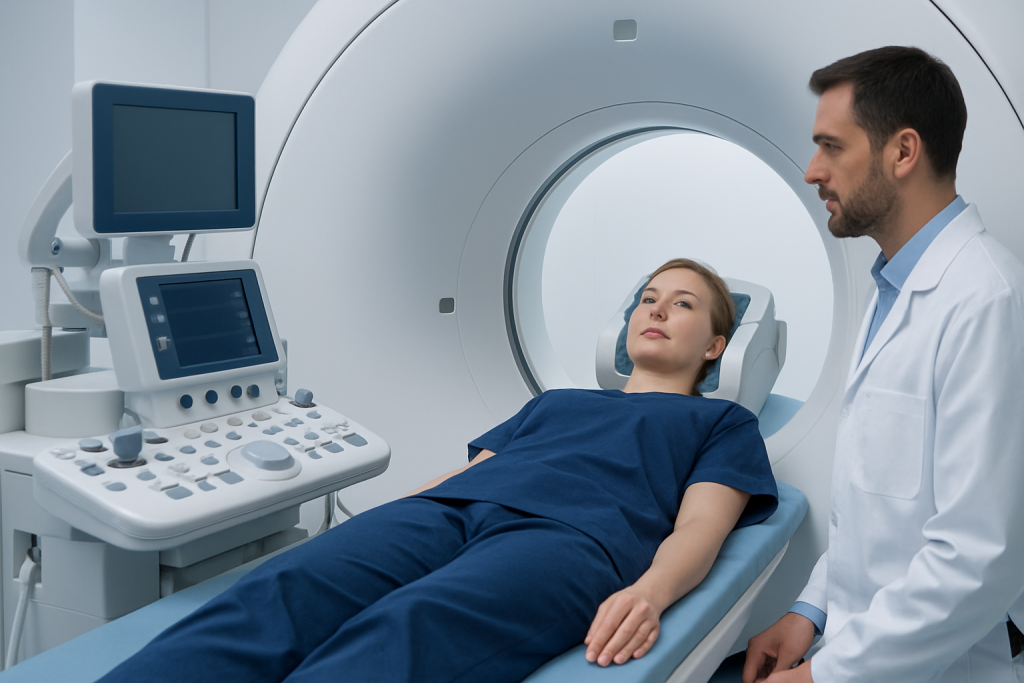
Before treatment begins, doctors usually obtain detailed magnetic resonance imaging (MRI) of the brain or spine. MRI helps show the tumor’s size, location, relationship to nearby structures and features that may suggest a more slowly or more rapidly growing tumor. Further scans may be needed after surgery and throughout follow-up.
A tissue diagnosis is often important. This may be obtained during tumor removal or through a stereotactic biopsy, in which a small tissue sample is collected using image guidance. A neuropathologist examines the sample to determine the tumor type and grade. Molecular testing may assess markers such as IDH mutation status and other changes that help refine diagnosis, estimate behavior and guide treatment planning.
Doctors also assess symptoms, general health, medicines, seizure history and daily functioning. For a tumor close to areas controlling speech or movement, specialized functional imaging, neuropsychological testing or awake mapping during surgery may help the team plan a safer procedure.
Who May Be a Candidate for Astrocytoma Treatment?
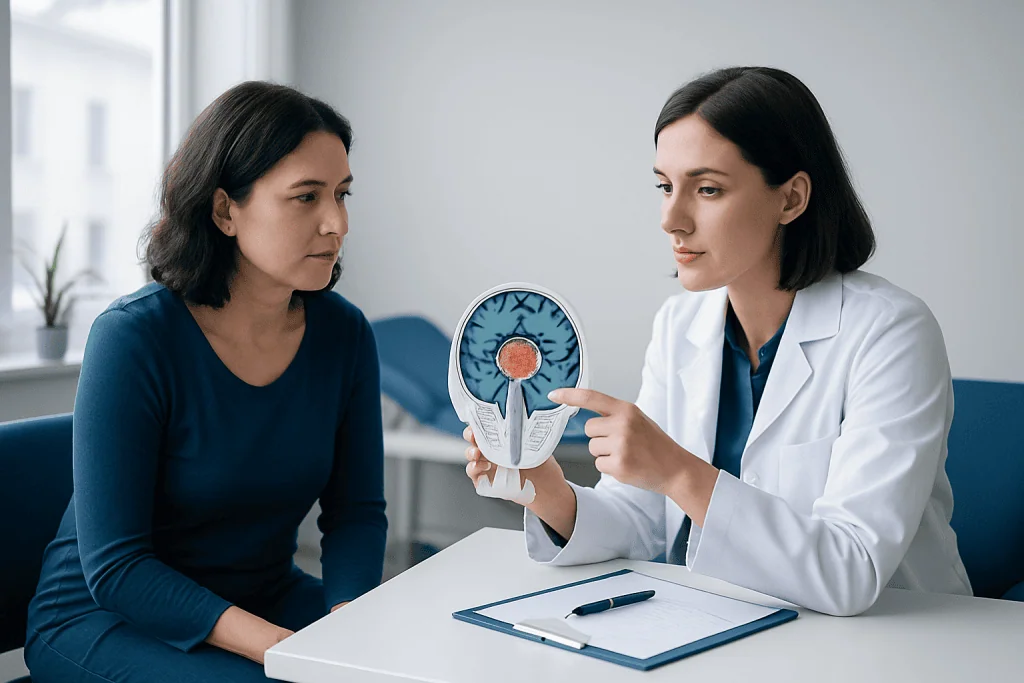
Nearly everyone diagnosed with an astrocytoma benefits from evaluation by an experienced brain tumor team, but the type and timing of treatment vary. A small, low-grade tumor causing few or no symptoms may sometimes be followed with planned MRI scans. This approach, often called active surveillance, is not the same as ignoring the tumor; it involves structured review and clear plans for acting if growth or symptoms develop.
Surgery may be recommended when a tumor is causing symptoms, appears to be growing, needs tissue diagnosis, or can be safely removed to reduce tumor burden. Radiation therapy and drug treatments may be considered for higher-grade astrocytomas, residual tumor after surgery, recurrence, or tumors located where complete removal would carry unacceptable risks.
Suitability for each option depends on the tumor’s position, expected effects on brain function, pathology results, age, overall medical condition and personal priorities. People are encouraged to discuss the goal of each proposed treatment, expected benefits, possible limitations and alternatives before making decisions.
Astrocytoma Surgery: Step by Step
For many patients, brain tumor surgery is a central part of astrocytoma treatment. Its goals may include confirming the diagnosis, reducing pressure inside the skull, improving symptoms and removing as much visible tumor as possible without harming essential neurological function. Complete removal is not always possible or appropriate, particularly when tumor cells involve vital brain regions.
Before surgery, the team reviews scans, medical history and anesthesia safety. The operation commonly involves a craniotomy, where a temporary opening is made in the skull to access the tumor. The surgeon uses high-resolution imaging, microscopic techniques and, in selected cases, navigation systems or functional mapping to distinguish tumor from healthy tissue as safely as possible.
Some tumors near language or movement areas are treated with awake craniotomy techniques. During selected parts of the operation, the person may perform simple tasks while the surgical team maps brain function. This can help protect critical areas. After removal or biopsy, the tissue is examined in the laboratory, and the final pathology report guides decisions about additional therapy.
- Preparation: imaging, blood tests, medication review and anesthesia assessment.
- Procedure: tumor removal or biopsy using microsurgical and image-guided techniques.
- Pathology: tumor grade and molecular features are evaluated.
- Next steps: follow-up MRI and discussion of observation, radiation, chemotherapy or clinical trial options where appropriate.
Radiation, Chemotherapy and Other Treatment Options
Radiation therapy uses carefully planned high-energy radiation to damage tumor cells and reduce the chance of further growth. It may be given after surgery for certain tumors, when a tumor cannot be safely removed, or if it returns. Treatment is typically delivered in multiple outpatient sessions over several weeks, although the schedule varies by diagnosis and treatment approach.
Chemotherapy uses medicines that circulate through the body or are taken by mouth to slow or damage tumor cells. Temozolomide is commonly used for certain higher-grade gliomas, often alongside and after radiation therapy. Other drug approaches may be considered for selected low-grade tumors, recurrent disease or specific molecular findings. The treating team monitors blood counts and side effects throughout treatment.
Supportive care is an important component at every stage. It can include medicines for seizures, corticosteroids for swelling when clinically needed, rehabilitation, speech and language therapy, psychological support and help with return to work or school. In selected situations, clinical trials may provide access to investigational approaches, though they are not suitable for every person.
Acibadem International’s multidisciplinary specialists and JCI-accredited hospitals support international patients requiring coordinated assessment and treatment for brain tumors.
Recovery Timeline, Benefits and Possible Risks
Recovery after astrocytoma surgery differs from person to person. A hospital stay may range from a few days to longer when additional monitoring or rehabilitation is needed. An MRI is commonly performed soon after surgery to assess the result. Fatigue, headache, scalp discomfort and temporary changes in concentration can occur during early recovery, while the speed of return to usual activities depends on the operation and any neurological effects.
Benefits of treatment can include obtaining an accurate diagnosis, reducing tumor size, relieving pressure-related symptoms, improving seizure control and slowing progression. However, treatment cannot always remove every tumor cell, and some astrocytomas can return or continue to grow despite appropriate care. Follow-up MRI scans are therefore a key part of long-term management.
Possible surgical risks include bleeding, infection, seizures, fluid buildup, stroke-like injury and changes in speech, movement, sensation, vision, memory or behavior. Radiation therapy can cause fatigue, scalp irritation, temporary hair loss in the treatment area and later effects on cognitive function or hormones depending on the area treated. Chemotherapy can cause nausea, tiredness, lowered blood counts and increased infection risk. The care team explains which risks are most relevant to the individual situation and how they are monitored or managed.
How Long Can Someone Live With Astrocytoma?
Survival with astrocytoma varies greatly, so no single timeline applies to everyone. It depends on tumor grade, molecular features, location, how much tumor can be safely removed, age, overall health and how the tumor responds to treatment. Lower-grade astrocytomas can often be managed for many years, while higher-grade tumors generally require more intensive treatment and have a more uncertain outlook.
Doctors use pathology and molecular testing alongside imaging and clinical information to discuss prognosis as realistically as possible. Prognostic estimates describe groups of patients, not an individual’s exact outcome. Ongoing follow-up helps the team respond promptly if scans, symptoms or treatment needs change.
People may find it helpful to ask their care team about the tumor grade, molecular diagnosis, treatment goals and the likely range of outcomes in their particular circumstances. Supportive and palliative care can be provided alongside active treatment at any stage to help manage symptoms and maintain quality of life.
How Fast Does Astrocytoma Grow?
Astrocytoma growth rate depends largely on its grade and biological features. Lower-grade tumors often grow slowly and may show only subtle change on MRI over time. Higher-grade astrocytomas tend to grow more rapidly, may cause symptoms over weeks to months and usually need timely treatment.
Growth cannot be judged reliably from symptoms alone. Serial MRI scans allow doctors to compare tumor size, enhancement patterns and surrounding swelling over time. A sudden symptom change does not always mean the tumor has grown, but it should be assessed because swelling, seizures, bleeding or treatment effects can also affect neurological function.
The tumor’s molecular profile can provide additional information about expected behavior. This is why a current tissue diagnosis and expert pathology review are important when feasible, particularly before making major treatment decisions.
Is Astrocytoma Cancer Curable?
Whether an astrocytoma can be cured depends on its grade, location and biology. Some low-grade, well-defined tumors can be fully removed and may remain controlled long term. In other cases, tumor cells extend into normal brain tissue, making complete removal unsafe or impossible even when surgery is successful.
For higher-grade astrocytomas, treatment often focuses on achieving the longest possible control while preserving quality of life. Surgery, radiation and chemotherapy can substantially reduce tumor burden and slow progression, but recurrence remains possible. Advances in molecular classification and treatment continue to improve how clinicians personalize care.
It is reasonable to seek a specialist opinion about the specific pathology report, available treatment choices and whether a clinical trial may be relevant. Treatment plans may change over time as new scan results, symptoms and tumor characteristics become available.
Is Astrocytoma Brain Cancer Terminal?
Astrocytoma is not automatically terminal. The term covers a broad range of tumors, from slower-growing lower-grade tumors to aggressive high-grade tumors. Some people live with stable or controlled disease for many years, especially when the tumor has favorable features and responds well to treatment.
Higher-grade astrocytomas can be serious and may eventually progress despite treatment. Even in this setting, care focuses on active symptom management, preserving function, supporting emotional wellbeing and helping people make informed choices that reflect their goals. Prognosis should be discussed directly with the treating neuro-oncology team because it is highly individual.
Families may benefit from early access to supportive services, including rehabilitation, social work, counseling and palliative care. These services are designed to improve comfort and quality of life and can be used together with tumor-directed treatment.
When to Seek Medical Care
Anyone with a known astrocytoma should contact their clinical team promptly for new or worsening seizures, severe or persistent headache, repeated vomiting, increasing sleepiness, new weakness, numbness, difficulty speaking, vision changes, balance problems, confusion or marked personality changes. These symptoms can have several causes, but they require timely assessment.
Emergency medical care is needed for a first seizure, a seizure lasting longer than usual, loss of consciousness, sudden severe neurological symptoms or severe headache with vomiting and confusion. If a seizure occurs, bystanders should keep the person safe from injury, avoid putting anything in their mouth and seek emergency assistance.
Routine follow-up remains important even when a person feels well. Scheduled MRI scans and specialist visits help detect changes early and provide opportunities to review treatment effects, rehabilitation needs and supportive care.
Frequently asked questions
What is the main treatment for astrocytoma?
Surgery is often the first treatment when the tumor can be reached safely, because it can provide tissue for diagnosis and reduce tumor size. Depending on the tumor grade, molecular features and extent of removal, radiation therapy, chemotherapy, monitoring or a combination of these options may follow.
Can astrocytoma be treated without surgery?
Yes, in some circumstances. Small low-grade tumors may be monitored with regular MRI scans, while radiation therapy and drug treatment may be used when surgery is not safe, is not needed immediately or cannot remove enough tumor. A biopsy may still be recommended to establish an accurate diagnosis.
What happens after astrocytoma surgery?
After surgery, patients are monitored for neurological changes, pain, seizures and swelling. Imaging is commonly performed soon afterward, and the removed tissue is analyzed to determine tumor grade and molecular features. The care team then discusses recovery, rehabilitation and whether further treatment is advised.
Can an astrocytoma come back after treatment?
Yes. Some astrocytomas can recur or continue to grow after initial treatment, particularly higher-grade tumors. Regular MRI follow-up is important because it helps identify changes and allows the team to consider additional surgery, radiation, medicines or clinical trial options when appropriate.
Do all astrocytomas need chemotherapy?
No. Chemotherapy is not necessary for every astrocytoma. It is more often considered for higher-grade tumors, residual or recurrent tumors, and selected lower-grade tumors with features that suggest a higher risk of progression.
What lifestyle changes help during astrocytoma treatment?
There is no lifestyle change proven to cure astrocytoma, but adequate rest, balanced nutrition, gradual physical activity when approved, medication adherence and rehabilitation can support recovery and wellbeing. People taking anti-seizure medicines should ask their clinician about driving, alcohol and possible medicine interactions.
References
- World Health Organization Classification of Tumours Editorial Board
- National Cancer Institute
- American Cancer Society
- National Institute of Neurological Disorders and Stroke
- European Association of Neuro-Oncology
This article is for general information only and is not a substitute for professional medical advice. Please consult a qualified doctor about your individual situation.
Oncology care in Turkey — second opinion and treatment plan
JCI-accredited · board-certified surgeons · reply within 24h
Add us as a Preferred Source to see more of our trusted health content across Google Search, AI Overviews and Discover.