Pylarify PET Scan: Preparation, Procedure and Results
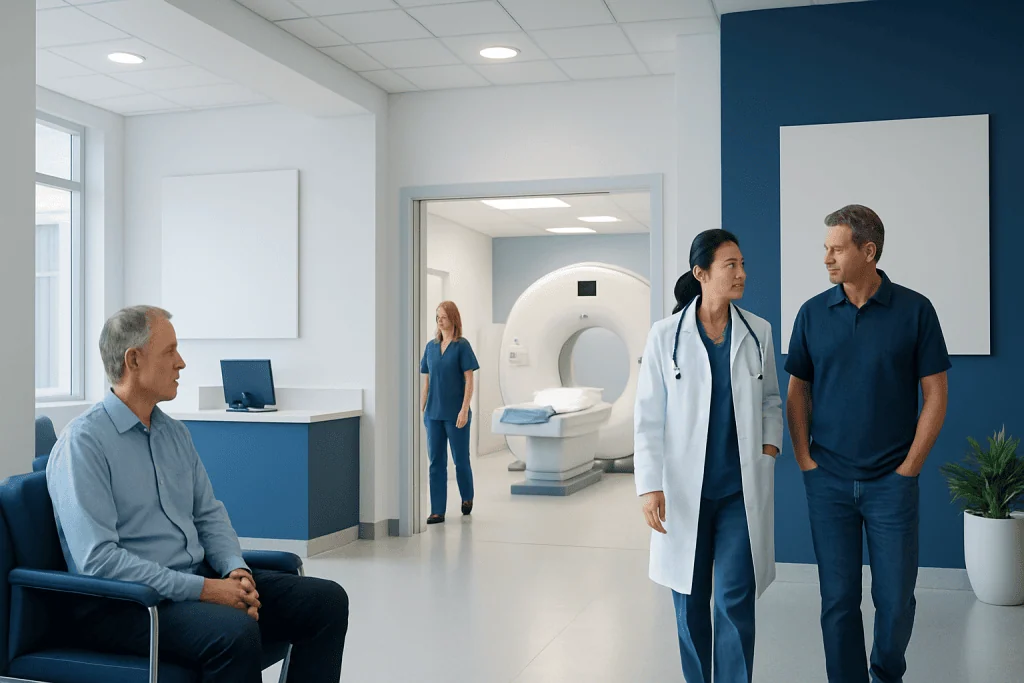
Pylarify is a PSMA-targeted radioactive tracer used with PET/CT imaging to identify suspected prostate cancer sites. Most people do not need to fast or follow a low-carbohydrate diet before a Pylarify PET scan unless their care team gives different instructions.
Key Takeaways
- Pylarify is a PSMA-targeted radioactive tracer used with PET/CT imaging to identify suspected prostate cancer sites.
- Most people do not need to fast or follow a low-carbohydrate diet before a Pylarify PET scan unless their care team gives different instructions.
- The visit includes tracer injection, a waiting period and a scan that commonly takes about 20 to 30 minutes.
- Results are interpreted alongside PSA levels, pathology, previous scans and the person's treatment history.
- Drinking fluids and urinating regularly after the scan can help the tracer leave the body.
A Pylarify PET scan is a specialized imaging examination used to help find prostate cancer cells by targeting prostate-specific membrane antigen (PSMA). Preparation is usually simple and differs from the dietary restrictions used for many glucose-based PET scans, but patients should always follow the instructions from their imaging team.
Overview: What Is a Pylarify PET Scan?
A Pylarify PET scan is a type of positron emission tomography (PET) imaging study designed for people with prostate cancer. It uses piflufolastat F 18, commonly called Pylarify, a small amount of radioactive tracer that attaches to prostate-specific membrane antigen (PSMA). PSMA is often present at higher levels on prostate cancer cells than on many normal tissues.
After the tracer is injected into a vein, a PET scanner detects where it collects in the body. The PET images are usually combined with computed tomography (CT) images, creating a PET/CT study that helps specialists identify the location and extent of suspected disease. This can support decisions about staging, treatment planning or evaluating a possible recurrence.
A Pylarify PET scan does not diagnose prostate cancer on its own and cannot replace clinical assessment or tissue testing when a biopsy is needed. Instead, it provides detailed information that is considered together with PSA blood-test results, biopsy findings, prior imaging and the person’s symptoms. It may be part of a broader assessment of prostate cancer.
How Pylarify Works and Who May Be a Candidate
The Pylarify tracer travels through the bloodstream and binds to PSMA-expressing cells. Areas with increased tracer uptake may be seen on PET images and can suggest prostate cancer in the prostate, lymph nodes, bones or other parts of the body. However, uptake is not always cancer; some normal organs and certain non-cancerous conditions can also show activity.
Clinicians may recommend this scan for a person with newly diagnosed prostate cancer who is at risk of disease beyond the prostate, particularly when imaging could change the treatment approach. It may also be considered when PSA rises after surgery or radiation therapy, which can indicate a possible recurrence. The referring clinician determines whether a PSMA PET scan is suitable based on the individual situation.
Patients should tell the imaging department about all medicines, supplements, allergies, current illnesses and recent procedures. It is particularly important to mention pregnancy, possible pregnancy or breastfeeding. Although Pylarify imaging is generally intended for men with prostate cancer, these safety discussions remain important for anyone who may be exposed to the tracer.
Pylarify PET Scan Prep: What to Do Before the Appointment

Pylarify PET scan prep is usually less restrictive than preparation for an FDG PET scan, which uses a glucose-like tracer. In many cases, people can eat and drink normally before a Pylarify scan. The exact pylarify prep instructions can vary according to the imaging center, whether CT contrast is planned and a person’s medical conditions, so the facility’s written instructions should take priority.
Patients are commonly encouraged to drink water before arriving, unless they have been told to limit fluids because of heart, kidney or other health conditions. Comfortable clothing without metal is helpful, and jewelry or other metal objects may need to be removed. Bringing previous imaging records, a medication list and relevant clinical information may also help the care team compare results accurately.
Diabetes medicines, blood-pressure medicines and other regular prescriptions are often continued, but no one should stop or change medication without specific medical advice. If intravenous CT contrast is planned, the team may ask about kidney function, prior contrast reactions or the use of certain medicines. Patients should contact the imaging center in advance if they are unsure about any instruction.
- Confirm the appointment time and arrival instructions.
- Ask whether a contrast-enhanced CT will be included.
- Drink water if permitted by the care team.
- Bring identification, referral information and a current medication list.
- Tell staff about allergies, kidney disease, claustrophobia or difficulty lying flat.
What Not to Do 24 Hours Before a PET Scan?
For a Pylarify PET scan, there is usually no universal requirement to avoid carbohydrates, exercise or normal meals for 24 hours. These restrictions are commonly associated with FDG PET imaging, not necessarily PSMA-targeted imaging. The safest approach is to follow the pylarify patient prep plan supplied by the nuclear medicine department rather than applying instructions intended for a different type of PET scan.
People should avoid making unapproved changes to prescribed medicines, including hormone therapy or diabetes treatment. They should also avoid becoming dehydrated. Alcohol, strenuous exercise and unusual dietary changes are best discussed with the imaging team if there is uncertainty, particularly if another imaging test is scheduled on the same day.
Before the appointment, patients should not ignore new symptoms or signs of illness. Fever, a significant infection, an inability to lie still, severe anxiety or an unexpected need for medical care may affect whether the examination can proceed as planned. Calling the center beforehand allows staff to provide appropriate guidance.
Can I Eat Scrambled Eggs the Day Before a PET Scan?
In most cases, scrambled eggs are acceptable the day before a Pylarify PET scan. Pylarify is not a glucose-based tracer, so a special high-protein, low-carbohydrate diet is not routinely required solely for this examination. A person can generally continue their usual balanced diet unless their hospital gives different directions.
Individual instructions can differ if the PET scan is combined with another procedure, sedation, CT contrast or a separate test that requires fasting. Eggs may also be unsuitable for someone following dietary restrictions for another medical reason. The imaging facility should be contacted if the appointment instructions appear unclear or conflict with the person’s usual health needs.
On the day of the scan, the care team may encourage water intake to support hydration and later clearance of the tracer. Patients should ask specifically whether coffee, supplements or chewing gum are permitted, as policies can vary between centers.
What Happens if I Eat Carbs the Day Before a PET Scan?
Eating carbohydrates the day before a Pylarify PET scan will usually not interfere with the examination. Carbohydrate restrictions are important for many FDG PET scans because FDG behaves similarly to glucose and blood sugar can influence tracer distribution. Pylarify works differently by binding to PSMA, so its scan protocol generally does not depend on avoiding carbohydrates.
That said, patients should follow any individualized instructions from their care team. A center may have preparation requirements related to CT imaging, sedation, diabetes management or another diagnostic examination planned alongside the PET scan. When in doubt, it is better to call before changing meals or medications.
A pylarify scan protocol also includes technical and clinical steps that are not controlled by diet alone. Image quality and interpretation depend on appropriate tracer timing, patient positioning, scanner calibration and expert review in the context of the person’s medical history.
Step-by-Step: What Happens During a Pylarify PET Scan?
At the appointment, staff first confirm the person’s identity, medical history and preparation details. A technologist places a small intravenous line, usually in the arm or hand, and injects the Pylarify tracer. The injection is brief and generally feels similar to having blood drawn or receiving an intravenous medicine.
There is then a waiting period while the tracer circulates and binds within the body. The timing follows the center’s pylarify PET scan protocol and is often about an hour. During this time, patients may be asked to rest, drink water if allowed and use the restroom as directed.
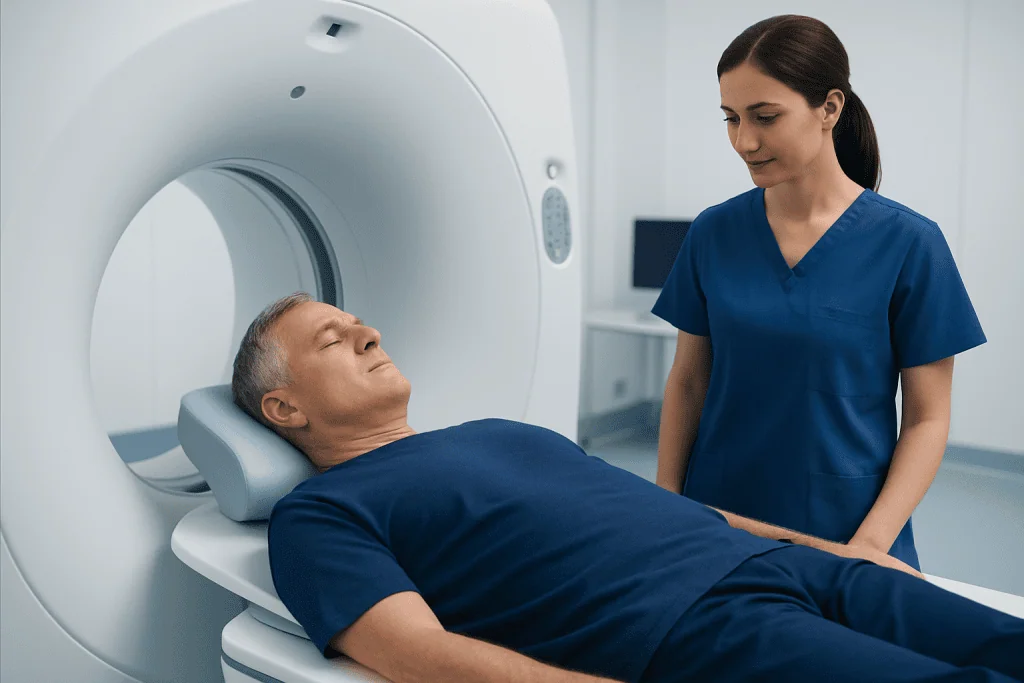
For the scan, the person lies on a padded table that moves slowly through the PET/CT machine. It is important to remain as still as possible for clear images. The scan itself often takes about 20 to 30 minutes, though the total visit can be longer because of check-in, injection, uptake time and any additional CT preparation.
The examination is not usually painful. Some people find the confined scanner space uncomfortable, but the machine is open at both ends and staff can communicate throughout the test. Patients with significant claustrophobia, pain or trouble remaining still should let the team know before the appointment.
Recovery, Results, Benefits and Safety
Most people can return to normal daily activities soon after a Pylarify PET scan. Drinking fluids, if medically appropriate, and urinating regularly can help the body eliminate the tracer. The radioactive material decreases naturally over time and is primarily cleared through urine. Staff may provide temporary radiation-safety advice, especially regarding close contact with pregnant people or young children.
Why do you have to flush the toilet twice after a PET scan? The tracer leaves the body in urine, and flushing twice helps reduce the small amount of radioactive material that may remain in the toilet bowl. Good handwashing after using the bathroom is also recommended. These are sensible short-term precautions, not a sign that the patient is dangerous to others.
The main benefit of a Pylarify PET scan is that it may identify sites of prostate cancer that are not clearly visible on conventional imaging. This information can help clinicians decide whether treatment should focus on the prostate, lymph nodes, bone lesions or more widespread disease. Depending on the results, a care team may discuss options such as prostate cancer treatment, radiation therapy, systemic treatment or follow-up monitoring.
Pylarify is generally well tolerated. Possible side effects can include headache, altered taste, fatigue or temporary reactions around the injection site, though serious reactions are uncommon. The scan also involves low-level radiation exposure from the tracer and CT component. A radiologist or nuclear medicine physician reviews the images, and the referring clinician explains what the findings mean for the individual.
When to Seek Medical Care
Patients should contact the imaging center before the scan if they develop fever, significant illness, a new infection, severe dehydration or symptoms that may make it difficult to complete the procedure. They should also call if they have had a prior allergic reaction to imaging contrast, if kidney health has changed or if they receive new instructions from another clinician.
Urgent medical care is appropriate for symptoms such as trouble breathing, swelling of the lips or face, fainting, chest pain or a severe widespread rash after any medical injection. These reactions are uncommon, but they need prompt assessment. For non-urgent concerns about a scan result, the referring urologist, oncologist or nuclear medicine team is the appropriate source of guidance.
Acibadem International’s multidisciplinary specialists and JCI-accredited hospitals can evaluate prostate cancer imaging results and coordinate care for international patients. A result may lead to consultation with urology, medical oncology, radiation oncology and radiology teams, depending on the clinical situation.
Frequently asked questions
How long does a Pylarify PET scan take?
The scanning portion commonly takes about 20 to 30 minutes. However, the complete visit is longer because it includes check-in, intravenous tracer injection and a waiting period for the tracer to circulate. Patients should allow the amount of time specified by their imaging center.
Do I need to fast before a Pylarify PET scan?
Many patients do not need to fast before a Pylarify PET scan because it is a PSMA-targeted study rather than a glucose-based FDG PET scan. Preparation requirements can still vary when CT contrast, sedation or other tests are involved. The imaging center's instructions should always be followed.
Can a Pylarify PET scan find prostate cancer recurrence?
A Pylarify PET scan may help locate suspected recurrent prostate cancer, especially when PSA rises after prior treatment. It can show areas of PSMA uptake in lymph nodes, bones or other tissues. Results must be reviewed with PSA trends, treatment history and other clinical findings.
Is a Pylarify PET scan painful?
The scan itself is not painful. Patients may feel a brief pinch when the intravenous line is placed and when the tracer is injected. Remaining still on the scanner table can be uncomfortable for some people, but staff can help with positioning and communication.
How soon are Pylarify PET scan results available?
A nuclear medicine physician or radiologist needs time to review the images and prepare a report. Timing varies by hospital and by the complexity of the findings. The referring clinician usually discusses the results and any next steps with the patient.
Should I avoid family members after a Pylarify PET scan?
Most people can go home and resume usual activities after the scan. The imaging team may recommend temporary precautions around pregnant people and young children because a small amount of radioactivity remains in the body for a short time. Drinking fluids, following bathroom hygiene advice and following the center's instructions are usually sufficient.
References
- United States Food and Drug Administration
- National Cancer Institute
- Society of Nuclear Medicine and Molecular Imaging
- American Cancer Society
This article is for general information only and is not a substitute for professional medical advice. Please consult a qualified doctor about your individual situation.
Oncology care in Turkey — second opinion and treatment plan
JCI-accredited · board-certified surgeons · reply within 24h
Add us as a Preferred Source to see more of our trusted health content across Google Search, AI Overviews and Discover.

More from the Health Library



Related Specialists

Dr. Evrim Çeliker Yapıcı
Neonatal Intensive Care Unit
Embriyolog Hasan Benli
Vitro Fertilization and Reproductive Medicine Center
Prof. Dr. Gülsan Sucak
Hematology
Prof. Dr. Sinan Karaoğlu
Orthopedic Surgery & Traumatology