Pulmonary Embolism Operation: Procedure, Recovery and Results

Most pulmonary embolisms are treated with anticoagulant medicines rather than surgery. A pulmonary embolism operation may be considered when the clot is causing shock, severe strain on the right side of the heart, or when clot-dissolving medicine is unsuitable.
Key Takeaways
- Most pulmonary embolisms are treated with anticoagulant medicines rather than surgery.
- A pulmonary embolism operation may be considered when the clot is causing shock, severe strain on the right side of the heart, or when clot-dissolving medicine is unsuitable.
- Catheter-based procedures are less invasive than open surgery and may remove or reduce clot burden in selected cases.
- Recovery varies with the procedure, clot severity, heart and lung effects, and any underlying health conditions.
- Ongoing anticoagulation, follow-up, and prevention of future clots are important parts of care.
A pulmonary embolism operation is an urgent treatment used for selected people with a large or high-risk blood clot in the lungs. It may involve catheter-based clot removal or open surgical embolectomy, alongside anticoagulant treatment and close monitoring.
Overview: What Is a Pulmonary Embolism Operation?
A pulmonary embolism operation is a procedure used to remove, break up, or reduce a blood clot blocking arteries in the lungs. It is not needed for most people with pulmonary embolism, because anticoagulant medicines can prevent the clot from enlarging while the body gradually clears it. However, urgent intervention can be lifesaving when a clot is causing dangerously low blood pressure, severe right-heart strain, worsening oxygen levels, or a high risk of collapse.
The term may refer to catheter-directed treatment, in which a specialist guides thin tubes through a blood vessel to the clot, or to surgical pulmonary embolectomy, an open-heart operation to remove the clot directly. The choice depends on how unstable the person is, the clot’s location and size, bleeding risk, available expertise, and other medical conditions. Pulmonary embolism itself is a form of pulmonary embolism that requires prompt medical assessment.
Care is usually coordinated by emergency physicians, cardiologists, pulmonologists, interventional specialists, cardiothoracic surgeons, imaging specialists, and intensive-care teams. The aim is to restore blood flow through the lungs, support the heart and breathing, and reduce the risk of death or long-term complications.
How the Procedure Works and Who May Need It
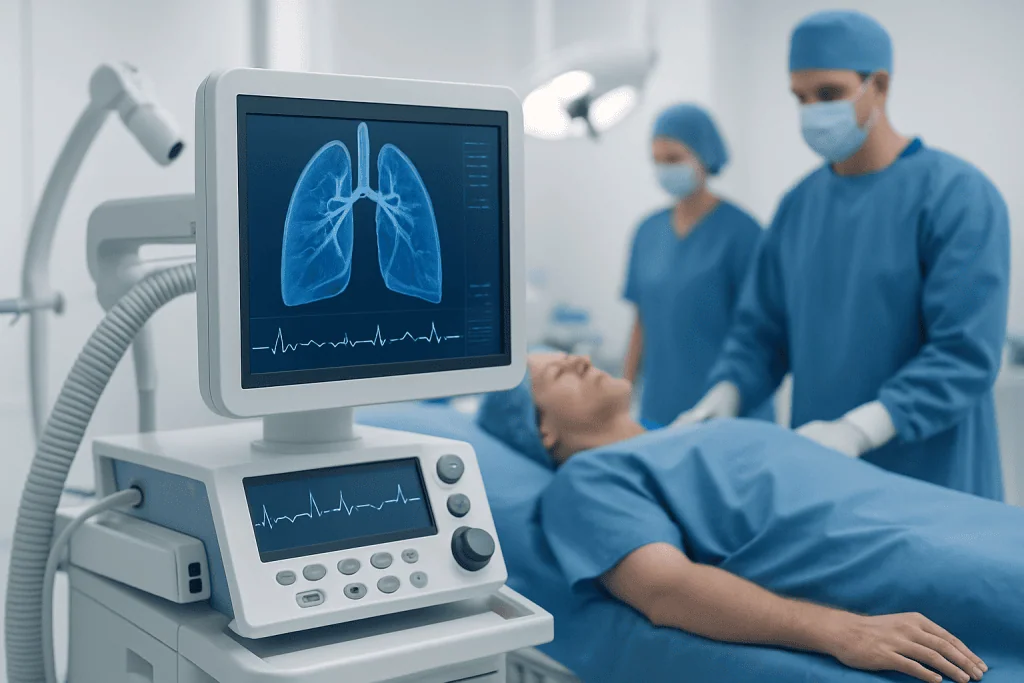
Blood clots causing pulmonary embolism commonly begin in deep veins of the leg or pelvis and travel to the lungs. A large clot can obstruct blood flow and make the right side of the heart work against unusually high pressure. An operation or catheter procedure is considered when the immediate danger from blocked blood flow is greater than the risks of intervention.
People may be candidates if they have high-risk pulmonary embolism with shock or persistently low blood pressure. It may also be considered for selected people who are deteriorating despite anticoagulants, have major right-heart dysfunction, cannot safely receive clot-dissolving medicines, or have not improved after other emergency treatments. Decisions are individualized and often made quickly by a multidisciplinary pulmonary embolism response team.
Before treatment, clinicians use symptoms, blood pressure, oxygen levels, blood tests, electrocardiography, echocardiography, and usually CT pulmonary angiography to assess severity. They also evaluate bleeding risk, kidney function, recent surgery or injury, pregnancy status where relevant, and whether there are signs of deep vein thrombosis that may require additional management.
- Catheter-directed thrombectomy: Devices introduced through a vein can aspirate, fragment, or retrieve clot.
- Catheter-directed thrombolysis: A low dose of clot-dissolving medicine may be delivered directly into the clot in selected cases.
- Surgical pulmonary embolectomy: Open surgery removes clot from the pulmonary arteries, usually with cardiopulmonary bypass.
Step by Step: Catheter Treatment and Surgical Embolectomy

For catheter-based treatment, the patient receives careful monitoring and anesthesia or sedation according to their condition. A clinician inserts a catheter through a large vein, often in the groin or neck, and guides it to the pulmonary arteries using imaging. The device may suction out clot, mechanically disrupt it, or help deliver clot-dissolving medication. The treatment plan may include catheter-directed thrombolysis when a local infusion approach is appropriate.
During open surgical pulmonary embolectomy, the patient is under general anesthesia. The surgeon makes an incision through the breastbone, connects the circulation to a heart-lung machine, opens the pulmonary artery, and carefully removes obstructing clots. This is a major operation, but it can be a vital option when a large clot is immediately threatening circulation or when catheter-based therapy is not suitable.
After either procedure, the patient is observed in a high-dependency or intensive-care setting. The team monitors blood pressure, heart rhythm, oxygen needs, bleeding, kidney function, and signs that the right side of the heart is recovering. Anticoagulant medicine is usually continued or restarted when it is safe to do so, because the procedure addresses the current clot but does not by itself prevent new clots.
Benefits, Risks and Expected Results
The main potential benefit of a pulmonary embolism operation is rapid improvement in blood flow through the lungs. In an emergency, this can reduce strain on the right side of the heart, improve blood pressure and oxygen delivery, and stabilize a person who is critically ill. In less immediately unstable cases, the intended benefit is to prevent clinical deterioration while minimizing treatment-related harm.
All procedures carry risks. Catheter-based therapy can cause bleeding, injury to a blood vessel, irregular heart rhythms, contrast-related kidney problems, or incomplete clot removal. Clot-dissolving medicines increase the risk of serious bleeding, including uncommon but important bleeding in the brain. Surgical embolectomy has the risks associated with major heart surgery, such as bleeding, infection, stroke, heart rhythm problems, organ complications, and risks related to anesthesia.
Outcomes depend heavily on the severity of the pulmonary embolism before treatment, how quickly treatment is delivered, the person’s age and overall health, and whether cancer, infection, heart disease, or another condition is present. It is not appropriate to apply a single success-rate figure to every patient. The treating team can explain the likely benefits and risks in the individual situation, including what improvement can reasonably be expected.
How Long Is Recovery After Pulmonary Embolism Surgery?
Recovery after pulmonary embolism surgery varies considerably. After a catheter-based procedure, some people stabilize within hours to days and may leave hospital after several days, depending on oxygen needs, heart recovery, bleeding risk, and the cause of the clot. Fatigue, breathlessness with activity, and reduced exercise tolerance can continue for weeks while the lungs and heart recover.
Recovery after open surgical embolectomy is usually longer because it is major chest surgery. Hospital recovery may include intensive-care monitoring followed by gradual mobilization, breathing exercises, pain management, and rehabilitation. Healing of the breastbone and return to usual daily activities often take several weeks, and full recovery may take months.
Follow-up commonly includes anticoagulation planning, review of symptoms, and assessment for ongoing shortness of breath or signs of <a href="https://acibademinternational.com/diseases/pulmonary-hypertension/”>pulmonary hypertension. Cardiac and respiratory rehabilitation may be helpful for selected people. Patients should take anticoagulants exactly as prescribed and should not stop them without medical advice.
Is Pulmonary Embolism Surgery Serious?
Yes. Pulmonary embolism surgery is serious because it is generally used when the clot itself is serious or when standard treatment alone may not provide enough support. Surgical embolectomy is a major operation, while catheter-based procedures are less invasive but are still performed in hospital by specialist teams with close monitoring.
Serious does not mean that treatment is inappropriate or without benefit. In carefully selected patients, intervention can be an important part of emergency care and may be the safest way to restore circulation. The clinical team weighs the urgency of the pulmonary embolism against procedural and bleeding risks, then discusses the plan with the patient or family whenever circumstances allow.
After discharge, people should attend scheduled reviews and report new symptoms promptly. Continuing anticoagulation and addressing modifiable clot risks are central to a safe recovery.
Do You Ever Fully Recover From Pulmonary Embolism?
Many people recover well from pulmonary embolism and return to normal or near-normal daily activity. The clot often becomes smaller over time as the body’s natural processes clear it, while anticoagulants help prevent extension or recurrence. The timeline differs among individuals, and tiredness or breathlessness may persist during the first weeks or months.
A smaller group develops ongoing symptoms, such as reduced exercise capacity, chest discomfort, or breathlessness. Rarely, persistent obstruction and high pressure in the lung circulation can lead to chronic thromboembolic pulmonary hypertension. People with symptoms that do not steadily improve should be reviewed so clinicians can look for residual clot, heart or lung effects, anemia, deconditioning, or another explanation.
Preventing another clot is an essential part of long-term recovery. This may include anticoagulant treatment for a defined period or longer, depending on why the clot occurred and the person’s recurrence and bleeding risks. Regular movement, hydration during travel when appropriate, and management of underlying conditions can also be discussed with a clinician.
What Is the Success Rate of Pulmonary Embolism Surgery?
There is no single success rate that accurately describes pulmonary embolism surgery for every person. Published outcomes differ because procedures are used in different clinical settings, from carefully selected patients who are stable but worsening to people requiring emergency treatment for shock or cardiac arrest. Hospitals may also use different definitions of technical success, survival, improvement in blood pressure, or reduction in right-heart strain.
In general, experienced specialist teams can often achieve meaningful clot reduction or removal and improve circulation in appropriately selected patients. However, the person’s condition before the procedure remains one of the strongest influences on outcome. A person treated early before severe organ injury may have a different outlook from someone who arrives in profound shock.
The most useful question for an individual is how the proposed procedure changes their expected outcome compared with anticoagulation, systemic clot-dissolving medicine, or supportive care alone. Acibadem International’s multidisciplinary specialists at JCI-accredited hospitals assess pulmonary embolism using coordinated emergency, cardiovascular, respiratory, and surgical care for international patients.
When to Seek Medical Care
Sudden shortness of breath, chest pain that may worsen with breathing, coughing up blood, fainting, new rapid heartbeat, or unexplained severe weakness can be signs of pulmonary embolism. These symptoms need urgent medical evaluation, especially after recent surgery, prolonged immobility or travel, pregnancy or the postpartum period, active cancer, or a previous blood clot.
Emergency help should be sought immediately for severe breathing difficulty, fainting, confusion, bluish lips or skin, severe chest pain, or signs of shock such as cold, clammy skin and marked dizziness. A person should not drive themselves if they feel severely unwell.
After treatment, new or worsening breathlessness, chest pain, leg swelling, fainting, or signs of bleeding while taking anticoagulants also require prompt medical advice. Follow-up is particularly important for people who continue to have limitations after a pulmonary embolism or who need evaluation for venous thromboembolism treatment and recurrence prevention.
Frequently asked questions
Is an operation needed for every pulmonary embolism?
No. Most pulmonary embolisms are managed with anticoagulant medicines and supportive care. An operation or catheter-based intervention is generally reserved for high-risk cases, clinical deterioration, or situations in which other treatments are unsuitable.
What is the difference between pulmonary embolectomy and catheter thrombectomy?
Pulmonary embolectomy is an open surgical procedure that directly removes clot from the pulmonary arteries, usually using a heart-lung machine. Catheter thrombectomy uses a device passed through a vein to remove or reduce clot without opening the chest.
Will a person need blood thinners after pulmonary embolism surgery?
Most people need anticoagulant medicine after the procedure because surgery or thrombectomy does not remove the underlying tendency to form new clots. The type and duration depend on the cause of the embolism, bleeding risk, and medical history.
Can pulmonary embolism return after surgery?
Yes, another clot can occur if the underlying risk remains present. Anticoagulant treatment, follow-up care, and measures tailored to individual risk factors help reduce the chance of recurrence.
How soon can someone walk after pulmonary embolism surgery?
The care team usually encourages safe, gradual movement as soon as the person is stable, since mobility can support recovery and lower the risk of further clots. The timing is individualized, especially after open surgery or when oxygen, blood pressure, or bleeding concerns remain.
What follow-up tests may be needed after pulmonary embolism treatment?
Follow-up may include clinical review, blood tests to monitor treatment, and heart or lung testing if breathlessness persists. Imaging is not required for everyone, but clinicians may order it when symptoms, recovery, or recurrence risk need further assessment.
References
- American Heart Association
- European Society of Cardiology
- American College of Chest Physicians
- National Heart, Lung, and Blood Institute
- Society for Vascular Surgery
This article is for general information only and is not a substitute for professional medical advice. Please consult a qualified doctor about your individual situation.
Pulmonary Embolism in Turkey — costs, top hospitals & a free quote
JCI-accredited · board-certified surgeons · reply within 24h
Add us as a Preferred Source to see more of our trusted health content across Google Search, AI Overviews and Discover.
Check your numbers in seconds
BMI, calories, due date, blood pressure and 30+ more clinical calculators — free, instant, doctor-reviewed ranges.

More from the Health Library



Related Specialists

Dr. Burcu Aydemir Efelerli
Internal Medicine
Dr. Aynur Göksel
Physical Medicine and Rehabilitation
Assoc. Prof. Dr. Kamer Dere
Treatment of Pain Algology
Dr. Rasim Farajov
General Surgery