Forearm Break Recovery: A Week-by-Week Timeline
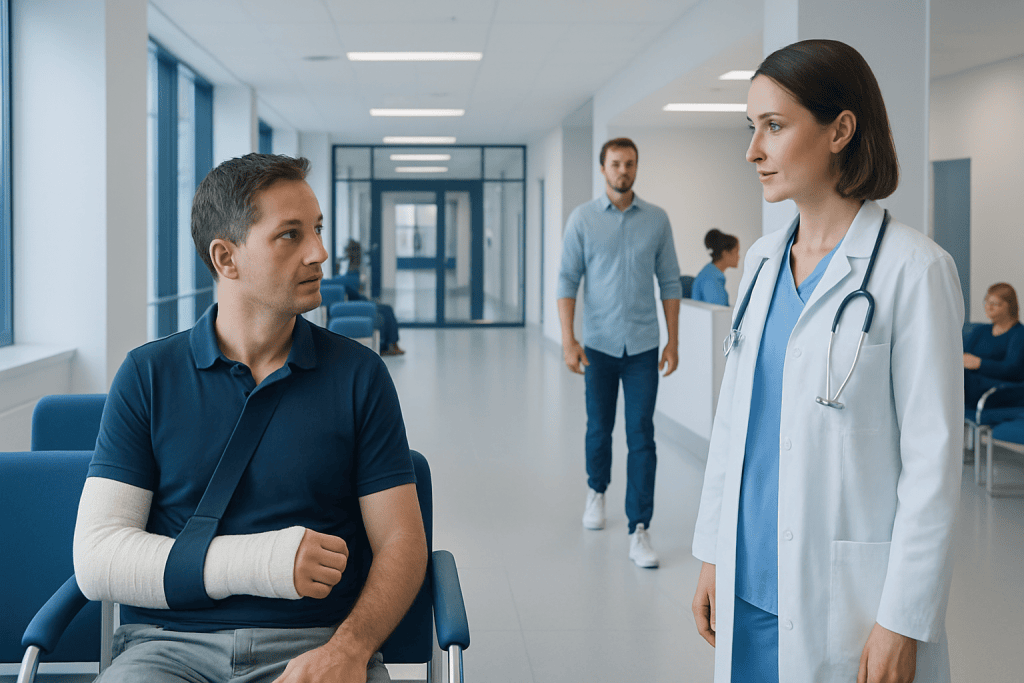
Most uncomplicated forearm fractures need around 6 to 8 weeks for initial bone healing. Pain and swelling often improve during the first 1 to 2 weeks, while stiffness may last longer after immobilization ends.
Key Takeaways
- Most uncomplicated forearm fractures need around 6 to 8 weeks for initial bone healing.
- Pain and swelling often improve during the first 1 to 2 weeks, while stiffness may last longer after immobilization ends.
- A displaced, open, unstable, or both-bone fracture may require surgery and a longer rehabilitation period.
- Follow-up examinations and X-rays help confirm that the bones remain aligned and are healing appropriately.
- New numbness, worsening pain, pale or cold fingers, or a tight cast requires urgent medical assessment.
Forearm break recovery time is commonly about 6 to 8 weeks for the bone to unite, although full comfort, strength, and movement can take several additional weeks or months. Recovery depends on which bone is broken, whether the bones are aligned, the person’s age and health, and whether treatment involves a cast, splint, or surgery.
Forearm break recovery time: the short answer
Forearm break recovery time is usually around 6 to 8 weeks for initial bone healing in adults, although it may be shorter in some children and longer in older adults or people with complex injuries. Returning to unrestricted lifting, sport, or physically demanding work often takes several months because muscles, tendons, and joint movement also need time to recover.
The forearm contains two bones: the radius on the thumb side and the ulna on the little-finger side. A fracture may involve one bone or both. Whether the break is stable and well aligned is especially important because the radius and ulna must work together to allow the palm to turn up and down.
Some fractures heal with careful immobilization in a splint or cast. Others need a procedure to restore alignment and stabilize the bone. A clinician can provide the most reliable individual timeline after examining the injury and reviewing follow-up X-rays.
How serious is a broken forearm?
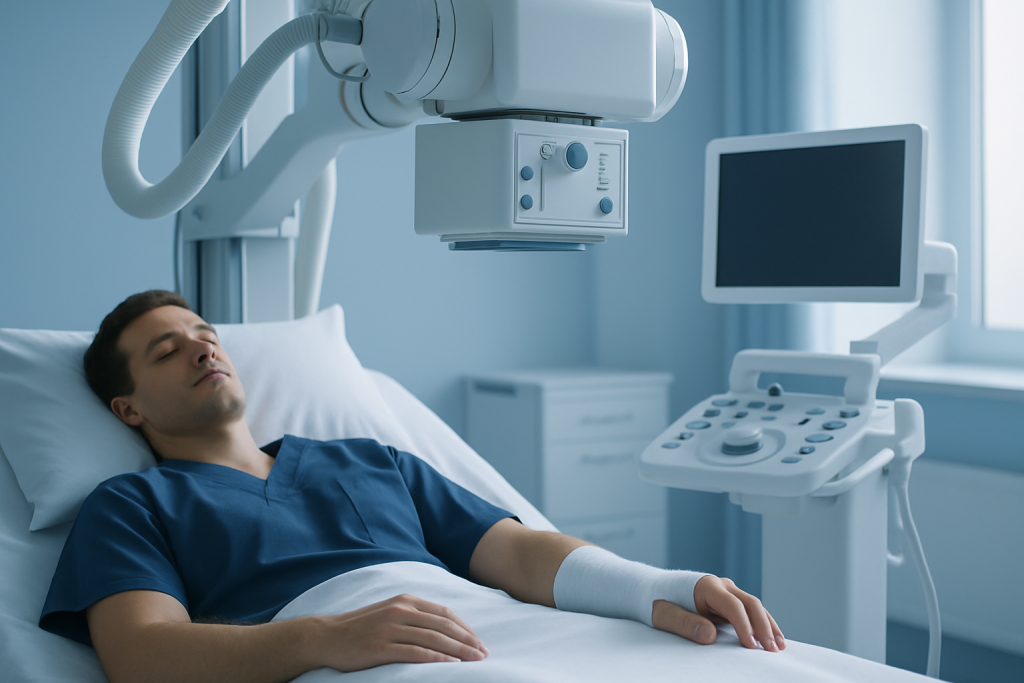
A broken forearm can range from a simple, stable crack to a more serious injury involving displaced bone ends, both forearm bones, an open wound, joint involvement, or damage to nearby nerves and blood vessels. Even a fracture that appears straightforward should be assessed promptly, since incorrect alignment can affect rotation of the forearm, grip, and wrist or elbow function.
Signs of a possible fracture include immediate pain after an injury, swelling, bruising, tenderness, visible deformity, difficulty moving the wrist or elbow, and pain when turning the palm. A person should avoid trying to straighten the arm. Supporting it in a comfortable position and seeking medical care helps reduce further injury.
Urgent assessment is particularly important when the arm looks deformed, bone is visible, fingers are numb or weak, the hand is pale or cold, or pain and swelling are rapidly increasing. These symptoms may indicate an injury that needs immediate treatment.
What determines recovery after a forearm fracture?

Healing is not identical for every fracture. Stable breaks with good alignment generally recover more predictably than fractures with separated bone fragments. Breaks near the wrist, elbow, or growth plates in children may have different treatment and follow-up needs from fractures in the middle of the forearm.
Recovery can also be influenced by age, smoking, nutrition, osteoporosis, diabetes, circulation, certain medicines, and the severity of the original injury. Open fractures, injuries involving infection risk, and fractures caused by high-energy trauma may require more extensive care and closer monitoring.
Doctors use examinations and X-rays to check the fracture pattern and alignment. Repeat imaging during recovery may be needed because a fracture can shift after the initial swelling subsides, particularly during the first weeks in a cast.
- More favorable factors: a stable fracture, prompt treatment, good alignment, and following activity restrictions.
- Factors that may prolong recovery: displacement, both-bone fractures, surgery, smoking, poor bone health, infection, or delayed union.
Diagnosis and treatment: how care works
Diagnosis begins with a history of the injury and a physical examination of the arm, wrist, elbow, hand circulation, sensation, and movement. X-rays are usually used to identify the location and pattern of the break. CT scans may be helpful for complex fractures or injuries that extend into a joint.
For a nondisplaced or stable fracture, treatment may involve a splint at first to allow for swelling, followed by a cast or removable brace. The arm is protected while the body forms new bone across the fracture. Follow-up visits confirm that the position remains acceptable and that healing is progressing.
If the bone ends are out of position, a clinician may perform a reduction, which means gently realigning the fracture. This may be done without an incision in selected cases. Fractures that cannot stay aligned, involve both bones, extend into a joint, or are open may need surgical fixation with plates, screws, rods, or other devices. This type of care is part of orthopedic surgery planning when stabilization is needed.
Surgery is not automatically better for every fracture. It is considered when its potential to restore stable alignment and arm function outweighs the risks of a procedure. The treating orthopedic team explains the expected benefits, alternatives, anesthesia considerations, and rehabilitation plan for the individual injury.
Forearm break recovery timeline: week by week
Days 1 to 7: Pain, swelling, bruising, and limited movement are common. A splint or cast protects the injury, and elevation may help reduce swelling. Fingers should usually be moved gently as advised, but the injured arm should not be used for lifting or weight-bearing. Pain that becomes severe or feels out of proportion should be assessed urgently.
Weeks 2 to 3: Swelling often begins to settle, although tenderness at the fracture site is expected. A cast may be changed or adjusted as swelling decreases. Follow-up X-rays may confirm that the bones remain aligned. People are often able to manage more daily tasks with the uninjured hand, but should continue to avoid lifting, pushing, pulling, and activities with a risk of falling.
Weeks 4 to 6: New bone continues to form. Some people notice less pain at rest, but the arm is not yet ready for impact or heavy use. Depending on the fracture, a doctor may allow a gradual transition from a cast to a brace. Stiffness in the wrist, elbow, and fingers is common after immobilization.
Weeks 6 to 8 and beyond: Many uncomplicated fractures show sufficient healing for immobilization to end around this period, but confirmation by X-ray and clinical examination is important. Gentle range-of-motion and strengthening exercises may begin or progress under professional guidance. For several more weeks or months, activity increases gradually until movement, strength, and confidence return. Complex fractures and surgically repaired fractures may follow a different schedule.
Can a fractured arm heal in 2 weeks?
A fractured arm is very unlikely to be fully healed in 2 weeks. Pain and swelling may improve substantially during that time, especially in a minor, stable injury, but the bone usually needs several more weeks to form a reliable union.
Children can often heal faster than adults because growing bone repairs itself more quickly, yet they still need a clinician’s guidance before returning to normal play or sport. Removing a cast early or testing the arm with heavy activity can allow a healing fracture to move out of position or break again.
Symptoms alone cannot confirm that a fracture has healed. The absence of pain is encouraging, but doctors consider the examination, X-ray findings, fracture type, and the person’s planned activities before advising a return to unrestricted use.
What is the hardest fracture to recover from?
There is no single fracture that is always the hardest to recover from. In the forearm, complex fractures involving both the radius and ulna, the elbow or wrist joint, multiple fragments, an open wound, or associated nerve and blood-vessel injury can be more challenging because they may affect both bone healing and forearm rotation.
Fractures that do not heal in the expected time, called delayed union, or that fail to unite, called nonunion, may also require prolonged treatment. Malunion occurs when a fracture heals in a poor position and can reduce movement or change the shape of the arm. These complications are not inevitable, and regular follow-up helps identify concerns early.
Rehabilitation is an important part of recovery, particularly after a long period in a cast or after surgery. A clinician or physiotherapist may guide exercises for elbow and wrist motion, forearm rotation, grip, and progressive strengthening while protecting the healing bone.
Self-care, follow-up, and when to seek medical care
While recovering, people should follow instructions about cast care, medicines, elevation, wound care after surgery, and allowed activity. A cast should be kept dry unless it is specifically designed to get wet, and nothing should be inserted inside it to scratch the skin. Smoking cessation and a balanced diet with adequate protein, calcium, and vitamin D can support general bone health.
Medical review is needed as scheduled, even when symptoms are improving. It is also sensible to ask before driving, returning to work, lifting children, using exercise equipment, or restarting contact sports. Returning too soon can increase the chance of reinjury.
When to seek medical care: Contact a clinician promptly for increasing pain, swelling, pressure under the cast, a damaged or wet cast, fever, wound redness or drainage after surgery, or worsening difficulty moving the fingers. Seek emergency care for numbness, blue, pale, cold, or weak fingers; severe uncontrolled pain; sudden loss of movement; or bone visible through the skin.
Acibadem International’s multidisciplinary specialists and JCI-accredited hospitals diagnose and treat forearm fractures for international patients, including care planning, surgery when appropriate, and rehabilitation support.
Frequently asked questions
How long does it take to recover from a forearm break?
Most forearm fractures take about 6 to 8 weeks for initial bone healing. Full recovery, including restored strength, flexibility, and confidence in daily activities, may take several additional weeks or months. The exact timing depends on the fracture pattern, treatment, age, and overall health.
How serious is a broken forearm?
A broken forearm should always be medically assessed because the radius and ulna must remain well aligned for normal arm rotation and function. Some fractures are stable and can be treated in a cast, while displaced, open, or both-bone fractures can need urgent realignment or surgery. Changes in finger color, temperature, sensation, or movement need immediate care.
Can a fractured arm heal in 2 weeks?
A fracture is generally not fully healed in 2 weeks, even if pain and swelling have improved. Bone healing usually requires several weeks, and activity should only increase after medical review. Children may heal faster than adults but still need clearance before returning to unrestricted activity.
What is the hardest fracture to recover from?
The hardest fractures to recover from are often complex injuries with multiple fragments, poor alignment, joint involvement, an open wound, or damage to nerves and blood vessels. In the forearm, breaks of both the radius and ulna can be more demanding because rotation of the palm depends on both bones healing in appropriate alignment. Recovery is individualized and can improve with timely treatment and rehabilitation.
When can someone use their arm after a forearm fracture?
Finger movement is often encouraged early if it is safe, but lifting and weight-bearing are usually restricted until the fracture has demonstrated healing. The timing for normal use varies according to the injury and treatment. A doctor should confirm when work, driving, exercise, and sports are appropriate.
Why is the arm stiff after the cast is removed?
Stiffness is common because the wrist, elbow, and forearm have been kept still while the bone healed. Muscles may also be weaker after immobilization. Gentle exercises and, when needed, supervised rehabilitation usually help movement improve gradually.
References
- American Academy of Orthopaedic Surgeons
- National Institute of Arthritis and Musculoskeletal and Skin Diseases
- NHS
- Mayo Clinic
This article is for general information only and is not a substitute for professional medical advice. Please consult a qualified doctor about your individual situation.
Joint and spine care in Turkey — expert assessment & treatment
JCI-accredited · board-certified surgeons · reply within 24h
Add us as a Preferred Source to see more of our trusted health content across Google Search, AI Overviews and Discover.

More from the Health Library



Related Specialists

Dr. Tuncay Filiz
Internal Medicine
Assoc. Prof. Dr. Sena Sert Şekerci
Cardiology
Dr. Cihan Deniz Keleş
Gynecology & Obstetrics
Dr. Nilgün Çavdar
Physical Medicine & Rehabilitation