

Gi Cancer Treatment: How It Works, Results and What to Expect
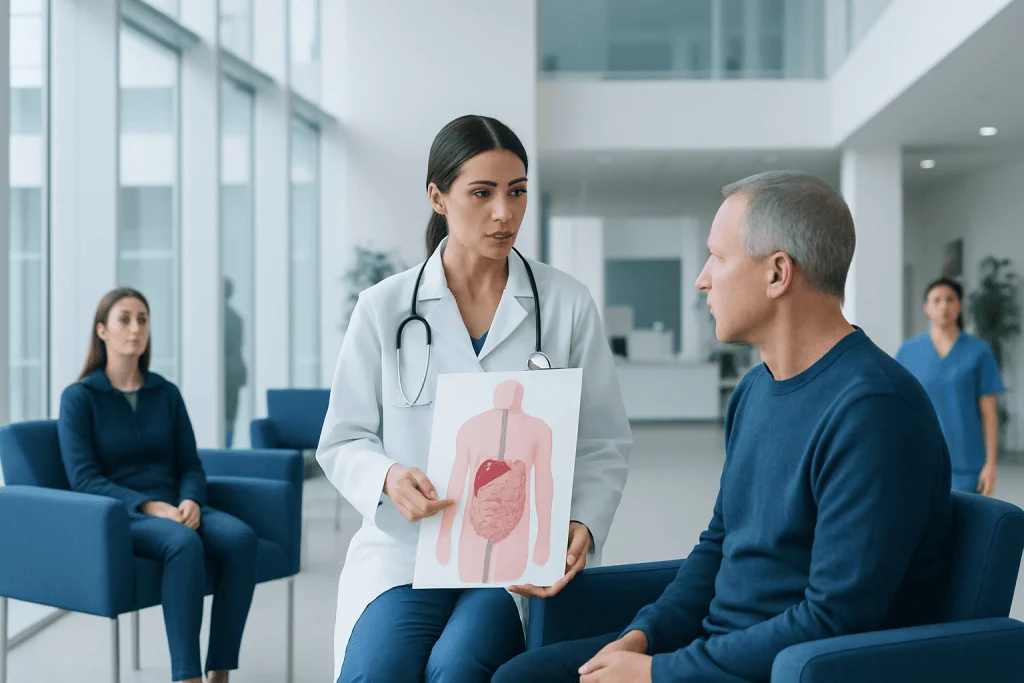
Gastrointestinal cancers include cancers affecting the oesophagus, stomach, pancreas, liver, bile ducts, small intestine, colon, rectum and anus. A multidisciplinary team uses staging tests and pathology findings to create an individual treatment plan.
Key Takeaways
- Gastrointestinal cancers include cancers affecting the oesophagus, stomach, pancreas, liver, bile ducts, small intestine, colon, rectum and anus.
- A multidisciplinary team uses staging tests and pathology findings to create an individual treatment plan.
- Some GI cancers can be cured, particularly when found before they have spread, while advanced cancers can often be controlled for meaningful periods.
- Treatment may be given before surgery, after surgery, instead of surgery, or to relieve symptoms and preserve quality of life.
- Recovery needs vary by treatment and may include nutrition support, rehabilitation, symptom management and follow-up monitoring.
GI cancer treatment is tailored to the organ involved, the cancer stage, its molecular features and a person’s overall health. It may include surgery, chemotherapy, radiation therapy, targeted therapy, immunotherapy, endoscopic procedures or a carefully planned combination of these approaches.
GI cancer treatment: how it works
GI cancer treatment refers to care for cancers arising in the digestive system. This includes cancers of the oesophagus, stomach, liver, pancreas, gallbladder, bile ducts, small bowel, colon, rectum and anus. The best approach depends on where the cancer began, how far it has grown or spread, its cell type and biological characteristics, and the person’s general health and preferences.
For many people, treatment involves more than one specialty. Surgeons, medical oncologists, radiation oncologists, gastroenterologists, radiologists, pathologists, dietitians, specialist nurses and supportive-care clinicians review the available information together. This helps the team select treatment that aims to cure the cancer when possible, reduce the risk of recurrence, control cancer that cannot be cured, and relieve symptoms at every stage.
Treatment can work locally, throughout the body, or both. Surgery, radiation and some endoscopic procedures target a particular area. Chemotherapy, targeted therapy and immunotherapy travel through the bloodstream and may treat cancer cells beyond the original tumour. The sequence is important: systemic treatment or radiation may be used before an operation to shrink a tumour, after surgery to address microscopic cancer cells, or as the main treatment when surgery is not appropriate.
Assessment and candidacy for treatment
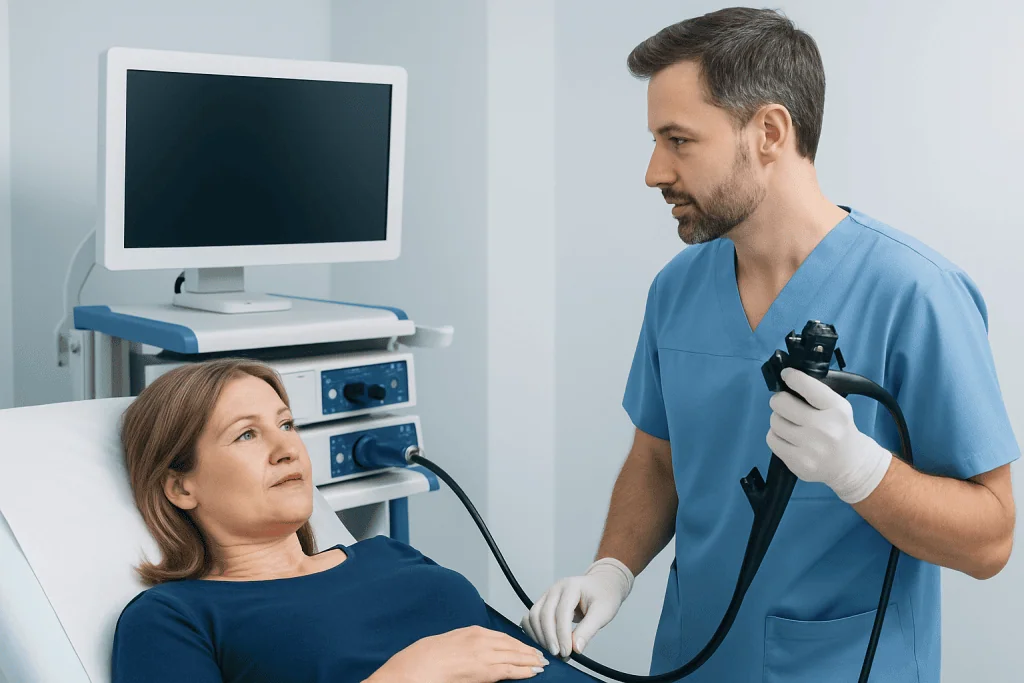
Before treatment begins, clinicians confirm the diagnosis with a biopsy whenever possible. A pathologist examines the tissue to identify the cancer type. Blood tests, scans such as CT or MRI, endoscopy, ultrasound and sometimes PET imaging help determine the stage. Staging describes the tumour’s size and local extent, whether nearby lymph nodes are involved, and whether cancer has spread to distant organs.
For certain GI cancers, tumour testing is also important. Molecular and biomarker tests can identify features that may predict whether targeted medicines or immunotherapy could help. In colorectal cancer, for example, tests may assess mismatch repair status and selected gene changes. In stomach cancer, testing may include HER2 and other relevant biomarkers. These results support more personalised treatment decisions.
Candidacy for a specific treatment is not based on age alone. The team considers heart, lung, kidney and liver function, nutritional status, daily activity level, previous treatments and the likely effects of therapy. A person with a bowel tumour may need assessment for colon cancer or rectal cancer pathways, while someone with a stomach lesion may undergo further evaluation for stomach cancer. A second opinion can also be helpful when treatment choices are complex.
Step by step: what the treatment process may involve
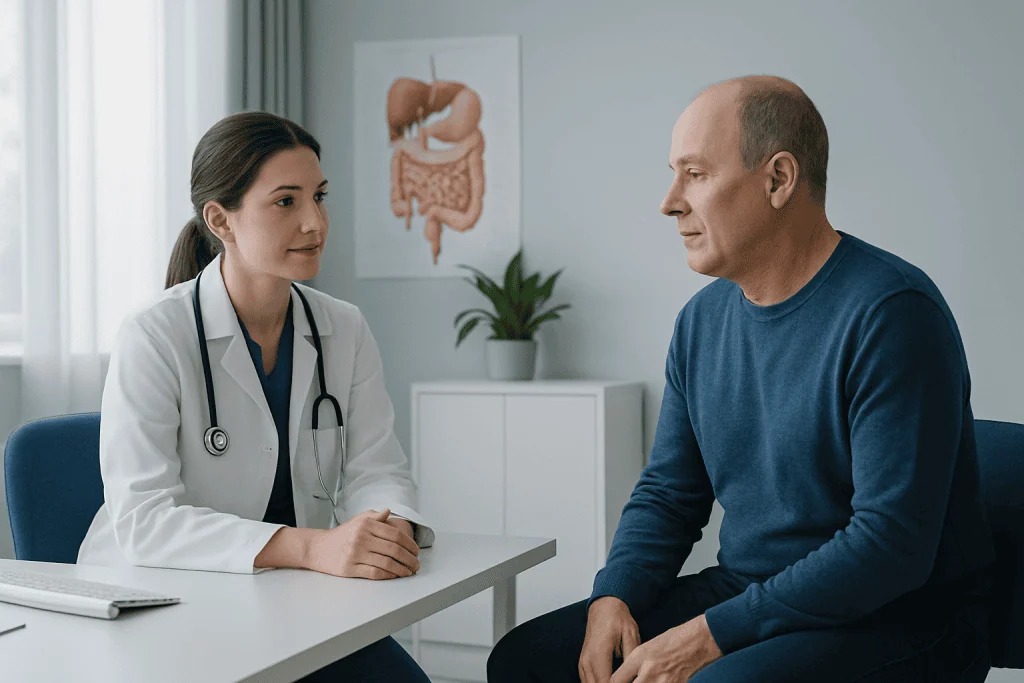
The process commonly begins with diagnostic testing, staging and a multidisciplinary discussion. The treating team then explains the proposed goal of care, expected benefits, alternatives and possible side effects. Patients may meet a dietitian before treatment, particularly if swallowing, appetite, digestion or weight has already been affected.
When surgery is recommended, the surgeon removes the tumour with a margin of healthy tissue where feasible and may remove nearby lymph nodes for staging and treatment. Operations range from endoscopic removal of selected early lesions to major procedures involving part or all of an organ. Minimally invasive approaches may be possible for some cancers, but the safest technique depends on the tumour and the planned operation. Gastrointestinal cancer treatment may also include reconstructive steps to restore digestive continuity when tissue is removed.
Chemotherapy can be given intravenously, by mouth, or in both forms depending on the regimen. Radiation therapy uses carefully planned beams to damage cancer-cell DNA while limiting dose to surrounding tissues. Targeted medicines act on specific pathways involved in tumour growth, while immunotherapy helps the immune system recognise and respond to some cancers. Treatments may be delivered in cycles over weeks or months, with blood tests and appointments used to monitor safety and response.
Supportive and palliative care are part of comprehensive cancer treatment, not only end-of-life care. They may address pain, nausea, fatigue, bowel changes, sleep difficulties, emotional concerns and nutrition. If a tumour causes blockage, bleeding or jaundice, endoscopic, surgical or interventional radiology procedures may help manage these problems alongside anticancer treatment.
Benefits, limitations and possible risks
The potential benefit of treatment depends mainly on the cancer type and stage. In localised disease, treatment may remove or destroy all visible cancer and offer a chance of cure. In locally advanced disease, combined treatment can sometimes make surgery more effective or reduce the chance of cancer returning. When cancer has spread, treatment may slow progression, reduce symptoms and help people maintain daily activities.
Each treatment has possible risks. Surgery can involve pain, bleeding, infection, blood clots, leakage at a surgical join, altered bowel habits, and changes in digestion or absorption. Chemotherapy may cause fatigue, nausea, diarrhoea or constipation, mouth sores, low blood cell counts, nerve symptoms and increased infection risk. Radiation can irritate tissues in the treatment area and may lead to tiredness, skin changes, bowel or bladder symptoms, or swallowing discomfort depending on the site treated.
Targeted therapy and immunotherapy have their own side-effect profiles. Some targeted medicines can affect blood pressure, skin, heart function or wound healing. Immunotherapy can cause inflammation in healthy organs, including the bowel, lungs, liver, hormone-producing glands or skin. Not everyone experiences these effects, and many can be managed with early recognition and timely care. Patients should report new or worsening symptoms promptly rather than waiting until their next appointment.
Recovery timeline and follow-up care
Recovery is individual and depends on the type and intensity of treatment. After a minor endoscopic procedure, some people return to usual routines within days. Recovery after major abdominal surgery often takes several weeks, and energy levels may continue to improve over several months. Hospital teams encourage safe movement, breathing exercises, pain control and gradual return to eating and drinking as appropriate.
Dietary changes are common after treatment for GI cancers. A dietitian may recommend smaller, more frequent meals, extra protein and calorie intake, hydration planning, vitamin or mineral monitoring, or temporary tube feeding when swallowing or digestion is significantly affected. Following stomach, pancreatic or bowel surgery, some people need longer-term guidance for altered digestion, bowel frequency or nutrient absorption.
Follow-up visits may include symptom review, physical examination, blood tests, scans, endoscopy or tumour-marker testing, depending on the cancer type. Follow-up also provides an opportunity to discuss return to work, sexual health, fertility concerns, emotional wellbeing and rehabilitation. At Acibadem International, multidisciplinary specialists in JCI-accredited hospitals support diagnosis, treatment planning and follow-up care for international patients.
Is gastrointestinal cancer curable?
Some gastrointestinal cancers are curable, especially when they are diagnosed at an early stage and can be completely removed or treated before they spread to distant organs. Cure may involve surgery alone or a combination of surgery with chemotherapy, radiation therapy, targeted treatment or immunotherapy. The likelihood of cure differs substantially between cancer types and individual cases.
Even when a cancer is not considered curable, treatment can still be valuable. It may control tumour growth, ease symptoms, prevent complications and extend the time a person feels well. New treatment options, including biomarker-guided medicines, mean that prognosis should be discussed with the treating oncology team rather than assumed from general information.
Does gastric cancer spread quickly?
Gastric cancer, also called stomach cancer, does not spread at the same rate in every person. Its behaviour depends on the subtype, grade, stage and molecular features of the tumour. Some stomach cancers grow gradually and cause few early symptoms, which is one reason they may be diagnosed after becoming more advanced.
Gastric cancer can spread locally through the stomach wall, to nearby lymph nodes, across the lining of the abdomen, or to distant organs. Prompt evaluation is important for persistent symptoms such as difficulty swallowing, ongoing indigestion, unexplained weight loss, feeling full very quickly, vomiting, black stools or persistent abdominal pain. These symptoms often have non-cancer causes, but they should not be ignored when they continue or worsen.
How successful is treatment for bowel cancer?
Success with bowel cancer treatment depends strongly on whether the cancer is localised, has reached nearby lymph nodes, or has spread to distant sites. Early bowel cancer is often treated successfully with surgery, sometimes supported by other treatments depending on pathology findings. For rectal cancer, chemotherapy and radiation may be used before surgery in selected cases to reduce the tumour and lower the risk of local recurrence.
For metastatic bowel cancer, treatment success is usually measured by tumour control, symptom relief, maintenance of quality of life and survival rather than cure alone. However, some people with limited spread, particularly to the liver or lungs, may be candidates for treatment intended to remove or ablate all known disease. Individual outlook should be based on staging, surgical findings, pathology and biomarker results.
What is the survival rate for gastric cancer?
There is no single survival rate that accurately predicts an individual person’s outcome with gastric cancer. Population survival figures differ between countries and healthcare systems, and they combine people with different cancer stages, ages, tumour types and treatments. They are useful for understanding broad patterns but cannot determine what will happen for one patient.
Stage at diagnosis is one of the most important factors. Gastric cancer found while confined to the stomach generally has a more favourable outlook than cancer that has spread to distant organs. Other important factors include whether complete tumour removal is possible, lymph-node involvement, response to treatment, overall health and tumour biomarkers. The oncology team can explain the most relevant outlook after staging is complete.
When to seek medical care
Medical assessment is advisable for digestive symptoms that persist, recur or become more severe. Examples include unexplained weight loss, loss of appetite, trouble swallowing, persistent abdominal pain or bloating, vomiting, a lasting change in bowel habits, blood in the stool, black stools, ongoing tiredness or jaundice. These symptoms are commonly caused by conditions other than cancer, but checking them early is important.
Urgent medical care is needed for vomiting blood, passing large amounts of blood from the rectum, black tar-like stools with dizziness or weakness, severe abdominal pain, fainting, signs of bowel obstruction such as persistent vomiting with a swollen abdomen, or yellowing of the skin and eyes with fever or severe pain. People with a family history of colorectal cancer or known inherited cancer syndromes should ask a doctor about appropriate screening and genetic counselling.
Frequently asked questions
What types of cancer are considered GI cancers?
GI cancers are malignancies that begin in the digestive tract or related organs. They include oesophageal, stomach, pancreatic, liver, gallbladder, bile duct, small bowel, colon, rectal and anal cancers. Some classifications also discuss neuroendocrine tumours within gastrointestinal cancer care.
Will everyone with GI cancer need surgery?
No. Surgery is common for localised cancers when the tumour can be safely removed, but it is not appropriate or necessary in every case. Some people benefit more from medicines, radiation, endoscopic therapy, symptom-relieving procedures or a combination of approaches.
Can chemotherapy be given before GI cancer surgery?
Yes. Chemotherapy may be used before surgery for selected oesophageal, stomach, pancreatic, colon and rectal cancers. This is called neoadjuvant treatment and may help shrink the tumour, treat microscopic cancer cells and improve the chance of complete removal in appropriate cases.
How long does GI cancer treatment take?
The timeline varies widely. A procedure for an early lesion may be completed in a short period, while combined chemotherapy, radiation and surgery can extend over several months. Follow-up monitoring continues after active treatment because it supports recovery and checks for recurrence.
Can immunotherapy treat gastrointestinal cancer?
Immunotherapy may help some people with GI cancers, particularly when testing shows certain biomarkers or when cancer has progressed after other treatment. It is not suitable for every tumour. Doctors use pathology, molecular testing, cancer stage and prior treatments to decide whether it is an option.
What can a person do to prepare for GI cancer treatment?
It can help to bring a list of medicines, allergies, symptoms and questions to appointments, and to ask for a clear explanation of the treatment goal and expected side effects. Good nutrition, gentle activity where medically safe, stopping smoking and arranging practical support can also aid preparation. A dietitian and specialist nurse can provide individual guidance.
References
- World Health Organization
- National Cancer Institute
- American Cancer Society
- European Society for Medical Oncology
- National Comprehensive Cancer Network
This article is for general information only and is not a substitute for professional medical advice. Please consult a qualified doctor about your individual situation.
Persistent digestive symptoms? Get evaluated in Turkey
JCI-accredited · board-certified surgeons · reply within 24h
Add us as a Preferred Source to see more of our trusted health content across Google Search, AI Overviews and Discover.

More from the Health Library



Related Specialists

Assoc. Prof. Dr. Esma Kobak Tur
Neurology
Assoc. Prof. Dr. Işık Türkalp
Clinical Laboratory
Dt. Ebru İspirgil
Oral & Dental Health
Dr. Neda Zabandan
Internal Medicine