Repair Synaptic Cleft Painting: Procedure, Recovery and Results

Repair synaptic cleft painting is not an established procedure in medicine. Cleft palate repair usually takes place in infancy and is planned by a multidisciplinary cleft team.
Key Takeaways
- Repair synaptic cleft painting is not an established procedure in medicine.
- Cleft palate repair usually takes place in infancy and is planned by a multidisciplinary cleft team.
- Recovery involves careful feeding, pain relief, wound protection and follow-up for speech, hearing and dental development.
- Cleft palate repair is significant surgery, but it is routinely performed by specialised paediatric surgical teams.
- Possible complications include bleeding, infection, wound separation, fistula formation and ongoing speech or ear concerns.
- Urgent medical assessment is needed for breathing difficulty, dehydration, uncontrolled bleeding or signs of infection after surgery.
“Repair synaptic cleft painting” is not a recognised surgical or medical term. It may be a misheard or mistyped phrase referring to cleft palate repair or cleft lip repair, operations that restore separation between the mouth and nose and support feeding, speech and facial development.
Overview: what does “repair synaptic cleft painting” mean?
“Repair synaptic cleft painting” is not a recognised medical diagnosis, operation or rehabilitation technique. A synaptic cleft is the tiny gap between nerve cells where chemical signals are transmitted, and it is not “painted” or repaired through a standard procedure. The phrase may be a mistaken search term for cleft palate repair, cleft lip repair, or another procedure involving a cleft.
A cleft lip and/or cleft palate develops when facial structures do not join completely during early pregnancy. A cleft palate leaves an opening in the roof of the mouth, which may affect feeding, speech, hearing and dental development. Cleft lip and palate care is usually coordinated over time by a specialised team that may include plastic surgeons, ear, nose and throat specialists, speech and language therapists, dentists, orthodontists and paediatricians.
This article explains cleft palate and cleft lip repair, including who may benefit, how surgery is performed, expected recovery and possible complications. A child’s treatment plan is individual, and the surgical team will advise on the safest timing and preparation.
How cleft palate repair works and who may be a candidate
Cleft palate repair aims to close the opening in the palate and rearrange the palate muscles so they can work more effectively during speech and swallowing. The surgeon uses tissue already present in the mouth to create a continuous barrier between the mouth and nose. This can reduce the passage of food or liquid into the nose and helps establish the foundation for clearer speech as a child develops.
Most children with a cleft palate are considered for repair during infancy, often within the first year of life, although the exact schedule varies. Timing depends on the child’s growth, feeding, general health, cleft type and the centre’s treatment approach. Some children require more than one procedure later in childhood, particularly if speech, jaw growth, dental alignment or an opening in the palate needs further treatment.
Before surgery, clinicians assess nutrition and weight gain, breathing, ear health and any associated medical conditions. Families may meet anaesthesia specialists and receive practical feeding guidance. A multidisciplinary cleft team can also explain the longer-term pathway, which may include hearing assessments, speech therapy and orthodontic care.
Step by step: what happens during cleft repair surgery?

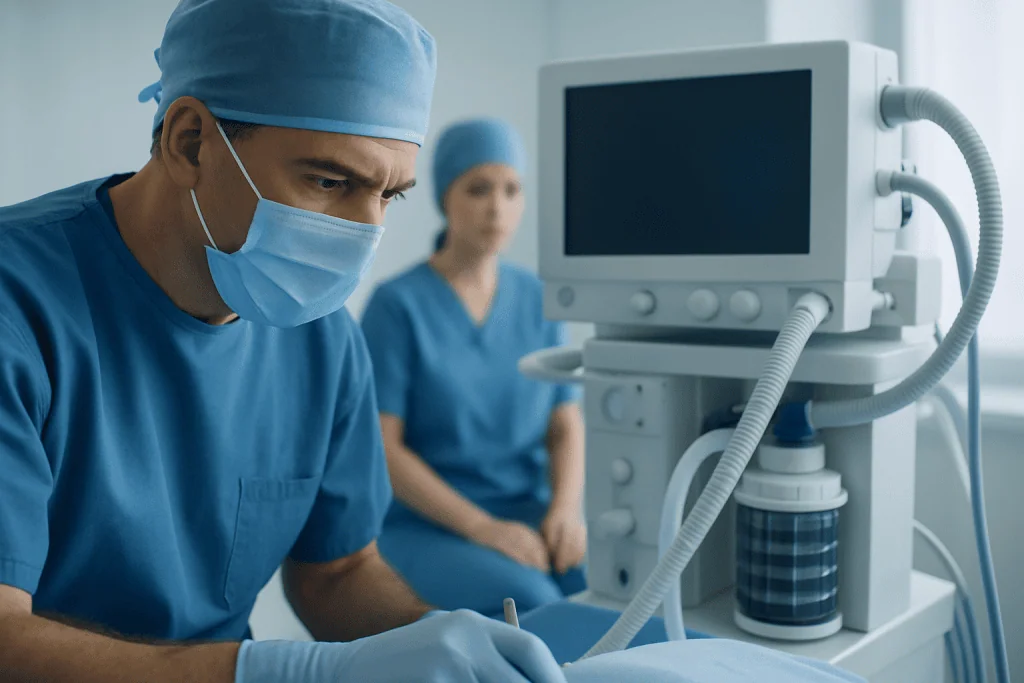
Cleft palate repair is carried out under general anaesthesia, meaning the child is asleep and does not feel the operation. The surgical team monitors breathing, heart rate, oxygen levels and other vital signs throughout. The operation commonly takes several hours, depending on the anatomy and the technique required.
The surgeon makes carefully planned incisions inside the mouth, releases and repositions tissue, and closes the palate in layers with dissolvable stitches. The muscles of the soft palate are repaired to improve their movement. Because the incisions are inside the mouth, there is usually no visible external scar from palate surgery.
Cleft lip surgery is different: it reshapes and joins the tissues of the lip and may also improve the shape of the nose. It is often performed earlier than palate repair. Families considering surgical options may discuss cleft lip and palate surgery with a qualified surgical team to understand the planned technique, anaesthesia and expected follow-up.
After surgery, children are observed in hospital until they are comfortable, able to feed safely and medically stable. The length of stay varies by the child’s age, procedure, feeding progress and local clinical protocol.
Recovery timeline, feeding and aftercare
Recovery begins immediately after surgery. Swelling, nasal stuffiness, fussiness and temporary changes in feeding are common in the first few days. The care team provides age-appropriate pain relief and gives families instructions about feeding methods, mouth care, medicines and protecting the surgical site.
For the first weeks, the palate needs time to heal. Families may be advised to use a spoon, cup, syringe or a specific bottle system rather than objects that could disturb the repair. Hard foods, toys placed in the mouth and utensils may need to be avoided for a period specified by the surgeon. If arm restraints are recommended, they are used to help prevent a child from putting fingers or objects into the mouth.
Many children return to their usual daily routine gradually over one to two weeks, while deeper tissue healing continues for several weeks. Follow-up appointments are important to check wound healing, growth, feeding and future speech development. Speech and hearing assessment may continue over years, since surgery is one part of comprehensive cleft care.
- Offer fluids and foods exactly as advised by the surgical team.
- Give prescribed or recommended pain medicines according to instructions.
- Keep follow-up appointments and contact the team if feeding becomes difficult.
- Avoid smoking or smoke exposure around children, as it can impair healing and respiratory health.
Is cleft palate repair a major surgery?
Yes. Cleft palate repair is considered major surgery because it is performed under general anaesthesia and involves reconstructing tissues and muscles in the roof of the mouth. It requires careful planning, specialised surgical expertise and close observation after the procedure, particularly in infants and young children.
At the same time, it is a well-established operation performed routinely in specialist cleft centres. The purpose is not only to close an opening but also to support feeding, speech and healthy development. The surgical team balances the potential benefits of early repair with each child’s readiness for anaesthesia and surgery.
Families can support safer care by sharing a complete medical history, including breathing symptoms, medications, allergies, previous anaesthetic experiences and feeding concerns. The anaesthesia and surgical teams will explain fasting instructions, hospital admission arrangements and the individual risks relevant to the child.
How long does it take to recover from a cleft palate repair?
Initial recovery from cleft palate repair commonly takes about two to three weeks, although each child heals differently. The first few days generally involve the most swelling, discomfort and adjustment to new feeding methods. The surface of the palate may appear different as it heals, and dissolvable stitches gradually disappear.
Internal healing and adaptation of the palate muscles continue beyond the early recovery period. Follow-up visits help the team assess whether the repair has healed as expected. Longer-term care may include monitoring speech development, hearing, middle-ear fluid, tooth eruption and facial growth.
Parents and caregivers should follow the exact aftercare timeline given by their surgeon. A child may need additional time away from nursery or school if they are not eating or sleeping comfortably, have ongoing pain, or are at higher risk of exposure to respiratory infections.
How painful is cleft lip surgery recovery?
Cleft lip surgery recovery can cause temporary discomfort, swelling and irritability, especially during the first few days. Babies and children cannot always describe pain clearly, so caregivers may notice crying, reduced sleep, reluctance to feed or increased need for comfort. The hospital team provides a pain-management plan designed for the child’s age and procedure.
Pain should become progressively easier to manage rather than worsen over time. Keeping the incision clean and following feeding and wound-care instructions can support comfort and healing. The lip may look swollen or uneven early on; this usually improves as swelling settles and scars mature.
Caregivers should contact the surgical team if pain is not controlled by the recommended plan, if the child is feeding much less than usual, or if there are concerns about the wound. Medication should never be changed, added or dosed without advice from an appropriate clinician.
What complications after cleft palate repair? When to seek medical care
Most children recover without serious problems, but every operation has potential risks. After cleft palate repair, these can include bleeding, infection, anaesthetic complications, wound separation, dehydration from poor intake, and an opening that persists or reopens between the mouth and nose, known as a fistula. Some children may later have speech differences, nasal air escape during speech, middle-ear fluid or hearing concerns that require ongoing care.
Medical advice should be sought promptly if a child has trouble breathing, persistent or heavy bleeding, a fever or worsening illness, repeated vomiting, signs of dehydration such as very few wet nappies, cannot take fluids, has increasing swelling, or seems unusually sleepy or difficult to wake. Caregivers should use emergency services for severe breathing difficulty, blue or grey colour around the lips, loss of consciousness or uncontrolled bleeding.
Acibadem International’s multidisciplinary specialists and JCI-accredited hospitals diagnose and treat cleft lip and palate conditions for international patients. Ongoing review by surgical, speech, hearing and dental professionals helps identify concerns early and tailor care as a child grows.
Frequently asked questions
Is “repair synaptic cleft painting” a real medical procedure?
No. It is not a recognised medical or surgical procedure. The term may be a mistaken phrase for cleft palate repair, cleft lip repair, or a different treatment discussed with a healthcare professional.
At what age is cleft palate repair usually performed?
Cleft palate repair is often planned during infancy, but the exact timing depends on the child’s health, growth, cleft anatomy and the treatment centre’s approach. The cleft team will recommend an individual schedule after assessment.
Will cleft palate surgery improve speech?
Repairing the palate helps create the anatomy needed for normal speech development, but it does not guarantee that speech will develop without difficulty. Many children benefit from ongoing assessment by a speech and language therapist, and some may need further treatment.
Can a cleft palate reopen after surgery?
In some cases, a small opening called a fistula can remain or develop after healing. It may cause nasal leakage of food or fluids, recurrent nasal symptoms or speech concerns, and the cleft team can assess whether observation, therapy or another procedure is appropriate.
How long will a child stay in hospital after cleft palate repair?
The hospital stay varies according to the child’s recovery, feeding ability, pain control and medical needs. Many children stay for a short period of observation, but the surgical team will provide the expected plan for the individual child.
What should caregivers avoid after cleft palate repair?
Caregivers are usually asked to avoid hard foods, utensils, toys or fingers in the mouth that could injure the healing palate. Exact restrictions and feeding methods differ between surgical teams, so the surgeon’s written aftercare instructions should be followed closely.
References
- American Cleft Palate-Craniofacial Association
- Centers for Disease Control and Prevention
- National Health Service
- World Health Organization
- American Society of Plastic Surgeons
This article is for general information only and is not a substitute for professional medical advice. Please consult a qualified doctor about your individual situation.
Explore treatments in Turkey — costs, top hospitals & a free quote
JCI-accredited · board-certified surgeons · reply within 24h
Add us as a Preferred Source to see more of our trusted health content across Google Search, AI Overviews and Discover.
Check your numbers in seconds
BMI, calories, due date, blood pressure and 30+ more clinical calculators — free, instant, doctor-reviewed ranges.