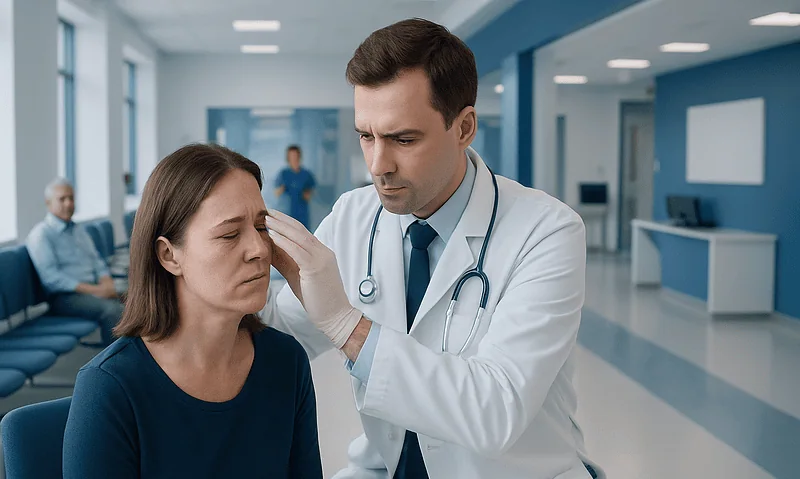
Pcd Treatment: How It Works, Results and What to Expect

Primary ciliary dyskinesia (PCD) is a genetic condition that affects the movement of tiny hair-like structures called cilia. Regular airway clearance and prompt treatment of respiratory infections are central parts of PCD treatment.
Key Takeaways
- Primary ciliary dyskinesia (PCD) is a genetic condition that affects the movement of tiny hair-like structures called cilia.
- Regular airway clearance and prompt treatment of respiratory infections are central parts of PCD treatment.
- People with PCD benefit from ongoing monitoring of lung function, hearing, sinus health and nutritional status.
- Treatment plans may include inhaled therapies, antibiotics, physiotherapy and surgery for selected complications.
- With consistent specialist care, many people with PCD can remain active and manage symptoms effectively.
PCD treatment does not currently correct the underlying genetic condition, but it can help clear mucus, prevent or treat infections, protect lung function and address ear, nose and fertility concerns. Care is usually long-term and individualized, involving respiratory specialists and other clinicians familiar with primary ciliary dyskinesia.
PCD Treatment Overview
PCD treatment is designed to manage the effects of primary ciliary dyskinesia rather than cure the genetic cause. In PCD, cilia do not beat normally. These microscopic structures help move mucus, germs and particles out of the airways, nose and sinuses. When mucus is not cleared efficiently, repeated chest infections, chronic cough, nasal congestion and ear problems can develop.
The main goals of care are to keep airways as clear as possible, identify and treat infections early, preserve lung function and support day-to-day wellbeing. Because PCD can affect several body systems, care may involve a pulmonologist, physiotherapist, ear, nose and throat specialist, audiologist, microbiology team and, when needed, fertility specialists.
Some people confuse PCD with obsessive-compulsive disorder because of similar abbreviations. This article discusses primary ciliary dyskinesia, a respiratory genetic condition, not OCD treatment or intrusive thoughts. An accurate diagnosis is important because the causes, outlook and treatments are entirely different.
How PCD Treatment Works
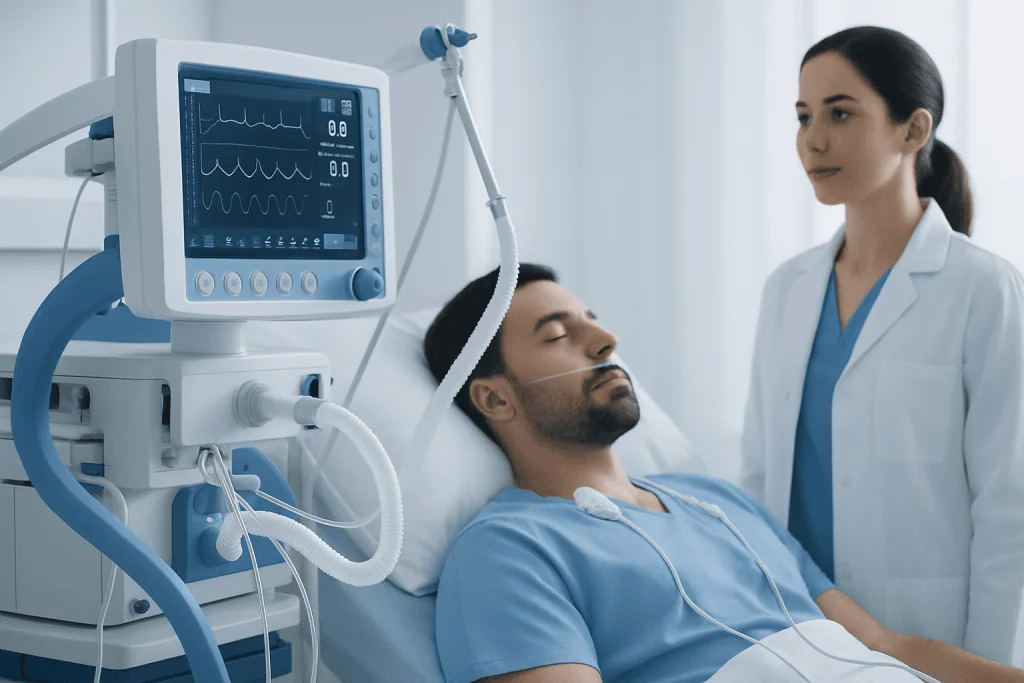
Healthy cilia move mucus upward through the airways, where it can be swallowed or coughed out. In PCD, impaired ciliary movement allows mucus to remain in the lungs. This creates an environment where bacteria may grow more easily and inflammation can gradually damage the airways. Treatment works by supporting mucus clearance and managing the consequences of this reduced natural clearance.
Airway clearance techniques are often the foundation of treatment. A respiratory physiotherapist can teach methods tailored to the person’s age, symptoms and lung health. These may include active breathing techniques, postural drainage, positive expiratory pressure devices or chest-wall oscillation devices. Regular physical activity can also help mobilize secretions and support cardiovascular fitness.
Clinicians may recommend saline nebulization for some people to make mucus easier to clear. Bronchodilator medicines may be used when a person has wheezing or coexisting airway narrowing. The best approach depends on symptoms, lung-function testing, mucus cultures and whether other conditions, such as asthma or bronchiectasis, are present.
For people who have developed persistent widening and damage of the airways, care may overlap with bronchiectasis management. Regular review helps ensure that airway-clearance methods remain effective as needs change over time.
Who May Benefit From a PCD Treatment Plan?

Anyone with confirmed or strongly suspected PCD should be assessed by a team experienced in chronic respiratory disease. Symptoms can begin early in life. They may include a wet cough that persists, frequent chest infections, chronic nasal blockage, recurrent sinus infections, repeated middle-ear disease or hearing difficulties. Some newborns with PCD have breathing distress without another clear explanation.
PCD is sometimes associated with situs inversus, in which organs are positioned differently from usual, or with other differences in organ arrangement. Fertility may also be affected because cilia and related structures have roles in the reproductive system. However, the severity of PCD varies considerably, and treatment should reflect the individual’s symptoms and test results rather than a fixed schedule.
Assessment commonly includes a detailed medical history, examination, breathing tests, sputum or cough-swab cultures, hearing evaluation and imaging when clinically appropriate. Specialized diagnostic testing may include nasal nitric oxide measurement, high-speed video microscopy, genetic testing and examination of ciliary structure. Not every test is needed for every person.
What Happens During PCD Treatment?
PCD treatment is usually an ongoing care process, not a single procedure. At an initial specialist review, the clinical team evaluates respiratory symptoms, infection history, current airway-clearance routine, medications, activity level, lung function and culture results. They also look for sinus, ear, hearing and nutritional concerns that may need separate care.
A practical treatment plan is then developed. A physiotherapist typically demonstrates airway-clearance techniques and checks that the person can perform them safely and effectively. The plan may include a daily routine when the person is well, with adjustments during a respiratory infection or flare-up. Children and families are often given age-appropriate education so treatment can fit around school and usual activities.
If symptoms suggest infection, clinicians may collect a sputum sample or swab before choosing an antibiotic where possible. Antibiotic selection and duration are based on the likely or identified organism, previous cultures, allergy history and local guidance. More severe infections may require hospital assessment and intravenous antibiotics.
Ear, nose and throat care may include hearing monitoring, treatment for chronic rhinosinusitis and discussion of procedures when complications are significant. People considering pregnancy may benefit from early reproductive counseling. A coordinated plan helps address the full impact of PCD without assuming every person will require the same interventions.
Benefits, Risks and Expected Results
The potential benefits of PCD treatment include easier mucus clearance, fewer or less severe infections, improved exercise tolerance, better symptom control and reduced risk of progressive airway damage. Results are often gradual. A successful plan may mean fewer disruptions from cough, congestion or infections, rather than the complete absence of respiratory symptoms.
Regular treatment can feel demanding, especially when airway clearance is needed every day. It may take time to find techniques and devices that are comfortable and practical. A physiotherapist can adjust the routine if it is difficult to follow, causes discomfort or does not seem to clear mucus effectively.
Medicines can have side effects. Antibiotics may cause stomach upset, diarrhea, rash or allergic reactions, and repeated antibiotic exposure can contribute to antimicrobial resistance. Inhaled medicines may occasionally cause throat irritation, cough or tremor depending on the medicine used. Clinicians weigh expected benefits and risks and review therapy regularly.
Surgery is not routine for PCD itself, but may be considered for selected ear, sinus or lung complications. The risks of any procedure depend on the procedure and the person’s health. Decisions should be made after discussion with the relevant specialist, including expected benefits, alternatives and recovery needs.
Recovery Timeline and Long-Term Follow-Up
There is no short recovery timeline for PCD because it is a lifelong condition. Instead, the focus is on establishing a sustainable routine and responding promptly when symptoms change. After learning airway-clearance techniques, many people become more confident with the process over days to weeks, while the effect on symptoms may become clearer over several weeks or months.
During a respiratory infection, cough and mucus may increase, and the treatment plan may temporarily become more intensive. Improvement depends on the infection, the person’s baseline lung health and how quickly treatment begins. Contacting the care team early can help prevent a prolonged illness or worsening airway inflammation.
Long-term follow-up commonly includes periodic lung-function testing and microbiology samples, with the interval individualized according to age, symptoms and disease severity. Imaging may be used when there are concerns about bronchiectasis or a meaningful change in respiratory health. Hearing, sinus symptoms, growth in children and nutrition may also be reviewed.
At Acibadem International, multidisciplinary specialists and JCI-accredited hospitals can assess and treat PCD-related respiratory, ear and sinus concerns for international patients. Ongoing follow-up should always be coordinated with a qualified clinician familiar with the person’s full medical history.
How Long Does PCD Usually Last?
PCD usually lasts throughout life because it is caused by inherited changes that affect cilia. Symptoms may fluctuate: some periods are relatively stable, while respiratory infections or sinus problems can cause temporary worsening. The condition does not typically disappear, but its impact can be reduced with regular preventive care and individualized treatment.
Early diagnosis and consistent airway care are important because they can help protect lung health over time. People should not judge the outlook solely by a bad infection or a difficult period. Their specialist can explain what their own symptoms, lung tests and imaging findings mean for long-term management.
Does PCD Affect Life Expectancy?
PCD can affect health over time, particularly if recurrent infections lead to significant bronchiectasis or reduced lung function. However, life expectancy varies widely and depends on factors such as disease severity, the presence of complications, access to specialist care and how consistently infections and mucus retention are managed.
Many people with PCD live into adulthood and can work, study, exercise and take part in family life. Regular monitoring and early treatment of chest infections are important ways to support long-term health. A respiratory specialist can provide the most meaningful outlook based on an individual’s clinical history rather than a general prediction.
Is PCD Considered a Disability?
PCD may be considered a disability in some settings when symptoms or treatment needs substantially limit daily activities, education or work. This is not automatic and depends on the person’s functional impact as well as the disability laws, healthcare systems and support criteria in their country.
Some people need adjustments such as time for physiotherapy, flexibility for clinic appointments, reduced exposure to respiratory infections or support during flare-ups. Keeping clear medical records can be helpful when discussing school, workplace or benefits accommodations. A treating clinician may be able to provide documentation describing practical health needs.
What Medications Help With PCD?
Medications used in PCD are chosen to address specific symptoms or complications. Antibiotics may treat bacterial respiratory infections, ideally guided by sputum culture results where available. In some circumstances, specialists may consider longer-term antibiotics for recurrent infections, but this decision requires careful review because of side effects and antimicrobial resistance.
Saline given through a nebulizer may help hydrate airway secretions and make them easier to clear. Bronchodilators may help people who also have airway narrowing, wheeze or asthma-like symptoms. Nasal saline rinses and nasal corticosteroid sprays may be appropriate for selected people with chronic nasal or sinus inflammation.
Not all medicines used in other chronic lung diseases have the same evidence or role in PCD. People should not start, stop or share antibiotics, inhalers or nebulized treatments without medical advice. The most effective medication plan is paired with regular airway clearance, vaccination and follow-up rather than used as a replacement for them.
When to Seek Medical Care
People with PCD should contact their care team when cough, sputum production, breathlessness, wheezing, fever, chest discomfort or fatigue is noticeably worse than usual. A change in the color, amount or thickness of mucus can also be important, especially when it persists. Prompt assessment may allow treatment to begin before symptoms become more difficult to control.
Urgent medical care is appropriate for severe shortness of breath, blue or gray lips or skin, confusion, coughing up more than a small amount of blood, severe chest pain, fainting or inability to keep fluids down. Children with increased work of breathing, unusual sleepiness, poor feeding or signs of dehydration should be assessed urgently.
Prevention also matters. Recommended vaccinations, avoiding tobacco smoke and maintaining regular activity can support respiratory health. Hand hygiene and avoiding close contact with people who are acutely unwell may reduce exposure to respiratory viruses, although complete avoidance is neither possible nor necessary for everyday life.
Frequently asked questions
Can PCD be cured?
There is currently no treatment that corrects the underlying genetic cause of primary ciliary dyskinesia. Treatment focuses on clearing mucus, treating infections, monitoring lung health and managing ear, sinus or fertility-related concerns. Research into PCD is ongoing.
How often should airway clearance be done with PCD?
The right frequency varies according to age, symptoms, mucus production, lung function and whether an infection is present. Many people have a regular daily routine that is increased during flare-ups. A respiratory physiotherapist can recommend and review an individualized plan.
Can exercise help people with PCD?
Regular physical activity can support fitness and may help mobilize mucus from the lungs. The type and intensity should be appropriate for the person’s current respiratory health and preferences. A clinician can advise on safe exercise if there is significant breathlessness or advanced lung disease.
Are antibiotics always needed for a PCD cough?
No. People with PCD may have a chronic wet cough even when they do not have a new bacterial infection. A clear worsening in cough, sputum, fever, breathlessness or general wellbeing should be discussed with a clinician, who may arrange cultures and decide whether antibiotics are appropriate.
Can PCD cause hearing problems?
Yes. Poor function of cilia in the middle ear can contribute to fluid buildup, recurrent ear infections and conductive hearing loss, particularly in children. Regular hearing checks and ear, nose and throat assessment can identify problems early.
Can people with PCD have children?
Many people with PCD can become parents, although fertility may be reduced in some men and women. Fertility assessment and reproductive counseling can help explain available options. These discussions are best started early when future family planning is important.
References
- European Respiratory Society
- American Thoracic Society
- National Institutes of Health
- Primary Ciliary Dyskinesia Foundation
- National Health Service
This article is for general information only and is not a substitute for professional medical advice. Please consult a qualified doctor about your individual situation.
IVF & fertility treatment in Turkey — success rates and costs
JCI-accredited · board-certified surgeons · reply within 24h
Add us as a Preferred Source to see more of our trusted health content across Google Search, AI Overviews and Discover.