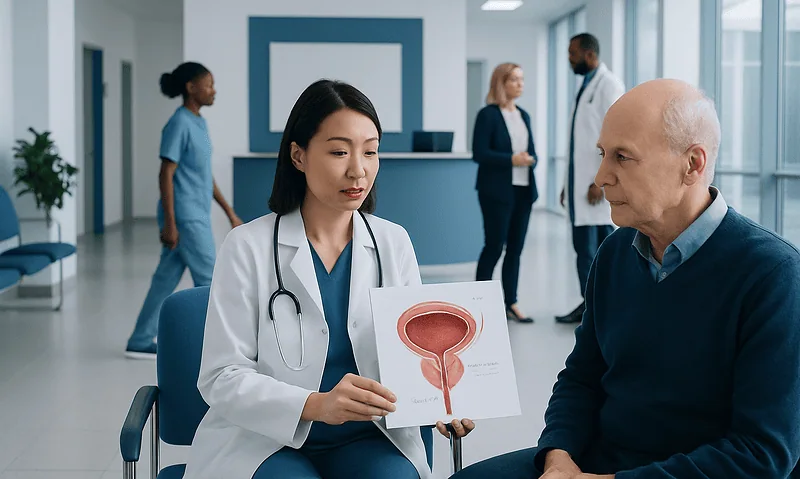
How Soon after DCIS Diagnosis to Surgery: Procedure, Recovery and Results

DCIS is a non-invasive breast cancer confined to the milk ducts, but treatment helps prevent an invasive cancer from developing later. Many people have surgery within weeks of diagnosis; the exact timing is individualized and should balance prompt care with careful planning.
Key Takeaways
- DCIS is a non-invasive breast cancer confined to the milk ducts, but treatment helps prevent an invasive cancer from developing later.
- Many people have surgery within weeks of diagnosis; the exact timing is individualized and should balance prompt care with careful planning.
- Breast-conserving surgery (lumpectomy) or mastectomy may be recommended depending on the size, grade and distribution of DCIS.
- High-grade DCIS often needs surgery and may be followed by radiotherapy after lumpectomy; hormone therapy may help some people.
- DCIS itself does not usually cause weight gain, although stress, reduced activity, menopause or treatments can affect weight.
Surgery for ductal carcinoma in situ (DCIS) is commonly planned within several weeks of diagnosis, allowing time to confirm pathology, discuss options and coordinate care. DCIS is non-invasive breast cancer, so it usually does not require emergency surgery, but timely consultation with a breast specialist is important.
Overview: how soon after DCIS diagnosis to surgery?
How soon after DCIS diagnosis to surgery? For many people, surgery is arranged within several weeks after diagnosis, once the biopsy results have been reviewed and the breast team has discussed the safest suitable approach. DCIS generally does not require surgery within days, but it should be addressed promptly rather than left without a treatment plan.
Ductal carcinoma in situ (DCIS) means abnormal cancer cells are present inside the breast milk ducts but have not grown through the duct wall into surrounding breast tissue. It is often found on a screening mammogram as tiny calcium deposits, called microcalcifications, before it causes symptoms. Because DCIS is non-invasive, outcomes are generally very favorable with appropriate treatment and follow-up.
The interval before surgery can be affected by the need for additional imaging, review of biopsy slides, genetic counseling in selected situations, reconstruction planning, or decisions about radiotherapy and hormone treatment. A short, planned interval can support informed decision-making without compromising the need for timely care.
Understanding DCIS and the goals of surgery
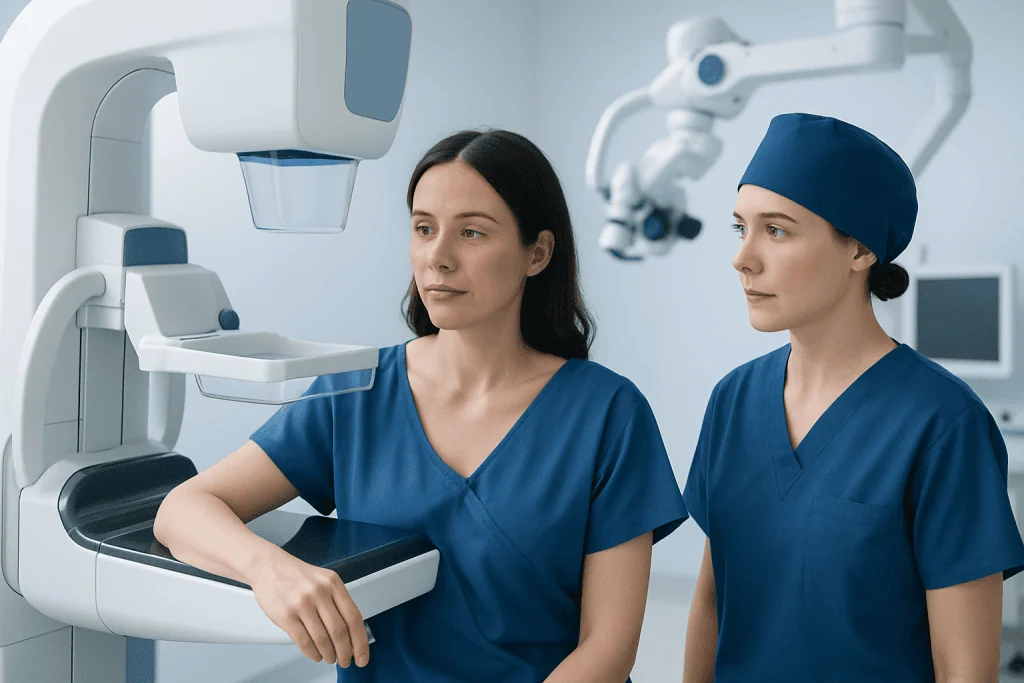
The main purpose of DCIS surgery is to remove the area containing abnormal cells and check whether any invasive cancer is present in the surgical specimen. A needle biopsy samples only part of the area seen on imaging, so surgery provides more complete information about the extent and characteristics of the condition.
There are two main surgical approaches. Breast-conserving surgery, also called lumpectomy or wide local excision, removes the DCIS with a rim of surrounding healthy tissue while preserving most of the breast. Mastectomy removes the breast tissue and may be advised when DCIS is widespread, present in more than one area, or cannot be removed with an acceptable cosmetic result.
For some people having a mastectomy, the surgeon may recommend sentinel lymph node biopsy. This checks the first lymph nodes that drain the breast, because a small invasive area may occasionally be found after surgery. Sentinel node biopsy is less commonly needed with routine lumpectomy for DCIS.
The choice is made with a breast surgeon and multidisciplinary team, considering imaging findings, pathology, breast size, personal priorities, previous radiotherapy and medical history. Both the cancer-control goal and the person’s preferences matter.
What is considered a large area of DCIS?

There is no single measurement that defines a “large” area of DCIS for every person. Specialists consider the estimated span of abnormal calcifications or enhancement on imaging, whether DCIS is in one location or multiple separate areas, and how much breast tissue would need to be removed to achieve clear margins.
In practical terms, an area extending across several centimeters may be described as extensive, especially if it occupies a large proportion of the breast. However, a smaller area may still be difficult to remove with lumpectomy if it is spread through multiple ducts or sits in more than one quadrant of the breast.
Imaging estimates can differ from the final size measured after surgery. Mammography, ultrasound and sometimes breast MRI help the team plan, but the pathology report after surgery provides the most definitive assessment. When the area is extensive, mastectomy may offer the most reliable way to remove all known DCIS, while reconstruction can be discussed where appropriate.
How soon should you have surgery after a DCIS diagnosis?
Most patients can safely use a short period after diagnosis to meet a breast surgeon, understand their pathology report and choose a treatment plan. Surgery is often scheduled within weeks, although the precise timing varies by individual circumstances and local care pathways.
Factors that may make earlier coordination appropriate include high-grade DCIS, a large area on imaging, a biopsy that raises concern for an invasive component, or symptoms such as a new lump. Even in these situations, the care team will usually ensure that imaging and surgical planning are complete before proceeding.
Delays can sometimes occur for additional tests, medical optimization, second pathology review, reconstruction consultation or personal decision-making. Patients who are concerned about a wait should contact their breast team. They can explain why a particular timeline is recommended and identify whether any steps can be completed sooner.
DCIS is not generally treated with chemotherapy before surgery. If a person has an unusual clinical situation or biopsy findings that suggest invasive cancer, the treatment sequence may differ. The treating team should clarify the diagnosis and the reason for any change in plan.
Procedure: candidacy, steps, benefits and risks
People with localized DCIS may be candidates for breast-conserving surgery if the abnormal area can be removed completely with clear margins while leaving a satisfactory amount of breast tissue. Mastectomy may be more suitable for extensive or multicentric DCIS, persistent positive margins after re-excision, certain genetic risk situations, or when a person prefers this option after informed discussion.
Before surgery, the team reviews imaging and biopsy results. If the DCIS cannot be felt, a radiologist may place a wire, marker or localization device to guide the surgeon. The operation is usually performed under general anesthesia. During lumpectomy, the surgeon removes the marked area; during mastectomy, breast tissue is removed and reconstruction may be performed at the same operation or later.
A pathologist examines the removed tissue, including the edges known as margins. If DCIS is close to or at a margin after lumpectomy, further surgery may be recommended to reduce the chance of DCIS remaining in the breast. The final pathology results also guide decisions about radiotherapy and endocrine therapy.
Benefits of surgery include removing the known DCIS and obtaining a complete diagnosis. Risks may include bleeding, infection, fluid collection, pain, altered breast shape or sensation, scarring, and the possible need for another operation. Sentinel lymph node biopsy can rarely cause arm swelling, numbness or reduced shoulder movement. The surgical team explains individual risks before consent.
Recovery timeline and treatment after surgery
Recovery depends on the operation performed, whether lymph nodes were sampled and whether reconstruction was included. After lumpectomy, many people return home the same day and gradually resume light daily activities over the following days. Bruising, swelling, tenderness and fatigue can occur and usually improve steadily.
Recovery after mastectomy typically takes longer. Drains may be used temporarily, particularly when reconstruction is performed. The surgical team provides guidance on wound care, showering, arm exercises, lifting limits, pain relief and the timing of work, driving and exercise. Follow-up is important for reviewing healing and final pathology.
After breast-conserving surgery, radiotherapy is frequently recommended because it lowers the likelihood of DCIS or invasive cancer returning in the treated breast. If DCIS is hormone receptor-positive, endocrine therapy may be discussed to reduce the risk of future breast events. The benefits and possible side effects should be considered individually.
For people facing complex choices, a multidisciplinary breast team can bring together breast surgery, radiology, pathology, medical oncology, radiation oncology and reconstructive expertise. Acibadem International’s multidisciplinary specialists and JCI-accredited hospitals diagnose and treat breast conditions for international patients.
Can DCIS cause weight gain?
DCIS itself does not usually cause weight gain. It is confined to the breast ducts and typically does not produce body-wide symptoms. Many people feel physically well when DCIS is identified through routine screening.
Weight changes around diagnosis may instead relate to stress, emotional eating, sleep disruption, reduced activity during recovery, menopause, other health conditions or medicines. Some hormone-based treatments can also affect how a person feels or manages weight, although weight gain is not necessarily caused by treatment alone.
A gradual return to regular movement, balanced meals and adequate sleep can support overall wellbeing during treatment. Any unexplained or rapid weight change should be discussed with a doctor, particularly when accompanied by other symptoms such as persistent fatigue, swelling, appetite changes or breathlessness.
What is the best treatment for high grade DCIS?
There is no one best treatment for every case of high-grade DCIS. High grade describes cells that look more abnormal under the microscope and may have a higher chance of recurrence if not adequately treated. Surgery is the central treatment, with either lumpectomy or mastectomy selected according to the extent and location of disease.
When high-grade DCIS is treated with lumpectomy, radiotherapy is commonly advised to lower the risk of recurrence in the same breast. Hormone therapy may also be considered when the DCIS has estrogen receptors, especially after breast-conserving surgery. It is not appropriate for everyone, and the decision should include a discussion of benefits, medical history and side effects.
Mastectomy may be recommended for high-grade DCIS that is widespread or cannot be fully removed with clear margins. Radiotherapy is not usually needed after mastectomy for pure DCIS, although there can be exceptions. Chemotherapy is not a standard treatment for DCIS because the cells have not invaded beyond the ducts.
Pathology details, including grade, margins, hormone receptor status and the presence of necrosis, help guide recommendations. A second opinion from a qualified breast cancer specialist can be helpful if a person is uncertain about their options.
When to seek medical care
Anyone with a new breast lump, persistent area of thickening, nipple discharge that is bloody or spontaneous, a nipple that becomes newly inverted, skin dimpling, breast redness or a change in breast shape should arrange a medical assessment. These changes are often caused by non-cancerous conditions, but they should not be self-diagnosed.
After a DCIS diagnosis, patients should contact their breast team if they have not received a clear follow-up plan, have questions about the recommended surgical timeline, or develop a new breast symptom while awaiting treatment. It is also reasonable to ask for an explanation of pathology terms, the expected size of surgery and whether radiotherapy or reconstruction consultations are needed.
Following surgery, urgent medical advice is appropriate for fever, worsening redness, increasing swelling, pus-like drainage, uncontrolled pain, sudden shortness of breath, chest pain or significant bleeding. These symptoms do not always indicate a serious complication, but prompt assessment is important.
Frequently asked questions
Is DCIS surgery an emergency?
DCIS surgery is usually not an emergency because DCIS is non-invasive. However, it should be planned promptly with a breast specialist, commonly within weeks, rather than postponed without medical guidance.
Can DCIS be treated without surgery?
Surgery remains the usual standard treatment for DCIS because it removes the abnormal area and confirms whether invasive cancer is present. Active monitoring is being studied for carefully selected low-risk DCIS, but it is not suitable for everyone and should only be considered with a specialist team.
Will I need radiotherapy after DCIS surgery?
Radiotherapy is often recommended after lumpectomy because it reduces the risk of recurrence in the treated breast. It is usually not needed after mastectomy for pure DCIS, although individual pathology findings can affect this recommendation.
How long does it take to recover from DCIS lumpectomy?
Many people recover from the initial effects of lumpectomy over days to a few weeks, although tenderness and fatigue may last longer. Recovery varies with the amount of tissue removed, lymph node procedures and individual health needs.
Can high-grade DCIS become invasive cancer?
Untreated DCIS can sometimes progress to invasive breast cancer, although it is not possible to predict this precisely for one person. Treatment aims to remove DCIS and lower the chance of a future invasive cancer developing.
Does a mastectomy guarantee DCIS will not return?
Mastectomy substantially lowers the risk of DCIS or invasive cancer returning in the treated area, but no treatment can provide an absolute guarantee. Ongoing follow-up and attention to new symptoms remain important.
References
- National Cancer Institute
- American Cancer Society
- National Comprehensive Cancer Network
- European Society for Medical Oncology
- World Health Organization
This article is for general information only and is not a substitute for professional medical advice. Please consult a qualified doctor about your individual situation.
Oncology care in Turkey — second opinion and treatment plan
JCI-accredited · board-certified surgeons · reply within 24h
Add us as a Preferred Source to see more of our trusted health content across Google Search, AI Overviews and Discover.