Treatment for Ptsd in Teens: How It Works, Results and What to Expect
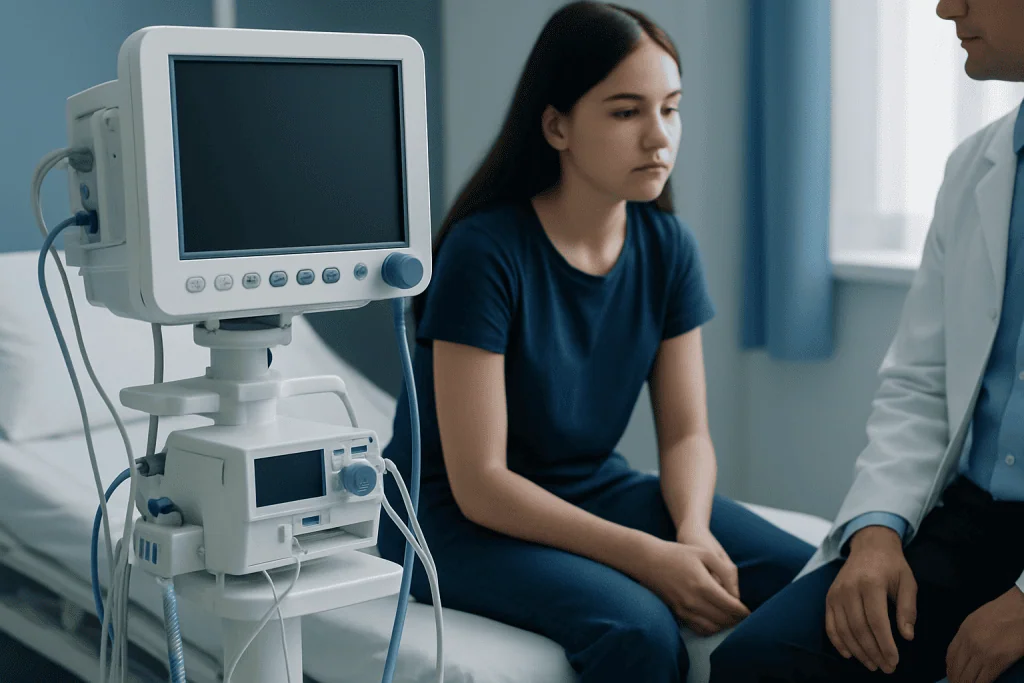
Trauma-focused psychotherapy is the main evidence-based treatment for PTSD in teenagers. Caregivers, school supports and a predictable home routine can strengthen recovery.
Key Takeaways
- Trauma-focused psychotherapy is the main evidence-based treatment for PTSD in teenagers.
- Caregivers, school supports and a predictable home routine can strengthen recovery.
- Medication may sometimes be considered for co-occurring symptoms, but it is not usually the first treatment for teen PTSD.
- Recovery is individual and may take time; setbacks do not mean treatment has failed.
- Urgent professional help is needed if a teen may harm themselves or someone else, cannot stay safe or is experiencing severe distress.
Treatment for PTSD in teens usually centers on trauma-focused psychotherapy, with caregiver involvement and practical support at school and home. Most adolescents can improve with an individualized plan that helps them feel safer, process traumatic memories gradually and return to valued daily activities.
Overview: how treatment for PTSD in teens works
Treatment for PTSD in teens is designed to reduce the ongoing effects of a frightening, harmful or overwhelming event. It usually combines trauma-focused talking therapy with support from caregivers, school staff and healthcare professionals. The goal is not to make a young person forget what happened. Instead, treatment helps them feel safer in the present, understand trauma reactions and regain control over sleep, relationships, learning and everyday life.
Post-traumatic stress disorder (PTSD) may develop after events such as violence, abuse, a serious accident, disaster, sudden loss or witnessing harm. Some teens have distressing memories or sleep difficulties soon after an event and recover with time and support. PTSD is considered when symptoms persist, cause significant distress or interfere with school, home or social functioning.
A qualified child and adolescent mental health professional tailors care to the teen’s age, developmental needs, culture, safety and preferences. Family involvement is often helpful, particularly when caregivers can support routines, practice coping skills and avoid blaming the teen for symptoms that are not their fault.
Symptoms, assessment and who may benefit from treatment
PTSD symptoms are commonly grouped into four areas: intrusive memories or nightmares; avoidance of reminders; changes in mood or thoughts, such as guilt, fear or emotional numbness; and heightened alertness, including irritability, poor concentration, sleep problems or being easily startled. In teenagers, symptoms can also appear as withdrawal, falling grades, risk-taking, physical complaints or conflicts at home.
A clinician assesses whether symptoms are related to trauma, how long they have been present and how they affect daily life. They will also ask about depression, anxiety, grief, substance use, bullying, neurodevelopmental needs and physical health. This careful assessment matters because symptoms may overlap with other mental health conditions, and more than one concern can be present at the same time.
Teens who have persistent trauma-related symptoms, avoid school or activities, have recurrent nightmares, feel constantly unsafe or struggle to function may benefit from professional treatment. A young person does not need to describe every detail of the event at the first appointment. Early sessions focus on trust, safety, understanding symptoms and agreeing on a manageable plan.
What are the 7 types of trauma responses?
There is no single official clinical list of exactly seven trauma responses. However, educators and clinicians often use simple language to explain common survival reactions. These may include fight, flight, freeze and fawn responses, as well as collapse or shutdown, hypervigilance and dissociation. People can experience more than one response, and reactions can change over time.
Fight may look like anger, arguing or aggression; flight may involve leaving, avoiding or staying constantly busy; and freeze can involve feeling unable to move, speak or decide. Fawn refers to excessive people-pleasing or trying to prevent conflict. Shutdown may involve numbness, fatigue or withdrawal, while hypervigilance means feeling continually on guard. Dissociation can involve feeling detached from oneself, surroundings or memories.
These reactions are not signs of weakness, deliberate misbehavior or a character flaw. They are protective responses of the nervous system during or after perceived danger. Treatment helps teens recognize triggers, develop grounding skills and choose safer, more flexible responses when they are no longer in danger.
Treatment options: step by step, benefits and possible risks
Trauma-focused psychotherapy is generally the first-line approach for PTSD in adolescents. Approaches may include trauma-focused cognitive behavioral therapy (TF-CBT), eye movement desensitization and reprocessing (EMDR), or other structured therapies delivered by appropriately trained clinicians. These treatments help a teen learn emotional regulation, challenge unhelpful trauma-related beliefs, reduce avoidance and gradually process traumatic memories at a pace that supports safety.
Care typically begins with an assessment and care plan. Early sessions may teach relaxation, grounding, sleep-support strategies and ways to identify emotions and triggers. When the teen is ready, therapy may include carefully guided trauma processing rather than unplanned repeated retelling. Later sessions focus on strengthening confidence, relationships, future goals and a plan for handling triggers or stress.
Family sessions may help caregivers understand PTSD, communicate calmly and respond effectively to distress. School accommodations may also be useful, such as a quiet place to reset, adjusted workload during acute symptoms or a trusted staff contact. Medication may be considered by a specialist when significant depression, anxiety, sleep disturbance or other co-occurring conditions are present, but it should be reviewed carefully and used alongside—not instead of—psychological care when appropriate.
Benefits can include fewer nightmares and intrusive memories, better sleep, improved school participation and stronger relationships. Temporary increases in emotion, tiredness or distress can occur while discussing trauma, which is why treatment should be paced and monitored. A therapist should regularly check safety and adjust the plan if symptoms worsen or the teen feels overwhelmed.
What to do immediately after a traumatic event?
Immediately after a traumatic event, the first priorities are physical safety, urgent medical care if needed and connection with a trusted adult. A teen should be moved away from ongoing danger and given calm, practical support. It is helpful to use simple reassurance, such as confirming that they are safe now and that they do not have to handle the situation alone.
Adults should listen without pressuring the teen to give a detailed account before they are ready. Offering choices—such as whether to sit quietly, contact a family member, have water or speak to a healthcare professional—can restore a sense of control. Keeping routines as predictable as possible over the following days may also help.
Emergency services or urgent mental health support are needed if there is immediate danger, serious injury, suicidal thoughts, self-harm, severe confusion, intoxication or an inability to remain safe. Following a serious event, a healthcare professional can advise on medical follow-up, safeguarding and emotional support. Not every teen who experiences trauma develops PTSD, but early supportive care can make a meaningful difference.
What are some tips and tricks for coping with PTSD?
Coping strategies cannot replace professional treatment, but they can help a teen manage distress between appointments. A simple grounding exercise may involve naming five things they can see, four they can feel, three they can hear, two they can smell and one they can taste. Slow breathing, gentle movement, music, drawing or time with a trusted person may also help the body settle after a trigger.
Regular sleep and wake times, balanced meals, hydration and age-appropriate physical activity can support emotional regulation. Teens may benefit from limiting caffeine and avoiding alcohol or recreational drugs, which can worsen sleep, anxiety and impulsive behavior. Keeping a brief journal of triggers, feelings and what helped can make patterns easier to discuss in therapy.
Caregivers can help by being consistent, listening without judgment and avoiding demands to “get over it.” It is usually more helpful to notice effort than to focus only on symptoms. For example, acknowledging that a teen attended school for part of the day or used a grounding skill can reinforce progress.
- Create a short list of trusted people and crisis contacts.
- Practice coping skills when calm, not only during distress.
- Break challenging tasks into small, achievable steps.
- Use predictable routines while allowing reasonable choice and flexibility.
How to rebuild your life after PTSD?
Rebuilding life after PTSD is usually a gradual process of reconnecting with safety, identity, relationships and meaningful activities. Recovery does not require a teen to return to exactly who they were before the trauma. Many young people develop a stronger understanding of their needs, boundaries and sources of support as they heal.
Working toward small goals can be more sustainable than trying to solve everything at once. A teen might begin by returning to one enjoyable activity, reconnecting with one trusted friend or completing part of a school task. Treatment can help address avoidance gradually, because avoiding all reminders may temporarily reduce anxiety but can maintain PTSD over time.
Family members can support recovery by making space for both ordinary teenage life and emotional healing. School counselors, pediatricians and mental health teams can coordinate support when symptoms affect attendance or learning. Acibadem International’s multidisciplinary specialists and JCI-accredited hospitals provide assessment and treatment planning for international patients who need coordinated mental health care.
When to seek medical care
A parent, caregiver or teen should arrange a professional assessment when trauma-related symptoms last longer than a few weeks, are intense, or interfere with sleep, relationships, school or daily activities. It is also appropriate to seek help sooner if the teen is increasingly isolated, using substances, having panic symptoms, acting recklessly or showing significant changes in mood or behavior.
Urgent help is needed if a teen talks about suicide, self-harm or harming someone else; has a plan or access to means; cannot be kept safe; or is experiencing severe agitation, confusion or loss of contact with reality. Contact local emergency services, a crisis service or the nearest emergency department in these circumstances. A trusted adult should stay with the teen while help is arranged when it is safe to do so.
PTSD is treatable, and seeking support is a practical step rather than a sign of failure. A child and adolescent psychiatrist, psychologist, pediatrician or other qualified mental health professional can help determine the next best step and involve the family in care.
Frequently asked questions
How long does treatment for PTSD in teens take?
The length of treatment varies with the teen’s symptoms, safety, trauma history and other mental health needs. Some structured trauma-focused therapies are delivered over a limited number of sessions, while others require longer-term support. The clinician should review progress regularly and adapt the plan when needed.
Is therapy effective for PTSD in teenagers?
Trauma-focused psychotherapy is the main evidence-based treatment approach for PTSD in children and adolescents. It can reduce trauma-related symptoms and improve daily functioning when delivered by a trained professional. Progress may be gradual, and a supportive home and school environment can help.
Do teens with PTSD need medication?
Not all teens with PTSD need medication. Medication may be considered by a qualified prescriber for significant co-occurring depression, anxiety, sleep problems or other symptoms, after an individual assessment. Psychological treatment and safety support remain central to care.
Can PTSD in teens go away without treatment?
Some young people recover from early trauma reactions with time, safety and support. However, persistent symptoms that disrupt sleep, school, relationships or daily life should be assessed rather than simply waited out. Early professional support may reduce the impact of symptoms.
How can parents support a teen with PTSD?
Parents can offer calm, predictable support, listen without forcing discussion and help the teen attend treatment. They can also work with school staff when needed and encourage healthy routines. It is important to take any talk of self-harm, suicide or ongoing danger seriously and seek urgent help.
What should a teen do during a PTSD flashback?
A teen can try grounding by naming objects in the room, feeling their feet on the floor and reminding themselves of the current date and location. Slow, steady breathing and contacting a trusted adult may also help. If flashbacks are frequent, severe or linked with safety concerns, a mental health professional should be contacted.
References
- American Academy of Child and Adolescent Psychiatry
- National Institute of Mental Health
- National Institute for Health and Care Excellence
- World Health Organization
- International Society for Traumatic Stress Studies
This article is for general information only and is not a substitute for professional medical advice. Please consult a qualified doctor about your individual situation.
Explore treatments in Turkey — costs, top hospitals & a free quote
JCI-accredited · board-certified surgeons · reply within 24h
Add us as a Preferred Source to see more of our trusted health content across Google Search, AI Overviews and Discover.