What Is a Sane Exam? A Doctor-Reviewed Answer
A SANE exam is performed by a Sexual Assault Nurse Examiner or similarly trained clinician. The exam focuses on medical care first, with evidence collection offered according to the patient's wishes and local laws.
Key Takeaways
- A SANE exam is performed by a Sexual Assault Nurse Examiner or similarly trained clinician.
- The exam focuses on medical care first, with evidence collection offered according to the patient's wishes and local laws.
- A person can usually decline any part of the exam and should be asked for consent throughout the process.
- Prompt medical care is important for injuries, pregnancy prevention, STI prevention, and emotional support.
- Even if someone is unsure about reporting to police, a medical evaluation may still be helpful.
A SANE exam is a specialized medical and forensic evaluation offered after sexual assault or abuse. In many cases, the exam helps address immediate health concerns, document findings carefully, and, if the patient chooses, collect evidence in a trauma-informed way.
Overview: what is a SANE exam?
A SANE exam is a sexual assault medical-forensic exam performed by a Sexual Assault Nurse Examiner or another clinician with specialized training. It is designed to care for a person’s immediate health needs after sexual assault or abuse while also documenting findings and, when the patient agrees, collecting forensic evidence that may be used later in an investigation.
For many people, the most important thing to know is that the exam is centered on the patient’s safety, dignity, and choices. Medical care comes first. The clinician checks for injuries, discusses symptoms, offers treatment to reduce the risk of sexually transmitted infections or pregnancy when appropriate, and explains each step before it happens.
A SANE exam does not require a person to make a police report in every setting, although rules differ by country, state, and age. Some people seek the exam only for healthcare reasons. Others want evidence collected in case they decide to report later. The details depend on local policies and the circumstances of the assault.
The exam can feel emotionally difficult, but it should be trauma-informed and as gentle as possible. Patients are typically told that they can pause, ask questions, have a support person present if allowed, and decline any part of the process.
Why someone might need a SANE exam
A person may be offered a SANE exam after any sexual contact that happened without consent, including assault involving vaginal, anal, or oral contact, unwanted touching, suspected drug-facilitated assault, or situations in which the person cannot clearly recall events. The exam may also be considered when there are genital symptoms, pain, bleeding, bruising, or concern about exposure to infections.
Not every assault causes visible injury, and a normal exam does not mean an assault did not happen. This is important because many people worry that if they do not have obvious bruises or tears, medical care will not help. In reality, the exam can still support health needs, careful documentation, and informed decision-making.
The timing matters because some treatments work best when given early, and some forms of forensic evidence are more likely to be recoverable soon after an assault. Even so, a person should still seek care if more time has passed. A clinician can explain what options remain useful based on the situation, symptoms, and local protocols.
Sometimes people search for “what is a sane exam” because they are worried about symptoms such as pelvic pain, bleeding, discharge, or urinary discomfort. These symptoms can have many causes, including sexually transmitted infections, trauma, or unrelated gynecologic or urologic conditions. A medical review can help sort these possibilities out.
What happens during the exam
The exact steps vary by setting, but the visit usually begins with a private conversation. The clinician asks what happened, what symptoms are present, whether there may have been strangulation or head injury, what medications the person takes, and whether there is any chance of pregnancy or exposure to infection. Patients do not have to describe more than they feel able to share, although some history helps guide care.
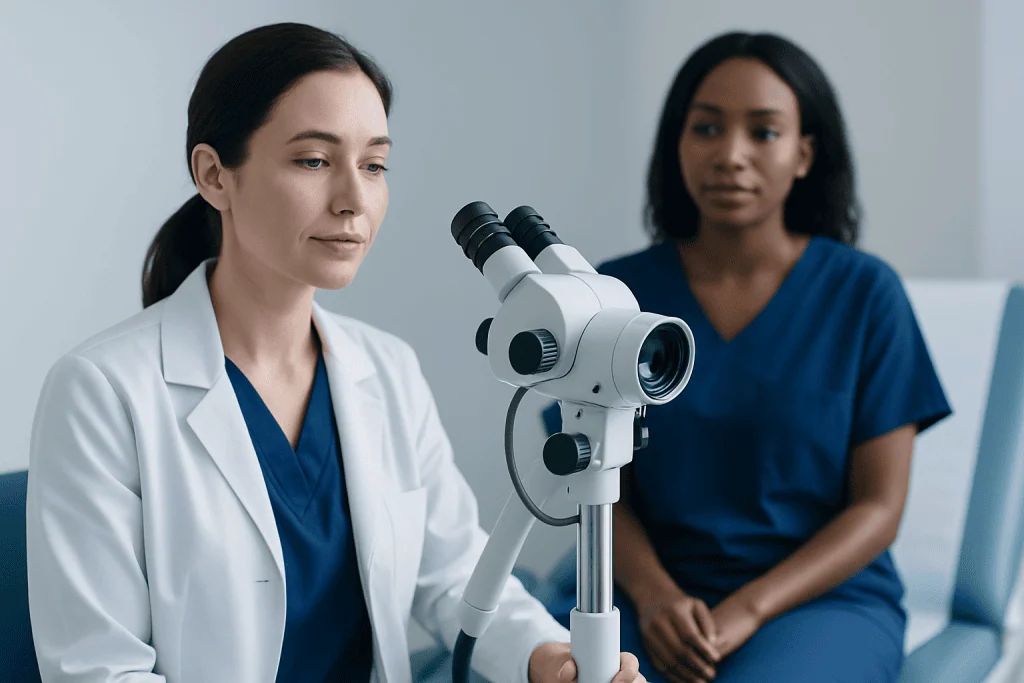
Next comes a physical exam, which may include a general head-to-toe assessment and, if relevant, a genital exam. The clinician looks for tenderness, cuts, bruises, swelling, or other findings and documents them carefully. Photographs may be offered in some settings with permission. Special tools may sometimes be used to see small injuries more clearly, but the process should be explained in advance.
If the patient agrees, forensic evidence may be collected. This can include swabs from the body, fingernail samples, clothing collection, and documentation of injuries. People often call this a rape kit, but the contents depend on the circumstances and local practice. Consent should be obtained step by step, and the patient can stop at any point.
The visit often also includes pregnancy testing when appropriate, tests for infections, and preventive treatment. Depending on the case, this may include emergency contraception, vaccinations, or medications related to STI prevention. If injuries need further assessment, doctors may recommend MRI imaging or other studies, especially when there are signs of head, neck, or soft-tissue injury.
How doctors assess urgent symptoms and red flags
Most people who need a SANE exam do not have life-threatening injuries, but some symptoms need urgent medical attention right away. These include severe bleeding, trouble breathing, loss of consciousness, severe headache, repeated vomiting, chest pain, seizure, new weakness, intense abdominal pain, or signs of strangulation such as neck pain, voice changes, swallowing difficulty, or fainting. In these situations, emergency care takes priority over evidence collection.
Doctors also pay close attention to mental status and safety. Confusion, memory gaps, extreme drowsiness, agitation, or concern about drug-facilitated assault may change the tests that are needed. If there is concern for acute injury to the brain, face, chest, abdomen, or pelvis, emergency clinicians may involve specialists and order imaging or blood tests before or alongside the forensic exam.
Internal injuries can occasionally occur even when outward signs seem mild. For example, severe pelvic pain, marked abdominal tenderness, blood in the urine, or dizziness may point to more serious trauma. Depending on symptoms, the team may use ultrasound or other diagnostic studies to look for internal bleeding or organ injury.
When symptoms involve ongoing genital pain, bleeding, or discharge after the immediate event, clinicians may also consider common conditions unrelated to assault, such as vaginitis, urinary infection, or hormonal causes. Care is individualized so that urgent problems are not missed while maintaining a supportive, nonjudgmental approach.
Aftercare, treatment, and emotional support
Care does not end when the exam is over. Many patients are offered preventive treatment for sexually transmitted infections, follow-up testing, and guidance about pregnancy prevention if relevant. Wound care, pain relief, and treatment for bruises, tears, or other injuries may also be needed. If symptoms are more complex, referral to gynecology, urology, infectious diseases, or mental health services may be recommended.
Emotional reactions after assault vary widely. Some people feel numb at first and upset later. Others experience anxiety, sleep problems, flashbacks, difficulty concentrating, shame, or fear. These reactions are common responses to trauma, not signs of weakness. Early support from a counselor, advocate, or mental health professional can be helpful.
Follow-up visits are often important because some infections are not detectable immediately, bruising can evolve over time, and emotional symptoms may appear after the initial crisis. A doctor may repeat testing, check how injuries are healing, and discuss further support. If pelvic symptoms persist, a more detailed gynecologic evaluation may be advised, including colposcopy in selected cases where close examination of the cervix or vaginal tissues is needed.
Near the end of the process, some patients also ask where to continue care if they are traveling or living abroad. Acibadem International’s multidisciplinary specialists and JCI-accredited hospitals support international patients who need diagnosis, follow-up, and treatment related to sexual health concerns and trauma recovery.
When to seek medical care
It is best to seek medical care as soon as possible after sexual assault, even if the person is unsure about reporting the event. Early evaluation can address injuries, reduce the risk of infection, and preserve more options for evidence collection. Seeking help quickly may also make it easier to access emergency contraception when needed.
Urgent or emergency care is especially important if there is heavy bleeding, severe pain, trouble breathing, loss of consciousness, concern for strangulation, a possible head injury, or thoughts of self-harm. Children and teenagers should always be evaluated by qualified professionals when abuse is suspected, and mandatory reporting laws may apply.
If several days or even longer have passed, care can still be worthwhile. A clinician can evaluate persistent pain, discharge, fever, urinary symptoms, delayed bleeding, pregnancy concerns, or emotional distress. They can also explain whether testing, treatment, or documentation is still recommended.
People who are not sure where to go can contact emergency services, a hospital emergency department, a sexual assault response center, or a trusted doctor. If available locally, a SANE program can help coordinate trauma-informed medical and forensic care.
Common concerns and practical preparation
Many people worry that the exam will be painful or that they will lose control of the situation. A trauma-informed team should explain each part of the exam and ask permission before proceeding. Patients can usually request breaks, ask for a support person, and decline steps they do not want. Knowing this ahead of time can make the experience feel more manageable.
Another common concern is whether bathing, changing clothes, urinating, or brushing teeth means the exam is no longer useful. These actions can affect some evidence, but they do not mean a person should skip care. Medical treatment, injury assessment, support, and some forms of documentation may still be very helpful.
If possible, people are often advised to bring a change of clothes, any clothing worn during the incident in separate paper bags if they still have it, identification, and a list of medications. However, they should not delay urgent care if they do not have these items. The healthcare team can guide next steps based on what is available.
Questions about privacy, reporting, payment systems, and legal options vary by region. The clinician, hospital social worker, or local advocate can explain what information stays confidential, what must be reported, and what choices the patient has. Clear information can help patients make decisions that feel right for them.
Frequently asked questions
What does SANE stand for in a SANE exam?
SANE usually stands for Sexual Assault Nurse Examiner. This is a nurse with specialized training in trauma-informed care, injury assessment, evidence collection, and follow-up after sexual assault. In some settings, another trained clinician may provide a similar exam.
Do you have to report the assault to get a SANE exam?
Not always. In many places, a person can receive medical care and sometimes even evidence collection without deciding immediately about a police report. Rules differ by location, age, and situation, so the healthcare team should explain local options clearly.
How soon should someone get a SANE exam?
As soon as possible is best, because some medical treatments and forensic options are time-sensitive. Even so, care can still be useful after several days or longer. A doctor can advise what testing, treatment, and documentation may still help.
Can a person refuse parts of the exam?
Yes, in most cases the patient can decline any part of the exam. Consent should be requested throughout the visit, not just once at the beginning. A person may also ask to pause or stop the process at any time, unless emergency treatment is needed to save life or prevent serious harm.
Is a SANE exam the same as a rape kit?
Not exactly. A rape kit refers to the evidence collection materials that may be used during a sexual assault forensic exam. The SANE exam is broader and includes medical history, injury assessment, treatment, testing, and emotional support in addition to possible evidence collection.
What if there are no visible injuries?
A person can still have a valid reason for a SANE exam even without visible injuries. Many assaults do not leave obvious marks, and normal findings do not rule out what happened. The exam may still help with medical care, documentation, and follow-up planning.
References
- Centers for Disease Control and Prevention
- American College of Obstetricians and Gynecologists
- U.S. Department of Justice Office on Violence Against Women
- World Health Organization
This article is for general information only and is not a substitute for professional medical advice. Please consult a qualified doctor about your individual situation.
Explore treatments in Turkey — costs, top hospitals & a free quote
JCI-accredited · board-certified surgeons · reply within 24h
Add us as a Preferred Source to see more of our trusted health content across Google Search, AI Overviews and Discover.

More from the Health Library
Related Specialists

Dr. Ahmet Fırat Küçükköse
Inpatient Clinic Physicians Clinical Service
Prof. Dr. Özlem Dicle
Dermatology
Dr. Aygun Babayeva
Pediatrics
Dr. Emre Şentürk
Anesthesiology