Teratoma Treatment: How It Works, Results and What to Expect

Most teratomas are benign, but surgery is often recommended to confirm the diagnosis and prevent complications. The surgical approach may be minimally invasive or open, depending on the tumor’s size, location and suspected behavior.
Key Takeaways
- Most teratomas are benign, but surgery is often recommended to confirm the diagnosis and prevent complications.
- The surgical approach may be minimally invasive or open, depending on the tumor’s size, location and suspected behavior.
- For ovarian teratomas, surgeons often aim to preserve healthy ovarian tissue when this is appropriate.
- Malignant or immature teratomas may need specialist cancer care in addition to surgery.
- Recovery varies by procedure, but follow-up appointments are important to review pathology and healing.
Teratoma treatment most often involves planned surgical removal, especially when a tumor causes symptoms, is growing, has uncertain features, or may lead to complications. The treatment plan depends on the teratoma’s location, size, appearance on imaging, age of the patient, and whether pathology shows benign or malignant cells.
Teratoma Treatment: How It Works
Teratoma treatment is individualized, but surgery is the main treatment for most teratomas. A teratoma is a type of germ cell tumor that can contain tissues such as skin, hair, fat, bone or nerve tissue. It may develop in the ovaries, testes, chest, abdomen, pelvis, brain or other areas, although ovarian teratomas are among the most common forms.
The immediate goal of treatment is to remove the tumor safely, relieve symptoms where present, and allow a pathologist to examine the tissue under a microscope. This examination confirms whether the teratoma is mature and benign, immature, or malignant. Imaging findings, the person’s symptoms and the tumor’s location help the clinical team plan the safest approach.
Not every small, symptom-free lesion requires immediate surgery. In selected cases, particularly when imaging strongly suggests a benign lesion and the risk of complications is low, a specialist may recommend monitoring with repeat examinations or imaging. However, a growing mass, pain, torsion risk, uncertain imaging findings or suspected cancer generally makes active treatment more appropriate.
Who May Need Teratoma Surgery?
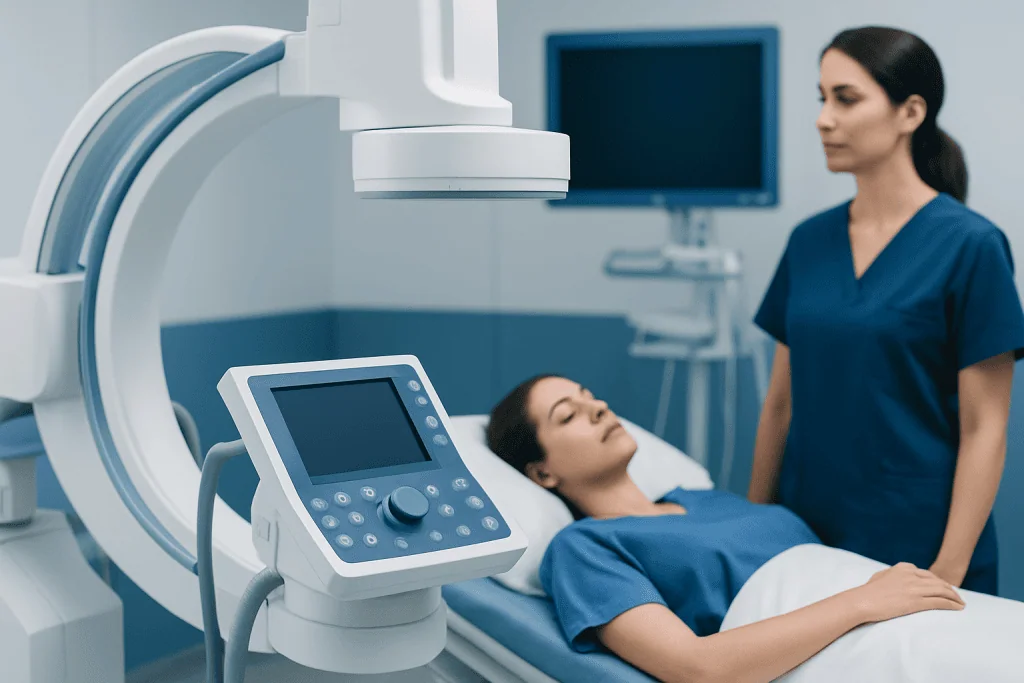
A specialist may recommend teratoma surgery when the mass is causing pain, pressure symptoms, bloating, bleeding, breathing symptoms or other effects related to its location. Surgery may also be advised when a tumor is large, increases in size, has atypical features on ultrasound, CT or MRI, or cannot be confidently classified as benign.
For ovarian teratomas, removal is commonly considered because the weight of the tumor can occasionally cause ovarian torsion, a twisting of the ovary that can interrupt its blood supply. The decision is carefully balanced against factors such as age, fertility wishes, the condition of the other ovary and the likelihood that the tumor is benign. Information about ovarian cysts can also help explain why different ovarian masses need different levels of monitoring or treatment.
Before surgery, clinicians review medical history, medications, previous operations and anesthetic risks. Blood tests and imaging may be needed. When cancer is a concern, care is typically coordinated with gynecologic oncology, medical oncology, pediatric oncology or another relevant specialty based on the tumor’s location and the patient’s age.
What Happens During Teratoma Surgery?

The procedure begins with anesthesia so the patient is asleep and comfortable. The surgical method depends on the teratoma’s site and size. Many ovarian teratomas can be removed using laparoscopy, also called keyhole surgery, where a camera and fine instruments are passed through several small abdominal incisions. Larger tumors, complex masses or tumors with a meaningful concern for cancer may require open surgery through a larger incision.
When possible, the surgeon removes the teratoma while preserving normal tissue. For a benign ovarian teratoma, this may mean a cystectomy, in which the cyst is separated from and removed from the ovary. In some circumstances, removal of the affected ovary or other nearby tissue is safer or medically necessary. The final choice is based on findings during surgery and the preoperative discussion.
The removed tissue is sent for pathology. If a teratoma has spilled material into the surgical area, the surgeon carefully irrigates the area to reduce irritation and inflammation. For tumors outside the ovary, the operation is adapted to protect nearby structures, such as the bowel, lungs, spinal tissues or blood vessels. Laparoscopic surgery may support a shorter recovery for appropriately selected patients.
Benefits, Risks and Recovery Timeline
The primary benefits of surgery are removal of the mass, relief of symptoms caused by pressure or pain, prevention of complications such as torsion, and a definite tissue diagnosis. For benign teratomas that are completely removed, treatment is often curative. Fertility-preserving techniques may be possible for many people with ovarian teratomas, although this depends on the amount of healthy ovarian tissue and the individual surgical situation.
All operations involve some risk. Potential risks include bleeding, infection, blood clots, reactions to anesthesia, scarring and injury to nearby organs. Ovarian procedures can also affect ovarian reserve or fertility, particularly if a large amount of ovarian tissue must be removed. Rarely, a cyst can rupture during surgery; surgeons use protective techniques and wash the area thoroughly when needed.
After uncomplicated laparoscopic surgery, many patients go home the same day or after one night in hospital. Light activity may be possible within days, while full recovery often takes around two to four weeks. Open surgery typically requires a longer hospital stay and recovery, often four to six weeks or more. The surgical team provides individualized instructions about wound care, activity, driving, work, pain control and follow-up.
- Seek urgent advice for worsening abdominal pain, persistent vomiting, fever, heavy bleeding, shortness of breath or a swollen, painful leg after surgery.
- Attend the pathology review appointment, as the result guides whether any additional care is needed.
- Avoid strenuous activity and lifting until the surgeon confirms it is safe to resume them.
What Is the Survival Rate for Patients With Teratoma Surgery?
Survival after teratoma surgery depends mainly on whether the tumor is benign or malignant, where it is located, whether it can be completely removed and, for cancerous tumors, its stage and response to treatment. Most mature teratomas are benign, and complete removal generally has an excellent outlook. In these cases, surgery is often the only treatment needed.
Immature teratomas and malignant germ cell tumors are less common and require specialist assessment. Treatment may include surgery followed by chemotherapy, and sometimes additional procedures or surveillance. It is not helpful to apply one survival figure to all teratomas because their behavior varies substantially by age, organ of origin and pathology findings.
A clinician can give the most meaningful outlook after reviewing the pathology report, imaging and surgical findings. Follow-up may include physical examinations, imaging and, in selected malignant germ cell tumors, blood tests for tumor markers. Early, coordinated specialist care supports informed treatment decisions and appropriate long-term monitoring.
How Serious Is a Teratoma?
A teratoma can range from a harmless, slow-growing benign tumor to a tumor that needs urgent specialist treatment. Mature teratomas are commonly benign, particularly in the ovaries, but they can still cause problems because of their size, location or the risk of twisting, rupture or pressure on nearby organs. Symptoms and imaging features help determine how promptly treatment is needed.
Immature teratomas contain less-developed tissue and may behave more aggressively. Malignant teratomas or other malignant germ cell tumors require cancer-focused care. A pathology examination is the most reliable way to distinguish these forms after removal or biopsy, although imaging and laboratory tests can help estimate risk before treatment.
It is understandable to feel concerned after being told there is a tumor. The term tumor does not automatically mean cancer. A healthcare team can explain what is known from imaging, why a specific treatment strategy is recommended and whether referral to a specialist center is appropriate.
How Quickly Do Ovarian Teratomas Grow?
Ovarian mature cystic teratomas, sometimes called dermoid cysts, often grow slowly and may be found incidentally during an ultrasound performed for another reason. Growth varies from person to person, so there is no single rate that applies to every ovarian teratoma. A clinician may compare current and previous scans to assess whether meaningful growth has occurred.
Even a slowly growing teratoma can eventually become large enough to cause discomfort, fullness, urinary frequency or pressure. Tumor size can also influence the likelihood of torsion. Sudden, severe one-sided pelvic pain, especially with nausea or vomiting, needs urgent medical assessment because torsion is one possible cause.
For selected patients with a small, typical-appearing benign lesion and no symptoms, surveillance may be reasonable. Repeat ultrasound timing should be decided with a gynecologist, as the plan depends on the person’s age, symptoms, reproductive plans, imaging appearance and access to follow-up.
How Long Does a Teratoma Surgery Take?
Teratoma surgery length varies considerably. A straightforward laparoscopic ovarian cystectomy may take roughly one to a few hours, while larger tumors, complex anatomy, tumors in other organs or operations requiring cancer staging can take longer. The total time in the hospital also includes preparation, anesthesia, recovery room monitoring and discussions with the care team.
Factors that can affect operating time include the tumor’s size, whether it is attached to surrounding structures, prior abdominal surgery, the need to preserve an ovary or testicle, and whether frozen-section pathology is used during the operation. If unexpected findings arise, surgeons may need to adjust the procedure to ensure safety.
Before surgery, the surgeon and anesthesiologist can describe the expected procedure, likely duration and recovery plan. Patients should also ask whether an overnight stay is anticipated and whether they will need help at home after discharge.
When to Seek Medical Care
Medical assessment is appropriate for persistent pelvic or abdominal pain, a new lump or swelling, unexplained bloating, a feeling of fullness, changes in bowel or bladder habits, or symptoms that are not improving. A clinician may arrange an examination and imaging to identify the cause. These symptoms are common and can have many explanations, but it is sensible not to ignore persistent changes.
Urgent medical care is important for sudden severe abdominal or pelvic pain, especially when accompanied by nausea, vomiting, fever, fainting or marked weakness. These symptoms can occur with ovarian torsion, rupture, bleeding or other conditions that need prompt evaluation. Testicular pain or swelling also requires timely assessment.
After diagnosis, follow the recommended surveillance or treatment plan and ask for clarification if it is unclear. Acibadem International’s multidisciplinary specialists and JCI-accredited hospitals diagnose and treat teratomas for international patients, coordinating surgical, pathology and oncology input when needed.
Frequently asked questions
Can a teratoma go away without treatment?
A teratoma usually does not disappear on its own. Some small lesions with reassuring imaging features may be monitored rather than removed immediately, but this should be decided with a specialist. Monitoring helps detect growth or changes that may alter the treatment plan.
Is teratoma surgery painful?
Pain is expected after surgery, but it is usually managed with a planned pain-relief approach. Minimally invasive procedures often cause less incision discomfort than open surgery, although each person’s experience differs. The care team should be informed if pain becomes severe or is not controlled.
Can an ovarian teratoma affect fertility?
Many ovarian teratomas can be removed while preserving the ovary and future fertility. However, fertility may be affected if the teratoma is very large, if ovarian tissue is limited, or if removal of an ovary is necessary. A gynecologist can discuss fertility-preserving options before treatment.
Will a teratoma come back after surgery?
A completely removed benign teratoma is unlikely to return at the same site, but new teratomas can occasionally develop, especially in the opposite ovary. Follow-up recommendations depend on the pathology result and the location of the tumor. Malignant or immature teratomas generally require closer surveillance.
Do all teratomas need chemotherapy?
No. Benign mature teratomas are typically treated with surgery alone when treatment is needed. Chemotherapy may be recommended for certain malignant or immature germ cell tumors, based on pathology, stage and other clinical findings. An oncology team determines whether it is appropriate.
What should patients bring to a teratoma surgery consultation?
It is helpful to bring previous ultrasound, CT or MRI reports and images, laboratory results, medication lists and details of prior operations. Patients may also prepare questions about the planned procedure, fertility, recovery and pathology testing. Bringing a support person can make it easier to remember the discussion.
References
- American College of Obstetricians and Gynecologists
- National Cancer Institute
- National Health Service
- Merck Manual Professional Edition
- European Society for Medical Oncology
This article is for general information only and is not a substitute for professional medical advice. Please consult a qualified doctor about your individual situation.
Hair transplant in Turkey — costs, graft counts & a free assessment
JCI-accredited · board-certified surgeons · reply within 24h
Add us as a Preferred Source to see more of our trusted health content across Google Search, AI Overviews and Discover.