Chemotherapy for Testicular Cancer: How It Works, Results and What to Expect
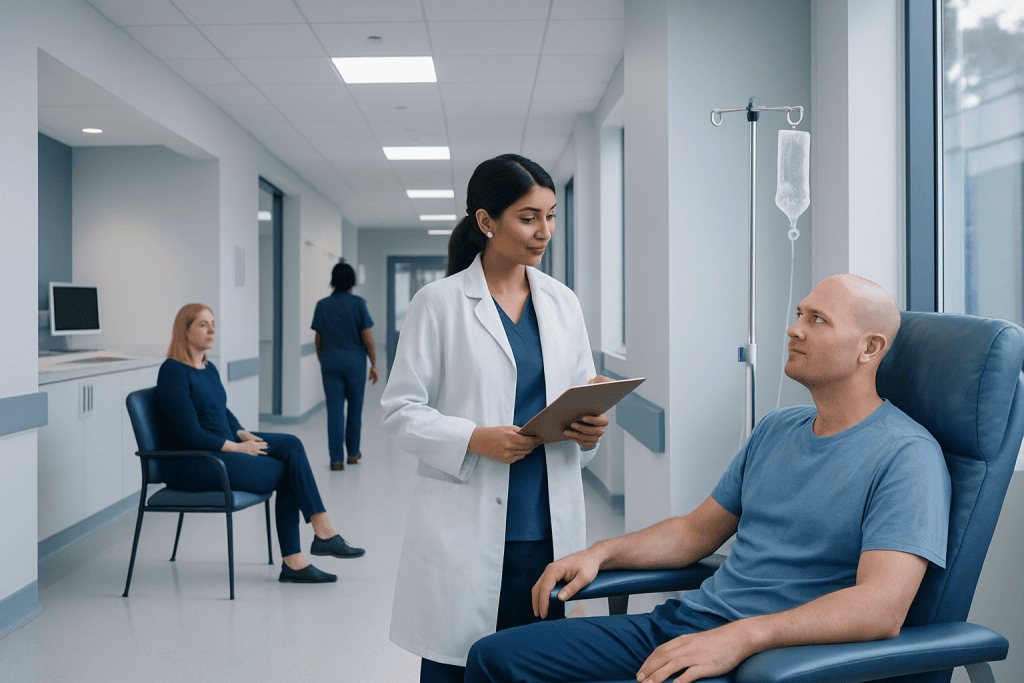
Chemotherapy may be used for testicular cancer that has spread, has a higher risk of returning, or remains after initial treatment. Treatment plans are based on the type of testicular cancer, tumour markers, scan findings, and overall health.
Key Takeaways
- Chemotherapy may be used for testicular cancer that has spread, has a higher risk of returning, or remains after initial treatment.
- Treatment plans are based on the type of testicular cancer, tumour markers, scan findings, and overall health.
- Common regimens include combinations of cisplatin, etoposide, and bleomycin, delivered in planned cycles.
- Side effects can be significant but are closely monitored, and many improve after treatment ends.
- Follow-up with blood tests, scans, and examinations is essential because recurrence can often be treated successfully.
Chemotherapy for testicular cancer uses powerful anti-cancer medicines to destroy cancer cells throughout the body. It is commonly used after removal of the affected testicle when there is a higher risk of relapse, or when tests or scans show cancer beyond the testicle; many people respond very well to treatment.
Overview: How Chemotherapy for Testicular Cancer Works
Chemotherapy for testicular cancer is a systemic treatment, meaning the medicines travel through the bloodstream and can reach cancer cells outside the testicle. It is especially important when cancer has spread to lymph nodes, the lungs, or other areas, or when there is a substantial chance that microscopic cancer cells remain after surgery.
Most testicular cancers begin in germ cells, the cells that normally develop into sperm. These cancers are often highly sensitive to chemotherapy, particularly medicines containing cisplatin. Treatment is carefully planned by an oncology team and is tailored to the cancer subtype, stage, blood tumour marker levels, previous treatment, and the person’s general health.
For most people, the first treatment is surgery to remove the affected testicle, called radical inguinal orchiectomy. Testicular cancer treatment may then involve surveillance, chemotherapy, surgery to remove lymph nodes or remaining masses, radiation therapy in selected seminoma cases, or a combination of these approaches.
Who May Need Chemotherapy?
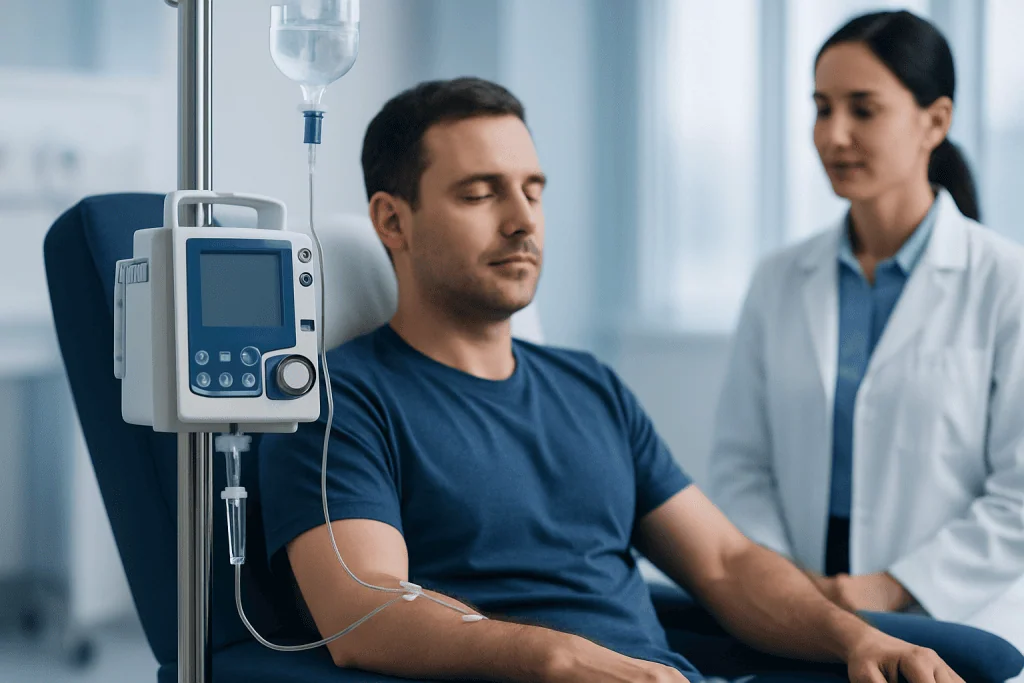
Not everyone with testicular cancer needs chemotherapy. Early-stage cancer may sometimes be managed with active surveillance after surgery, with regular examinations, blood tests, and imaging. This approach avoids unnecessary treatment while allowing doctors to detect a recurrence early.
Chemotherapy is more likely to be recommended when cancer has spread beyond the testicle, when tumour markers remain raised after surgery, when imaging shows enlarged lymph nodes or distant deposits, or when pathology findings indicate a higher risk of relapse. It can also be used if cancer returns after surveillance or previous treatment.
The two broad groups of testicular germ cell tumours are seminoma and nonseminoma. They can behave differently and may require different combinations of treatment. Some tumours contain features of both groups, so doctors use pathology results, imaging, and marker tests together rather than relying on one result alone.
Before chemotherapy begins, the team will discuss fertility, because treatment can temporarily or permanently affect sperm production. Sperm banking is often offered before treatment where feasible. Kidney function, hearing, lung function, nerve symptoms, and other health conditions may also be assessed to help choose and safely deliver treatment.
What Happens During Chemotherapy?
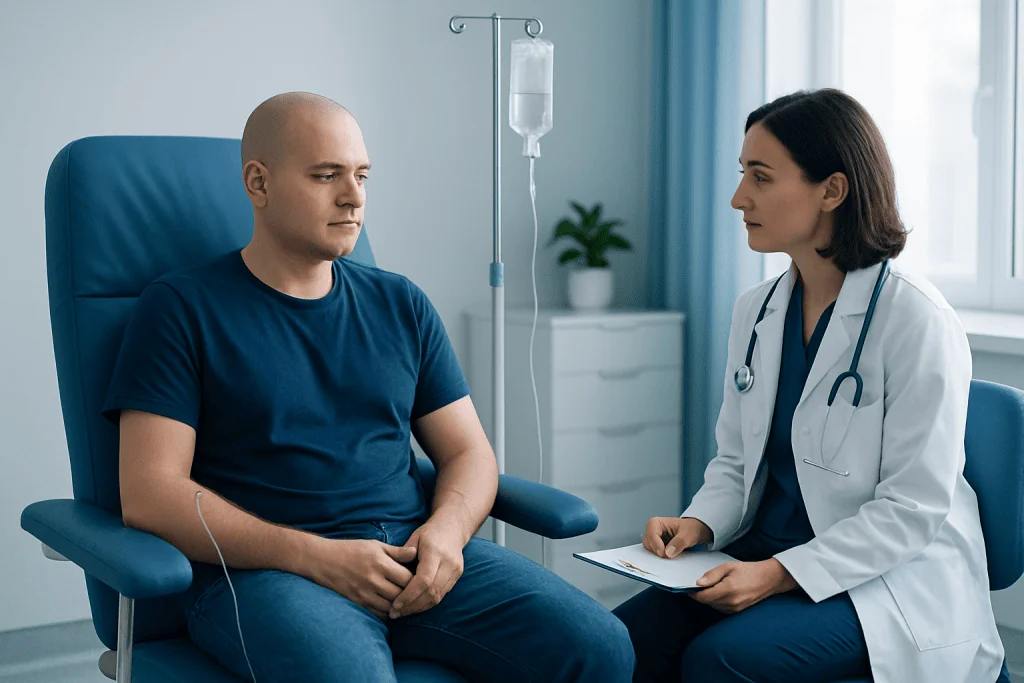
Chemotherapy is given in cycles: scheduled treatment days followed by recovery time before the next cycle. The exact medicines, number of cycles, and timing depend on the stage and risk category of the cancer. A commonly used combination is BEP, which includes bleomycin, etoposide, and cisplatin. Some people receive other regimens when a medicine is not suitable or when cancer has returned.
Before each cycle, patients usually have blood tests to check blood cell counts, kidney function, liver function, and tumour markers when appropriate. The oncology team also asks about side effects, such as fever, numbness, breathlessness, hearing changes, or severe nausea. Treatment may be delayed or adjusted if the body needs more time to recover.
Some chemotherapy medicines are administered intravenously in an outpatient infusion unit, while certain schedules may require a longer hospital visit or admission. Nurses provide anti-sickness medicines and hydration where needed. A central venous access device may occasionally be recommended if repeated infusions are expected, although it is not necessary for every patient.
After chemotherapy, repeat imaging and tumour marker tests assess the response. For some nonseminoma cancers, a residual mass may need surgical removal even when markers have normalized, because the mass can contain scar tissue, mature teratoma, or active cancer cells.
How Successful Is Chemo for Testicular Cancer?
Chemotherapy is one of the major reasons testicular cancer is often considered highly treatable, including in many cases where it has spread. Outcomes depend on several factors, including whether the cancer is seminoma or nonseminoma, where it has spread, tumour marker levels, and how it responds to initial treatment.
Doctors use established risk groups to guide treatment intensity and discuss outlook. A favourable response to early treatment, falling tumour markers, and disappearance or shrinkage of disease on imaging are encouraging signs. Even when cancer returns, additional chemotherapy, surgery, or other specialist treatment may still offer an effective path forward.
It is important to interpret prognosis individually. Online figures cannot predict one person’s outcome, and they may not reflect the specific cancer subtype, treatment plan, or access to specialist care. The treating oncologist can explain the likely goals of treatment and what response assessments mean in a particular situation.
Care is ideally coordinated between urologists, medical oncologists, radiologists, pathologists, fertility specialists, and supportive-care clinicians. Acibadem International’s multidisciplinary specialists and JCI-accredited hospitals diagnose and treat testicular cancer for international patients.
How Many Rounds of Chemo Is Normal for Testicular Cancer?
There is no single normal number of chemotherapy rounds for testicular cancer. The planned number of cycles depends on whether chemotherapy is being used to reduce the risk of recurrence after surgery, treat cancer in lymph nodes or distant organs, or treat a relapse after earlier therapy.
For selected people with early-stage disease and a higher risk of relapse, a shorter course may be considered. For metastatic disease, treatment commonly involves several cycles over a number of months. The exact schedule is chosen using international treatment guidelines and the person’s clinical risk classification.
Completing treatment as planned is desirable, but safety comes first. Low blood counts, infection, kidney effects, nerve symptoms, hearing changes, or lung concerns can require a brief delay, additional monitoring, or a change in treatment. A delay does not automatically mean chemotherapy is ineffective.
Patients should ask their oncology team which regimen is being used, how many cycles are intended, how response will be measured, and which symptoms need urgent reporting. Understanding the schedule can make it easier to organize work, travel, family support, and fertility care.
Benefits, Risks, and Recovery Timeline
The main benefit of chemotherapy is its ability to treat cancer cells throughout the body, including cells too small to be seen on scans. It can lower the risk of cancer returning in selected situations and can cure or control many cases of metastatic testicular cancer. The treatment team balances this potential benefit against likely short- and long-term effects.
Common short-term side effects include fatigue, nausea, reduced appetite, taste changes, hair loss, mouth soreness, and a higher risk of infection due to low white blood cell counts. Cisplatin can affect kidney function, hearing, and nerves; bleomycin can affect the lungs; and some treatments may affect fertility. Not every person experiences every side effect, and supportive medicines and monitoring can help.
Recovery is gradual and varies from person to person. Fatigue and changes in appetite may continue for weeks after the final cycle, while blood counts often recover over the following weeks. Hair commonly regrows after treatment, although timing differs. Some effects, including numbness, ringing in the ears, fertility changes, or lung symptoms, may need longer-term follow-up.
During recovery, patients should attend all scheduled follow-up appointments, eat and drink as well as they can, rest when needed, and return to activity progressively. It is wise to avoid smoking, discuss alcohol use with the care team, and ask before taking supplements or non-prescribed medicines. Testicular cancer follow-up commonly includes physical examinations, tumour marker tests, and imaging at intervals set by the treating team.
How Quickly Does Testicle Cancer Spread?
Testicular cancer does not spread at the same rate in every person. Some tumours remain confined to the testicle, while others may spread through lymphatic channels to lymph nodes in the back of the abdomen and, in some cases, to the lungs or other organs. The cancer subtype and biological features influence how it behaves.
Nonseminoma cancers may sometimes grow or spread more quickly than seminomas, but this is not a rule for every case. Doctors assess urgency using the examination, ultrasound, tumour marker blood tests, and staging scans. These results help identify the safest next step without unnecessary delay.
A painless lump, swelling, heaviness, or a change in testicle size should be assessed promptly. Most scrotal changes are not cancer, but early evaluation is important because testicular cancer is generally easier to manage when diagnosed early. Scrotal ultrasound is a simple imaging test that helps clarify the cause of a testicular lump.
Can You Fully Recover From Testicular Cancer?
Many people fully recover from testicular cancer and return to active, fulfilling lives after treatment. Recovery may mean no evidence of cancer after surgery alone, after chemotherapy, or after combined treatment. Regular surveillance remains important because follow-up can detect recurrence or late effects at an early stage.
Physical recovery includes healing after surgery, rebuilding stamina, and managing any lasting effects of chemotherapy. Emotional recovery can take longer. Concerns about fertility, body image, sexual function, work, family responsibilities, or fear of recurrence are common and deserve support from the healthcare team, counsellors, and trusted family or friends.
Removal of one testicle usually does not prevent normal testosterone production, sexual function, or fertility, because the remaining testicle can often compensate. However, fertility can be affected by the cancer itself, surgery, chemotherapy, or other treatments. Semen analysis and fertility specialist advice can help people understand their options after treatment.
Long-term follow-up also focuses on general health. Depending on the treatment received, clinicians may monitor cardiovascular health, kidney function, hearing, nerve symptoms, lung health, hormones, and future fertility. These checks are individualized and are part of survivorship care rather than a sign that cancer has returned.
When to Seek Medical Care
Anyone receiving chemotherapy should contact their oncology team urgently if they develop a fever, chills, signs of infection, sudden breathlessness, chest pain, severe vomiting or diarrhea, inability to drink fluids, unusual bleeding, confusion, or a rapid decline in wellbeing. Chemotherapy can lower infection-fighting blood cells, and infections may need prompt treatment.
New or worsening cough, shortness of breath, hearing changes, severe tingling or numbness, reduced urine output, or persistent swelling should also be reported promptly. These symptoms do not always indicate a serious problem, but they may require assessment or changes to supportive care.
People who have not been diagnosed should arrange medical evaluation soon for a new testicular lump, persistent swelling, testicular discomfort, heaviness in the scrotum, or an unexplained change in testicle size or firmness. Emergency care is needed for sudden severe testicular pain, as this can be caused by testicular torsion, which requires urgent treatment.
Questions about chemotherapy plans, fertility preservation, side effects, or life after treatment should be discussed with a qualified oncology team. Personalized advice is particularly important for people with pre-existing kidney, lung, hearing, heart, or nerve conditions.
Frequently asked questions
How successful is chemo for testicular cancer?
Chemotherapy is highly effective for many testicular germ cell cancers, including many that have spread beyond the testicle. Success depends on the tumour type, stage, tumour marker levels, sites of spread, and response to treatment. An oncology team can explain the outlook based on the individual clinical findings.
How many rounds of chemo is normal for testicular cancer?
The number of cycles varies according to the reason for treatment and the cancer’s risk group. Some selected early-stage cases may receive a shorter course, while metastatic cancer often needs several cycles. The oncology team will outline the intended schedule before treatment begins and adjust it if safety concerns arise.
How quickly does testicle cancer spread?
The speed of spread varies between individuals and cancer subtypes. Some cancers remain localized, while others can spread to abdominal lymph nodes or other organs. A prompt assessment with examination, ultrasound, blood tumour markers, and staging scans helps determine the appropriate urgency and treatment.
Can you fully recover from testicular cancer?
Many people recover fully from testicular cancer, including after chemotherapy for disease that has spread. Follow-up remains essential because it checks for recurrence and helps manage any late effects of treatment. Recovery can include physical, emotional, fertility, and sexual-health support.
Will chemotherapy affect fertility?
Chemotherapy can reduce sperm production temporarily or permanently, although fertility may recover over time for some people. Sperm banking is often discussed before chemotherapy starts when it is practical. A fertility specialist and later semen analysis can provide individualized guidance.
What side effects should be reported immediately during chemotherapy?
A fever, chills, signs of infection, sudden shortness of breath, chest pain, severe vomiting or diarrhea, unusual bleeding, or inability to keep fluids down should be reported urgently. New hearing changes, significant numbness, or reduced urine output should also be discussed promptly with the oncology team.
References
- National Cancer Institute
- American Cancer Society
- European Association of Urology
- European Society for Medical Oncology
- NHS
This article is for general information only and is not a substitute for professional medical advice. Please consult a qualified doctor about your individual situation.
Testicular Cancer in Turkey — costs, top hospitals & a free quote
JCI-accredited · board-certified surgeons · reply within 24h
Add us as a Preferred Source to see more of our trusted health content across Google Search, AI Overviews and Discover.

Medical Oncology Department
Medical treatment of cancer with chemotherapy, immunotherapy and targeted therapies under a multidisciplinary tumor board.
60 specialists in this unitMore from the Health Library

Related Specialists

Dr. Ahmet Bülent Demirbağ
Otorhinolaryngology
Dr. Ünzüle Akpınar Sürenoğlu
Otorhinolaryngology
Dr. Mustafa Demir
Ophthalmology
Dr. Zehra Elban
Acibadem Life Clinical Service