

Clagett Procedure: An Evidence-Based Patient Guide

The Clagett procedure is generally reserved for chronic, recurrent, or complex empyema that cannot be adequately controlled with antibiotics and less invasive drainage. Treatment is staged: infection is drained and controlled first, then the chest cavity may be closed or filled later when clinically appropriate.
Key Takeaways
- The Clagett procedure is generally reserved for chronic, recurrent, or complex empyema that cannot be adequately controlled with antibiotics and less invasive drainage.
- Treatment is staged: infection is drained and controlled first, then the chest cavity may be closed or filled later when clinically appropriate.
- A Clagett window is designed to be temporary, whereas an Eloesser flap may be intended for longer-term drainage in selected patients.
- Recovery after thoracotomy varies widely and often takes weeks to months, particularly when infection, lung disease, or more than one operation is involved.
- Prompt medical assessment is important for fever, worsening shortness of breath, chest pain, or drainage changes after chest surgery.
The Clagett procedure is a staged surgical approach for difficult pleural empyema, an infected collection of fluid and pus around a lung. It creates temporary drainage and access for cleaning the infected chest space, followed by closure when infection has resolved and the space is suitable for repair.
What is a clagett procedure?
The Clagett procedure is a staged operation used to treat severe or persistent pleural empyema. Empyema occurs when infected fluid or pus collects in the pleural space, the thin area between the lung and chest wall. The procedure is most often considered when infection remains despite antibiotics, chest-tube drainage, and other surgical approaches, or when there is a long-standing infected space after lung surgery.
In the first stage, a thoracic surgeon opens part of the chest wall to drain the infected cavity and allow repeated cleaning and dressing changes. This opening is commonly called a Clagett window or open-window thoracostomy. Once the infection is controlled and the cavity is clean, a later operation may close the space, sometimes using muscle or other tissue to help eliminate the remaining cavity.
The Clagett procedure of chest wall is not a routine treatment for every pleural infection. It is a specialized option planned by a multidisciplinary team, often including thoracic surgeons, respiratory specialists, infectious disease physicians, radiologists, anesthesiologists, and rehabilitation professionals.
How the procedure works and who may be a candidate
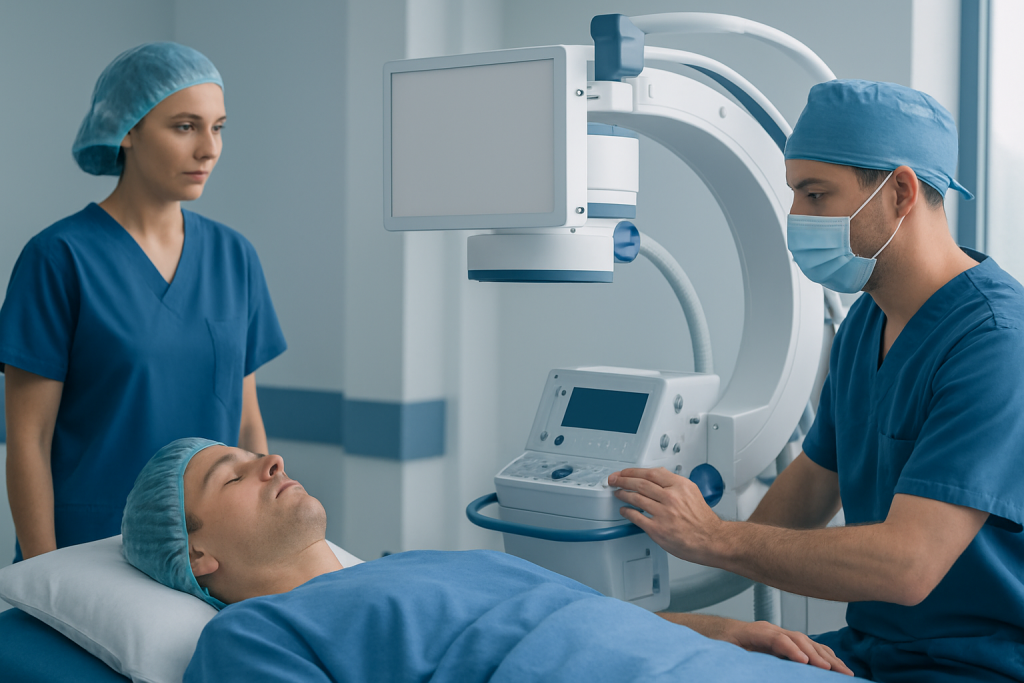
The main goals are to remove infected material, establish dependable drainage, reduce bacterial burden, and help the body heal the infected pleural space. A surgeon may consider this approach when an empyema is organized or chronic, when the lung cannot fully expand, when there is a persistent air leak or bronchopleural fistula, or when infection develops in a space left after lung resection.
Potential candidates are assessed individually. Doctors consider the cause and extent of infection, imaging findings, culture results, lung function, nutritional status, other health conditions, previous chest operations, and whether the person is well enough for anesthesia and staged surgery. The treatment plan may also include intravenous or oral antibiotics tailored to microbiology results.
Before recommending an open procedure, the care team may evaluate whether less invasive options can work. Depending on the situation, these can include image-guided drainage, chest-tube drainage, medicines placed through a chest tube to help break down loculations, or video-assisted thoracoscopic surgery. The choice is based on the stage of empyema and the person’s overall condition rather than a single test result.
Step by step: what happens during a Clagett procedure

Planning commonly begins with chest imaging, such as chest X-ray and computed tomography, along with blood tests and samples of pleural fluid when available. These tests help identify the size and location of the infection, whether the lung is trapped by a thick peel, and whether there may be communication between an airway and the pleural space.
During the first operation, performed under anesthesia, the surgeon makes an incision in the chest wall and may remove a small segment of one or more ribs to create access to the infected cavity. Pus, infected tissue, debris, and nonviable material are removed as safely as possible. The cavity is irrigated, and the opening is managed with dressings so it can continue to drain and be inspected during healing.
Dressings may need regular changes in hospital and, in some cases, after discharge with trained support. When cultures, wound appearance, imaging, and the person’s clinical condition indicate that infection is controlled, the surgical team discusses the second stage. Closure can involve direct closure where feasible, muscle-flap reconstruction, or other techniques selected for the size and location of the cavity. A later return of infection after initial closure may require reassessment; this is sometimes described as a clagett revision.
What are the key differences between the Clagett procedure and the Eloesser procedure?
Both the Clagett procedure and the Eloesser procedure create an opening in the chest wall to drain an infected pleural space. They are generally used for complex empyema or for patients in whom conventional drainage or definitive surgery has not achieved infection control. However, their intended course and surgical design differ.
A Clagett window is typically part of a planned staged strategy. The opening supports drainage and repeated cleaning while infection is treated, with the aim of later closing the cavity when conditions allow. In contrast, an Eloesser flap creates a dependent, usually longer-term drainage opening using a skin flap that helps prevent premature closure. It may be chosen when prolonged drainage is expected or when a person is not a suitable candidate for more extensive reconstruction.
In practice, terminology and technique can vary between surgical teams, and some patients may need modified approaches. The appropriate option depends on the empyema’s cause, the presence of an air leak, lung expansion, previous surgery, overall health, and treatment goals. A thoracic surgeon can explain why a temporary or longer-term open drainage approach is recommended.
What are the treatment guidelines for empyema?
Empyema treatment guidelines generally emphasize early recognition, prompt antibiotics, drainage of infected pleural fluid, and escalation to surgery when drainage is incomplete or infection persists. Pleural-fluid testing and imaging help guide treatment, while culture findings can help clinicians select and refine antibiotic therapy. The duration and route of antibiotics are individualized according to the infection, source control, response, and other health factors.
For uncomplicated fluid collections, observation or antibiotic treatment may be appropriate in selected cases. When fluid is infected, has features suggesting complicated infection, or causes significant symptoms, chest-tube drainage is commonly needed. Loculated collections may require image-guided catheter placement, intrapleural treatment to improve drainage in selected patients, or surgery.
Thoracoscopic surgery can remove infected material and break down adhesions in some cases. Open procedures, including open-window thoracostomy and the staged Clagett approach, are usually considered when infection is advanced, chronic, recurrent, associated with a persistent air leak, or not adequately controlled by other measures. Care should be coordinated with a thoracic surgery team experienced in pleural infection management.
Benefits, risks, and recovery after surgery
The potential benefit of a Clagett procedure is reliable drainage and access to an infected cavity that has not responded to less invasive treatment. It can help control serious infection, reduce ongoing contamination of the pleural space, and create a pathway toward later closure and rehabilitation. For some people, it is an important part of managing a persistent postoperative infection or bronchopleural fistula.
As with any major chest operation, risks can include bleeding, pain, wound infection, persistent or recurrent empyema, air leak, breathing complications, blood clots, reactions to anesthesia, delayed wound healing, and the need for additional procedures. Infection, poor nutritional status, smoking, diabetes, impaired lung function, and prior treatment can influence individual risk. The surgical team discusses these considerations before treatment and monitors recovery closely.
Recovery is often gradual because the underlying infection may have already caused fatigue, weight loss, breathlessness, and reduced physical strength. Pain-control plans, breathing exercises, early supported movement, nutritional care, and pulmonary rehabilitation may all support recovery. It is important not to compare recovery with that of a simple chest operation, as a staged procedure for empyema often has a longer and more individualized course.
How long does it take to fully recover from a thoracotomy?
There is no single recovery time after a thoracotomy. Many people need several weeks before everyday movement and energy improve, while fuller recovery may take several months. Recovery can be longer after treatment for empyema because the body is healing from both major surgery and infection, and because a Clagett procedure may involve a period of open drainage before a later closure operation.
During the early recovery period, discomfort around the incision, tiredness, reduced appetite, and shortness of breath with activity can occur. These symptoms should gradually improve with appropriate pain management, breathing exercises, walking, nutrition, and follow-up care. The care team will advise when it is safe to return to work, drive, lift heavier items, travel, or resume exercise.
Follow-up commonly includes wound checks, review of drainage and dressings, blood tests when needed, and repeat chest imaging. People should ask their surgical team about their own expected timeline, especially if they have chronic lung disease, other medical conditions, or a planned second-stage closure.
When to seek medical care
Anyone with possible empyema symptoms should seek timely medical assessment. Symptoms can include fever, chills, persistent cough, worsening shortness of breath, chest discomfort that becomes worse with breathing, unusual fatigue, or feeling increasingly unwell after pneumonia or chest surgery. These symptoms can have several causes, but pleural infection needs prompt evaluation.
After a thoracotomy or open-window procedure, urgent medical advice is needed for rapidly worsening breathlessness, severe or increasing chest pain, high fever, confusion, fainting, heavy bleeding, new swelling or redness around the wound, foul-smelling drainage, or a sudden change in the amount or appearance of drainage. Emergency services should be contacted for severe breathing difficulty, blue lips, loss of consciousness, or other signs of a medical emergency.
Acibadem International’s multidisciplinary specialists and JCI-accredited hospitals assess and treat complex thoracic infections for international patients. A consultation with a qualified thoracic surgeon is the safest way to understand whether a Clagett procedure, another drainage method, or a different treatment plan is appropriate.
Frequently asked questions
Is the Clagett procedure a cure for empyema?
The procedure is designed to control complex pleural infection by providing drainage and allowing the infected space to be cleaned. Whether it fully resolves empyema depends on factors such as the cause of infection, lung expansion, the presence of an air leak, and overall health. Some people require staged reconstruction or additional treatment before the chest space can be closed.
Is a Clagett window permanent?
A Clagett window is usually intended to be temporary as part of a staged treatment plan. It remains open while infection is controlled and the cavity becomes suitable for closure. The duration differs between patients and depends on healing, microbiology results, imaging, and surgical planning.
What is a clagett procedure CPT code?
Coding for a Clagett procedure can vary because the operation may include multiple components, such as thoracotomy, drainage, chest-wall resection, debridement, open-window management, and later closure or reconstruction. Coding also differs by country, payer, and the exact operative report. A hospital billing team or surgeon’s office can provide the appropriate current code for an individual case.
Will a person need antibiotics after a Clagett procedure?
Antibiotics are commonly part of empyema treatment before and after surgery, particularly while infection is being controlled. The medication choice and duration are based on culture results, the source of infection, surgical drainage, clinical response, and kidney or liver function. The treating team should determine the regimen rather than using a standard schedule for everyone.
Can empyema return after surgery?
Empyema can recur, particularly if bacteria remain in the pleural space, drainage is incomplete, there is an ongoing air leak, or another source of infection persists. Regular wound care, follow-up imaging, and adherence to the treatment plan help clinicians identify problems early. New fever, increasing drainage, chest pain, or breathlessness should be reported promptly.
What is the difference between a thoracotomy and a Clagett procedure?
A thoracotomy is a surgical opening through the chest wall that gives surgeons access to the lung, pleura, or other chest structures. The Clagett procedure is a specific staged strategy that may use a thoracotomy to create an open drainage window for chronic or complex pleural infection. Not every thoracotomy is a Clagett procedure.
References
- American Association for Thoracic Surgery
- European Respiratory Society
- British Thoracic Society
- Centers for Disease Control and Prevention
- National Heart, Lung, and Blood Institute
This article is for general information only and is not a substitute for professional medical advice. Please consult a qualified doctor about your individual situation.
Explore treatments in Turkey — costs, top hospitals & a free quote
JCI-accredited · board-certified surgeons · reply within 24h
Add us as a Preferred Source to see more of our trusted health content across Google Search, AI Overviews and Discover.

More from the Health Library



Related Specialists

Dr. Mehmed Fatih Yumrutaş
Inpatient Clinic Physicians Clinical Service
Asst. Prof. Dr. Mahmut Ozan Findik
Otorhinolaryngology
Dr. Kamran Alıyev
Thoracic Surgery
Fzt. Gizem Aydın
Physical Medicine & Rehabilitation