Pelvic Radiation Side Effects: What to Expect and How to Manage

Side effects depend on the radiation area, total dose, treatment schedule and a person’s general health. Fatigue, diarrhea, frequent urination and skin irritation are common short-term effects and usually improve after treatment ends.
Key Takeaways
- Side effects depend on the radiation area, total dose, treatment schedule and a person’s general health.
- Fatigue, diarrhea, frequent urination and skin irritation are common short-term effects and usually improve after treatment ends.
- Some effects, including bowel, bladder, sexual and fertility changes, can occur months or years later and should be discussed at follow-up visits.
- Reporting symptoms early helps the radiation oncology team tailor supportive care and rule out complications.
- Follow individualized advice on diet, skin care, medicines, activity and sexual health during recovery.
Pelvic radiation side effects commonly include fatigue, temporary bowel or bladder irritation, skin changes and sexual or fertility concerns. Symptoms often build during treatment and may continue for several weeks afterward, but the oncology team can offer practical support and treatment throughout recovery.
Overview: pelvic radiation side effects
Pelvic radiation side effects happen because radiation therapy, while carefully planned to target cancer cells, can also temporarily affect healthy tissues near the treatment area. These tissues may include the bowel, bladder, skin, reproductive organs and nerves. The type and intensity of symptoms vary widely, and many people have manageable symptoms with appropriate supportive care.
Radiation therapy may be used to treat cancers of the cervix, uterus, ovaries, vagina, vulva, prostate, bladder, rectum or anus. It can be delivered from outside the body, called external-beam radiation therapy, or internally through brachytherapy. Some people also receive surgery, chemotherapy, hormone therapy or immunotherapy, which can influence recovery and side effects.
Most short-term effects develop gradually during the treatment course rather than immediately after the first session. They usually begin to settle in the weeks after treatment is completed. A smaller number of people develop longer-term changes, so regular follow-up with the cancer care team remains important.
How pelvic radiation works and who may receive it
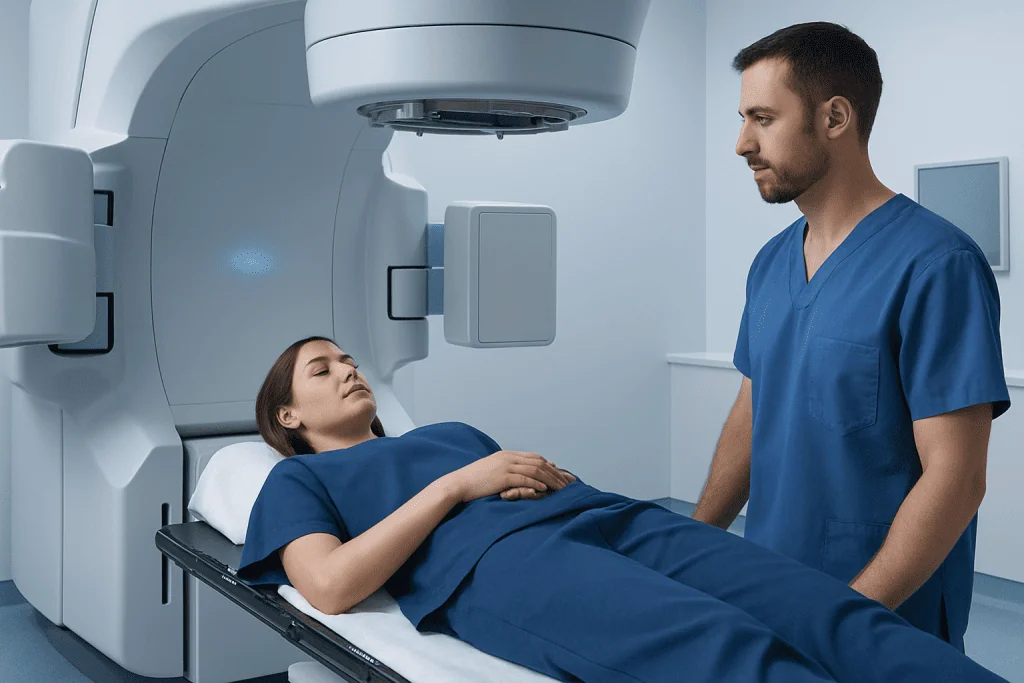
Radiation uses high-energy beams or radioactive sources to damage the genetic material inside cancer cells, stopping them from dividing and helping the body remove them over time. Modern planning uses scans and computer-based techniques to shape the radiation dose closely around the treatment target while limiting exposure to nearby healthy organs.
Pelvic radiation may be recommended as the main treatment for a cancer, before surgery to shrink a tumor, after surgery to reduce the chance of cancer returning, or to ease symptoms caused by advanced cancer. The decision is individualized and considers the cancer type, stage, location, previous treatment, overall health and personal priorities.
Before treatment begins, the radiation oncologist discusses expected benefits, possible side effects and alternatives. People who may become pregnant should tell the team before planning starts, as pelvic radiation can harm a developing fetus. Fertility preservation and sexual health options can also be discussed before treatment where relevant.
What happens during treatment and the recovery timeline

Planning generally starts with a simulation appointment. This may include a CT scan, skin markings or small permanent tattoo dots, and instructions about having a comfortably full bladder or empty bowel for each visit. These steps help position the body consistently and reduce radiation exposure to surrounding tissues.
For external-beam treatment, the person lies on a treatment table while a machine moves around them. The radiation itself is painless, and each appointment is usually brief, although positioning and imaging may take additional time. Treatment is often given on weekdays for several weeks, but the schedule depends on the cancer and treatment plan. Brachytherapy involves placing a radiation source inside or close to the tumor and may require anesthesia or sedation.
Short-term symptoms often become more noticeable during the second half of a course of external radiation and can peak near the end of treatment or in the first one to two weeks afterward. Many people start to feel better over the following several weeks, although fatigue may take longer to resolve. Recovery is not identical for everyone, and the team should assess symptoms that are severe, new or persistent.
Common short-term pelvic radiation side effects
Fatigue is one of the most frequent effects. It may feel different from ordinary tiredness and can be influenced by the body’s response to treatment, travel to appointments, sleep disruption, anemia, pain, reduced food intake or emotional stress. Gentle activity and planned rest often help, but sudden or profound fatigue should be reported.
When the bowel is within or near the radiation field, symptoms can include loose stools, urgency, cramping, gas, rectal discomfort or mucus. Bladder irritation may cause more frequent urination, urgency, burning when passing urine or the need to wake at night. These symptoms may resemble infection, so the care team may arrange tests when needed rather than assuming that radiation is the only cause.
Skin in the treated area may become pink, darker, dry, tender or itchy. Hair loss can occur in the pubic area. Depending on the organs treated, people may also experience vaginal irritation or discharge, penile or scrotal discomfort, temporary changes in erections, nausea, or changes in appetite.
- Keep a daily note of bowel movements, urinary symptoms, pain, temperature and energy level.
- Use only creams, suppositories, antidiarrheal medicines or herbal products approved by the oncology team.
- Ask for advice early; supportive treatments can often reduce discomfort and help prevent dehydration.
Long-term effects, sexual health and fertility
Late effects are changes that begin months or years after radiation. They are less common than short-term effects but may include ongoing bowel urgency, bleeding from the bowel or bladder, narrowing or inflammation of tissues, pelvic bone weakness, swelling in the legs or genital area, or nerve-related discomfort. Any rectal bleeding, blood in urine, persistent pain or major change in bowel or bladder habits should be evaluated.
Pelvic radiation can affect sexual health. Vaginal dryness, discomfort during sex, narrowing or shortening of the vagina, reduced desire, erectile difficulties and changes in ejaculation are possible. These concerns are common and deserve medical attention. The care team may recommend lubricants, moisturizers, pelvic floor physiotherapy, vaginal dilator therapy after specific gynecologic treatments, medication or referral to a sexual health specialist.
Radiation can affect fertility and hormone production, depending on the organs treated and the dose received. It may cause early menopause or reduce sperm production. Before treatment, a fertility specialist can discuss options such as egg, embryo or sperm preservation when time and clinical circumstances allow. People should not assume fertility or contraception needs are unchanged without discussing this with their clinician.
What are the hardest days after radiation treatment?
For many people, the hardest days are near the final week of treatment and the first one to two weeks after it ends. Radiation effects can continue to build briefly because normal tissues are still responding and repairing. Fatigue, diarrhea, urinary irritation and skin sensitivity may be most noticeable during this period.
This pattern is not universal. Some people have mild symptoms throughout, while others need more active symptom support. The radiation oncology team should be contacted if symptoms are interfering with eating, drinking, sleep, mobility or daily activities, rather than waiting for the next routine appointment.
It can help to simplify commitments during this phase, accept practical support, drink fluids as advised and take prescribed symptom-relief medicines correctly. Recovery commonly occurs gradually rather than from one day to the next.
How long after pelvic radiation do you feel better?
Many acute pelvic radiation side effects begin to improve within several weeks of the final treatment. Bowel and bladder irritation may settle over a few weeks, while skin reactions heal progressively once radiation stops. Tiredness can improve more slowly and may last for several weeks or, for some people, a few months.
Improvement depends on factors such as the area treated, radiation schedule, whether chemotherapy was given, nutrition, sleep, anemia, infection and other medical conditions. Follow-up visits provide an opportunity to review recovery and adjust symptom management.
New symptoms or symptoms that return after an initial improvement should not be self-managed without advice. They may be related to late radiation effects, another health condition or, less commonly, cancer-related concerns, and they need appropriate assessment.
What I wish I knew before radiation? What not to do after radiation treatment?
Before radiation, it is useful to know that the treatment itself is painless, but side effects can be cumulative and may not be fully apparent at the beginning. Asking the team which symptoms are expected, whom to call outside clinic hours, how to prepare the bladder or bowel, and whether work or travel plans need adjustment can make the course feel more manageable.
After radiation treatment, people should not ignore worsening symptoms, start over-the-counter remedies without checking with the oncology team, or stop prescribed medicines abruptly. They should avoid smoking, as it can impair healing and worsen some treatment effects. Alcohol, highly spicy foods, large amounts of caffeine and very high-fiber foods may aggravate bowel or bladder symptoms for some people, but restrictions should be individualized rather than unnecessarily strict.
It is generally better not to scrub, exfoliate, use perfumed products or apply heat or ice packs directly to irradiated skin unless the care team approves them. Swimming, sexual activity, exercise and travel may be possible for many people, but timing depends on skin condition, internal treatment procedures, infection risk and personal symptoms. The treating team can provide advice tailored to the treatment plan.
When to seek medical care
Contact the radiation oncology team promptly for persistent vomiting, inability to keep fluids down, diarrhea that is severe or continuing despite advice, fever, chills, worsening pelvic pain, new bleeding, blood in urine or stool, painful urination, markedly reduced urine output, or rapidly worsening skin reactions. These symptoms may need treatment for dehydration, infection, inflammation or another cause.
Urgent medical care is appropriate for severe abdominal pain, heavy bleeding, fainting, confusion, chest pain, severe shortness of breath or signs of a serious allergic reaction. People should follow the emergency instructions provided by their local care team and seek emergency help when needed.
Acibadem International’s multidisciplinary specialists and JCI-accredited hospitals support international patients receiving cancer diagnosis and treatment, including individualized management of radiation-related symptoms. Ongoing communication with the radiation oncologist, medical oncologist, surgeon and supportive-care professionals helps ensure concerns are addressed promptly.
Frequently asked questions
Are pelvic radiation side effects permanent?
Most early side effects, such as fatigue, bowel irritation, bladder frequency and skin changes, are temporary and improve after treatment. Some people develop late effects months or years later, including ongoing bowel, bladder or sexual health changes. Regular follow-up helps identify and manage these concerns early.
Can pelvic radiation cause diarrhea?
Yes. Radiation can irritate the lining of the bowel, causing loose stools, urgency, cramps and gas during or shortly after treatment. The oncology team can advise on fluids, food choices and medicines that are appropriate for the individual situation.
Does pelvic radiation make a person radioactive?
External-beam radiation does not make a person radioactive, and it is safe to be around family, children and pregnant people after each session. Internal radiation treatment, called brachytherapy, may involve temporary precautions depending on the type of source used. The treatment team gives clear instructions when any precautions are needed.
Can pelvic radiation affect sex?
Yes, pelvic radiation can affect comfort, desire, vaginal tissues, erections, ejaculation and fertility. These effects vary by treatment area and individual factors, and they may be temporary or longer lasting. Discussing symptoms openly with the oncology team can lead to helpful treatments or specialist referral.
What foods should be avoided after pelvic radiation?
There is no single diet that suits everyone after pelvic radiation. If diarrhea or bladder irritation occurs, the care team may suggest temporarily limiting foods or drinks that worsen symptoms, such as alcohol, caffeine, very spicy foods or high-fat foods. It is important to maintain hydration and adequate nutrition rather than making broad restrictions without professional advice.
Can I exercise after pelvic radiation?
Gentle movement, such as short walks and stretching, is often helpful for fatigue, mood and bowel function when a person feels able. Exercise should be adjusted for energy levels, pain, dizziness, skin reactions and any medical restrictions. The care team can advise when a return to more vigorous activity is appropriate.
References
- American Cancer Society
- National Cancer Institute
- American Society for Radiation Oncology
- Macmillan Cancer Support
- National Comprehensive Cancer Network
This article is for general information only and is not a substitute for professional medical advice. Please consult a qualified doctor about your individual situation.
Persistent digestive symptoms? Get evaluated in Turkey
JCI-accredited · board-certified surgeons · reply within 24h
Add us as a Preferred Source to see more of our trusted health content across Google Search, AI Overviews and Discover.