After Treatment: How It Works, Results and What to Expect

Botox temporarily reduces muscle activity that contributes to dynamic facial lines. Mild redness, swelling, pinpoint marks or bruising can occur immediately after injections and usually settle quickly.
Key Takeaways
- Botox temporarily reduces muscle activity that contributes to dynamic facial lines.
- Mild redness, swelling, pinpoint marks or bruising can occur immediately after injections and usually settle quickly.
- Many people notice early changes within several days, but full results may take up to two weeks.
- The commonly advised four-hour rule means staying upright and avoiding rubbing or pressure on treated areas for four hours.
- Effects are temporary, and repeat treatment is usually needed to maintain results.
- Urgent medical advice is important for breathing, swallowing, speaking or widespread muscle weakness symptoms after treatment.
After treatment with Botox, most people can return to usual activities quickly, although small bumps, redness or mild tenderness at injection sites may be visible for a short time. The muscle-relaxing effect develops gradually rather than immediately, with final cosmetic results commonly assessed around two weeks after treatment.
After Treatment: What to Expect Following Botox
After treatment with Botox, it is common for the treated skin to look slightly red, raised or dotted at the injection points. These changes are usually mild and temporary. Botox does not create an instant result because it needs time to reduce signaling between nerves and selected muscles.
Botox is a brand name for a botulinum toxin type A product. In cosmetic care, a trained clinician injects very small amounts into specific facial muscles to soften lines made by repeated movement, such as frown lines, forehead lines and lines around the outer eyes. It is a temporary treatment, and the outcome depends on the treatment area, muscle strength, dose, injection technique and individual response.
For people considering or planning care, Botox treatment should begin with an individual assessment rather than a standard injection plan. A qualified clinician can discuss realistic goals, facial movement, medical history and the expected recovery period.
How Botox Works and Who May Be a Candidate
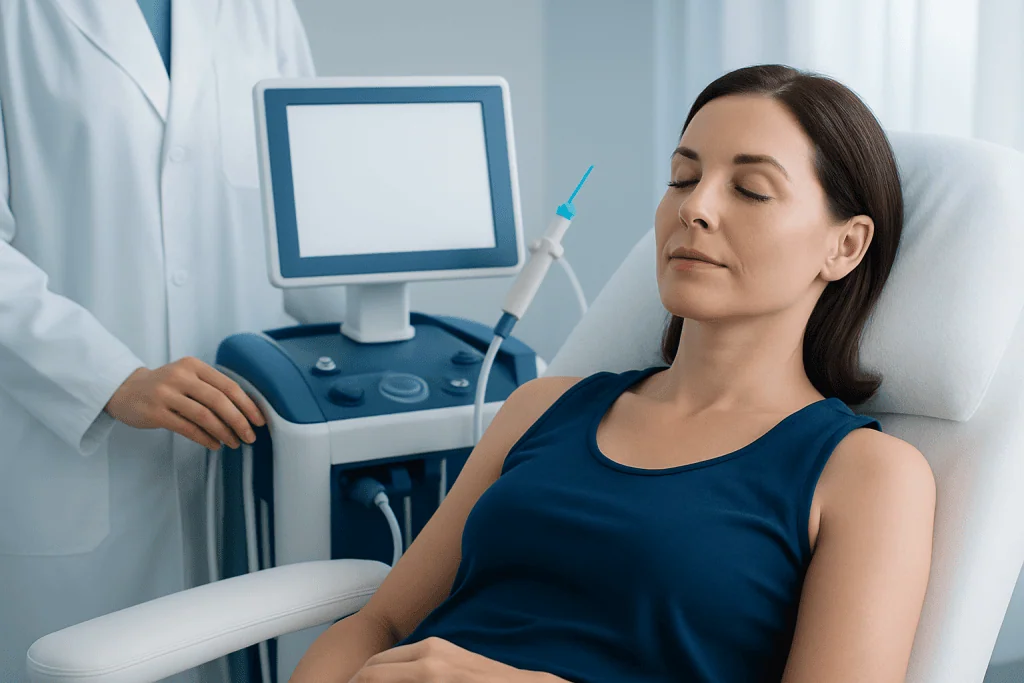
Facial expressions involve messages traveling from nerves to muscles. Botox temporarily reduces the release of a chemical messenger at the nerve-muscle connection. As the targeted muscle contracts less strongly, the skin above it may appear smoother when the face is at rest or moving.
Appropriate candidates are generally adults who want to reduce the appearance of dynamic wrinkles and who have realistic expectations about temporary, subtle changes. A consultation should cover previous cosmetic procedures, allergies, nerve or muscle disorders, medications and any history of swallowing or breathing difficulties.
Botox may not be suitable during pregnancy or breastfeeding because safety data are limited. It may also need to be postponed or avoided when there is an infection or inflammation at the intended injection site. People taking medicines that affect bleeding, muscle function or nerve signaling should tell the treating clinician before the procedure; they should not stop prescribed medication without advice from their usual doctor.
What Happens During the Procedure

A Botox appointment commonly starts with a review of the desired result and an examination of facial movements at rest and during expression. The clinician identifies muscles contributing to the lines being treated and may take photographs for clinical planning and comparison.
The skin is cleaned, and a very fine needle is used to place small injections into selected muscles. The injection portion is often brief. Most people describe a short pinching or stinging sensation, and numbing treatment is not usually necessary, although comfort measures can be discussed.
After injections, the clinician may apply gentle pressure if a small spot of bleeding occurs. The patient receives aftercare instructions tailored to the areas treated. It is important to follow the clinician’s advice because recommendations can vary according to the procedure and personal health circumstances.
Recovery Timeline, Results and the Four-Hour Rule
Immediately after treatment, small raised areas similar to insect bites can appear at injection sites. They often fade within minutes to hours. Mild soreness, a headache, temporary swelling or a small bruise may occur, particularly in people who bruise easily.
Early changes may become noticeable after several days. A meaningful assessment is commonly made at about 10 to 14 days, when the effect has had time to develop. The duration varies, but cosmetic effects often last for several months before muscle movement gradually returns. The clinician may recommend review at an appropriate time rather than judging the result too early.
The four-hour rule after Botox generally means remaining upright for four hours and avoiding rubbing, massaging or applying firm pressure to the treated areas during that period. This precaution is intended to reduce unnecessary pressure on the injection sites. Clinicians may also advise postponing strenuous exercise, heat exposure or certain facial treatments for a short time; the individual aftercare plan should take priority.
For concerns such as redness, acne flare-ups, pigment changes or other skin conditions that affect treatment planning, assessment through skin disease care may be helpful before cosmetic injections are considered.
What Does Your Face Look Like Right After Botox?
Right after Botox, the face may look almost unchanged apart from small red points, tiny bumps, slight swelling or occasional pinpoint bleeding where the needle entered the skin. These marks are usually localized to the injection sites and commonly improve on the same day.
Bruising can occur and may remain visible for several days or longer, depending on the individual and the area treated. Makeup may need to be delayed briefly if the clinician advises this, especially if there is irritation or bleeding. Cold compresses may be suggested for swelling, but pressure and rubbing should be avoided.
The face should not look suddenly frozen immediately after the appointment. Any reduction in movement occurs gradually as the treatment begins to work. If there is marked, worsening swelling, widespread rash or another unexpected reaction, the person should contact the treating clinic or seek medical advice.
What Is the 4 Hour Rule After Botox Treatment?
The four-hour rule is commonly used after Botox to remind patients to stay upright and avoid lying flat for approximately four hours. It also includes avoiding facial massage, vigorous rubbing and pressure over the treated injection points during this early period.
This advice is precautionary and supports uncomplicated healing at the injection sites. It does not mean a person must remain completely still. Gentle daily activities are generally possible unless the clinician gives different instructions.
People should avoid relying on social media advice that conflicts with their clinician’s instructions. Factors such as injection sites, other procedures performed the same day, medications and individual medical history may change the safest aftercare plan.
What Does Botox Do to Your Face Over Time?
Over time, Botox temporarily weakens the selected facial muscles, so repetitive expressions may crease the skin less forcefully. Dynamic lines can become softer while the treatment remains active. Botox does not remove all facial lines, permanently change skin quality or stop the normal aging process.
With repeated, appropriately planned treatment, some people find that certain expression lines are less deeply etched because the skin has had periods of reduced folding. Results vary, and an overly strong or poorly placed effect can lead to unwanted changes such as reduced expression, uneven eyebrows or eyelid drooping. Careful assessment and conservative dosing can help support a natural-looking result.
When the effect wears off, muscle activity usually returns gradually. Continuing treatment is a personal decision that should be reviewed periodically with a qualified clinician. Other concerns, including volume loss, skin texture or sun-related changes, may need different approaches and cannot always be addressed by Botox alone.
I Got Botox 2 Days Ago and Still No Difference. Is This Normal?
Yes. Seeing little or no difference two days after Botox is usually normal. Botox often begins to have a noticeable effect after several days, and it may take around 10 to 14 days for the full cosmetic result to be clear.
It is best not to seek additional injections simply because the result is not visible at day two. Early top-ups can increase the chance of an excessive effect or facial imbalance. The treating clinician can advise when a review is appropriate and whether any adjustment is needed after the expected onset period.
Results may vary between areas of the face and between individuals. Stronger muscles, previous treatment history and the goal of preserving natural movement can all influence how quickly or how dramatically a change is seen.
Benefits, Risks and When to Seek Medical Care
Potential benefits of Botox include a relatively quick in-clinic procedure, little downtime and temporary softening of dynamic facial lines. Common short-term effects include injection-site redness, tenderness, swelling, headache and bruising. Less commonly, Botox can cause asymmetry, a heavy feeling, eyebrow changes or temporary eyelid drooping.
Medical care should be sought urgently if symptoms such as difficulty breathing, swallowing or speaking, widespread weakness, severe allergic symptoms, or significant vision changes occur after treatment. These effects are uncommon in cosmetic use but should not be ignored. For a persistent or concerning local reaction, the patient should contact the treating clinician promptly.
Follow-up is also sensible when a result is uneven, a drooping eyelid develops, bruising is extensive, or expected results have not appeared after the clinician’s advised review window. Acibadem International’s multidisciplinary specialists and JCI-accredited hospitals can assess and treat aesthetic concerns for international patients.
Frequently asked questions
How long does it take to see Botox results?
Some people notice an early change within several days. Full results are commonly evaluated around 10 to 14 days after injections. The exact timing can vary by treatment area and individual response.
Can someone wash their face after Botox?
Gentle cleansing is often possible, but the person should avoid firm rubbing, massage and pressure on treated areas during the early aftercare period. They should follow the specific instructions from the clinician who performed the injections. If makeup or skincare products sting the skin, it is sensible to pause and ask for advice.
Can a person exercise after Botox?
Light daily activities are commonly manageable, but many clinicians recommend delaying strenuous exercise for a short period after treatment. The appropriate timing may depend on the treatment sites and individual circumstances. The treating clinician's instructions should be followed.
How long do Botox results last?
Cosmetic Botox effects are temporary and often last for several months. Muscle movement gradually returns over time, and the duration differs between individuals and treatment areas. Repeat treatment may be considered after a clinical review if the person wishes to maintain the effect.
Is bruising after Botox normal?
A small bruise can occur because injections use a needle and the face has many small blood vessels. Most bruises improve naturally, although their duration varies. A person with substantial, painful or worsening bruising should contact their clinician.
When should someone contact a doctor after Botox?
They should contact a clinician for persistent or worsening local symptoms, marked asymmetry, significant eyelid drooping or concerns about the outcome. Urgent medical care is needed for difficulty breathing, swallowing or speaking, widespread weakness, severe allergic symptoms or major vision changes.
References
- American Academy of Dermatology Association
- U.S. Food and Drug Administration
- American Society of Plastic Surgeons
- Mayo Clinic
This article is for general information only and is not a substitute for professional medical advice. Please consult a qualified doctor about your individual situation.
Explore treatments in Turkey — costs, top hospitals & a free quote
JCI-accredited · board-certified surgeons · reply within 24h
Add us as a Preferred Source to see more of our trusted health content across Google Search, AI Overviews and Discover.

More from the Health Library



Related Specialists

Dr. Züleyha Özgen
Dermatology
Dr. Fikri Halaçoğlu
Neurology
Dr. Melekşah Pekel
Anesthesiology
Assoc. Prof. Dr. Mehmet Altiparmak
Aesthetic Plastic & Reconstructive Surgery