Bone Aneurysmal Cyst Treatment: How It Works, Results and What to Expect

An aneurysmal bone cyst is benign, meaning it is not cancer, but it can expand and weaken nearby bone. Treatment depends on the cyst’s location, size, growth pattern, symptoms and risk of fracture or nerve compression.
Key Takeaways
- An aneurysmal bone cyst is benign, meaning it is not cancer, but it can expand and weaken nearby bone.
- Treatment depends on the cyst’s location, size, growth pattern, symptoms and risk of fracture or nerve compression.
- Surgery to remove the cyst material and strengthen the bone is a common treatment, especially for active or large cysts.
- Some cysts can be treated with image-guided injections or other less invasive approaches when appropriate.
- Follow-up imaging is important because aneurysmal bone cysts can occasionally return after treatment.
Bone aneurysmal cyst treatment aims to stop the cyst from growing, relieve symptoms and protect the bone from fracture. Care is individualized and may involve surgery, image-guided treatments, medicines in selected situations and regular imaging follow-up.
Bone Aneurysmal Cyst Treatment: How It Works
Bone aneurysmal cyst treatment is designed to control a benign but potentially locally destructive bone lesion. Although an aneurysmal bone cyst is not cancer and does not spread to distant parts of the body, it may enlarge, cause pain and weaken the affected bone. Treatment helps preserve bone strength, maintain movement and reduce the chance of a fracture or pressure on nearby nerves.
An aneurysmal bone cyst is a blood-filled, expanding lesion that most often develops in children, teenagers and young adults. It can arise in almost any bone, but commonly affects the spine, pelvis, long bones of the arms or legs, and areas around the knee. A specialist assessment is important because other bone conditions can look similar on imaging and may require different care.
The best approach depends on where the cyst is located, how quickly it is changing, whether it is causing symptoms, and whether the bone is at risk of breaking. Orthopedic tumor specialists commonly work with radiologists, pathologists, anesthesiologists, rehabilitation professionals and, for spinal lesions, neurosurgical or spine teams.
How Serious Is an Aneurysmal Bone Cyst?
An aneurysmal bone cyst is usually not life-threatening because it is benign. However, it should be evaluated promptly because it can grow within the bone and cause meaningful local problems. As the cyst expands, it may thin the bone’s outer layer, produce swelling or pain, and increase the risk of a fracture after a minor injury.
Its seriousness is strongly influenced by location. A lesion near a joint can affect movement and bone alignment, while one in the spine can occasionally press on nerves or the spinal cord. Cysts in the pelvis and spine may also be more complex to treat because important nerves, blood vessels and organs are nearby.
Most people have a good outlook with appropriate care and follow-up. Even after successful treatment, a cyst can recur, particularly in younger patients or when complete removal is difficult because of the lesion’s location. Regular clinical review and imaging allow the care team to identify recurrence early.
How Serious Is a Bone Cyst?
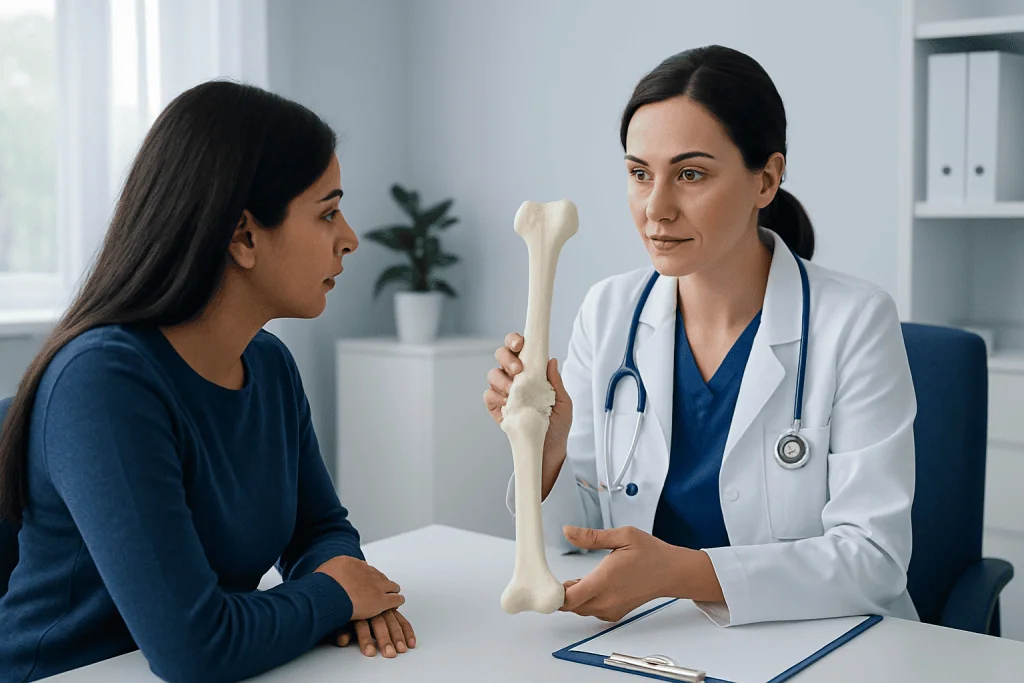
The term “bone cyst” describes several different noncancerous bone lesions. Some are simple fluid-filled cysts that may be found incidentally and monitored, while others, including aneurysmal bone cysts, can be more active and expand over time. The seriousness therefore cannot be judged by the name alone.
A bone cyst may need treatment when it causes ongoing pain, affects function, grows on repeat imaging or substantially weakens the bone. A cyst in a weight-bearing bone may be of particular concern if there is a high risk of a pathological fracture, meaning a break through bone that has been weakened by the lesion.
Imaging and, when needed, a tissue sample help distinguish a benign cyst from other conditions, including tumors or infection. This step is essential because the treatment plan should address the specific diagnosis rather than relying on appearance or symptoms alone.
Who May Need Treatment and What Age Is a Bone Cyst Most Common?
Aneurysmal bone cysts are most common in people under age 30, with many diagnosed during childhood or adolescence. They often appear during periods of active bone growth. By contrast, other types of bone cyst have different age patterns, so age is only one part of the diagnostic picture.
People may be candidates for active treatment if imaging shows an enlarging lesion, if pain or swelling is persistent, or if the cyst threatens bone stability. Treatment is also commonly considered when the lesion is near a joint, in a weight-bearing bone, or close to the spine and nerves. A previous fracture through the cyst may increase the need to stabilize the bone.
Not every patient needs the same intervention. In selected cases, particularly where the lesion is small, stable and unlikely to cause a fracture, close observation with scheduled imaging may be appropriate. The decision should be made with an orthopedic specialist experienced in bone lesions.
How Is an Aneurysmal Bone Cyst Treated?
Treatment begins with careful confirmation of the diagnosis. X-rays can show how the cyst affects bone structure, while MRI or CT scans help define its size, internal characteristics and relationship to joints, nerves and blood vessels. A biopsy may be needed, especially when imaging cannot confidently exclude another type of bone tumor.
A common surgical option is curettage, in which the surgeon makes an opening in the bone and removes the cyst tissue. The cavity may then be treated with local methods intended to reduce remaining abnormal cells, depending on the site and surgical plan. Bone graft material, bone substitute or cement may be used to fill and support the space, and plates, screws or other fixation may be used if the bone needs added stability.
Some patients may be suitable for image-guided treatments, such as injections into the cyst that promote healing and shrinkage. These procedures are typically performed by experienced interventional radiology or orthopedic teams and may need to be repeated. For lesions in challenging locations, such as the spine or pelvis, treatment planning may include techniques to reduce bleeding or protect important structures.
Rarely, medicines that affect bone remodeling may be considered by specialist teams when surgery is not suitable or when a cyst is difficult to control. Radiation therapy is generally avoided when possible, especially in younger people, because of potential long-term effects. The goal is always to choose the least invasive effective approach while maintaining safety and bone function.
What Happens During the Procedure?
Before a procedure, the clinical team reviews imaging, general health, medications and anesthesia needs. Blood tests or additional scans may be arranged depending on the planned treatment. Patients and families are informed about the expected benefits, possible alternatives, recovery needs and reasons follow-up is important.
For surgery, the patient is given anesthesia so they are asleep and comfortable. The surgeon reaches the affected bone through an incision, creates access to the cyst and removes the abnormal tissue. In many cases, a sample is examined by a pathologist to confirm the diagnosis. The surgeon then addresses the resulting bone cavity and may add graft material or internal fixation if required.
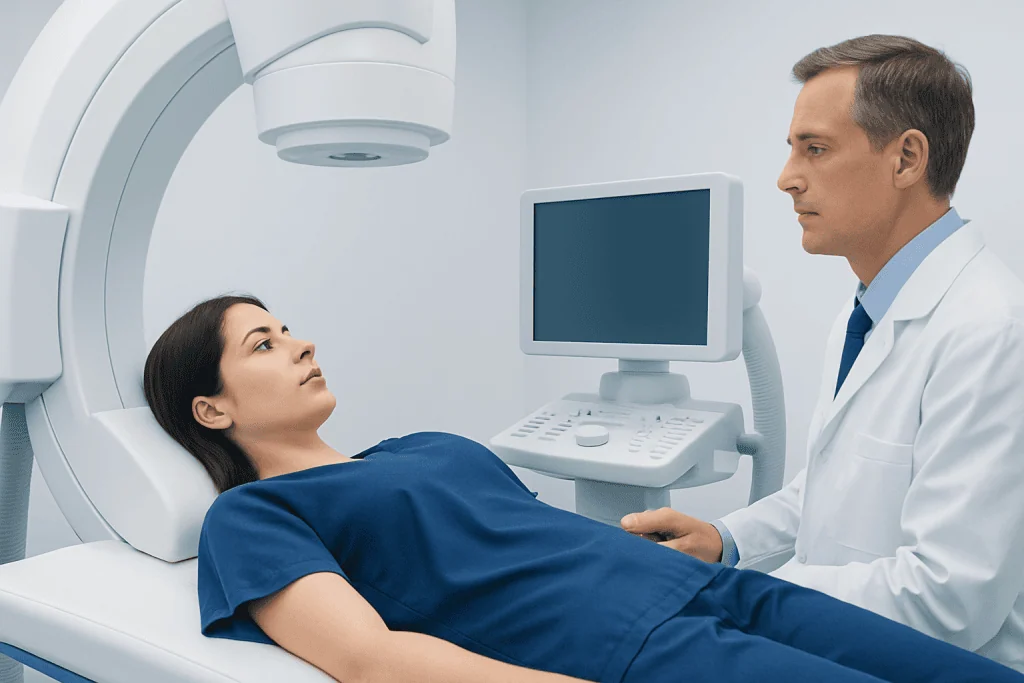
For image-guided injection treatment, imaging such as CT, ultrasound or fluoroscopy is used to guide a needle accurately into the lesion. A medication is injected to help close off the abnormal spaces and encourage the lesion to heal. This is generally less invasive than open surgery, but it may not be suitable for every cyst and sometimes more than one session is needed.
The details vary considerably by body area. A cyst close to a joint may require planning to protect cartilage and restore normal motion, while spinal lesions require special attention to nerve structures. In complex cases, care is coordinated among orthopedic oncology, musculoskeletal radiology and spine specialists.
Recovery Timeline, Benefits and Possible Risks
Recovery depends on the cyst location, treatment method, need for bone reconstruction and the patient’s overall health. After a minor image-guided procedure, some people return to light daily activities relatively soon, although the treated bone still needs time to heal. After surgery, recovery may involve a hospital stay, temporary limits on weight-bearing and a gradual return to school, work, sports or other activities.
Physical therapy may help restore strength, balance and joint movement, particularly after treatment in the leg, arm or near a major joint. The care team will advise when it is safe to bear weight, drive, exercise or resume sports. Follow-up X-rays, CT or MRI scans are commonly scheduled over months and sometimes longer to assess bone healing and check for recurrence.
Potential benefits include pain relief, improved function, lower fracture risk and control of cyst growth. Possible risks vary by procedure but can include bleeding, infection, pain, damage to nearby nerves or blood vessels, anesthesia-related complications, fracture, incomplete healing and recurrence. Surgical risks may be greater when lesions are deep, close to a joint or located in the spine or pelvis.
Patients should discuss individual risks with their treating specialist. A plan that balances cyst control with preservation of healthy bone and function is usually the central aim of care.
When to Seek Medical Care
Medical assessment is advisable for persistent or worsening bone pain, a new lump or swelling near a bone or joint, limping, reduced ability to use an arm or leg, or pain that disrupts sleep. These symptoms do not always indicate a bone cyst, but they deserve evaluation rather than self-treatment alone.
Urgent assessment is needed after an injury followed by severe pain, inability to bear weight, visible deformity, new weakness, numbness or changes in bladder or bowel control. These symptoms can indicate a fracture or, in rare cases involving the spine, pressure on nerves.
For international patients, Acibadem International’s multidisciplinary specialists and JCI-accredited hospitals can evaluate and treat bone lesions with coordinated imaging, pathology, orthopedic and rehabilitation care. A qualified doctor can explain whether observation, a minimally invasive procedure or surgery is most suitable for the individual situation.
Frequently asked questions
Can an aneurysmal bone cyst become cancer?
An aneurysmal bone cyst is benign and does not transform into a cancer. However, other bone lesions can resemble it on scans, so specialist review and sometimes biopsy are important to confirm the diagnosis.
Is surgery always needed for an aneurysmal bone cyst?
No. Surgery is common for cysts that are large, active, painful or likely to weaken the bone, but some patients may be suitable for image-guided injections or close observation. The location and behavior of the cyst guide the decision.
Can an aneurysmal bone cyst return after treatment?
Yes, recurrence is possible, particularly during the first years after treatment. Follow-up appointments and imaging are used to monitor healing and identify any return of the lesion early.
How long does bone healing take after aneurysmal bone cyst surgery?
Healing time varies by the treated bone, the size of the cyst, whether grafting or fixation was needed, and the person’s age and health. The care team will use symptoms, examinations and follow-up imaging to guide a safe return to full activity.
Does an aneurysmal bone cyst cause pain?
It can cause aching or worsening pain, swelling, reduced movement or limping, although symptoms differ by location. Some cysts are discovered on imaging obtained for another reason.
Can a child return to sports after treatment?
Many children and adolescents can return to sports after the bone has healed and strength and movement have recovered. Return should be gradual and based on the treating specialist’s advice, especially if the cyst affected a weight-bearing bone or a joint.
References
- American Academy of Orthopaedic Surgeons
- National Cancer Institute
- OrthoInfo
- Radiopaedia
- World Health Organization
This article is for general information only and is not a substitute for professional medical advice. Please consult a qualified doctor about your individual situation.
Joint and spine care in Turkey — expert assessment & treatment
JCI-accredited · board-certified surgeons · reply within 24h
Add us as a Preferred Source to see more of our trusted health content across Google Search, AI Overviews and Discover.