Anencephaly Treatment: How It Works, Results and What to Expect

Anencephaly is a severe neural tube defect that develops very early in pregnancy. There is currently no surgery or medicine that can cure anencephaly before or after birth.
Key Takeaways
- Anencephaly is a severe neural tube defect that develops very early in pregnancy.
- There is currently no surgery or medicine that can cure anencephaly before or after birth.
- Ultrasound can often identify anencephaly during the first or early second trimester, with further tests offered when appropriate.
- Most babies with anencephaly die before birth or shortly after birth; care can prioritize comfort and family time.
- Taking folic acid before conception and in early pregnancy lowers the risk of neural tube defects, although it cannot prevent every case.
Anencephaly treatment cannot replace the missing parts of the brain and skull or cure the condition. Medical care focuses on confirming the diagnosis, discussing pregnancy options in line with local laws and family wishes, planning comfort-focused newborn care, and providing emotional and practical support.
Overview: What Anencephaly Treatment Involves
Anencephaly treatment does not cure or reverse the condition. Anencephaly occurs when the upper part of the neural tube does not close normally very early in development, resulting in major absence of the brain, skull and scalp. Care is therefore centered on accurate diagnosis, respectful counseling, pregnancy planning, comfort-focused care for a baby who is born alive, and support for the family.
The condition is considered life-limiting. Families should be offered clear information in an unhurried setting and supported by a multidisciplinary team that may include maternal-fetal medicine specialists, obstetricians, neonatologists, palliative-care clinicians, genetic counselors, nurses, social workers and mental-health professionals. The care plan should reflect the family’s values, wishes and local legal requirements.
Anencephaly is one type of neural tube defect. It is different from conditions such as spina bifida, where the spinal cord and surrounding structures are affected and where treatment options may sometimes be available. In anencephaly, the extent of missing brain development means that corrective treatment is not possible.
How Anencephaly Is Diagnosed During Pregnancy
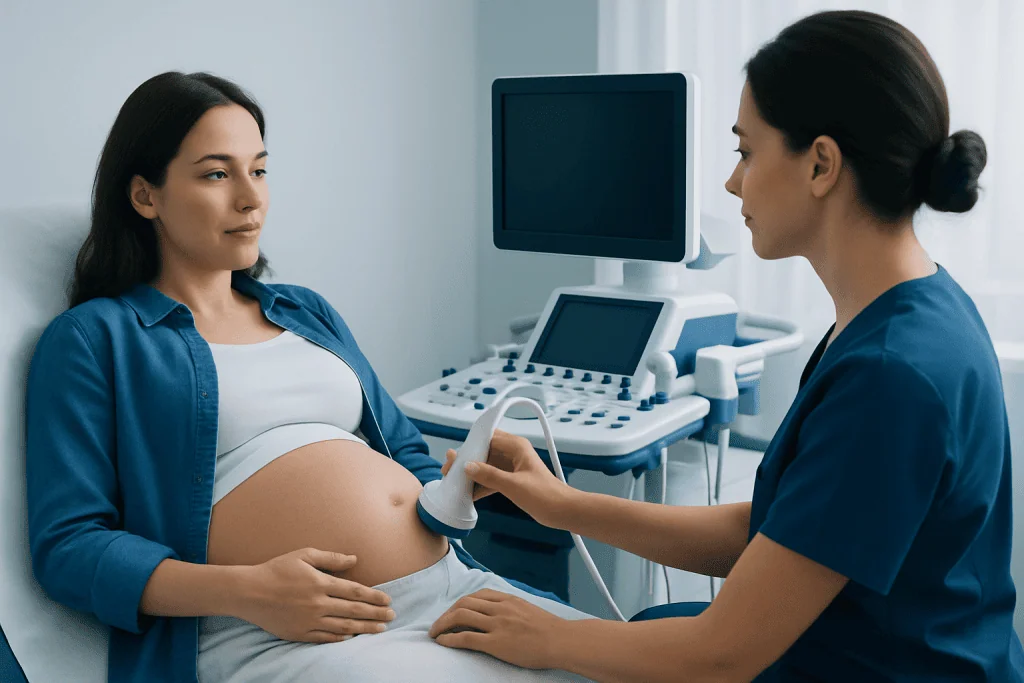
Can they see anencephaly on ultrasound? In many pregnancies, yes. Anencephaly can often be recognized on an ultrasound scan in the first trimester and is usually clearly visible at the detailed anatomy ultrasound in the second trimester. The scan may show absent portions of the skull and brain above the eye sockets, although the exact timing of diagnosis can vary with gestational age, imaging conditions and fetal position.
Clinicians may recommend a targeted ultrasound examination with a maternal-fetal medicine specialist to confirm the findings and look for other structural differences. Blood screening for alpha-fetoprotein may be elevated in pregnancies affected by an open neural tube defect, but ultrasound is used to assess fetal anatomy directly.
Genetic testing, such as chorionic villus sampling or amniocentesis, may be discussed in selected circumstances. These tests do not treat anencephaly, but they can sometimes help clarify whether a chromosome condition or another genetic factor is present. A genetic counselor can explain what testing can and cannot show, as well as possible implications for a future pregnancy.
Why Did My Baby Get Anencephaly?

Why did my baby get anencephaly? In most cases, there is no single cause and nothing a parent did caused the condition. Anencephaly develops during the first month after conception, often before a person knows they are pregnant. It is thought to result from a combination of genetic susceptibility and environmental factors that influence neural tube closure.
Not having enough folate available around conception is a recognized risk factor for neural tube defects. Other factors that can raise risk include a previous neural tube defect pregnancy, certain anti-seizure medicines, poorly controlled diabetes before pregnancy, obesity and exposure to high body temperatures early in pregnancy. These factors do not mean that anencephaly will occur, and many affected pregnancies arise without any known risk factor.
A clinician or genetic counselor can review medical history, medicines, family history and prior pregnancies without assigning blame. This conversation can help families understand recurrence risk and make a tailored plan for folic acid supplementation and early prenatal care in a future pregnancy.
Care Options and What to Expect Step by Step
After confirmation, the first step is usually a detailed consultation to explain the diagnosis, expected outcomes and available options. Depending on gestational age, local laws and the pregnant person’s circumstances, options may include continuing the pregnancy with a coordinated birth and comfort-care plan or discussing pregnancy termination. Families should receive non-directive, compassionate counseling and sufficient time to ask questions.
If a pregnancy continues, the obstetric team monitors the pregnant person’s health and develops an individualized delivery plan. Vaginal birth is often medically appropriate unless there is a separate maternal or obstetric reason for a cesarean birth. A cesarean delivery does not improve the baby’s underlying condition and carries surgical risks for the mother, so decisions should focus on maternal health and informed preferences.
A birth plan may cover where delivery will occur, who the family wants present, wishes regarding monitoring and resuscitation, memory-making opportunities, cultural or spiritual practices, and whether the baby will remain with the family. Neonatal palliative care aims to relieve discomfort, protect dignity and help families spend meaningful time together rather than provide invasive treatment that cannot change the outcome.
Where specialist input is needed, coordinated maternal-fetal assessment and high-risk pregnancy care can help families understand the pathway from diagnosis through delivery. Care decisions remain personal and should be made with qualified clinicians who understand the family’s medical, emotional and cultural needs.
Life Expectancy, Pain and Comfort Care
What is the life expectancy of a baby born with anencephaly? Many affected pregnancies end in miscarriage or stillbirth. Babies born alive usually live for minutes, hours or days; a small number live longer. It is not possible to predict an individual baby’s exact lifespan before birth, so clinicians generally prepare families for a short and uncertain time while helping them plan for the experiences that matter most to them.
Do babies with anencephaly feel pain? The brain structures needed for conscious awareness and typical pain perception are severely underdeveloped or absent in anencephaly. However, babies can show physical responses such as changes in breathing, movement or facial expression. The care team does not assume that these observations are meaningless; instead, it uses gentle, comfort-focused measures and treats any signs that may indicate distress.
Comfort care may include warmth, swaddling, holding, skin-to-skin contact, a calm environment, mouth care and medication if a clinician believes it is needed for comfort. Feeding can be offered when safe and desired, but some babies may not be able to suck or swallow effectively. Families can ask the neonatal or palliative-care team exactly how comfort will be assessed and supported.
Benefits, Limits, Risks and Recovery for Families
The benefit of an organized care plan is not a cure; it is clarity, comfort and the opportunity for care to match a family’s goals. Planning may reduce uncertainty around delivery and help parents make choices about time with their baby, photographs, naming, religious rites, visitors and follow-up support. Bereavement services can remain available whether the pregnancy ends before or after birth.
There are no corrective procedures for anencephaly, and intensive life-prolonging interventions generally cannot change the condition’s outcome. Procedures that may cause discomfort without providing meaningful benefit are usually avoided in a comfort-care plan. Each family can discuss the potential burdens and expected value of any proposed intervention with the clinical team.
Physical recovery after delivery varies according to the type of birth, gestational age and any pregnancy complications. Postpartum medical care should include assessment for bleeding, infection, blood-pressure concerns, pain and lactation needs. Emotional recovery has no fixed timeline; grief may include sadness, numbness, anger, anxiety or difficulty sleeping, and professional support can be helpful at any stage.
Acibadem International’s multidisciplinary specialists and JCI-accredited hospitals can support international patients requiring fetal assessment, pregnancy care and coordinated neonatal or palliative-care planning.
Prevention and Planning a Future Pregnancy
Folic acid taken before conception and during early pregnancy reduces the chance of neural tube defects. People who could become pregnant are commonly advised to take a daily folic acid supplement, while those with a previous neural tube defect pregnancy or certain medical risk factors may need a higher prescribed dose. A doctor should provide individualized advice before trying to conceive again.
Pre-pregnancy care can also include reviewing anti-seizure and other medicines, optimizing diabetes management, discussing weight and nutrition where relevant, and avoiding overheating from hot tubs or high fevers in very early pregnancy when possible. Medicines should never be stopped or changed without advice from the prescribing clinician, especially when they are needed to control seizures or other serious conditions.
Early prenatal visits and a first-trimester ultrasound may provide reassurance and allow timely assessment in a subsequent pregnancy. Most people who have had an affected pregnancy later have a healthy pregnancy, but a clinician can explain personal recurrence risk and arrange appropriate screening.
When to Seek Medical Care
Anyone who receives an unexpected ultrasound finding, has been told that anencephaly is suspected, or has questions about a current pregnancy should contact an obstetric clinician promptly. Referral to maternal-fetal medicine can provide diagnostic confirmation, explain options and coordinate support. Seeking a second opinion is reasonable if it would help a family feel confident about the diagnosis or care plan.
Urgent medical assessment is needed during pregnancy for heavy vaginal bleeding, severe or persistent abdominal pain, fainting, fever, fluid leakage, severe headache with visual changes, sudden swelling, chest pain or trouble breathing. These symptoms can have many causes and may not be related to anencephaly, but they should not be managed at home.
After pregnancy loss or delivery, immediate help is important for heavy bleeding, fever, worsening pain, shortness of breath, thoughts of self-harm or feeling unable to stay safe. A maternity team, emergency service or local crisis service can provide urgent assistance. Ongoing grief counseling, peer support and follow-up with the obstetric team are appropriate and available forms of care.
Frequently asked questions
Is there any cure for anencephaly?
There is currently no cure for anencephaly and no treatment that can restore the missing brain and skull structures. Care focuses on confirming the diagnosis, supporting the pregnant person, planning delivery when applicable and providing comfort-focused newborn care.
What is the life expectancy of a baby born with anencephaly?
Many pregnancies affected by anencephaly end before birth. Babies who are born alive usually live for minutes, hours or days, although survival can occasionally be longer. The individual course cannot be predicted precisely before birth.
Do babies with anencephaly feel pain?
The areas of the brain required for conscious awareness and usual pain perception are profoundly affected in anencephaly. Because babies may still show physical responses that could suggest discomfort, clinical teams provide gentle comfort measures and address possible distress.
Why did my baby get anencephaly?
In most cases, anencephaly results from a complex combination of genetic and environmental influences, rather than one identifiable cause. It develops very early in pregnancy, often before pregnancy is recognized, and it is not usually caused by anything a parent did.
Can they see anencephaly on ultrasound?
Yes. Anencephaly can often be detected during a first-trimester ultrasound and is usually identified on the detailed anatomy scan in the second trimester. A specialist ultrasound may be recommended to confirm the findings and assess fetal anatomy further.
Can anencephaly be prevented?
Not every case can be prevented, but adequate folic acid before conception and in early pregnancy lowers the risk of neural tube defects. A clinician can recommend the right supplement plan, especially after a previous affected pregnancy or when other risk factors are present.
References
- Centers for Disease Control and Prevention
- American College of Obstetricians and Gynecologists
- World Health Organization
- National Institute of Neurological Disorders and Stroke
- Society for Maternal-Fetal Medicine
This article is for general information only and is not a substitute for professional medical advice. Please consult a qualified doctor about your individual situation.
Hair transplant in Turkey — costs, graft counts & a free assessment
JCI-accredited · board-certified surgeons · reply within 24h
Add us as a Preferred Source to see more of our trusted health content across Google Search, AI Overviews and Discover.