

Chemotherapy Schedule: How It Works, Results and What to Expect

Chemotherapy is usually given in cycles, with treatment days followed by planned recovery time. Schedules vary widely and may be adjusted for blood test results, side effects, infections, or treatment response.
Key Takeaways
- Chemotherapy is usually given in cycles, with treatment days followed by planned recovery time.
- Schedules vary widely and may be adjusted for blood test results, side effects, infections, or treatment response.
- Chemotherapy can be used before surgery, after surgery, alongside radiotherapy, or to control advanced cancer.
- Regular appointments, laboratory tests, and symptom reporting help the oncology team deliver treatment as safely as possible.
- Patients should contact their oncology team promptly for fever, signs of infection, severe symptoms, or concerns between appointments.
A chemotherapy schedule is a personalized plan that outlines when chemotherapy medicines are given, how long treatment continues, and when rest and monitoring occur. It is designed around the cancer type, treatment goal, medicines used, overall health, and how the body responds over time.
Chemotherapy Schedule Overview
A chemotherapy schedule explains when chemotherapy medicines will be given and how treatment will be repeated over time. In most cases, chemotherapy is delivered in cycles: a treatment day or group of treatment days is followed by a rest period. The rest period gives healthy cells, particularly blood-forming cells in the bone marrow, time to recover while treatment continues to affect cancer cells.
The exact schedule is individualized. Some people receive treatment once a week, every two weeks, every three weeks, or over several consecutive days followed by a longer break. A plan may include tablets taken at home, medicines infused through a vein at a clinic, injections, or a combination of approaches.
A schedule also includes blood tests, consultations, scans when needed, supportive medicines, and follow-up appointments. Although a treatment calendar provides a useful guide, the dates can change if the oncology team determines that a delay, dose modification, or additional assessment is needed for safety.
How Chemotherapy Works and Why Cycles Are Used
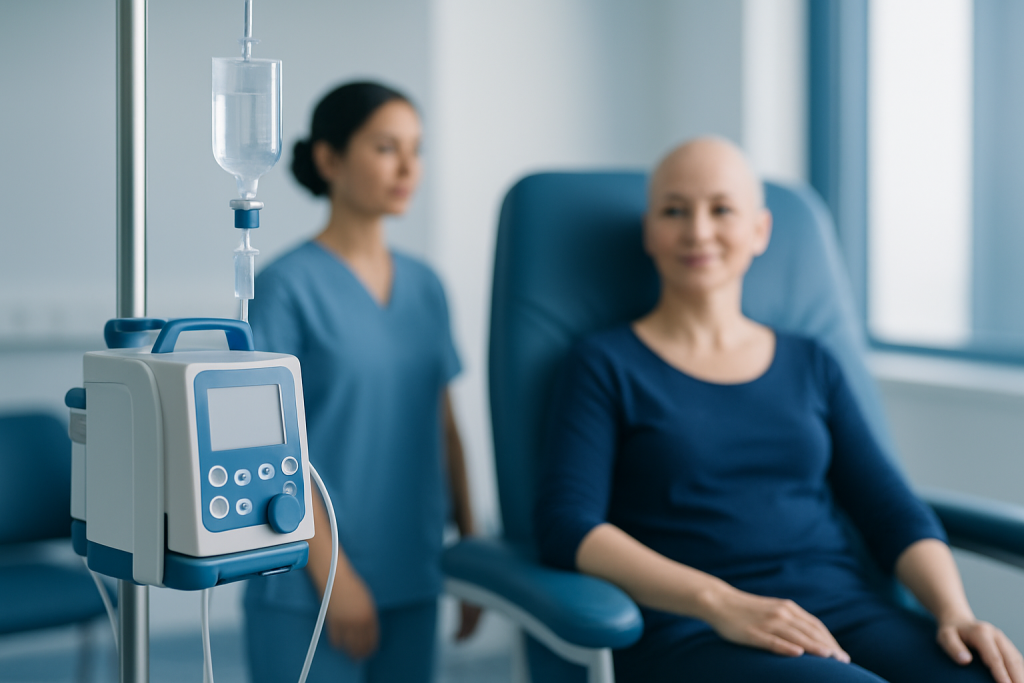
Chemotherapy uses medicines that damage or stop the growth of cancer cells. Because many chemotherapy medicines also affect some normal rapidly dividing cells, including cells in the hair follicles, digestive tract, and bone marrow, side effects can occur. Treatment cycles balance the need to treat cancer with the need for normal tissues to recover.
Chemotherapy may be recommended with different goals. It can be given before an operation to shrink a tumor, after surgery to lower the chance of cancer returning, with radiotherapy to make treatment more effective, or for cancer that has spread to slow growth and relieve symptoms. The expected benefit depends on the type, stage, and biology of the cancer.
Modern cancer care may combine chemotherapy with surgery, radiotherapy, targeted therapy, immunotherapy, hormone therapy, or other treatments. The oncologist explains why a particular combination and sequence are being considered and how progress will be assessed during treatment.
For patients considering systemic cancer treatment, chemotherapy treatment is planned by a medical oncology team using the diagnosis, pathology findings, imaging, prior therapies, and personal health needs.
Who May Need a Chemotherapy Schedule
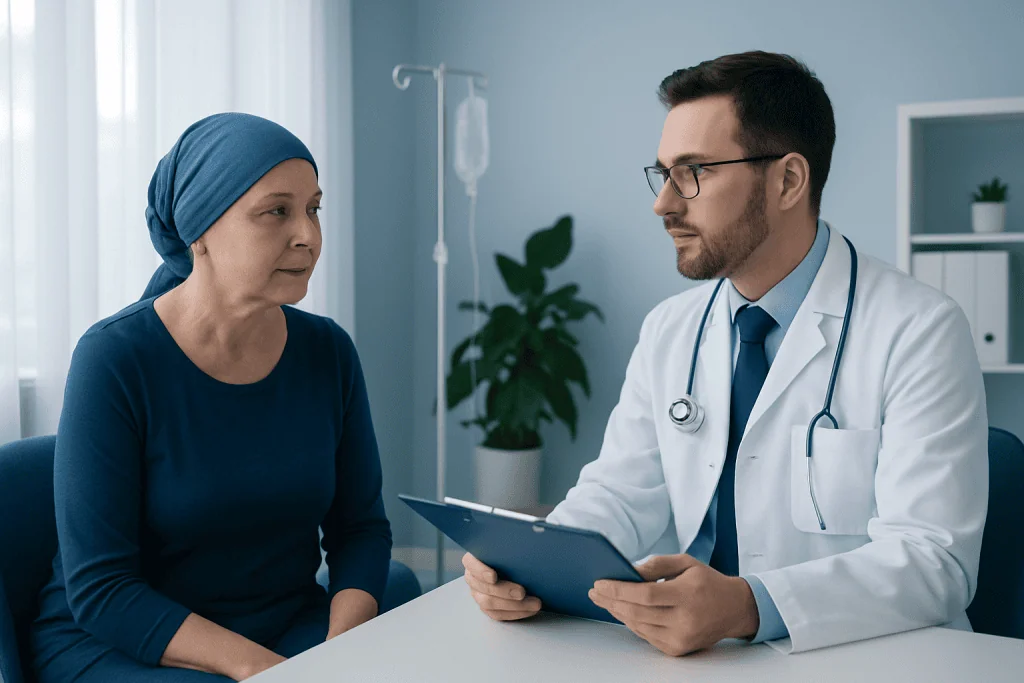
Not every person with cancer needs chemotherapy, and not all chemotherapy plans are the same. A medical oncologist considers the specific cancer type, its location and stage, molecular or genetic features of the tumor when relevant, and whether the cancer can be removed or treated locally.
Overall health also matters. The team reviews kidney and liver function, heart and lung health, blood counts, other medicines, previous cancer therapy, nutrition, and day-to-day functioning. Age alone does not determine whether chemotherapy is appropriate; rather, decisions are based on the likely benefits, possible risks, and a person’s individual priorities.
Before treatment begins, patients may have blood tests, imaging, a heart assessment for certain medicines, dental review in selected situations, and discussions about fertility preservation. People who may wish to have children in the future should raise this before chemotherapy starts, as some medicines can affect fertility.
When cancer care includes an operation, the sequence of systemic treatment and surgery is decided jointly by the relevant specialists. Depending on the diagnosis, cancer surgery may occur before or after chemotherapy.
What Happens During a Chemotherapy Cycle
Before each cycle, the oncology team typically reviews symptoms, checks weight and vital signs, and orders blood tests. These tests commonly assess infection-fighting white blood cells, red blood cells, platelets, kidney function, and liver function. The team uses the results to decide whether treatment can proceed as planned.
On treatment day, chemotherapy may be administered through a small cannula in a vein, a central venous catheter, or an implanted port. Some medicines are taken by mouth at home. Infusions can last from a short period to several hours, depending on the medicines. Staff may give anti-sickness medicines, fluids, or other supportive treatments before or after chemotherapy.
Patients are observed for reactions during an infusion, particularly when receiving a medicine for the first time. Most people can go home the same day, although certain regimens require longer visits or hospital admission. It is helpful to bring a current medication list and to ask the team about eating, drinking, transport, work, and activity plans for the day.
At the end of a cycle, the team confirms the next appointment, any medicines to take at home, and symptoms that require a call. Keeping a simple symptom diary can help patients report changes accurately at the next review.
Recovery Timeline, Results and Monitoring
Recovery between chemotherapy treatments differs from person to person and from one regimen to another. Some effects, such as tiredness or nausea, can occur on treatment day or over the next few days. Blood counts often reach their lowest point days later, depending on the medicines used, before recovering ahead of the next cycle.
The oncology team monitors treatment through clinical examinations, blood tests, and imaging studies at planned intervals. In some cancers, tumor markers or other laboratory tests may also be useful. Results are interpreted over time; a scan after one cycle may not always provide enough information to judge the full effect of treatment.
Possible outcomes include tumor shrinkage, stable disease, reduction in the risk of recurrence after local treatment, or symptom improvement. If treatment is not working as hoped or side effects become difficult to manage, the team may discuss changing the regimen, adjusting the dose or timing, adding supportive care, or considering another approach.
Many side effects improve after chemotherapy ends, but recovery can take weeks or months. Some effects, such as numbness or tingling in the hands and feet, changes in fertility, or effects on heart function with certain medicines, may last longer. Follow-up care helps identify and manage these concerns.
Benefits, Risks and Self-care During Treatment
The potential benefit of chemotherapy is specific to the treatment goal. It may improve the chance of cure in some settings, reduce the chance that cancer returns, make surgery or radiotherapy more effective, slow cancer growth, or ease cancer-related symptoms. The oncologist should explain the expected purpose of treatment in clear terms before it begins.
Common side effects can include fatigue, nausea, vomiting, appetite changes, mouth soreness, diarrhea or constipation, hair thinning or loss, skin or nail changes, and low blood counts. Some medicines cause more specific effects, such as nerve symptoms, hearing changes, or effects on the heart, kidneys, or lungs. Not everyone experiences the same side effects, and many can be prevented or managed with supportive care.
During a chemotherapy schedule, patients are generally advised to take medicines exactly as prescribed, drink fluids if permitted, choose nourishing foods they can tolerate, rest as needed, and maintain gentle activity when able. Hand hygiene, food safety, and avoiding close contact with people who have contagious illnesses can be especially important when blood counts are low.
Patients should not start vitamins, herbal products, pain medicines, or other over-the-counter treatments without checking with the oncology team. Some products can interact with chemotherapy or increase bleeding, infection, or organ-related risks.
- Ask which side effects are expected with the specific regimen.
- Keep emergency contact details readily available.
- Discuss work, travel, vaccination, fertility, sexual health, and emotional support early in the treatment plan.
- Report new or worsening symptoms rather than waiting until the next appointment.
When to Seek Medical Care
Patients should contact their oncology team promptly if they develop a fever or feel suddenly unwell during chemotherapy. Fever can be the first sign of an infection when white blood cell levels are low, and the team will advise what temperature threshold and next steps apply to the individual treatment plan.
Urgent medical advice is also important for chills, shortness of breath, chest pain, confusion, severe or persistent vomiting or diarrhea, inability to keep fluids down, unusual bleeding or bruising, severe pain, a new rash, swelling of the face or throat, or redness and pain around a catheter or port. These symptoms do not always indicate a serious problem, but they need timely assessment.
It is important not to delay care because of concern about interrupting the chemotherapy schedule. Treating an infection, dehydration, or other complication early may protect health and make it easier to continue treatment safely. The oncology unit can provide a 24-hour contact pathway where available and advise whether to attend an emergency department.
Acibadem International’s multidisciplinary specialists and JCI-accredited hospitals diagnose and treat cancer for international patients, with care plans coordinated across medical oncology, surgery, radiology, pathology, and supportive care services.
Frequently asked questions
How long is a typical chemotherapy schedule?
The length of a chemotherapy schedule varies according to the cancer type, treatment goal, and medicines used. A course may involve several cycles over a few months, while some treatments continue longer when they are controlling cancer. The oncology team will explain the planned number of cycles and when this may be reviewed.
Can a chemotherapy cycle be delayed?
Yes. A cycle may be delayed if blood counts have not recovered, side effects are significant, an infection develops, or further assessment is needed. A short delay is a common safety measure and does not automatically mean that treatment has failed.
Will chemotherapy be given every day?
Usually not, although some regimens involve treatment over consecutive days or tablets taken on specific days. Many chemotherapy schedules include one treatment day followed by days or weeks of recovery. The exact timing depends on the medicines prescribed.
How will the doctor know whether chemotherapy is working?
The team monitors symptoms, physical findings, blood tests, and imaging scans at appropriate intervals. In some cancers, tumor markers can provide additional information. Treatment response is assessed over time rather than from one symptom or one test result alone.
Can patients work during a chemotherapy schedule?
Some people continue working during chemotherapy, sometimes with reduced hours or flexible arrangements. Others need more time away because fatigue, appointments, side effects, or infection exposure make work difficult. The care team can provide guidance based on the regimen and the person’s role.
What should patients eat during chemotherapy?
There is no single chemotherapy diet. The main goals are maintaining nutrition, fluids, and food safety while choosing foods that are comfortable to eat if nausea, mouth soreness, or bowel changes occur. A dietitian can provide individualized advice, especially if weight loss or eating difficulties develop.
References
- National Cancer Institute
- American Cancer Society
- American Society of Clinical Oncology
- European Society for Medical Oncology
- World Health Organization
This article is for general information only and is not a substitute for professional medical advice. Please consult a qualified doctor about your individual situation.
Chemotherapy in Turkey — costs, top hospitals & a free quote
JCI-accredited · board-certified surgeons · reply within 24h
Add us as a Preferred Source to see more of our trusted health content across Google Search, AI Overviews and Discover.

Medical Oncology Department
Medical treatment of cancer with chemotherapy, immunotherapy and targeted therapies under a multidisciplinary tumor board.
60 specialists in this unitMore from the Health Library



Related Specialists

Prof. Dr. Ahmet Tulga Ulus
Cardiovascular Surgery
Assoc. Prof. Dr. Akif İşlek
Ear Nose & Throat
Assoc. Prof. Dr. Işil Fazilet Kartaloğlu
Physical Medicine & Rehabilitation
Dr. Nurşat Erdemli
Pediatrics