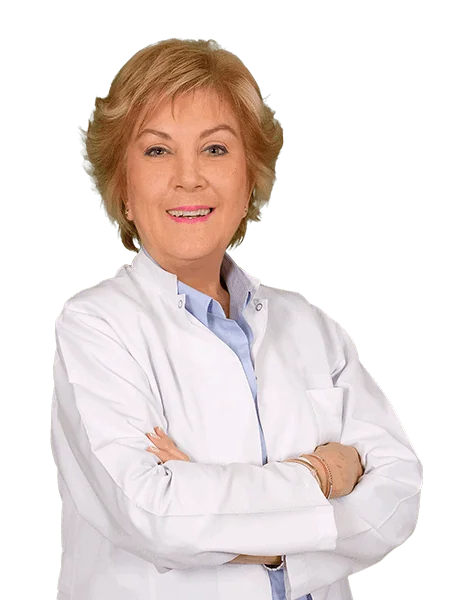
Eye Drops for Chalazion Treatment: How It Works, Results and What to Expect

A chalazion is a noncancerous eyelid lump caused by blockage and inflammation of an oil-producing gland. Antibiotic eye drops generally do not remove a simple chalazion because it is not usually caused by an active bacterial infection.
Key Takeaways
- A chalazion is a noncancerous eyelid lump caused by blockage and inflammation of an oil-producing gland.
- Antibiotic eye drops generally do not remove a simple chalazion because it is not usually caused by an active bacterial infection.
- Warm compresses and gentle lid massage are first-line measures that encourage the blocked gland to drain.
- Prescription drops or ointment may be recommended when blepharitis, dry eye, or infection is also present.
- An ophthalmologist can consider steroid injection or a minor drainage procedure if a chalazion does not improve or affects vision.
Eye drops for chalazion treatment can be useful in selected situations, such as associated dry eye, blepharitis, or a suspected eyelid infection, but they usually do not dissolve the blocked oil gland causing the lump. Most chalazia improve with consistent warm compresses and eyelid hygiene; persistent or recurrent lumps should be assessed by an eye specialist.
Overview: Do Eye Drops Treat a Chalazion?
Eye drops for chalazion treatment usually do not make the lump disappear on their own. A chalazion forms when an eyelid oil gland becomes blocked, so the main aim is to soften and release thickened oil with warm compresses, gentle lid massage, and eyelid hygiene. Drops may support comfort or treat another eye-surface problem, but they do not typically open the blocked gland.
A chalazion is often a round, firm swelling within the upper or lower eyelid. It may begin as a tender red area, then become less painful as inflammation settles. Unlike a stye, which is commonly painful and may involve an infection near an eyelash, a chalazion is usually deeper in the lid and is often not painful.
Most chalazia resolve gradually over several weeks. If the lump persists, repeatedly returns, is unusually painful, or interferes with vision, an ophthalmologist can confirm the diagnosis and discuss chalazion treatment options.
How Eye Drops Work and When They May Help
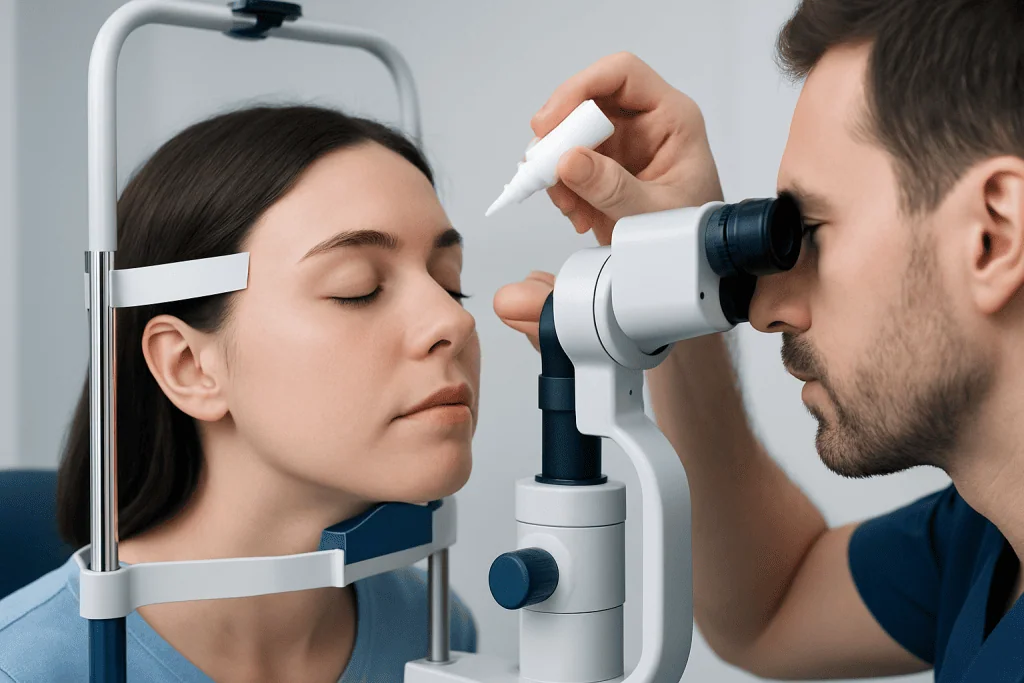
Lubricating eye drops, also called artificial tears, can reduce grittiness, burning, or blurred vision caused by dry eye and an unstable tear film. These symptoms can occur alongside eyelid gland dysfunction, a common contributor to chalazia. Preservative-free drops may be particularly suitable for people who need to use lubrication frequently, although the appropriate product should be discussed with an eye-care professional.
Antibiotic drops or antibiotic ointment may be prescribed when a clinician suspects a bacterial eyelid infection or significant blepharitis. However, an uncomplicated chalazion is usually an inflammatory blockage rather than an active infection. For this reason, antibiotic eye drops are not routinely needed and should not be self-started or shared with another person.
In some circumstances, an ophthalmologist may prescribe anti-inflammatory treatment for associated eyelid or eye-surface inflammation. Steroid-containing drops require medical supervision because they can be unsuitable for some people and may increase eye pressure or worsen certain infections. The treatment plan should address the underlying eyelid condition rather than relying on drops alone.
Who May Benefit From Medical Assessment and Treatment
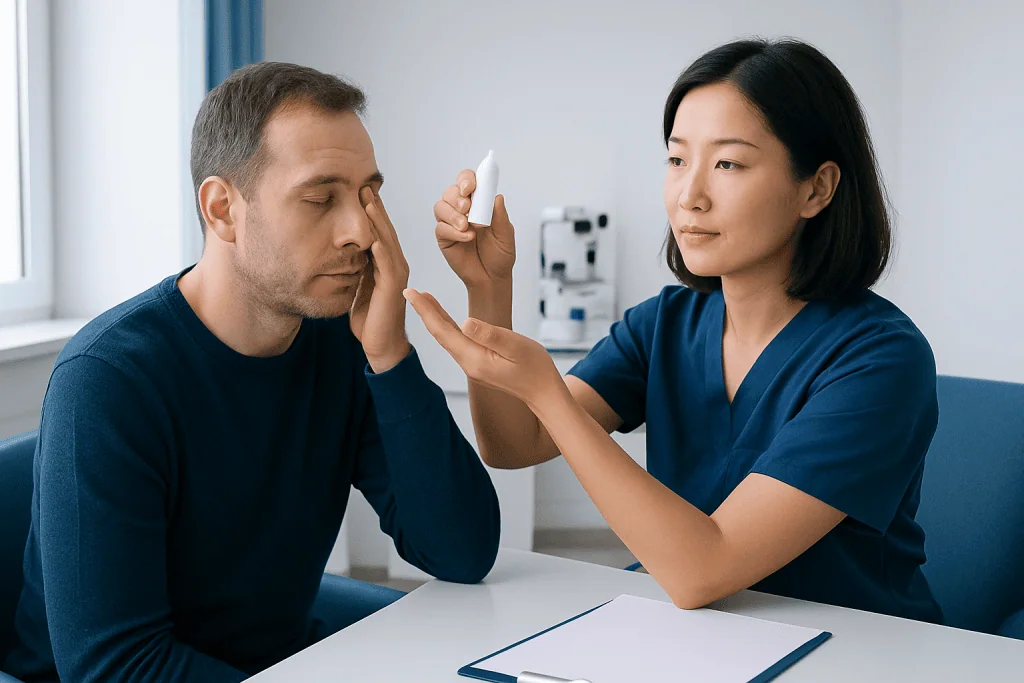
Many people can begin conservative care at home when the lump has the typical features of a chalazion and there are no concerning symptoms. This approach is often appropriate for a small, mildly uncomfortable eyelid swelling that has developed gradually and does not affect eyesight.
An eye specialist should assess a lump that lasts despite several weeks of regular warm compresses, becomes large, returns in the same location, or distorts the eyelid. Assessment is also helpful for people with recurrent chalazia, rosacea, chronic blepharitis, dry eye, diabetes, or conditions that affect immunity, as these factors can influence prevention and treatment.
Children, contact lens wearers, and people using glaucoma drops or other prescribed eye medicines should seek individualized advice before adding new drops or ointments. A clinician can check whether the lump is truly a chalazion and rule out conditions that can appear similar, including a stye, cyst, skin lesion, or rarely another eyelid disorder.
Conservative Care: Step by Step
The usual first step is a warm compress. A clean washcloth should be soaked in comfortably warm water, wrung out, and placed over the closed eyelid for about 10 to 15 minutes. Rewarming the cloth as needed helps keep it warm. This can be repeated several times daily, as advised by an eye-care professional.
After the compress, gentle massage toward the eyelash line may help encourage drainage from the blocked gland. The eyelid should not be squeezed, punctured, or forcibly pressed. Trying to pop a chalazion can injure delicate eyelid tissue, increase irritation, and raise the risk of infection.
Daily eyelid hygiene can be useful, especially when crusting, dandruff-like debris at the lashes, or recurrent eyelid inflammation is present. This may involve a commercial lid-cleaning product or a clinician-recommended cleansing method. People should wash their hands before touching the eye area, avoid eye makeup while the eyelid is inflamed, and replace old eye cosmetics after recovery.
- Use warm compresses consistently rather than applying excessive heat.
- Do not wear contact lenses if the eye is red, painful, or producing discharge until a clinician advises it is safe.
- Use prescribed drops exactly as directed and avoid over-the-counter redness-relieving drops unless advised.
- Arrange follow-up if symptoms are not steadily improving.
How Do You Know If Your Chalazion Is Getting Better?
A chalazion is generally getting better when the swelling becomes smaller, softer, and less noticeable over time. Redness, tenderness, and the sensation of pressure should reduce. Some people notice a small amount of oily material or mild discharge at the eyelash line after warm compresses; this can occur as the gland begins to clear.
Improvement is usually gradual rather than immediate. The outer eyelid may look normal before the deeper lump has fully resolved, and a small painless firmness can remain for a while. Taking a weekly photograph in similar lighting can help a person judge changes more accurately than checking repeatedly throughout the day.
Worsening redness, increasing pain, marked swelling, spreading inflammation, fever, vision changes, or inability to open the eye are not expected signs of improvement. These symptoms need prompt clinical assessment.
Will Antibiotic Eye Drops Get Rid of a Chalazion?
Antibiotic eye drops usually will not get rid of a simple chalazion. The lump contains retained oily material and inflammation within a blocked meibomian gland, rather than a straightforward bacterial infection. Warm compresses and eyelid care therefore remain the core initial treatment.
A doctor may recommend antibiotic drops or ointment if there are signs of bacterial infection, significant blepharitis, or another eye condition that would benefit from them. When prescribed, antibiotics should be used for the full advised course. They should not be used simply because a chalazion has not improved after a few days.
If the lump remains after conservative treatment, an ophthalmologist may discuss a steroid injection or a small in-office procedure to drain and remove its contents. These approaches can be considered when the chalazion is persistent, large, cosmetically troubling, or affecting vision.
What's Inside a Chalazion Cyst?
A chalazion is not a true cyst in the usual sense, although it is often called one. It contains thickened oily secretions from a blocked meibomian gland, along with inflammatory cells and surrounding swollen tissue. Meibomian glands normally produce oil that helps prevent tears from evaporating too quickly.
When the gland opening becomes blocked, the oil cannot flow normally. The trapped material triggers inflammation and forms a localized lump in the eyelid. This is why the swelling may be firm and why it often does not respond to antibiotic drops alone.
Repeated chalazia can be associated with chronic eyelid inflammation, meibomian gland dysfunction, rosacea, or skin conditions. Identifying and managing these contributors may reduce future episodes and support more comfortable eyes overall.
How Did I Finally Get Rid of My Chalazion?
There is no single method that works instantly for every person. Many people finally see their chalazion resolve after using regular warm compresses, careful lid hygiene, and patience for several weeks. Consistency is important because occasional compresses may not adequately soften the retained gland oil.
For a chalazion that does not clear, an ophthalmologist may recommend an injection of corticosteroid medicine into the lesion or a minor procedure called incision and curettage. During this procedure, the clinician numbs the eyelid, makes a small incision—often from the inner eyelid—and removes the blocked material. The choice depends on the size, location, duration, and appearance of the lump, as well as the person’s medical history.
Potential benefits of procedural treatment include faster resolution and relief of pressure or blurred vision caused by a large lump. Possible risks include bruising, temporary swelling, recurrence, scarring, infection, or skin color changes after steroid injection. An ophthalmologist can explain which option is appropriate and what aftercare is needed. Acibadem International’s multidisciplinary specialists and JCI-accredited hospitals can assess and treat chalazion for international patients.
Frequently asked questions
Can I use over-the-counter eye drops for a chalazion?
Lubricating drops may ease dryness or irritation, but they do not usually remove the blocked gland causing a chalazion. Redness-relieving drops are not a treatment for a chalazion and may irritate the eyes when used repeatedly. A pharmacist or eye-care professional can help identify an appropriate product for associated dry-eye symptoms.
How long does a chalazion take to go away?
Many chalazia improve over several weeks with regular warm compresses and eyelid hygiene. Larger or longstanding lumps can take longer and sometimes need treatment by an ophthalmologist. A persistent lump should be examined, particularly if it remains in the same place or recurs.
Can a chalazion affect vision?
A small chalazion usually does not affect vision. However, a larger upper-eyelid lump may press on the front surface of the eye and temporarily blur or distort vision. Any new or persistent change in vision should be assessed promptly.
Should a chalazion be popped or squeezed?
No. Squeezing or puncturing a chalazion can damage the eyelid and may increase irritation or introduce infection. Warm compresses and gentle massage after the compress are safer approaches, while persistent lumps can be treated by an ophthalmologist.
Can makeup or contact lenses make a chalazion worse?
Eye makeup can irritate an inflamed lid and may carry bacteria, especially if it is old or contaminated. It is generally sensible to avoid eye makeup until the eyelid has settled and to replace products used during an active episode. Contact lenses should not be worn if there is redness, pain, discharge, or advice from a clinician to avoid them.
When should someone seek medical care for a chalazion?
Medical care is appropriate for worsening pain, spreading redness, fever, significant eyelid swelling, discharge, or changes in vision. An eye specialist should also assess a lump that does not improve after several weeks of home care, repeatedly returns, or has an unusual appearance. Prompt evaluation helps confirm the cause and guide safe treatment.
References
- American Academy of Ophthalmology
- National Eye Institute
- Mayo Clinic
- Merck Manual Consumer Version
This article is for general information only and is not a substitute for professional medical advice. Please consult a qualified doctor about your individual situation.
Chalazion in Turkey — costs, top hospitals & a free quote
JCI-accredited · board-certified surgeons · reply within 24h
Add us as a Preferred Source to see more of our trusted health content across Google Search, AI Overviews and Discover.

Ophthalmology
Comprehensive eye care from laser vision correction to retina, cornea and cataract surgery.
75 specialists in this unitMore from the Health Library



Related Specialists
Prof. Dr. Ali Bülent Antmen
Pediatrics
Assoc. Prof. Dr. Aslihan Demirel
Infectious Diseases & Clinical Microbiology
Dr. Burcu Mert
Anesthesiology
Prof. Dr. Serkan Şener
Emergency Service