Can You Work During Chemotherapy: How It Works, Results and What to Expect
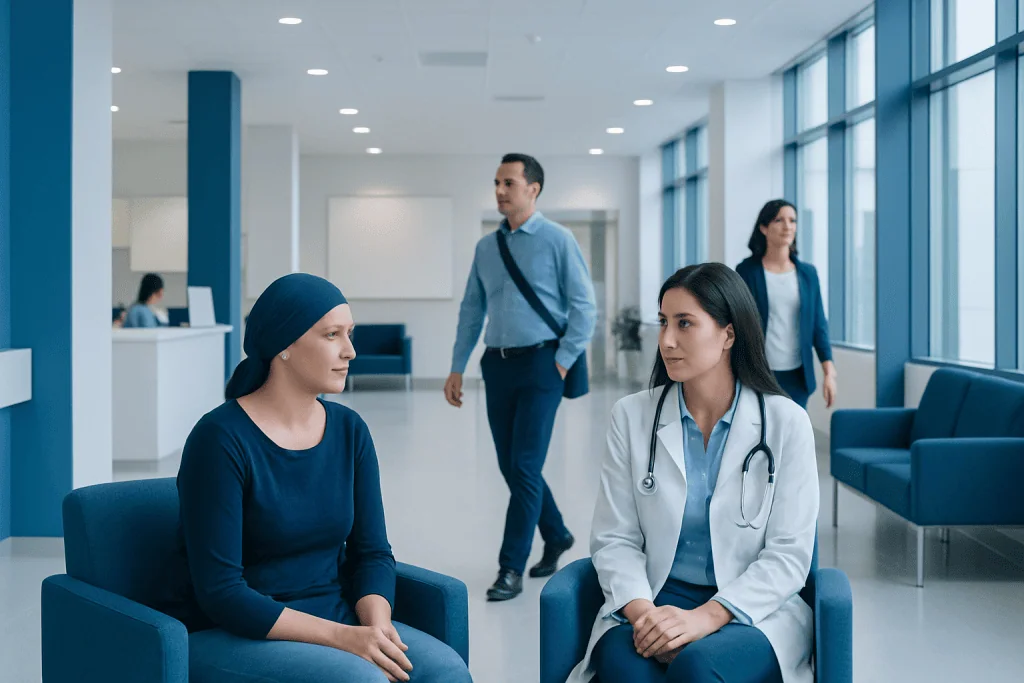
Working during chemotherapy is possible for some people, but it is not expected or required for successful treatment. Energy levels and side effects often vary across each treatment cycle, so work plans may need regular adjustment.
Key Takeaways
- Working during chemotherapy is possible for some people, but it is not expected or required for successful treatment.
- Energy levels and side effects often vary across each treatment cycle, so work plans may need regular adjustment.
- Employers may be able to offer flexible schedules, remote work, lighter duties or time off for appointments and recovery.
- Fever or signs of infection during chemotherapy need prompt medical advice because treatment can lower infection-fighting blood cells.
- Following the oncology team’s treatment, nutrition, activity and symptom-management guidance can support daily functioning.
Many people can work during chemotherapy, particularly with flexible hours, remote work or adjusted duties. Whether this is realistic depends on the cancer type, treatment plan, side effects, job demands and personal recovery pattern.
Can you work during chemotherapy?
Yes, many people can work during chemotherapy, but the answer is highly individual. Some continue working full time, while others work reduced hours, take leave or stop temporarily. The safest and most sustainable choice depends on the treatment medicines, how often treatment is given, side effects, the person’s general health and the physical or exposure-related demands of their job.
Chemotherapy is designed to destroy or control cancer cells, but it can also affect healthy cells that grow quickly. This can cause fatigue, nausea, changes in blood counts, concentration difficulties and a greater vulnerability to infection. These effects do not occur in the same way for everyone, and they may change from one treatment cycle to the next.
Work should not be viewed as a test of strength or commitment. Continuing to work can provide income, routine and social connection for some people, while resting or taking time away may be the healthier option for others. An oncology team can help the person consider their work situation as part of an individualized chemotherapy treatment plan.
How chemotherapy works and how a work plan is made
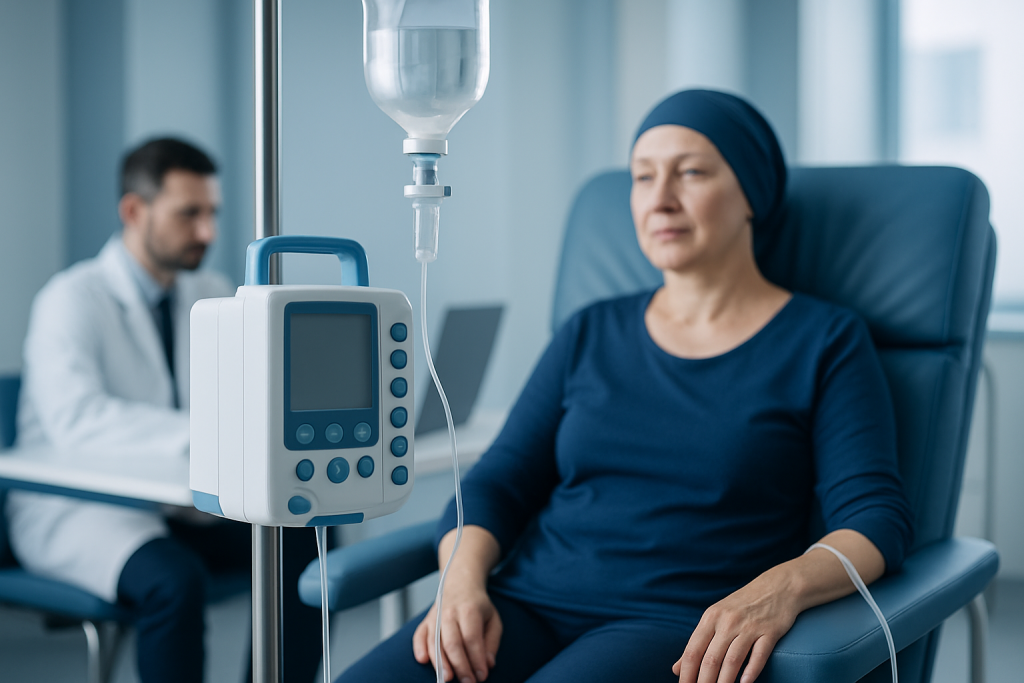
Chemotherapy uses anti-cancer medicines that circulate through the bloodstream or are taken by mouth. Depending on the cancer, it may be used before surgery to shrink a tumor, after surgery to lower the chance of cancer returning, alongside radiation therapy, or to control advanced cancer. Treatment may involve one medicine or a combination, given in cycles with planned recovery time between doses.
Not everyone receiving chemotherapy will have the same work capacity. The oncology team considers the cancer type and stage, the treatment goal, other conditions, current medications, blood test results and expected side effects. Treatment may also include surgery, radiation therapy, immunotherapy or targeted therapy, each with its own practical considerations.
A useful work plan starts before treatment when possible. The person can ask the oncology nurse or doctor about likely side effects, days when fatigue may be greatest, precautions related to infection and whether driving or operating machinery may be affected. Plans can then be reviewed after each cycle rather than treated as fixed.
- Discuss the job’s physical demands, travel, public contact and exposure to illness.
- Ask about appointments, treatment days and likely recovery days.
- Consider flexible hours, remote work, shorter shifts or temporary duty changes.
- Identify a workplace contact who can help arrange practical adjustments, if the person wishes to disclose their diagnosis.
What to expect during treatment and recovery

Chemotherapy is usually delivered in an outpatient infusion center, clinic or hospital, although some medicines are tablets or capsules taken at home. Before treatment, staff may check symptoms, weight, blood pressure and blood tests. The medicines may be given through a vein, sometimes through a port, and the visit can last from a short appointment to several hours depending on the regimen.
After treatment, the body needs time to process the medicines and restore healthy cells. Some people feel relatively well on the treatment day but develop tiredness, nausea, bowel changes or reduced concentration over the following days. Others have few noticeable effects. Blood counts can fall at predictable points in a cycle, which may influence the safest time for work, travel and contact with large groups.
Recovery is therefore best understood as a repeating pattern rather than one single period. Keeping a simple symptom and energy diary can help identify more manageable workdays. The team may adjust supportive medicines, recommend rest or change the treatment schedule when side effects substantially affect daily life.
Potential benefits of working include a sense of normality, purpose and financial stability. Possible difficulties include fatigue, missed appointments, infection exposure, physical strain and pressure to perform when the body needs rest. A flexible plan that allows time off without guilt can protect both health and well-being.
Can I live a normal life during chemo?
Many people continue important parts of everyday life during chemotherapy, including family time, hobbies, gentle exercise and, in some cases, work. However, “normal” may need to look different for a while. Energy, appetite, sleep and emotions can vary, and it may help to prioritize the activities that matter most while allowing more time for rest.
Daily routines are often easier with planning. People may schedule essential tasks for their higher-energy days, accept practical help, keep easy meals available and build rest periods into the day. Gentle movement, such as walking or stretching when approved by the medical team, can help maintain strength and mood for many patients.
Infection prevention is important when blood counts are low. Hand hygiene, avoiding close contact with people who are unwell and discussing workplace exposure risks with the care team may be appropriate. There is no need to isolate from everyone, but precautions should reflect the individual treatment plan and blood test results.
Emotional changes are also common. Support from family, friends, counselors, oncology social workers or cancer support organizations can make the treatment period more manageable. Asking for help is a practical part of cancer care, not a sign that someone is coping poorly.
How to make chemo more effective?
The most reliable way to support chemotherapy effectiveness is to follow the treatment plan agreed with the oncology team. This includes attending appointments, taking oral medicines exactly as prescribed, having recommended blood tests and reporting side effects early. Side-effect management may help prevent unnecessary treatment delays and enable the team to deliver therapy as safely as possible.
There is no special food, supplement or alternative remedy proven to make chemotherapy work better on its own. Some supplements, herbal products and vitamins can interfere with cancer medicines or increase side effects. A person should tell the oncology team about everything they take, including non-prescription medicines, teas and natural products, before starting or continuing them.
Good supportive care can strengthen a person’s ability to complete treatment. This may include adequate fluids, regular meals with protein and nutrient-rich foods, sleep, appropriate physical activity and help for nausea, pain, constipation, diarrhea or anxiety. A dietitian can provide individual guidance when appetite or weight changes are significant.
People should not skip, delay or change treatment on their own. If side effects become difficult, the team can assess the cause and discuss options such as supportive medicines, dose modifications or schedule changes. These decisions aim to balance treatment benefit with safety and quality of life.
Is it hard to work while on chemo?
It can be hard to work while on chemotherapy, especially when a job involves long shifts, heavy physical activity, frequent travel, close public contact or safety-sensitive tasks. Fatigue is one of the most common barriers, and it is not always relieved by sleep. “Chemo brain,” a term sometimes used for difficulties with attention, memory or multitasking, can also affect work performance for some people.
Communication can reduce practical stress. If a person chooses to speak with an employer or human resources team, they may request adjustments such as flexible start times, working from home, additional breaks, a quiet workspace, reduced lifting or time for medical visits. Employment rights and leave options differ by country, so local workplace or legal advice may be helpful.
Some jobs require extra precautions. People whose work involves exposure to infections, such as healthcare, childcare or crowded public-facing settings, should ask their oncology team for individualized guidance. Those who drive professionally, work at heights or operate machinery should also discuss whether fatigue, dizziness, pain medicines or concentration changes could make tasks unsafe.
A trial approach is often reasonable. Someone may begin with fewer hours or temporary modifications and reassess after one or two cycles. If work is worsening symptoms or preventing adequate rest, stepping back may be the best medical and personal decision.
Are you ever the same after cancer?
Many people regain energy, return to work and resume activities they value after cancer treatment. At the same time, it is common for life to feel different after cancer. Physical recovery, confidence, relationships, priorities and worries about the future may all change, and there is no single correct timeline for adjusting.
Some treatment effects improve gradually over weeks or months, while others may last longer. Ongoing fatigue, nerve symptoms, changes in fertility, emotional distress or cognitive concerns deserve medical attention rather than being dismissed as something a person simply has to tolerate. Rehabilitation, counseling, nutrition support and symptom-specific care can be valuable parts of survivorship.
Follow-up care helps monitor recovery, manage long-term effects and check for signs that may need further assessment. People should keep scheduled appointments and discuss any new or persistent symptoms with their cancer team. If cancer treatment includes surgery or radiotherapy, the team can explain how each treatment may shape recovery.
Acibadem International’s multidisciplinary specialists and JCI-accredited hospitals support international patients with diagnosis, cancer treatment and follow-up planning. The care team can help coordinate medical needs with realistic goals for work, travel and daily life.
When to seek medical care
A person receiving chemotherapy should contact their oncology team promptly for a fever or chills, particularly if the temperature reaches the threshold the team has provided. Chemotherapy can lower white blood cell counts, and infections may become serious more quickly when immune defenses are reduced. The care team should explain exactly whom to call outside regular office hours.
Urgent medical advice is also needed for shortness of breath, chest pain, confusion, severe weakness, uncontrolled vomiting or diarrhea, inability to keep fluids down, new bleeding or bruising, severe pain, or redness, swelling or discharge around a catheter or port. These symptoms do not always indicate a serious problem, but they require timely assessment.
Less urgent concerns also matter. Persistent fatigue, low mood, sleep problems, difficulty concentrating or side effects that interfere with work should be reported at appointments or sooner if they are worsening. Early support can improve comfort, safety and the ability to continue with planned care.
Frequently asked questions
Should I tell my employer that I am having chemotherapy?
The decision is personal and may depend on local employment laws, workplace culture and the adjustments needed. Sharing limited information with a manager or human resources professional may make it easier to arrange flexibility, leave or changes in duties. An oncology social worker may help the person prepare for these conversations.
Can chemotherapy make me too tired to work?
Yes. Cancer-related fatigue can be significant and may fluctuate during each treatment cycle. It is often different from ordinary tiredness and may not fully improve with rest. Reducing hours, changing duties or taking time away from work may be appropriate.
When are chemotherapy side effects usually worst?
The timing depends on the medicines used and the individual person. Some side effects happen on treatment day, while others appear several days later or at the point when blood counts are lowest. The oncology team can explain the expected pattern for a specific regimen.
Can I work from home during chemotherapy?
Working from home may be helpful because it can reduce commuting, allow rest breaks and limit contact with people who may be ill. It is still important to consider fatigue, concentration and the need for appointments. A flexible workload may be more realistic than maintaining the same schedule.
Can I exercise while receiving chemotherapy?
Many people can safely do gentle or moderate activity, such as walking, when they feel able and their team agrees. Exercise plans should be adapted for fatigue, anemia, infection risk, bone problems, surgery or other treatment effects. Strenuous activity should be discussed with the oncology team first.
Can I take vitamins or herbal remedies during chemotherapy?
Do not start vitamins, high-dose antioxidants, herbal products or supplements without discussing them with the oncology team. Some products can interact with chemotherapy medicines or alter their effects. A clinician or oncology dietitian can advise on safe nutrition and supplementation needs.
References
- American Cancer Society
- National Cancer Institute
- Centers for Disease Control and Prevention
- European Society for Medical Oncology
- Macmillan Cancer Support
This article is for general information only and is not a substitute for professional medical advice. Please consult a qualified doctor about your individual situation.
Chemotherapy in Turkey — costs, top hospitals & a free quote
JCI-accredited · board-certified surgeons · reply within 24h
Add us as a Preferred Source to see more of our trusted health content across Google Search, AI Overviews and Discover.
Check your numbers in seconds
BMI, calories, due date, blood pressure and 30+ more clinical calculators — free, instant, doctor-reviewed ranges.

Medical Oncology Department
Medical treatment of cancer with chemotherapy, immunotherapy and targeted therapies under a multidisciplinary tumor board.
60 specialists in this unit