New GERD Treatment: How It Works, Results and What to Expect

GERD treatment is individualized and usually begins with lifestyle measures and acid-reducing medication. Newer options may include potassium-competitive acid blockers, endoscopic anti-reflux procedures and minimally invasive surgery for selected patients.
Key Takeaways
- GERD treatment is individualized and usually begins with lifestyle measures and acid-reducing medication.
- Newer options may include potassium-competitive acid blockers, endoscopic anti-reflux procedures and minimally invasive surgery for selected patients.
- Testing can confirm reflux and identify conditions that can resemble GERD before an invasive treatment is considered.
- Symptom improvement may begin within days on medication, while healing of reflux-related esophageal inflammation often takes weeks.
- Trouble swallowing, gastrointestinal bleeding, unexplained weight loss or persistent chest pain need prompt medical assessment.
New GERD treatment approaches include improved acid-suppressing medicines, endoscopic procedures and minimally invasive anti-reflux surgery. The right option depends on whether reflux is confirmed, how severe symptoms are, the condition of the esophagus and a person’s response to medication.
Overview: what is new in GERD treatment?
A new GERD treatment is not one single cure. It refers to a growing range of options for gastroesophageal reflux disease (GERD), including newer acid-suppressing medicines, endoscopic procedures performed through the mouth, and minimally invasive operations that strengthen the barrier between the stomach and esophagus. These treatments may be considered when reflux symptoms continue despite appropriate lifestyle changes and medication, or when a person prefers a durable non-medication approach after careful assessment.
GERD occurs when stomach contents repeatedly flow backward into the esophagus. This can cause heartburn, regurgitation, sour taste, chest discomfort, cough, hoarseness or sleep disturbance. Because similar symptoms can also arise from heart, lung, swallowing or stomach conditions, a clinician should confirm the diagnosis before recommending a procedure.
Current new GERD research is focused on improving symptom control, reducing acid exposure and selecting the people most likely to benefit from each therapy. No treatment is a guaranteed new GERD cure for everyone, but many people achieve meaningful relief with an appropriately matched plan.
How new GERD therapies work
Medicines remain an important first-line treatment. Proton pump inhibitors (PPIs) reduce stomach acid and help the esophagus heal when inflammation is present. A newer medicine class, potassium-competitive acid blockers, may suppress acid more rapidly and consistently in some settings. Availability and approved uses vary by country, and a gastroenterologist can advise whether a particular medicine is suitable.
Procedural treatments address the mechanical cause of reflux: a weak or frequently relaxing lower esophageal sphincter, the valve-like area where the esophagus meets the stomach. Endoscopic approaches may reshape or reinforce this area from inside the digestive tract. Surgical approaches may repair a hiatal hernia if present and use the upper stomach to support the anti-reflux barrier; some procedures may also use a ring of magnetic beads around the lower esophagus.
These interventions do not remove the need for diagnosis and follow-up. They work best when tests show objectively confirmed reflux and symptoms are likely to be caused by reflux rather than another condition. They may reduce regurgitation particularly well in selected patients, while medication can remain useful for some people after a procedure.
Who may be a candidate for a procedure?

A person may be evaluated for a new GERD therapy if symptoms remain troublesome despite correctly timed medication, if regurgitation persists, if a hiatal hernia contributes to reflux, or if long-term medication is not preferred or tolerated. Candidates should have a discussion about expected benefits, alternatives and the possibility that symptoms may not be entirely due to GERD.
Assessment commonly includes upper endoscopy to look for inflammation, narrowing, Barrett’s esophagus or other abnormalities. Ambulatory reflux monitoring measures acid or non-acid reflux over time, while esophageal manometry checks swallowing muscle function. These tests help clinicians choose between medication, endoscopic therapy and surgery safely.
Not every person with heartburn is eligible for an anti-reflux procedure. Significant swallowing disorders, certain esophageal motility problems, untreated conditions affecting the stomach, or symptoms without evidence of reflux may require a different approach. Weight management, smoking cessation and dietary adjustments can remain valuable parts of care regardless of the chosen treatment.
What happens during an anti-reflux procedure?
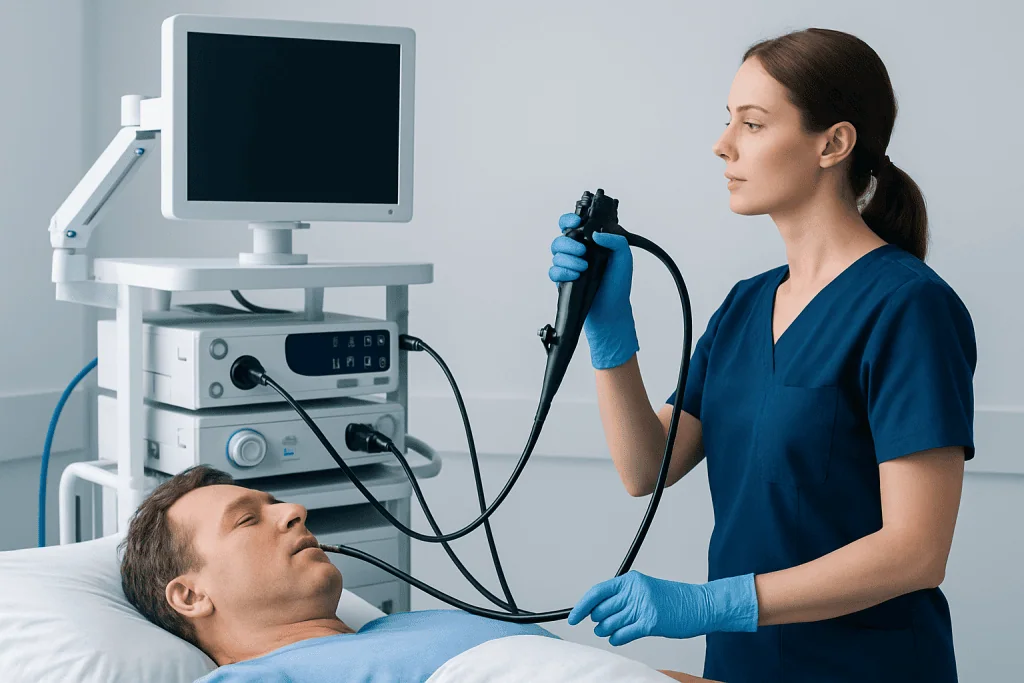
The exact steps depend on the technique. Endoscopic procedures are typically performed with sedation or anesthesia. A flexible endoscope is passed through the mouth into the esophagus, allowing the specialist to treat the anti-reflux valve without abdominal incisions. The treatment may create folds or apply controlled energy to improve the valve’s ability to limit reflux.
Minimally invasive anti-reflux surgery is generally performed under general anesthesia through several small abdominal incisions. The surgeon evaluates and repairs a hiatal hernia when needed, then reinforces the junction between the stomach and esophagus. In selected cases, a magnetic sphincter augmentation device may be placed around the lower esophagus instead of creating a stomach wrap.
Before any procedure, the care team reviews medical history, medicines, allergies and anesthesia considerations. People are usually asked to follow fasting instructions and arrange support for travel home after sedation. The treating team provides procedure-specific guidance because preparation and aftercare differ between techniques.
Benefits, risks and recovery timeline
Potential benefits include fewer reflux episodes, less regurgitation, improved sleep and reduced reliance on daily acid-suppressing medication. Results vary with the procedure, anatomy, quality of pre-procedure testing and individual health factors. Some people continue medication for a period during healing or need it again later; this does not necessarily mean that treatment has failed.
After an endoscopic procedure, many people return to light activities within a few days, although diet progression may be temporary. After minimally invasive surgery, recovery commonly takes longer, and a soft or modified diet may be advised while swallowing settles. Full adjustment can take several weeks. The surgical team gives individualized guidance about work, exercise, lifting and food textures.
Possible risks include temporary difficulty swallowing, bloating, gas, nausea, pain, bleeding, infection, injury to nearby structures or recurrence of reflux. Rarely, further treatment may be needed. Promptly reporting severe pain, persistent vomiting, fever, inability to swallow liquids, black stools or breathing difficulty supports safe recovery.
Acibadem International’s multidisciplinary specialists and JCI-accredited hospitals assess and treat GERD for international patients, using diagnostic findings to guide medication, endoscopic and surgical care.
How to tell if GERD is healing?
GERD may be improving when heartburn, sour regurgitation, nighttime waking, throat irritation or reflux-related cough become less frequent or less intense. A person may also tolerate meals and lying down more comfortably, although symptoms can fluctuate with food choices, meal timing, stress, body position and medication use.
Symptom relief is useful but does not always show whether the esophagus has healed. When reflux esophagitis was found on endoscopy, a clinician may recommend follow-up testing in selected circumstances, especially if inflammation was severe or if Barrett’s esophagus is a concern. Medication should not be stopped or changed without discussing it with the prescribing clinician.
Keeping a brief symptom and food diary can help identify patterns and show whether treatment is helping. Ongoing swallowing difficulty, painful swallowing, vomiting, bleeding or unintentional weight loss should not be viewed as normal healing signs and needs medical review.
How long does it take for GERD medication to start working?
Some acid-reducing medicines can ease symptoms within hours to days, but PPIs often provide their strongest effect after several days of regular, correctly timed use. They are commonly taken before a meal, but exact instructions depend on the medicine and should come from the prescriber or pharmacist.
People with frequent symptoms may need several weeks of treatment to judge the full benefit. If symptoms continue, it is important to review timing, adherence, diet, other medicines and the diagnosis rather than simply increasing or extending treatment independently. A clinician may recommend further evaluation when symptoms do not respond as expected.
Antacids and alginate products can offer shorter-term symptom relief for some people, but they do not treat all causes of reflux or replace assessment for persistent symptoms. Anyone with chest pressure, shortness of breath, sweating or pain spreading to the arm, jaw or back should seek urgent evaluation, since these symptoms can have causes other than GERD.
How long does it take for the esophagus to heal from GERD? When to seek medical care
Healing time depends on how much inflammation or injury is present and how effectively reflux is controlled. Mild reflux-related irritation may improve over several weeks with appropriate treatment. More severe esophagitis can require a longer treatment course and follow-up. A gastroenterologist can explain the expected timeline based on endoscopy findings and symptoms.
Medical care should be arranged when reflux occurs frequently, disrupts sleep or daily life, returns repeatedly after treatment, or leads to ongoing cough, hoarseness or asthma-like symptoms. A review is also appropriate before pursuing a procedure, because objective reflux testing helps ensure that the chosen treatment addresses the true cause.
Urgent medical assessment is needed for trouble swallowing, food sticking, vomiting blood, black or tar-like stools, unexplained weight loss, persistent vomiting, anemia symptoms, or new and severe chest pain. These signs do not always indicate a serious condition, but they should be evaluated promptly and should not be managed as routine heartburn alone.
Frequently asked questions
What is the newest treatment for GERD?
Newer GERD treatment options include potassium-competitive acid blockers in countries where they are available, endoscopic anti-reflux procedures and minimally invasive anti-reflux surgery. The best option depends on confirmed reflux, esophageal function, hiatal hernia status, symptom pattern and personal preferences. A gastroenterologist can determine whether a newer therapy is appropriate.
Is there a new GERD cure?
There is no single new GERD cure that works permanently for every person. Medication, lifestyle changes, endoscopic treatment and surgery can provide substantial and sometimes long-lasting symptom control. GERD can recur, so follow-up and an individualized plan remain important.
How to tell if GERD is healing?
GERD may be healing when heartburn, regurgitation, nighttime symptoms and throat discomfort become less frequent or milder. However, symptoms alone cannot always confirm that inflammation in the esophagus has healed. Follow-up endoscopy may be recommended for selected people with more severe esophagitis or other findings.
How long does it take for GERD medication to start working?
Some medicines provide partial relief within hours or days, while PPIs commonly reach their best effect after several days of consistent use. Treatment response may need to be assessed over several weeks, especially when esophageal inflammation is present. Persistent symptoms should be discussed with a qualified clinician.
How long does it take for the esophagus to heal from GERD?
Mild inflammation may improve in several weeks when reflux is effectively controlled, while more severe esophagitis can take longer. The expected timeframe depends on endoscopy findings, medication response and whether reflux continues. A doctor may recommend follow-up testing in certain situations.
Who should consider a GERD procedure?
A procedure may be considered for people with objectively confirmed GERD who have persistent regurgitation or symptoms despite appropriate medication, a relevant hiatal hernia, or a wish to reduce long-term medication use. Testing such as endoscopy, pH monitoring and manometry is usually needed first. Procedures are not suitable for every type of heartburn or swallowing symptom.
References
- American College of Gastroenterology
- National Institute of Diabetes and Digestive and Kidney Diseases
- American Gastroenterological Association
- National Health Service
This article is for general information only and is not a substitute for professional medical advice. Please consult a qualified doctor about your individual situation.
Persistent digestive symptoms? Get evaluated in Turkey
JCI-accredited · board-certified surgeons · reply within 24h
Add us as a Preferred Source to see more of our trusted health content across Google Search, AI Overviews and Discover.