Si Joint Ablation: Procedure, Recovery and Results

SI joint ablation treats pain signals from the sacroiliac region; it does not repair or fuse the joint. A positive response to diagnostic SI joint or nerve-block injections is commonly used to help select suitable candidates.
Key Takeaways
- SI joint ablation treats pain signals from the sacroiliac region; it does not repair or fuse the joint.
- A positive response to diagnostic SI joint or nerve-block injections is commonly used to help select suitable candidates.
- Most people return home on the day of treatment and gradually resume usual activities over several days.
- Soreness after the procedure is common, while meaningful pain relief may take several weeks to become clear.
- Results vary, but relief can last for months and sometimes longer; nerves may gradually regenerate.
SI joint ablation is a minimally invasive pain procedure that uses radiofrequency energy to interrupt small nerves carrying pain signals from the sacroiliac joint. It may be considered when long-lasting lower back or buttock pain has been linked to the SI joint through a careful clinical assessment and diagnostic injections.
Overview: What Is SI Joint Ablation?
SI joint ablation, also called sacroiliac joint radiofrequency ablation or radiofrequency neurotomy, is a procedure intended to reduce persistent pain arising from the sacroiliac (SI) joint area. The SI joints connect the lower spine to the pelvis. They help transfer weight and forces between the upper body and legs, and pain from this region may be felt in the lower back, buttock, hip, groin, or upper thigh.
During the procedure, a pain specialist places small needles near selected sensory nerves and delivers controlled radiofrequency energy. The heat creates a small treatment area that reduces the nerves’ ability to transmit pain signals. The procedure does not remove the joint or correct every possible cause of pelvic or lower back pain. Its purpose is to provide relief when testing indicates that SI joint-related nerves are a significant source of symptoms.
Radiofrequency ablation is generally considered after conservative measures, such as activity modification, targeted exercise, physical therapy, and appropriate medicines, have not provided adequate relief. It is also different from sacroiliac joint dysfunction, which describes the underlying pattern of joint-related pain or altered movement rather than a single treatment approach.
How SI Joint Ablation Works and Who May Be a Candidate
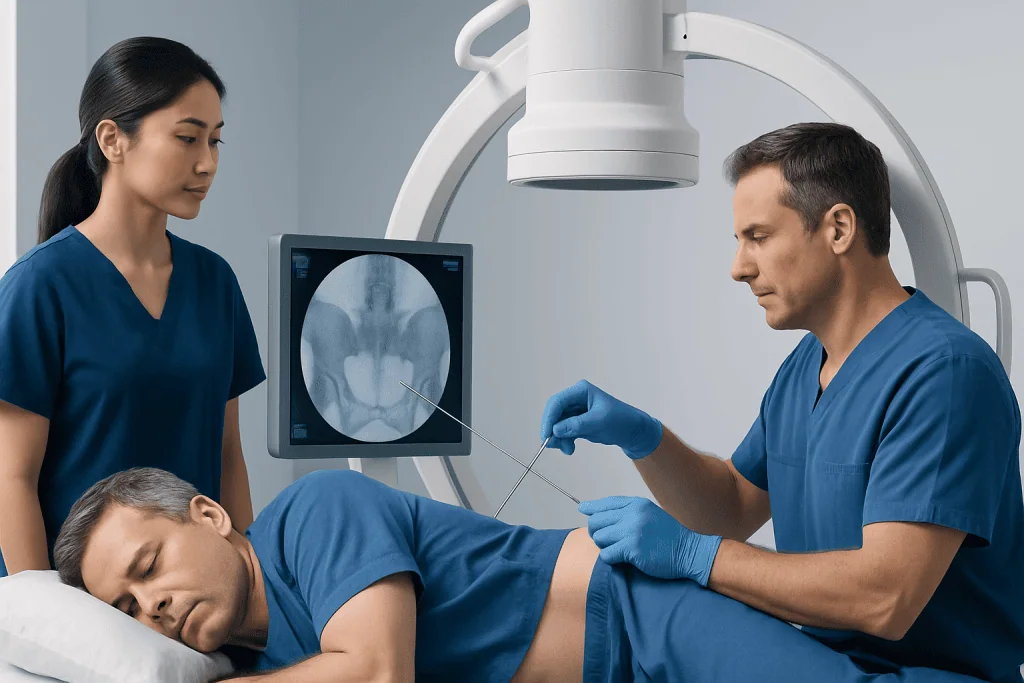
The sacroiliac region is supplied by several small sensory nerve branches, often involving lateral branches from sacral nerves and a branch related to the lower lumbar spine. SI joint ablation targets these nerves outside the spinal canal. By reducing pain signaling from them, the procedure may make movement, rehabilitation, sleep, and daily activities more manageable.
A clinician usually considers the full clinical picture before recommending ablation. This includes the location and pattern of pain, physical examination findings, medical history, imaging when needed to exclude other causes, and the response to diagnostic injections. Imaging can identify conditions such as arthritis, fracture, hip disease, or spinal problems, but it cannot always prove that the SI joint is the source of pain.
Diagnostic SI joint injections or nerve blocks are particularly useful. A temporary but meaningful reduction in the person’s usual pain after a correctly placed injection supports the SI joint region as a pain generator and may predict a better response to ablation. Not everyone with low back pain is a candidate. People with an active infection, uncontrolled bleeding risk, certain implanted devices, pregnancy-related considerations, or unclear pain sources need individualized assessment.
SI Joint Ablation Procedure: Step by Step
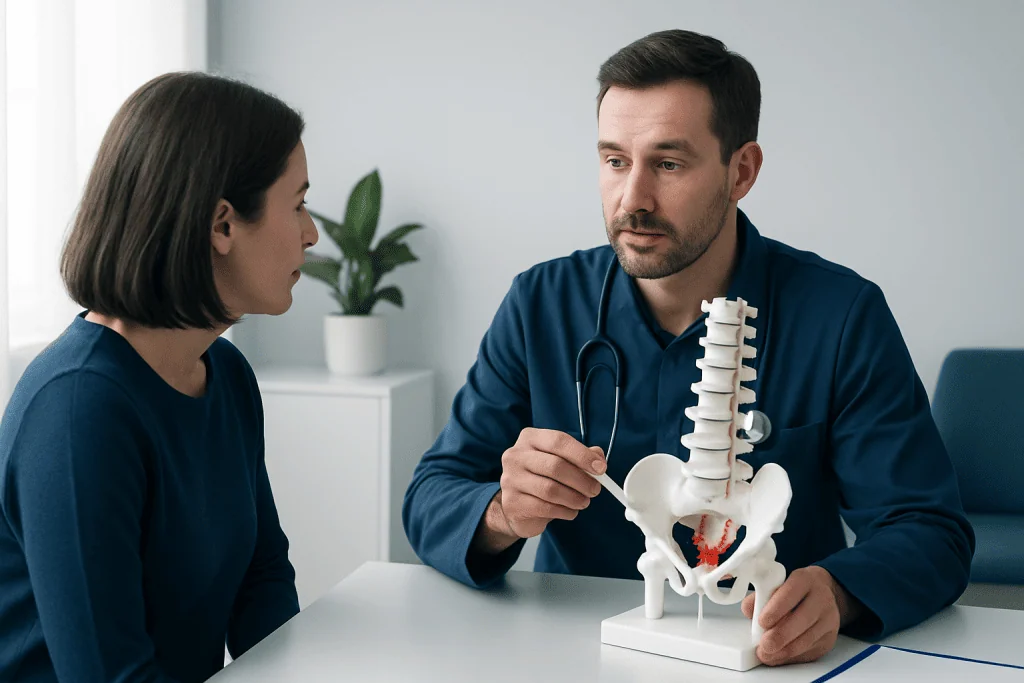
SI joint ablation is commonly performed as an outpatient procedure. Before treatment, the care team reviews current medicines, allergies, medical conditions, and instructions about eating, drinking, and blood-thinning medicines. Patients should not stop prescribed anticoagulants or antiplatelet medicines without advice from the clinician who manages them.
During the procedure, the patient usually lies face down on an examination table. The skin is cleaned and numbed with local anesthetic. Depending on the planned technique and the patient’s needs, a sedative may be used, although many people remain awake enough to communicate with the team. X-ray guidance, often fluoroscopy, helps the clinician position specialized needles accurately near the intended nerve branches.
Small test signals may be used to confirm appropriate needle placement and reduce the chance of affecting nearby motor nerves. Radiofrequency energy is then delivered for a controlled period at each target. Cooled radiofrequency techniques may also be used in some settings; these create a different-shaped treatment area while pursuing the same goal of interrupting sensory pain signaling. The needles are removed, and small dressings are applied.
The procedure itself often takes less than an hour, though appointment time may be longer because of preparation and observation. A responsible adult may be needed to take the patient home, especially if sedation was given. Radiofrequency ablation treatment should be planned with an experienced pain-management team after diagnosis has been carefully confirmed.
How Painful Is an SI Joint Ablation?
People may feel brief pressure, stinging from numbing medicine, or discomfort as the needles are positioned. Local anesthetic is used to make the procedure more tolerable, and some patients receive light sedation when clinically appropriate. The experience differs from person to person, particularly when the area is already very sensitive.
Afterward, it is common to have temporary soreness, bruising, muscle spasm, or a sunburn-like feeling at the needle sites. Some people notice a short-lived increase in their usual pain before improvement begins. Applying a wrapped cold pack for short intervals and following the care team’s medicine and activity advice can help manage this early discomfort.
Severe or progressively worsening pain is not expected and should be discussed with the treating team. Patients should also contact their clinician if they develop fever, increasing redness or drainage at a procedure site, new weakness, numbness that does not improve, or changes in bladder or bowel control.
Recovery Timeline: How Long Is Bed Rest and How Long Does Recovery Take?
Bed rest after an SI joint ablation is usually not required. Most patients rest in the recovery area briefly and go home the same day. For the remainder of the day, it is sensible to take it easy, avoid driving if sedation was used, and have support available if instructed. Prolonged bed rest can lead to stiffness and is generally not part of routine recovery.
During the first 24 to 48 hours, people are often advised to avoid strenuous exercise, heavy lifting, or activities that significantly twist or load the pelvis. Gentle walking and normal, comfortable movement are usually encouraged. Many patients can return to desk-based work and routine light activities within a few days, while more physical work may require a staged return guided by symptoms and the clinician’s advice.
SI joint ablation recovery time is not the same as the time needed for pain relief. Needle-site soreness commonly settles over several days, but the treated nerves and surrounding tissues may remain irritated temporarily. Improvement may appear gradually over two to six weeks. A follow-up appointment can assess pain relief, function, activity tolerance, and whether rehabilitation should be adjusted.
Physical therapy may be recommended once symptoms allow. It can focus on pelvic and core stability, hip strength, movement patterns, and a gradual return to valued activities. Successful recovery is often supported by treating related contributors, including deconditioning, hip problems, spinal conditions, and altered movement habits.
Benefits, Results and SI Joint Ablation Risks
The potential benefit of SI joint ablation is meaningful reduction in pain and improved function without open surgery. Some people find they can sit, walk, sleep, exercise, or participate in rehabilitation more comfortably. Relief is variable because SI region pain can have multiple causes and because nerve pathways differ between individuals.
It is not possible to give one success rate of SI joint ablation that applies to every patient. Research uses different diagnostic criteria, radiofrequency techniques, outcome measures, and follow-up periods. In carefully selected patients who had a clear response to diagnostic blocks, studies suggest that many experience clinically important pain relief for several months. Relief can last longer for some, while others have partial, short-lived, or no benefit.
Nerves can regenerate over time, so pain may eventually return. If the original pain pattern recurs and the initial treatment was helpful, a clinician may discuss whether reassessment or repeat treatment is appropriate. SI joint ablation reviews can be useful for understanding individual experiences, but they cannot predict a particular person’s outcome because diagnosis, technique, health factors, and rehabilitation plans differ.
SI joint ablation risks are uncommon but can include temporary pain flare, bleeding, infection, skin burn, allergic reaction, nerve irritation, numbness, and failure to relieve pain. Serious complications are rare when the procedure is performed with appropriate imaging guidance and safety precautions, but any new neurologic symptoms or signs of infection require prompt medical advice.
Supporting Recovery and When to Seek Medical Care
Following the aftercare plan is an important part of SI joint ablation recovery. Patients should keep the procedure sites clean and dry as directed, restart activities gradually, and avoid judging the final result during the first few days of post-procedure soreness. A symptom diary can help document changes in pain, sleep, walking tolerance, and use of pain medicine for follow-up discussions.
Ongoing self-care may include a tailored exercise plan, pacing activities rather than avoiding all movement, maintaining a healthy body weight where relevant, and using good lifting and sitting mechanics. These measures may reduce strain on the lower back and pelvis, although they do not replace evaluation for persistent or worsening pain.
Medical care should be sought urgently for fever, spreading redness, drainage, severe headache, new or worsening leg weakness, persistent numbness, loss of bladder or bowel control, or severe pain that is rapidly worsening. A doctor should also review lower back or pelvic pain that follows significant injury, is associated with unexplained weight loss, occurs with a history of cancer, or does not improve with appropriate care.
Acibadem International’s multidisciplinary specialists in pain medicine, orthopedics, rehabilitation, and imaging can assess sacroiliac-region pain and discuss suitable options for international patients at JCI-accredited hospitals. A coordinated evaluation may also consider related low back pain and other musculoskeletal contributors before a procedure is recommended.
Frequently asked questions
How painful is an SI joint ablation?
Most people experience brief stinging from the local anesthetic and some pressure or discomfort during needle placement. Soreness, bruising, or a temporary pain flare can occur for several days afterward. The care team can explain options for comfort and sedation based on the person's health needs.
How long is bed rest after an ablation?
Routine bed rest is generally not needed after SI joint ablation. Most people rest briefly after the procedure, then go home the same day and move around gently as tolerated. Strenuous activity, heavy lifting, and driving after sedation should be avoided for the period recommended by the treating team.
How long does it take to recover from SI joint ablation?
Needle-site soreness often improves within a few days, and many people return to light daily activities within several days. However, pain relief may develop gradually over two to six weeks. Recovery can take longer when pain has been longstanding, work is physically demanding, or other spine, hip, or mobility problems are present.
What is the success rate of SI joint ablation?
There is no single success rate because studies use different techniques and definitions of improvement. In appropriately selected patients, especially those who had meaningful temporary relief from diagnostic blocks, many studies report clinically important relief lasting months. Individual results range from substantial benefit to limited or no improvement.
Is SI joint ablation permanent?
SI joint ablation is not usually permanent because treated sensory nerves can gradually regenerate. Pain relief may last for months and occasionally longer, but the duration varies. If pain returns, the clinician may reassess the diagnosis and discuss whether further treatment is appropriate.
Can SI joint ablation make pain worse?
A temporary increase in soreness or pain can occur after the procedure as local tissues recover. Persistent worsening pain, fever, redness, drainage, new weakness, or changes in bladder or bowel function should be reported promptly. These symptoms need assessment to rule out an uncommon complication or another cause of pain.
References
- American Society of Regional Anesthesia and Pain Medicine
- International Spine Intervention Society
- National Institute of Arthritis and Musculoskeletal and Skin Diseases
- American Academy of Physical Medicine and Rehabilitation
- U.S. Food and Drug Administration
This article is for general information only and is not a substitute for professional medical advice. Please consult a qualified doctor about your individual situation.
Joint and spine care in Turkey — expert assessment & treatment
JCI-accredited · board-certified surgeons · reply within 24h
Add us as a Preferred Source to see more of our trusted health content across Google Search, AI Overviews and Discover.

More from the Health Library


Related Specialists

Dr. Ahmad Nejat Ghaffarı
Infectious Diseases and Clinical Microbiology
Dr. Cem Öz
Aesthetic Plastic & Reconstructive Surgery
Assoc. Prof. Dr. A. Erdem Kilavuz
Ear Nose & Throat
Dr. Zeynep Karaca
Pediatrics