

Charles Bonnet Syndrome Treatment: How It Works, Results and What to Expect

Charles Bonnet syndrome causes visual hallucinations in people with reduced vision who usually understand that what they see is not real. Treatment is individualized and often centers on education, optimizing remaining vision and reducing isolation or visual triggers.
Key Takeaways
- Charles Bonnet syndrome causes visual hallucinations in people with reduced vision who usually understand that what they see is not real.
- Treatment is individualized and often centers on education, optimizing remaining vision and reducing isolation or visual triggers.
- The syndrome is not a sign of dementia, psychosis or a loss of insight, although new hallucinations should always be medically assessed.
- Images may include patterns, faces, people, animals, objects or scenes, and can range from brief to recurrent.
- Urgent assessment is needed if hallucinations begin suddenly with confusion, weakness, speech difficulty, severe headache or other neurological symptoms.
Charles Bonnet syndrome treatment usually begins with confirming the diagnosis, explaining that the visual hallucinations are a known response to significant vision loss, and addressing the underlying eye condition where possible. Many people improve with reassurance, vision rehabilitation and practical coping strategies; medicines are considered only when symptoms are persistent and very distressing.
Overview: how Charles Bonnet syndrome treatment works
Charles Bonnet syndrome treatment is usually based on reassurance, careful assessment and support for the vision condition that has reduced sight. The brain normally interprets a constant stream of visual information. When vision is significantly impaired, reduced input may lead the visual parts of the brain to produce images without an external source. These images are called visual hallucinations, but a person with Charles Bonnet syndrome generally recognizes that they are not real.
There is no single procedure that switches the syndrome off. Instead, clinicians first make sure the hallucinations are not caused by another eye, neurological, medication-related or mental health condition. Management may include improving usable vision, learning ways to interrupt an episode, addressing sleep or stress, and arranging support when symptoms affect confidence or daily life.
For many people, simply receiving a clear explanation is therapeutic. Charles Bonnet syndrome is relatively common among people with substantial vision loss, yet people may hesitate to mention it because they worry it means they are developing dementia or a psychiatric illness. Open discussion with an eye specialist or doctor can reduce this worry and guide appropriate care.
What people see with Charles Bonnet syndrome
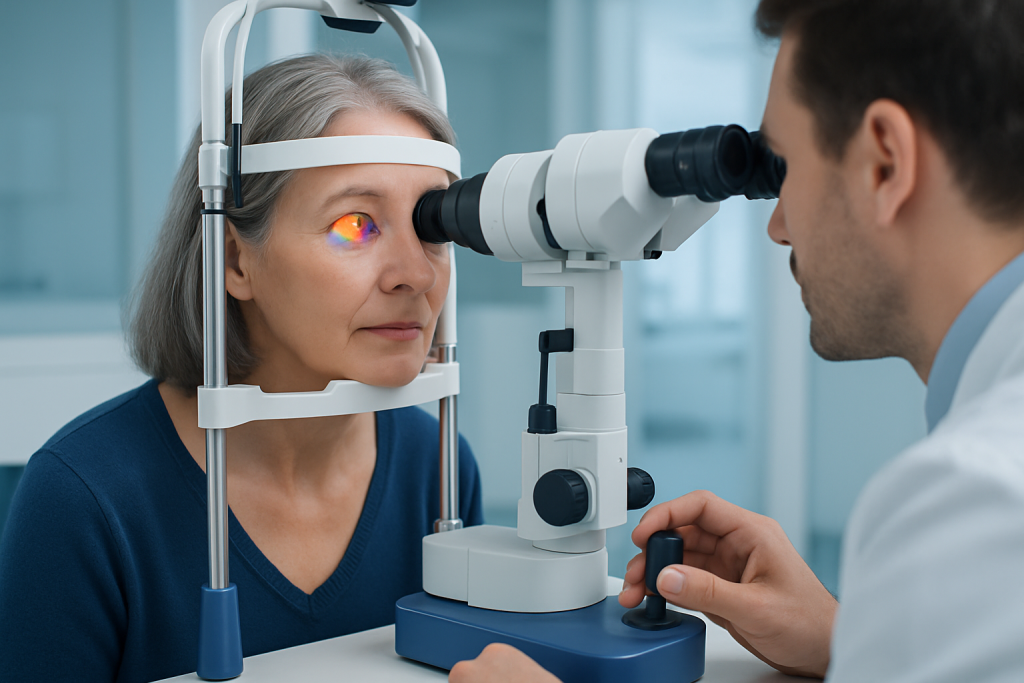
The hallucinations are visual only. People may see simple images, such as lines, flashes, grids, shapes or repeating patterns. Others see more detailed images, including faces, children, animals, insects, buildings, vehicles, landscapes or groups of people. The images can be still or moving, colorful or black and white, familiar or entirely unfamiliar.
Episodes may last seconds, minutes or longer and can happen occasionally or repeatedly. They are often more noticeable in dim light, during quiet periods, when a person is tired, or when they are alone. The images may appear in a particular area of vision or seem to fill the room. They do not usually interact with the person or provide commands.
Although the images can feel vivid, they are not usually dangerous in themselves. However, they can be upsetting, distracting or embarrassing. Keeping a brief record of when episodes happen, what was seen and possible triggers can help a clinician confirm the pattern and suggest practical strategies.
Causes, typical age range and candidacy for care

Charles Bonnet syndrome occurs in association with vision loss, particularly when vision is reduced in both eyes or a large part of the visual field is affected. Common contributing eye conditions include age-related macular degeneration, glaucoma, diabetic retinopathy, cataracts and retinal disorders. The syndrome can also occur after sudden visual loss from other causes.
What is the typical age range for people with Charles Bonnet syndrome? It is most often identified in older adults because eye diseases that impair vision become more common with age. However, it can affect adults of any age, and occasionally younger people, when there is significant vision loss. Age alone does not diagnose the condition; the key features are reduced vision, recurring visual experiences and preserved awareness that the images are not real.
People are candidates for evaluation whenever new, recurrent or troubling visual hallucinations occur. A review is especially important if vision has recently changed, symptoms began abruptly, insight is reduced, or there are symptoms beyond vision, such as hearing voices, marked memory changes or changes in alertness. Diagnosis is clinical and depends on the full medical context rather than one test.
Assessment may involve an ophthalmologist, optometrist, primary care clinician and, when needed, a neurologist or mental health professional. The aim is not to dismiss the experience but to identify its cause accurately and make a safe plan.
Diagnosis and a step-by-step treatment plan
There is no single laboratory test for Charles Bonnet syndrome. A clinician will ask about the images, frequency, duration, level of insight, eyesight, medications, sleep, alcohol or substance use, medical history and neurological symptoms. An eye examination helps identify treatable causes of visual impairment. Depending on the presentation, additional medical, cognitive or neurological assessment may be appropriate.
A typical care pathway begins with confirming that the experiences fit Charles Bonnet syndrome and explaining the diagnosis in plain language. The next step is to assess whether vision can be improved or made easier to use. This may involve updated glasses, low-vision aids, improved lighting, treatment of an eye disease, or referral for visual rehabilitation. Any underlying eye condition should be managed according to its own clinical needs.
The third step is symptom management. A clinician may recommend simple methods to change visual input or attention when an episode occurs, together with strategies for sleep, stress and social connection. Follow-up is useful to review whether symptoms are becoming less frequent, whether daily activities are affected and whether the diagnosis remains appropriate.
Medicines are not routinely needed. In rare situations where hallucinations remain severe and significantly impair quality of life despite supportive measures, a specialist may consider medication after reviewing likely benefits, side effects, other medicines and alternative explanations. Medication decisions should be individualized and monitored closely.
Benefits, limitations, recovery timeline and risks
The main benefits of treatment are understanding the cause of the images, reducing fear, improving confidence and making episodes easier to manage. When an underlying eye problem is treatable, better vision may reduce the frequency or intensity of hallucinations for some people. Low-vision support can also help preserve independence in reading, mobility and everyday tasks.
There is no predictable recovery timeline. Some people have episodes for weeks or months, while others experience them for years, often with periods when symptoms are less noticeable. Hallucinations may gradually fade as the brain adapts to changed visual input, but this is not guaranteed. Regular review is sensible when symptoms change or become more distressing.
The syndrome itself does not damage the brain or eyes. The main practical risks are anxiety, sleep disruption, social withdrawal, distraction or falls if an image is mistaken for a real object. Good lighting, clear walkways and appropriate mobility support can reduce safety concerns. New treatment-related risks depend on the specific treatment used for the underlying vision condition or, less commonly, any medicine prescribed by a specialist.
People should not stop prescribed medicines or start supplements to treat hallucinations without medical guidance. Some medicines and health conditions can contribute to hallucinations, so a clinician should review all treatments carefully.
What are some good exercises for Charles Bonnet syndrome?
What are some good exercises for Charles Bonnet syndrome? There is no proven exercise that cures the condition, but several simple techniques may help interrupt or shorten an episode for some people. One commonly suggested approach is to blink deliberately, shift the gaze from side to side, or look at a different object in the room. Changing lighting or moving to another space may also alter the visual input.
Attention-shifting activities can be useful. Listening to music or spoken audio, making a phone call, talking with someone, doing a familiar task safely, or gently engaging the hands may reduce focus on the images. These approaches are coping tools rather than medical treatment, and people should avoid activities that could be unsafe if vision is limited.
General eye comfort and visual rehabilitation may be helpful when recommended by an eye-care professional. This can include using prescribed optical aids, arranging even lighting, reducing glare and practicing skills taught by a low-vision rehabilitation team. People with balance concerns should seek advice before adding new exercise routines or making major changes at home.
Stress and fatigue can make episodes more noticeable for some individuals. A consistent sleep schedule, daytime activity suited to a person’s abilities and regular social contact may support overall wellbeing. These measures should complement, not replace, assessment of new hallucinations.
Does Charles Bonnet syndrome get worse?
Does Charles Bonnet syndrome get worse? Symptoms can fluctuate. They may become more noticeable when vision deteriorates, lighting is poor, a person is tired or stressed, or they spend long periods alone. For many people, the episodes become less frequent or less distressing over time as they understand the condition and develop coping strategies.
It is important not to assume that every change is due to Charles Bonnet syndrome. A sudden increase in hallucinations, a major change in their character, loss of awareness that they are unreal, or new symptoms such as confusion, weakness, trouble speaking or severe headache requires prompt medical assessment. These features may point to another cause that needs urgent attention.
Ongoing care should focus on both visual health and emotional wellbeing. If the images create anxiety, avoidance, poor sleep or difficulty functioning, the person should tell their doctor. Supportive counseling, vision rehabilitation and review of contributing factors can be valuable even if the hallucinations do not disappear immediately.
When to seek medical care
Anyone experiencing new visual hallucinations should arrange a medical assessment, particularly if they have not previously been diagnosed with Charles Bonnet syndrome. This helps rule out new eye disease, medication effects, infection, delirium, neurological conditions and other causes. It is useful to bring a medication list and notes about the timing and nature of the episodes.
Urgent medical care is needed if visual hallucinations occur with sudden vision loss, confusion, fainting, fever, severe headache, new weakness or numbness, facial drooping, difficulty speaking, seizures or a significant change in consciousness. These symptoms are not typical features of uncomplicated Charles Bonnet syndrome and need immediate evaluation.
A specialist team can coordinate eye assessment, low-vision services and neurological review when needed. Acibadem International’s multidisciplinary specialists and JCI-accredited hospitals diagnose and manage vision-related conditions for international patients, with care plans tailored to the individual’s symptoms and underlying eye health.
People should also seek support sooner if they are frightened by the images, avoiding activities, sleeping poorly or feeling isolated. Discussing the condition openly can be an important part of recovery and day-to-day coping.
Frequently asked questions
Is Charles Bonnet syndrome a mental illness?
No. Charles Bonnet syndrome is generally understood as a response of the visual system and brain to reduced visual input. People usually retain insight and know that the images are not real. Because other conditions can also cause hallucinations, a medical assessment is still important.
Can improving eyesight stop Charles Bonnet syndrome?
Improving vision may reduce hallucinations for some people, especially when an underlying eye condition can be treated or visual aids improve usable sight. However, the response varies and symptoms may continue even when vision is optimized. An eye specialist can advise what improvement is realistic for the specific eye condition.
Do people with Charles Bonnet syndrome hear voices?
Charles Bonnet syndrome classically causes visual hallucinations without sounds, voices, smells or physical sensations. Hearing voices or having other sensory experiences should be discussed with a doctor because it may suggest another cause. The same applies if a person no longer recognizes that the images are unreal.
How long do Charles Bonnet syndrome episodes last?
Episodes can last from seconds or minutes to longer periods, and their frequency varies widely. Some people have occasional experiences, while others notice them daily for a time. Tracking episodes can help identify triggers and show whether symptoms are changing.
Can stress make Charles Bonnet syndrome worse?
Stress, tiredness, isolation and low lighting may make hallucinations more noticeable for some people. Managing sleep, maintaining social contact and using calming routines can therefore be helpful. These measures do not replace medical review of new or changing symptoms.
Is Charles Bonnet syndrome linked to dementia?
Charles Bonnet syndrome itself does not mean a person has dementia. A defining feature is that the person generally understands the visual images are not real and does not have broader confusion. Nevertheless, new memory problems, confusion or changes in behavior should be assessed by a healthcare professional.
References
- National Eye Institute
- American Academy of Ophthalmology
- NHS
- Royal National Institute of Blind People
- Mayo Clinic
This article is for general information only and is not a substitute for professional medical advice. Please consult a qualified doctor about your individual situation.
Explore treatments in Turkey — costs, top hospitals & a free quote
JCI-accredited · board-certified surgeons · reply within 24h
Add us as a Preferred Source to see more of our trusted health content across Google Search, AI Overviews and Discover.

More from the Health Library



Related Specialists

Dr. Ferhat Topçu
Emergency Service
Assoc. Prof. Dr. Seher Tanrıkulu
Endocrinology
Dr. Mustafa Aydemir
Anesthesiology
Dr. Faezeh Najafı
Inpatient Clinic Physicians