Maintenance Chemo: How It Works, Results and What to Expect
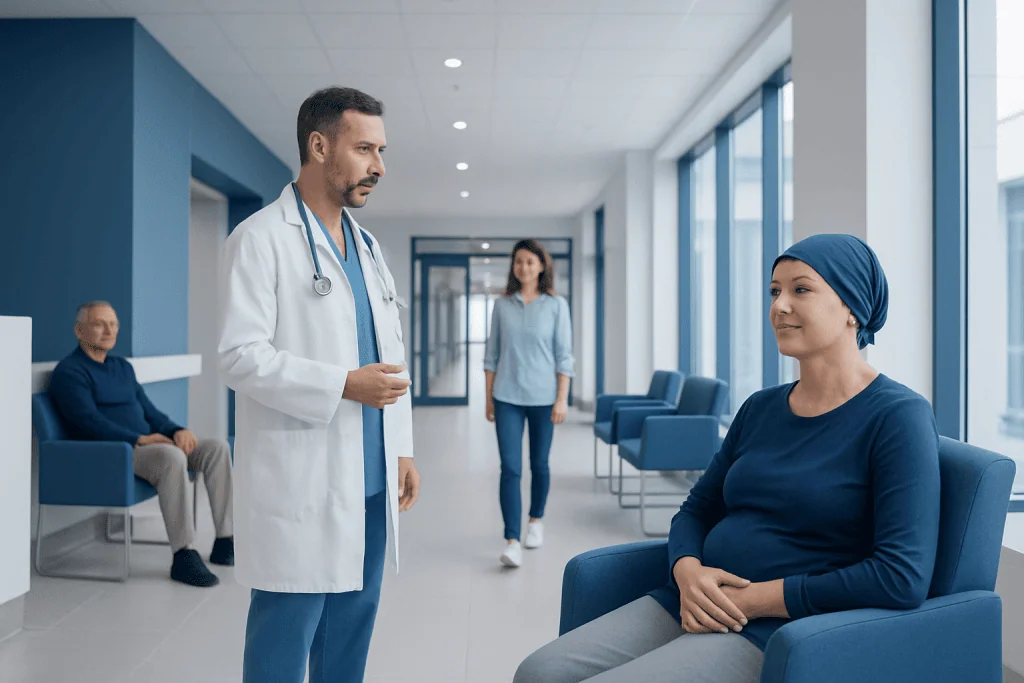
Maintenance chemo aims to delay cancer progression or recurrence after initial treatment. The medicines, route, dose pattern and duration depend on the cancer type, treatment response and overall health.
Key Takeaways
- Maintenance chemo aims to delay cancer progression or recurrence after initial treatment.
- The medicines, route, dose pattern and duration depend on the cancer type, treatment response and overall health.
- It is often less intensive than induction chemotherapy, but side effects and monitoring remain important.
- Treatment may continue for a fixed period or until it is no longer helping, side effects become unacceptable or the cancer progresses.
- Regular blood tests, scans and symptom reviews help the oncology team tailor the treatment plan.
Maintenance chemo is a planned course of ongoing cancer treatment given after initial therapy has controlled or reduced a cancer. It is not suitable for every cancer or every person, but it may help keep certain cancers under control for longer while balancing treatment benefit with quality of life.
Overview: what maintenance chemo means
Maintenance chemo, also called maintenance chemotherapy, is ongoing anticancer treatment given after initial treatment has caused a cancer to shrink, go into remission, or become stable. Its purpose is usually to keep remaining cancer cells under control, delay regrowth, or reduce the chance of relapse in cancers where this approach has been shown to be useful.
Maintenance chemotherapy meaning can vary slightly by cancer type. For some people, it involves a single medicine at a lower intensity than the first phase of treatment. For others, it may include targeted therapy, immunotherapy, hormone treatment, or a combination of medicines used in a maintenance role. The exact treatment is selected according to the type and stage of cancer, tumor test results, earlier treatments and the person’s health.
Maintenance treatment is different from treatment intended to cure cancer at the outset, often called induction or first-line therapy. It is also different from supportive care, which manages symptoms and treatment effects. A person’s oncology team explains the goal of maintenance treatment clearly, including whether the intention is to reduce relapse risk, prolong disease control, or both.
How maintenance chemotherapy works
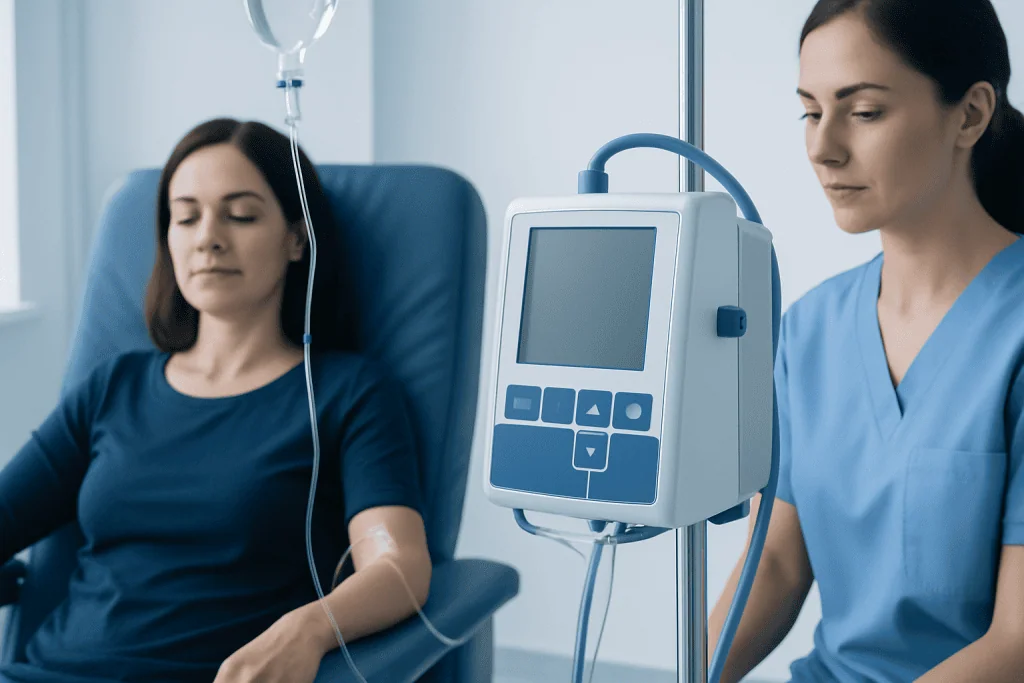
Even when scans and tests show a very good response to initial treatment, small numbers of cancer cells may remain in the body. These cells may be too small to see on imaging or may be inactive for a time. Maintenance chemotherapy treatment is designed to suppress or eliminate these remaining cells and make it harder for the cancer to grow again.
The treatment works differently depending on the medicine used. Traditional chemotherapy affects cells that divide quickly. Targeted medicines act on specific proteins or pathways involved in cancer growth, while immunotherapy helps the immune system recognize and respond to cancer cells. In some cancers, oral medicines taken at home are used; in others, treatment is given by infusion at a hospital or outpatient center.
Maintenance therapy is used only when evidence supports it for a particular cancer setting. It is commonly considered in selected blood cancers, ovarian cancer, lung cancer, colorectal cancer and other cancers, but its role differs considerably. People should not assume that all cancers benefit from maintenance chemo; individualized pathology and treatment planning are essential.
Who may be a candidate

A person may be considered for maintenance chemo when their cancer has responded well or remained stable after initial therapy, surgery, radiation therapy or a combination of treatments. The oncology team considers the cancer’s behavior, stage, genetic or molecular features, prior response, likelihood of recurrence and the treatments that are supported by clinical guidelines.
General health also matters. Doctors assess blood counts, kidney and liver function, heart health when relevant, current symptoms, other medicines and a person’s ability to attend monitoring appointments. Preferences are important as well: the potential benefit must be weighed against possible side effects, travel demands and the person’s priorities for daily life.
For some patients, a specialist may recommend observation with scheduled follow-up rather than ongoing treatment. This can be appropriate when the expected benefit of maintenance therapy is limited or when treatment risks outweigh likely gains. Shared decision-making allows the patient and care team to revisit the plan as circumstances change.
- Type, stage and biology of the cancer
- Response to initial treatment
- Evidence that a maintenance approach benefits that specific cancer
- Current health, organ function and previous side effects
- Personal goals, practical circumstances and treatment preferences
What happens during treatment and monitoring
Before maintenance treatment begins, the oncology team reviews the treatment goal and baseline tests. These may include a physical examination, blood tests, imaging studies and, in some cases, tests of tumor markers or molecular features. The team also discusses expected side effects, infection precautions, fertility or pregnancy considerations where relevant, and whom to contact between appointments.
A maintenance chemo schedule depends on the medicine and cancer type. Some medicines are taken daily or in cycles at home, while infusion treatments may be given every few weeks. Appointments commonly include symptom review, blood pressure or weight checks when appropriate, blood tests and a discussion of any medicines, supplements or new health concerns.
Scans are performed at intervals determined by the cancer type and treatment goal. If results show that treatment is working and side effects are manageable, the plan may continue. If cancer grows, a serious side effect develops, or the balance of benefit and burden changes, the oncologist may adjust the dose, pause treatment, switch therapies or recommend another approach.
People receiving chemotherapy may benefit from coordinated chemotherapy care that includes medical oncology, nursing, pharmacy, nutrition and supportive-care services. Keeping a record of symptoms, temperature changes, medicines and appointment questions can make reviews more productive.
Benefits, risks and side effects
The main potential benefit of maintenance chemo is longer cancer control. Depending on the cancer and treatment setting, it may delay progression, extend the time before a relapse, or help maintain a remission. It does not guarantee that cancer will not return or progress, and the likely benefit should be discussed in the context of the individual diagnosis.
Side effects vary widely by drug and may be milder than those experienced during initial intensive chemotherapy, but they can still affect everyday life. Possible effects include tiredness, nausea, diarrhea or constipation, mouth soreness, appetite changes, skin or nail changes, numbness or tingling, low blood counts and a higher risk of infection. Targeted drugs and immunotherapies have their own possible effects, including blood pressure changes, skin reactions or inflammation affecting organs.
Prompt reporting allows the care team to manage many side effects through supportive medicines, treatment timing changes, dose adjustments or referral to another specialist. People should not stop prescribed cancer treatment on their own unless they have been instructed to do so. They should ask their team before starting vitamins, herbal preparations or non-prescription medicines because some can interact with cancer treatments.
Supportive approaches such as oncology rehabilitation may help some people maintain strength, mobility and independence during longer-term treatment. Nutrition advice, activity plans and emotional support can also be tailored to symptoms and personal needs.
Recovery timeline, daily life and duration
Maintenance treatment is usually delivered in an outpatient setting, so there may not be a single recovery period in the way there is after surgery. People often settle into a rhythm of treatment, tests and follow-up visits over the first few cycles. Energy levels and other effects may fluctuate around treatment days, particularly with intravenous therapies.
The duration differs substantially. Some maintenance plans are prescribed for a defined number of months or years. Others continue as long as the cancer remains controlled and side effects remain acceptable. This is why the phrase “maintenance chemo for life” can be misleading: lifelong treatment is not the usual goal, although some people with advanced cancers may receive ongoing therapy for a long time when it continues to help.
Everyday self-care can support well-being during treatment. A balanced diet, enough fluids, gentle activity when medically appropriate, regular sleep and avoiding tobacco are sensible foundations. Infection precautions are particularly important when blood counts are low; the care team can give individualized guidance about food safety, vaccines, work, travel and contact with people who are ill.
Emotional adjustment is also part of long-term cancer care. Some people feel reassured by continued treatment, while others find recurring appointments stressful. Counseling, cancer support groups, social work support and discussions with family can help people manage practical and emotional concerns.
When to seek medical care
People on maintenance chemotherapy should follow the contact instructions provided by their oncology unit. They should contact the team promptly for a fever or chills, new shortness of breath, chest pain, unusual bleeding or bruising, severe vomiting or diarrhea, inability to drink fluids, confusion, severe weakness, or a sudden worsening of symptoms. These symptoms may have causes unrelated to cancer treatment, but they need timely assessment.
Urgent medical care is appropriate for severe symptoms, especially breathing difficulty, chest pain, fainting, signs of a serious allergic reaction, uncontrolled bleeding or a high fever according to the oncology team’s instructions. Patients should tell emergency clinicians that they are receiving cancer treatment and bring an up-to-date medicine list if possible.
Routine concerns, including mild but persistent nausea, fatigue, tingling, appetite changes, sleep problems or emotional distress, should also be raised at the next visit or sooner if they are affecting daily life. Acibadem International’s multidisciplinary specialists and JCI-accredited hospitals provide diagnosis and treatment planning for international patients with cancer, including personalized follow-up during systemic therapy.
Frequently asked questions
Is maintenance chemo the same as regular chemotherapy?
Maintenance chemo is a form of systemic cancer treatment, but it is given after initial treatment has achieved a response or stable disease. It is often less intensive or uses a different medicine than the first phase of chemotherapy. The goal is ongoing cancer control rather than the initial reduction of a larger cancer burden.
How long does maintenance chemotherapy last?
Duration depends on the cancer type, the medicine and the treatment goal. Some plans have a fixed end date, while others continue until cancer progresses, side effects become too difficult, or a patient and clinician decide to change the plan. The oncology team reviews this regularly.
Will maintenance chemo cause hair loss?
Hair loss depends on the specific medicine rather than the maintenance label itself. Some maintenance regimens do not usually cause significant hair loss, while others can cause thinning or loss of hair. The oncology team can explain what is expected with the planned drug.
Can a person work during maintenance chemo?
Many people can continue working during maintenance treatment, sometimes with adjustments to their schedule or duties. Fatigue, appointment frequency, infection risk and other side effects can influence what is practical. Discussing work demands early with the oncology team can help create a realistic plan.
Does maintenance chemo mean the cancer is incurable?
Not necessarily. Maintenance treatment may be used after curative-intent therapy in some cancers to lower the risk of recurrence, and it may also be used to control advanced cancer over time. The meaning of maintenance treatment depends on the individual diagnosis, so patients should ask their oncologist about the specific goal in their case.
What tests are needed during maintenance chemotherapy?
Monitoring commonly includes blood tests and regular clinical reviews to check treatment effects and overall health. Imaging scans, tumor marker tests or other assessments may be used at planned intervals depending on the cancer type. The schedule is individualized and may change if symptoms or results change.
References
- National Cancer Institute
- American Society of Clinical Oncology
- European Society for Medical Oncology
- American Cancer Society
This article is for general information only and is not a substitute for professional medical advice. Please consult a qualified doctor about your individual situation.
Oncology care in Turkey — second opinion and treatment plan
JCI-accredited · board-certified surgeons · reply within 24h
Add us as a Preferred Source to see more of our trusted health content across Google Search, AI Overviews and Discover.