

Cystometrogram Procedure: An Evidence-Based Patient Guide

A cystometrogram assesses bladder pressure, sensation, capacity, and possible leakage during filling. The test is often one component of a broader urodynamics evaluation.
Key Takeaways
- A cystometrogram assesses bladder pressure, sensation, capacity, and possible leakage during filling.
- The test is often one component of a broader urodynamics evaluation.
- A thin catheter is placed through the urethra, so temporary discomfort is possible but severe pain is not expected.
- Results can help guide treatment for incontinence, overactive bladder, urinary retention, and some neurologic bladder problems.
- Patients should contact a clinician after testing if they develop fever, worsening pain, or persistent burning with urination.
A cystometrogram procedure is a bladder function test that measures how the bladder fills, stores urine, and empties. It is commonly part of urodynamic testing and can help a clinician understand symptoms such as urinary urgency, leakage, difficulty urinating, or incomplete emptying.
Overview: What a Cystometrogram Measures
A cystometrogram procedure, also called cystometry or a cystometry test, evaluates how well the bladder stores urine. It records pressure inside the bladder as sterile fluid is introduced through a small catheter. During the test, the patient reports sensations such as the first awareness of bladder filling, the desire to urinate, and a strong need to urinate.
The information can help explain urinary symptoms that are not fully understood from a medical history, examination, urine test, or imaging study alone. It may be considered for urinary urgency, frequent urination, urine leakage, trouble starting urination, incomplete bladder emptying, or recurrent symptoms associated with nerve conditions that affect bladder control.
A cystometrogram does not diagnose every urinary problem on its own. Clinicians interpret it alongside symptoms, bladder diaries, physical findings, urine studies, and sometimes additional urodynamic measurements. The results may help distinguish problems with bladder muscle activity, bladder sensation, outlet resistance, or coordination between the bladder and pelvic floor.
What Is the Procedure for a Cystometrogram?
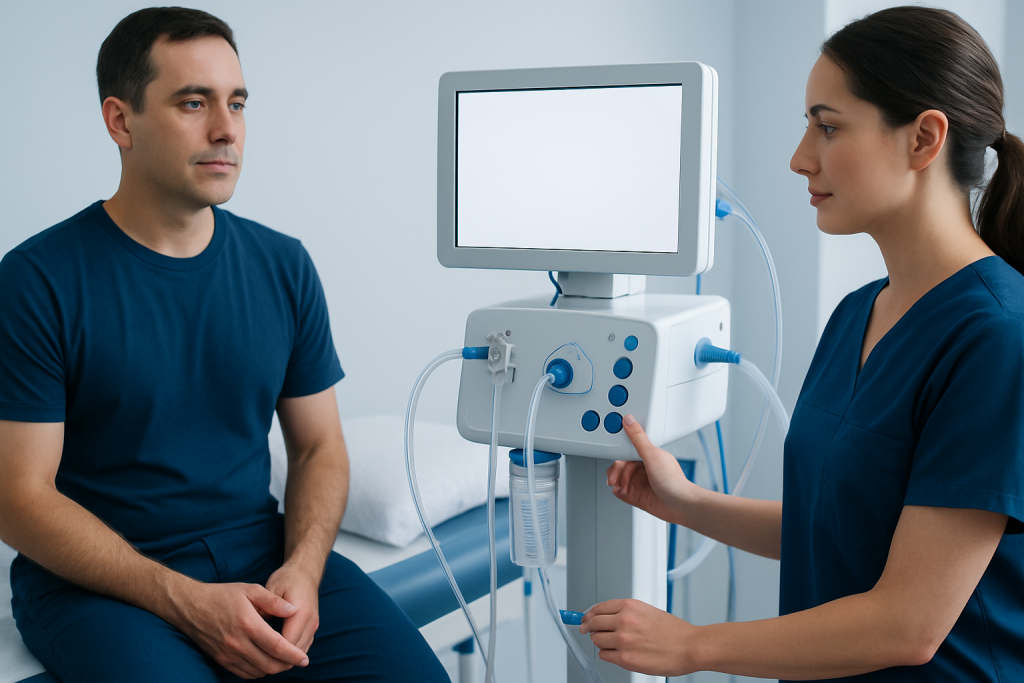
Before the appointment, the clinical team may ask the patient to arrive with a comfortably full bladder, provide a urine sample, or avoid certain medicines if medically appropriate. Instructions vary, so patients should not stop prescribed medication unless their clinician specifically advises them to do so. Testing may be postponed if there is a suspected urinary tract infection.
At the start, the patient usually empties the bladder into a special collection device. This initial measurement, called uroflowmetry, records the amount and speed of urine flow. The clinician then gently places a narrow catheter through the urethra into the bladder. A second small pressure sensor may be placed in the rectum or vagina to help compare bladder pressure with abdominal pressure.
Sterile water or saline is slowly introduced into the bladder through the catheter. The patient is asked to describe changing bladder sensations and to report any urgency, discomfort, or leakage. In some cases, the clinician may ask the patient to cough, bear down, or change position to see whether leakage occurs with increased abdominal pressure.
Once the bladder is sufficiently full, the patient is usually asked to urinate into a flow-measuring device. The catheters are then removed. The cystometrogram steps generally take about 30 to 60 minutes, although a complete urodynamics visit may take longer depending on which additional tests are needed.
What Is the Difference Between a Cystometrogram and a Urodynamics Test?
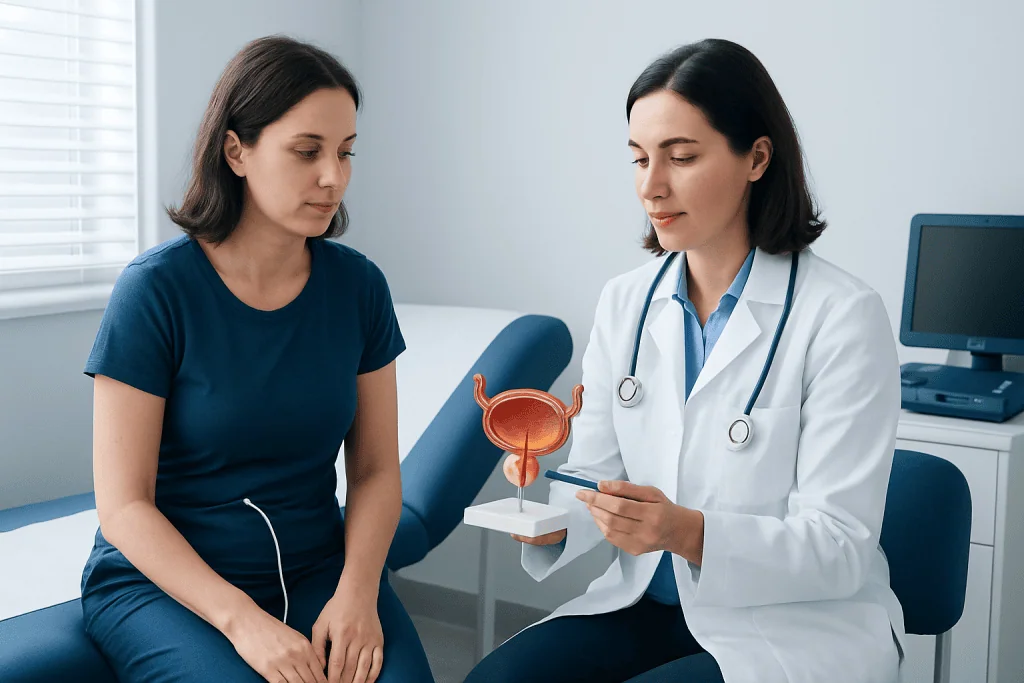
A cystometrogram is one specific test within urodynamics. It focuses mainly on bladder filling: pressure changes, bladder capacity, sensation, involuntary bladder contractions, and leakage during filling. The term urodynamics describes a group of tests that assess how the bladder, urethra, pelvic floor, and urinary sphincters store and release urine.
A full urodynamics assessment may include uroflowmetry, measurement of urine left after voiding, cystometry, pressure-flow testing during urination, pelvic floor electromyography, or video imaging. Not every patient needs every component. The clinician selects tests based on the person’s symptoms, medical background, and previous assessment.
The phrase “cystometrogram simple” may appear in medical records or billing documentation when a basic filling study is performed without more advanced measurement features. A cystometrogram procedure code or cystometrogram CPT code is used for administrative billing and can vary according to the exact testing components, clinical setting, and local coding rules. Patients who need coding information should ask the testing center or insurer, rather than relying on a code found online.
What Is the Difference Between a Cystometrogram and Cystometry?
In everyday clinical use, cystometrogram and cystometry are closely related terms and are often used interchangeably. Cystometry refers to the process of measuring bladder pressure during filling. A cystometrogram is the recorded tracing or report produced from those measurements.
In practical terms, a patient may hear a clinician say that cystometry is being performed, while the written result may be called a cystometrogram. Both relate to evaluating bladder storage function. The exact wording can differ by hospital, laboratory, country, and electronic medical record system.
The results do not automatically mean that a person has a serious condition. For example, a finding of involuntary bladder contractions may support a diagnosis of overactive bladder, but symptoms and other test results remain important. Management is individualized and may involve bladder training, pelvic floor therapy, medication, or other approaches depending on the underlying cause.
Candidacy, Benefits, and What Results Can Show
A clinician may recommend a cystometrogram when urinary symptoms are persistent, complex, affecting daily life, or not improving with initial treatment. It can be especially useful before certain procedures for urinary incontinence, after pelvic surgery when voiding difficulties develop, or when neurologic conditions may be affecting bladder control.
The potential benefit is a more detailed understanding of bladder function. The test may identify reduced bladder capacity, poor bladder sensation, involuntary contractions during filling, leakage related to pressure, or difficulty generating effective bladder pressure during voiding. These findings can help the clinician recommend the most appropriate next steps rather than treating symptoms by assumption alone.
Not everyone with urinary symptoms needs urodynamic testing. For many people, a symptom review, urine test, physical examination, bladder diary, and first-line treatment are enough. The decision is based on whether test findings are likely to change care.
- Urgency, frequency, or urge-related urine leakage
- Stress urinary incontinence or mixed leakage symptoms
- Slow flow, straining, urinary retention, or incomplete emptying
- Bladder symptoms associated with neurologic disease or spinal conditions
- Assessment before selected continence or pelvic floor procedures
Is a Cystometry Test Painful?
A cystometry test can feel uncomfortable, mainly when the catheter is placed and as the bladder fills. Most patients describe pressure, an unusual urge to urinate, or brief stinging rather than severe pain. A lubricant is used during catheter placement, and the team can pause if the patient is very uncomfortable.
Some people may find the test more difficult if they have urethral sensitivity, pelvic pain, anxiety, or prior difficult catheterization. Telling the team about these concerns beforehand can help them explain each step, proceed slowly, and make reasonable adjustments where possible.
Afterward, mild burning when urinating or a small amount of blood in the urine may occur briefly because the urethra has been catheterized. Drinking fluids, unless a clinician has advised fluid restriction, may help. Persistent or worsening symptoms should be reported promptly.
Recovery Timeline, Risks, and Cystometrogram vs Cystoscopy
Recovery after a cystometrogram is usually quick. Most people can return to normal daily activities on the same day. Mild urinary burning, increased frequency, or temporary urgency typically settles within a day or two. The clinic may provide individualized aftercare instructions, particularly for people with a history of urinary infections or urinary retention.
The main risks are temporary urethral irritation and urinary tract infection. Less commonly, catheterization can cause minor bleeding or difficulty urinating for a short time. Patients should contact their healthcare team if they develop fever, chills, worsening lower abdominal pain, inability to pass urine, visible blood that does not settle, or burning that persists or becomes more severe.
A cystometrogram and cystoscopy are different tests. Cystometry measures function and pressure while the bladder fills and empties. Cystoscopy uses a thin camera inserted through the urethra to look directly at the lining of the urethra and bladder. A clinician may recommend one or both tests depending on whether the main question concerns bladder function or the bladder’s structure.
For patients who need further evaluation of urinary symptoms, Acibadem International’s multidisciplinary specialists and JCI-accredited hospitals provide diagnostic assessment and treatment planning for international patients.
When to Seek Medical Care
Medical assessment is appropriate for new, persistent, or worsening urinary symptoms, particularly when they interfere with sleep, work, exercise, travel, or confidence. A clinician can assess common causes and decide whether a bladder function test such as a cystometrogram is useful.
More urgent medical care is needed for inability to urinate, severe lower abdominal pain with a full bladder sensation, fever or chills with urinary symptoms, blood in the urine, new weakness or numbness around the legs or groin, or urinary symptoms after a significant back injury. These symptoms can have several causes and should be evaluated without delay.
People who are pregnant, have a known urinary tract infection, use blood-thinning medication, have an implanted urinary device, or have had recent urinary surgery should let the testing team know before the appointment. This helps ensure that testing is timed and performed safely.
Frequently asked questions
How long does a cystometrogram procedure take?
The bladder filling portion often takes around 30 to 60 minutes. The total appointment may be longer if urine flow testing, pressure-flow studies, imaging, or other urodynamic tests are also performed. The clinic can provide a more specific estimate before the visit.
Do patients need to prepare for a cystometrogram?
Preparation instructions differ between clinics. Patients may be asked to arrive with a partially full bladder, provide a urine sample, or discuss medicines that could affect bladder function. They should follow the instructions from their own healthcare team and should not stop prescribed medicines without advice.
Can a cystometrogram diagnose overactive bladder?
A cystometrogram can identify involuntary bladder contractions during filling, which may support a diagnosis of overactive bladder. However, overactive bladder is often diagnosed from symptoms, and not every person with symptoms has abnormal contractions during testing. Results are interpreted together with the clinical history.
What happens if the cystometrogram result is abnormal?
An abnormal result does not by itself determine treatment. The clinician will explain what the findings may mean in the context of symptoms and may recommend bladder training, pelvic floor rehabilitation, medicines, further testing, or another tailored option. The next step depends on the specific pattern found.
Can a cystometrogram cause a urinary tract infection?
There is a small risk of urinary tract infection because the test involves catheterization. Clinics use sterile techniques to reduce this risk. Patients should seek medical advice after the test if they develop fever, chills, worsening burning, cloudy urine, or persistent urinary pain.
Can a cystometrogram be performed during a urinary tract infection?
Testing is commonly delayed when a urinary tract infection is suspected or confirmed because infection can affect bladder symptoms and test results. Catheterization may also worsen discomfort during an active infection. Patients should tell the clinic about burning, fever, new urgency, or recent positive urine tests before attending.
References
- National Institute of Diabetes and Digestive and Kidney Diseases
- American Urological Association
- International Continence Society
- Mayo Clinic
This article is for general information only and is not a substitute for professional medical advice. Please consult a qualified doctor about your individual situation.
Explore treatments in Turkey — costs, top hospitals & a free quote
JCI-accredited · board-certified surgeons · reply within 24h
Add us as a Preferred Source to see more of our trusted health content across Google Search, AI Overviews and Discover.

More from the Health Library


Related Specialists

Prof. Dr. Ufuk Demirkılıç
Cardiovascular Surgery
Assoc. Prof. Dr. Engin Çelik
Gynecology & Obstetrics
Dr. Mahmut Yarimay
Anesthesiology
Assoc. Prof. Dr. Seher Tanrıkulu
Endocrinology