Best Drug Treatment Centers: How It Works, Results and What to Expect

A quality treatment program provides an individualized assessment and a level of care matched to clinical needs. Medically supervised withdrawal management may be important for alcohol, opioids, benzodiazepines and some other substances.
Key Takeaways
- A quality treatment program provides an individualized assessment and a level of care matched to clinical needs.
- Medically supervised withdrawal management may be important for alcohol, opioids, benzodiazepines and some other substances.
- Behavioral therapies and, when appropriate, medications are core evidence-based treatments for substance use disorders.
- Recovery is often a long-term process; continued care after a program can reduce relapse risk and support health and daily functioning.
- There is no universal rehab success rate, because outcomes depend on the substance used, coexisting conditions, treatment access and how recovery is measured.
The best drug treatment centers offer person-centered, evidence-based care rather than a single “best” program for everyone. Effective treatment addresses withdrawal safety, substance use, mental health, physical health, family support and long-term recovery planning.
Overview: What Makes the Best Drug Treatment Centers Different?
The best drug treatment centers are those that provide safe, evidence-based and individualized treatment for a person’s substance use disorder. A suitable center does not simply focus on stopping drug use for a short time. It evaluates medical and mental health needs, helps manage withdrawal when needed, delivers structured treatment and supports a realistic plan for ongoing recovery.
Substance use disorder is a treatable health condition in which continued use of alcohol or drugs can become difficult to control despite harm to health, relationships, work or daily life. Treatment may involve outpatient appointments, intensive day programs, residential care or hospital-based care. The appropriate setting depends on withdrawal risks, the severity of substance use, mental health needs, home support and personal circumstances.
A reliable program uses licensed clinicians and evidence-based approaches, explains its treatment plan clearly and involves the patient in decisions. It should also assess related concerns such as depression, anxiety, trauma, chronic pain, sleep problems and infectious disease risk. Recovery goals may include abstinence, reduced harm, improved health and safer, more stable daily functioning.
How Drug Rehabilitation Works
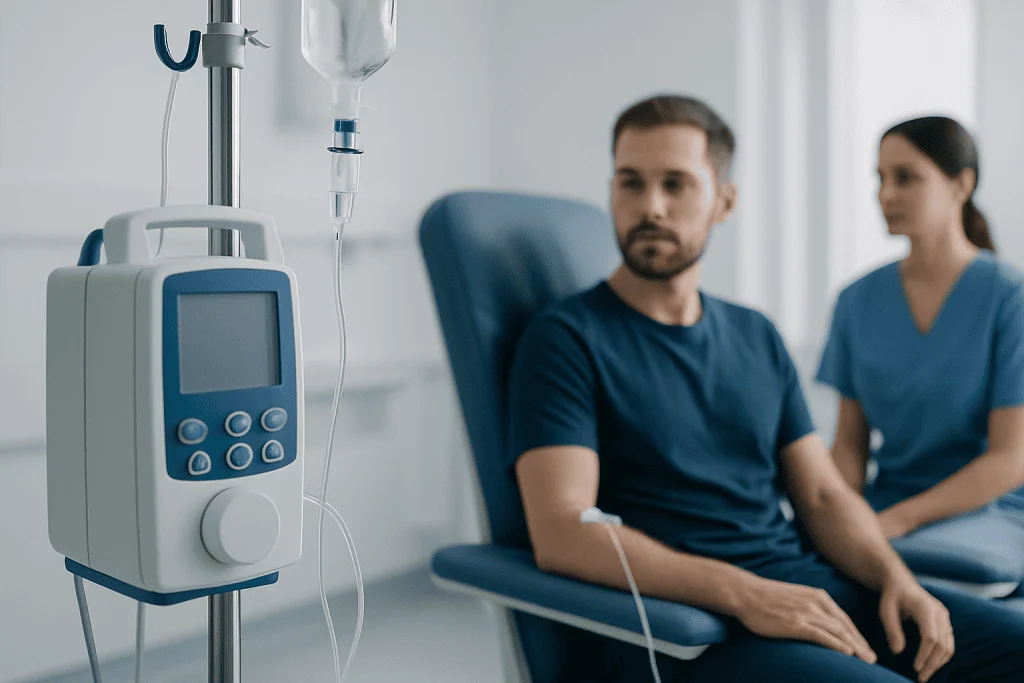
Drug rehabilitation works by combining clinical treatment with practical support for behavior change. Care commonly begins with a comprehensive assessment of the substances used, pattern of use, previous withdrawal experiences, physical health, mental health, medications, safety concerns and social situation. This assessment helps the clinical team recommend the most appropriate level of care.
For some people, the first stage is withdrawal management, often called detoxification. This is not the same as complete addiction treatment. It is a short-term medical process intended to manage withdrawal symptoms safely and prepare the person for continuing care. Alcohol, benzodiazepine and opioid withdrawal can require close medical assessment because complications may occur, particularly when use has been heavy or prolonged.
After stabilization, treatment commonly combines individual counseling, group therapy, family education and relapse-prevention planning. Therapies may include cognitive behavioral therapy, motivational interviewing, contingency management and approaches that help people identify triggers, build coping skills and strengthen supportive routines. For opioid, alcohol or tobacco use disorders, medications can be an important part of care for appropriate patients.
- Clinical assessment and personalized treatment planning
- Medical management of withdrawal when clinically indicated
- Behavioral therapies and psychological support
- Medication treatment where appropriate
- Family involvement, social support and aftercare planning
Who May Be a Candidate for a Treatment Program?
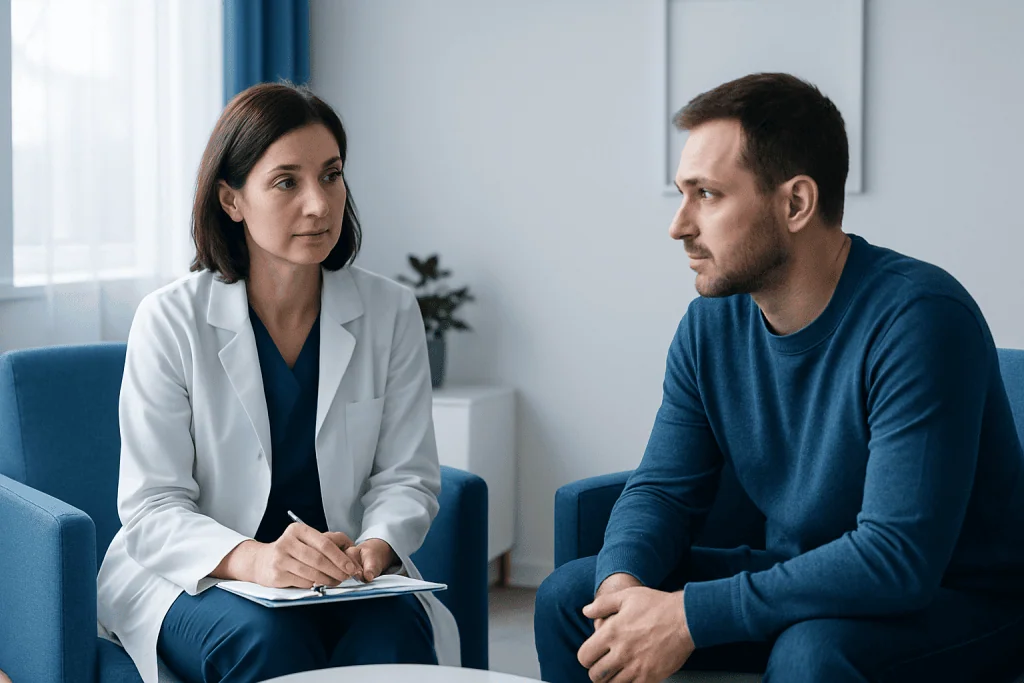
A person may benefit from drug treatment when substance use is causing health problems, difficulty meeting responsibilities, unsafe behavior, relationship strain or repeated unsuccessful efforts to stop. Treatment can also be appropriate when a person has developed tolerance, experiences withdrawal symptoms, uses more than intended or spends substantial time obtaining, using or recovering from drugs.
There is no need to wait for a crisis before seeking help. Earlier assessment may prevent complications and can help a person understand available options. A medical evaluation is particularly important for people who are pregnant, have a history of seizures, have severe mental health symptoms, use multiple substances, have serious medical conditions or may be at risk of self-harm.
The most appropriate program is not always residential rehabilitation. Many people can receive effective outpatient treatment while continuing work, education or family responsibilities. Residential or inpatient care may be considered when a person needs a highly structured environment, has unstable housing, faces severe withdrawal risks, has complex co-occurring conditions or has not benefited from a less intensive setting.
What Happens Step by Step in Drug Treatment?
Although every treatment plan differs, a structured program usually follows several connected stages. The first is intake and assessment. Clinicians ask about substance use, medical history, mental health, current medicines, prior treatment and personal goals. Tests may be recommended to identify health issues that need attention, but testing should be explained and used to guide care.
The next stage may be medical stabilization and withdrawal management. A healthcare team monitors symptoms, provides supportive care and may prescribe medicines when clinically appropriate. People should not attempt to stop alcohol, benzodiazepines or other substances with potentially dangerous withdrawal effects without medical advice.
Active rehabilitation then focuses on understanding the factors that maintain substance use and developing alternatives. Patients may practice managing cravings, responding to stress, repairing routines, avoiding high-risk situations and seeking support. Treatment plans should be reviewed regularly and adapted as needs change, rather than following a rigid, identical pathway for every patient.
Before leaving a structured program, the team and patient develop a continuing-care plan. This may include outpatient appointments, medication follow-up, peer support, family sessions, housing or employment resources, and a plan for responding promptly if cravings or return to use occurs. Addiction treatment should include this longer-term perspective because recovery commonly continues well beyond the first program.
Benefits, Risks and Recovery Timeline
Potential benefits of treatment include safer withdrawal, reduced substance use, improved physical and mental health, better relationships and increased ability to work, study or manage daily responsibilities. Treatment can also help people reduce overdose risk, recognize warning signs early and create practical plans for urgent situations. Benefits are often gradual and may build over time with continued participation in care.
Recovery timelines vary considerably. Withdrawal management may last days to a few weeks, depending on the substance, pattern of use and health status. Structured residential programs often last weeks, while outpatient care and follow-up may continue for months or longer. Some people need more than one treatment episode, which does not mean treatment has failed; substance use disorders can be chronic, relapsing conditions that may require ongoing adjustments in care.
Potential challenges include uncomfortable withdrawal symptoms, cravings, emotional distress as substance use stops, and practical pressures involving work, family or housing. These risks can be reduced through appropriate medical supervision, therapy, medication when indicated and a clear aftercare plan. Programs should also screen for and treat co-occurring mental health conditions rather than treating substance use in isolation.
A return to substance use can occur during recovery, but it should be viewed as a signal to reassess support and treatment needs, not as a reason for shame or abandonment of care. Prompt contact with a clinician can help reduce harm and re-establish a treatment plan.
How Effective Are Rehab Centers?
Rehab centers can be effective when they deliver evidence-based treatment, match the intensity of care to the person’s needs and support continued engagement after the initial program. Outcomes are generally better when care addresses medical, psychological and social factors together, including co-occurring depression, anxiety, trauma, pain, family difficulties and housing or employment concerns.
Effectiveness should not be judged only by whether a person never uses a substance again. Meaningful outcomes can include longer periods without use, fewer days of use, lower overdose risk, improved health, improved relationships, stable housing, employment and better quality of life. A patient’s goals and safety needs should guide how progress is assessed.
Programs with qualified addiction professionals, access to medical care, proven behavioral therapies, appropriate medication options and a plan for follow-up are generally more likely to provide useful care. Treatment that relies on unsupported promises, discourages needed medications or does not assess medical and mental health concerns may not meet accepted clinical standards.
What's the Success Rate of Drug Rehab?
There is no single, reliable success rate for drug rehabilitation. Studies use different definitions of success, such as abstinence, reduced use, treatment completion, lower emergency care use, improved functioning or retention in treatment. Results also vary by substance, severity of the disorder, duration of care, coexisting health conditions and access to stable support after treatment.
For this reason, claims that one program can guarantee recovery or provide a universal success percentage should be treated cautiously. A more helpful question is whether a program uses treatments supported by clinical evidence, measures progress honestly and offers continued care when needs change.
Medication treatment can substantially improve outcomes for some disorders. For example, medications for opioid use disorder and alcohol use disorder may reduce cravings or use for suitable patients when combined with ongoing clinical care. Decisions about medicines should be individualized and made with a qualified clinician.
What Percentage of Addicts Recover? What Is the Most Successful Rehab in the US?
It is not possible to state one accurate percentage of people who “recover” from addiction. Recovery is individual, may occur over different timeframes and can include many measures beyond abstinence. Many people do achieve substantial improvement, particularly when they can access effective treatment, ongoing support and care for mental and physical health conditions.
There is also no single rehabilitation center that can objectively be called the most successful in the United States for every person. Programs treat different populations, report outcomes differently and may offer different levels of care. The best choice is the program that can safely address the individual’s substance use, withdrawal risk, medical needs, mental health and practical circumstances.
When comparing options, patients and families can ask whether the center is properly licensed, whether clinicians are qualified, which therapies and medications are offered, how co-occurring mental health conditions are treated, what happens after discharge and how emergency concerns are handled. Transparent answers and shared decision-making are important indicators of patient-centered care.
When to Seek Medical Care
Medical care should be sought urgently if a person has overdose symptoms, difficulty breathing, loss of consciousness, a seizure, severe confusion, chest pain, severe agitation, hallucinations or thoughts of self-harm. Local emergency services should be contacted immediately in these situations. If opioid overdose is suspected and naloxone is available, it should be administered according to local guidance while emergency help is arranged.
Prompt medical advice is also important before stopping alcohol, benzodiazepines or heavy, long-term drug use, as withdrawal can sometimes be dangerous. A clinician can assess whether outpatient support is suitable or whether medically supervised withdrawal management is needed.
For non-emergency concerns, an addiction medicine specialist, psychiatrist or primary care clinician can help arrange assessment and treatment. Acibadem International’s multidisciplinary specialists and JCI-accredited hospitals support international patients seeking assessment and treatment for substance use and related mental health needs.
Frequently asked questions
How do the best drug treatment centers choose a treatment plan?
They begin with a detailed assessment of substance use, withdrawal risk, physical health, mental health, safety needs and home support. The recommended level of care may range from outpatient appointments to residential or hospital-based treatment, and it should be reviewed as the person’s needs change.
Is detoxification enough to treat drug addiction?
Detoxification helps a person manage withdrawal safely, but it is usually only the first stage of care. Ongoing therapy, medication when appropriate, recovery support and relapse-prevention planning are important for longer-term treatment.
Can a person work while receiving drug treatment?
Many people receive outpatient treatment while continuing work, school or family responsibilities. More intensive programs may be recommended when withdrawal risks, mental health concerns or the home environment make additional structure necessary.
Do medications replace one addiction with another?
When prescribed and monitored appropriately, medications for substance use disorders are evidence-based medical treatments. They can reduce cravings, withdrawal symptoms and overdose risk, helping many people participate more fully in counseling and daily life.
What should a family member do if someone refuses treatment?
A family member can express concern calmly, avoid blame and encourage a medical or addiction-focused assessment. Learning about overdose response, emergency warning signs and local support resources can also help families respond more safely.
What happens if someone returns to drug use after rehab?
A return to use can occur and should prompt early contact with a clinician or treatment team. The care plan may need changes, such as additional therapy, medication review, a different level of support or help with triggers and co-occurring conditions.
References
- World Health Organization
- United Nations Office on Drugs and Crime
- National Institute on Drug Abuse
- Substance Abuse and Mental Health Services Administration
- American Society of Addiction Medicine
This article is for general information only and is not a substitute for professional medical advice. Please consult a qualified doctor about your individual situation.
Explore treatments in Turkey — costs, top hospitals & a free quote
JCI-accredited · board-certified surgeons · reply within 24h
Add us as a Preferred Source to see more of our trusted health content across Google Search, AI Overviews and Discover.

More from the Health Library

Related Specialists

Asst. Prof. Dr. Özlem Apti Şengkioun
Dermatology
Dr. Serdar Özdemir
Internal Medicine
Prof. Dr. Hüseyin Hayrı Kertmen
Neurosurgery
Dt. Merve Torun Yüksel
Oral & Dental Health