ALL Treatment Leukemia: How It Works, Results and What to Expect

Acute lymphoblastic leukemia (ALL) usually needs prompt treatment from a specialist hematology-oncology team. Treatment is delivered in phases, typically starting with induction therapy to bring the leukemia into remission.
Key Takeaways
- Acute lymphoblastic leukemia (ALL) usually needs prompt treatment from a specialist hematology-oncology team.
- Treatment is delivered in phases, typically starting with induction therapy to bring the leukemia into remission.
- Genetic testing, age, overall health and measurable residual disease help guide an individual treatment plan.
- Many people can achieve long-term remission, but outlook differs between children and adults and among ALL subtypes.
- Follow-up care, infection prevention and support for treatment effects are important throughout treatment and recovery.
ALL treatment leukemia is an intensive, staged plan designed to eliminate acute lymphoblastic leukemia cells, achieve remission and lower the chance of relapse. Treatment commonly includes chemotherapy, may include targeted or immune-based medicines, and sometimes involves a stem cell transplant depending on disease features and response.
ALL Treatment Leukemia: How Treatment Works
ALL treatment leukemia refers to treatment for acute lymphoblastic leukemia (ALL), a fast-growing cancer of immature lymphoid blood cells. The goal is to clear leukemia cells from the blood and bone marrow, restore normal blood-cell production, and prevent leukemia from returning in the bone marrow, blood, brain or spinal fluid.
Most treatment plans use several medicines in carefully timed phases. Chemotherapy remains central to care, while targeted treatments, immunotherapies and stem cell transplantation may be appropriate for some people. The exact approach depends on whether the ALL is B-cell or T-cell type, the leukemia’s chromosome and gene changes, age, general health, and how deeply the leukemia responds to early treatment.
ALL should be managed by an experienced hematology-oncology team because treatment can be intensive and requires close monitoring. Planning often involves hematologists, medical oncologists, pathologists, transplant specialists, infectious disease clinicians, pharmacists, nurses, nutrition professionals and psychosocial support teams.
Who May Be a Candidate for Different ALL Treatments?
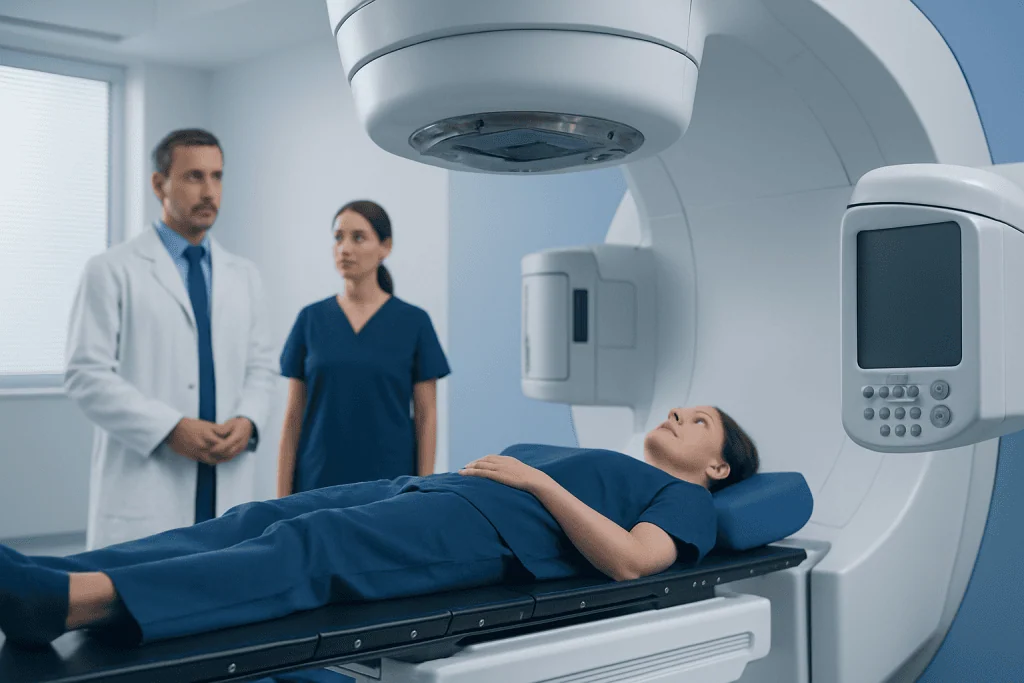
Nearly everyone diagnosed with ALL needs treatment, usually soon after diagnosis. Before treatment begins, the care team confirms the subtype using bone marrow testing, blood tests and specialized laboratory analysis. Tests may identify changes such as the Philadelphia chromosome, which can make a targeted medicine useful alongside chemotherapy.
Age and fitness influence the intensity of treatment, but they do not determine treatment choices alone. Children, adolescents, younger adults and older adults may receive different regimens because their bodies can tolerate treatment differently and their leukemia biology may vary. For people who are older or have significant health conditions, doctors may adjust treatment intensity while still aiming for the best possible disease control.
Response assessment is also essential. Highly sensitive tests can look for measurable residual disease (MRD), meaning very small numbers of leukemia cells that remain after treatment but may not be visible under a microscope. MRD results help doctors estimate relapse risk and consider whether additional therapy or a transplant consultation is advisable.
The Main Phases of Acute Lymphoblastic Leukemia Treatment
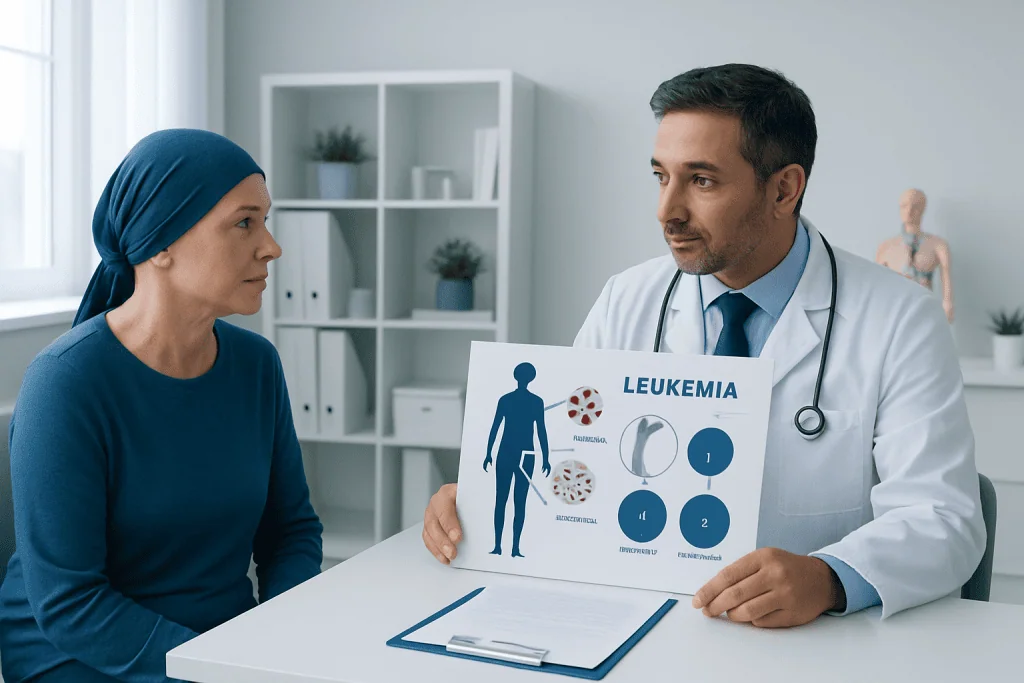
Induction therapy is the first phase. It usually combines chemotherapy medicines and, when indicated, targeted or immune-based treatment. Its purpose is to achieve complete remission, meaning there are no detectable leukemia cells by standard testing and blood counts recover. This phase often requires frequent hospital visits or a period of inpatient care because blood counts can fall and infections or other complications need prompt attention.
Consolidation or intensification therapy follows remission. It aims to eliminate leukemia cells that may remain at levels too low for routine tests to detect. The medicines and schedule vary by ALL subtype, age group, genetic findings and MRD status. Some patients with higher-risk disease may be evaluated for a bone marrow or stem cell transplant during or after this stage.
Central nervous system prophylaxis is an important part of treatment because ALL cells can enter the fluid around the brain and spinal cord. Doctors may give chemotherapy into the spinal fluid through a lumbar puncture, and sometimes use other approaches based on individual risk. This treatment can be given even when no leukemia is found in the spinal fluid.
Maintenance therapy is commonly used after earlier intensive phases, particularly in many standard ALL regimens. It uses lower-intensity treatment over an extended period to reduce relapse risk. Regular appointments, blood tests and medication reviews remain necessary throughout maintenance.
What Happens Step by Step During ALL Treatment?
Care usually begins with confirmation of the diagnosis and baseline testing. This may include blood counts, bone marrow aspiration and biopsy, flow cytometry, chromosome and molecular testing, kidney and liver function tests, heart assessment when needed, and screening for infections. A lumbar puncture may be performed to check whether leukemia is present in the spinal fluid.
Before intensive therapy, the team may place a central venous catheter or port to make repeated blood sampling and intravenous treatment safer and more comfortable. Supportive care is started early and may include transfusions, medicines to prevent or treat infection, anti-nausea treatment, nutrition support and medicines to help manage treatment-related effects.
During each treatment phase, clinicians monitor blood counts, symptoms, organ function and response. A repeat bone marrow test is often performed after induction or at planned milestones to assess remission and MRD. If results show persistent or returning leukemia, the team may recommend a different drug combination, targeted therapy, immunotherapy, clinical trial options where available, or transplant assessment.
People are encouraged to ask how each medicine is being used, what monitoring is planned, how to contact the team after hours, and which symptoms require urgent attention. A written treatment calendar can make a complex schedule easier to follow.
Benefits, Risks and Recovery Timeline
The potential benefit of ALL treatment is remission and, for many people, long-term disease-free survival. Treatment has improved substantially through risk-adapted therapy, better supportive care and medicines that target specific leukemia features. However, no treatment plan can guarantee remission or prevent relapse in every individual.
Common effects of chemotherapy and related treatments can include fatigue, nausea, mouth sores, hair loss, appetite changes, low blood counts, bruising or bleeding, and a higher risk of infection. Some medicines can affect the liver, kidneys, nerves, heart or blood clotting, so the team checks for these concerns regularly. The risk and type of effects depend on the medicines used and the person’s health.
Recovery is gradual rather than a single event. Induction treatment often lasts several weeks, while the full program frequently takes around two to three years, especially when maintenance therapy is included. Hospital stays may be needed during intensive phases, while other treatment can be delivered through scheduled outpatient visits. Energy levels and blood counts may take weeks or months to recover after more intensive cycles.
After treatment, follow-up visits continue for years. They usually include physical examinations, blood tests and discussion of symptoms or late effects. Survivorship care may address fertility, bone health, heart health, learning or concentration concerns, emotional wellbeing and return to work or school.
Can You Live 20 Years With ALL Leukemia?
Yes, it is possible for some people to live 20 years or longer after an ALL diagnosis, particularly when they achieve durable remission. Long-term outcomes vary considerably, and they are generally influenced by age at diagnosis, ALL subtype, chromosome or gene findings, response to induction treatment, MRD results and whether the leukemia returns.
Children with ALL often have favorable outcomes overall, while outcomes in adults can be more variable. Even after successful treatment, regular follow-up is important because relapse can occur and because some treatments can have late effects that need monitoring. The treating hematology team is best placed to explain what the individual disease features mean for prognosis.
Can You Ever Fully Get Rid of Leukemia?
For many people with ALL, treatment can produce complete remission, meaning standard tests no longer find leukemia and blood-cell production has recovered. Some people remain in remission long term and are considered cured. Doctors often use cautious language because a small risk of relapse may remain, particularly in the earlier years after treatment.
Advanced testing for MRD provides a more detailed measure of response than routine microscopy alone. An MRD-negative result is generally encouraging, although it does not remove the need for ongoing follow-up. If leukemia persists or returns, further treatment may still lead to another remission for some patients.
Can You Fully Recover From Acute Lymphoblastic Leukemia?
Full recovery from acute lymphoblastic leukemia is possible for some patients, especially when treatment achieves deep, lasting remission. Recovery includes more than clearing leukemia cells: it also involves rebuilding physical strength, managing emotional effects, returning to daily activities and monitoring for long-term treatment effects.
The timeline is individual. Some people resume many normal activities during maintenance therapy, while others need longer periods of rehabilitation and support. Children and adults may have different follow-up needs, including attention to growth, education, fertility, heart health, bone health and mental wellbeing.
How Long Does Leukemia Treatment Usually Take?
ALL treatment commonly begins with an intensive induction phase lasting several weeks. Consolidation or intensification then continues over additional months, and maintenance therapy often extends the total treatment duration to approximately two to three years. The schedule can be shorter or longer depending on the protocol, disease subtype, response and whether a transplant is needed.
Time spent in hospital also varies. Intensive early treatment may require inpatient care or frequent clinic visits, particularly when blood counts are low. Later phases may involve more outpatient care, but regular testing and appointments remain necessary. The team can provide a personalized timeline once the diagnostic and response results are available.
When to Seek Medical Care
Anyone with symptoms that could suggest a blood disorder should arrange medical assessment, especially persistent unexplained fatigue, fever, frequent infections, easy bruising or bleeding, bone pain, enlarged lymph nodes, unexplained weight loss or marked paleness. These symptoms are common in many non-cancerous conditions, but a clinician can assess them with an examination and blood tests.
A person receiving ALL treatment should contact their treatment team promptly for a fever, chills, shortness of breath, chest pain, new confusion, severe weakness, uncontrolled vomiting or diarrhea, unusual bleeding, a rapidly spreading rash, or pain and redness around a catheter site. During periods of low white blood cell counts, infection can become serious quickly and should not be managed without medical advice.
Acibadem International’s multidisciplinary specialists and JCI-accredited hospitals support diagnosis and treatment planning for international patients with leukemia. Individual care should always be guided by a qualified hematology-oncology team familiar with the person’s diagnosis and treatment response.
Frequently asked questions
What is the first treatment for acute lymphoblastic leukemia?
The first major phase is called induction therapy. It uses a combination of medicines to bring the leukemia into remission and is followed by additional treatment to remove remaining leukemia cells and reduce relapse risk.
Is chemotherapy always used for ALL leukemia?
Chemotherapy is a core part of treatment for most people with ALL. Depending on the subtype and molecular findings, it may be combined with targeted medicines or immunotherapy, and some people may also need a stem cell transplant.
What does remission mean in ALL?
Remission means that leukemia is no longer detected by standard tests and normal blood-cell production has returned. Sensitive MRD tests may also be used to look for very small amounts of disease that standard tests cannot see.
Does every person with ALL need a stem cell transplant?
No. A stem cell transplant is generally considered for selected people, such as those with higher-risk disease, persistent MRD, relapse or particular genetic features. The decision balances expected benefit with transplant-related risks.
Can ALL come back after remission?
Yes, relapse can occur after remission, which is why scheduled follow-up is important. If it happens, the treatment team may recommend additional chemotherapy, targeted treatment, immunotherapy, transplant evaluation or a clinical trial when appropriate.
What should a person avoid during ALL treatment?
The medical team may advise avoiding contact with people who are ill, crowded settings during severe low blood counts, and foods that may carry infection risk. Patients should not start supplements, herbal products or new medicines without checking with their oncology team because interactions can occur.
References
- National Cancer Institute
- American Cancer Society
- Leukemia & Lymphoma Society
- European Society for Medical Oncology
- National Comprehensive Cancer Network
This article is for general information only and is not a substitute for professional medical advice. Please consult a qualified doctor about your individual situation.
Leukemia in Turkey — costs, top hospitals & a free quote
JCI-accredited · board-certified surgeons · reply within 24h
Add us as a Preferred Source to see more of our trusted health content across Google Search, AI Overviews and Discover.

Medical Oncology Department
Medical treatment of cancer with chemotherapy, immunotherapy and targeted therapies under a multidisciplinary tumor board.
60 specialists in this unit