Hot Flashes Treatment: How It Works, Results and What to Expect

Hot flashes are common during the menopause transition and can also occur after certain medical treatments or surgeries. Hormone therapy is the most effective treatment for many healthy people with bothersome menopause-related hot flashes, but it is not appropriate for everyone.
Key Takeaways
- Hot flashes are common during the menopause transition and can also occur after certain medical treatments or surgeries.
- Hormone therapy is the most effective treatment for many healthy people with bothersome menopause-related hot flashes, but it is not appropriate for everyone.
- Nonhormonal medicines and lifestyle adjustments can reduce symptoms and are important options when hormones are unsuitable.
- Treatment effects vary: some people notice improvement within days to weeks, while others need a medication adjustment or a different approach.
- New, severe, or unexplained sweating episodes should be assessed by a healthcare professional rather than assumed to be menopause.
Hot flashes treatment is individualized and may involve practical cooling strategies, menopause hormone therapy, or nonhormonal prescription medicines. The most suitable approach depends on symptom severity, menopause stage, personal preferences, and health factors such as cancer history or blood-clot risk.
Hot Flashes Treatment: An Overview
Hot flashes treatment aims to reduce sudden feelings of heat, sweating, flushing, sleep disruption, and the distress that these episodes can cause. For many people, a combination of daily adjustments and medical treatment provides meaningful relief. The best choice is based on the pattern and severity of symptoms, whether periods are still occurring, overall health, and individual treatment goals.
Most hot flashes are linked to the menopause transition, when changing estrogen levels affect the brain systems involved in body-temperature regulation. They may also occur after removal of the ovaries, during some cancer treatments, or with certain medicines. A clinician can help distinguish menopause-related symptoms from other possible causes, including thyroid disorders, infection, medication effects, anxiety, or low blood sugar.
There is no single procedure that permanently switches off hot flashes. Instead, treatment is usually a planned process: identifying likely triggers and causes, choosing an appropriate option, reviewing benefits and side effects, and adjusting the plan when needed. People experiencing broader menopause concerns may also benefit from evaluation for related symptoms such as sleep changes, vaginal dryness, mood changes, or irregular periods.
How Hot Flashes Treatment Works
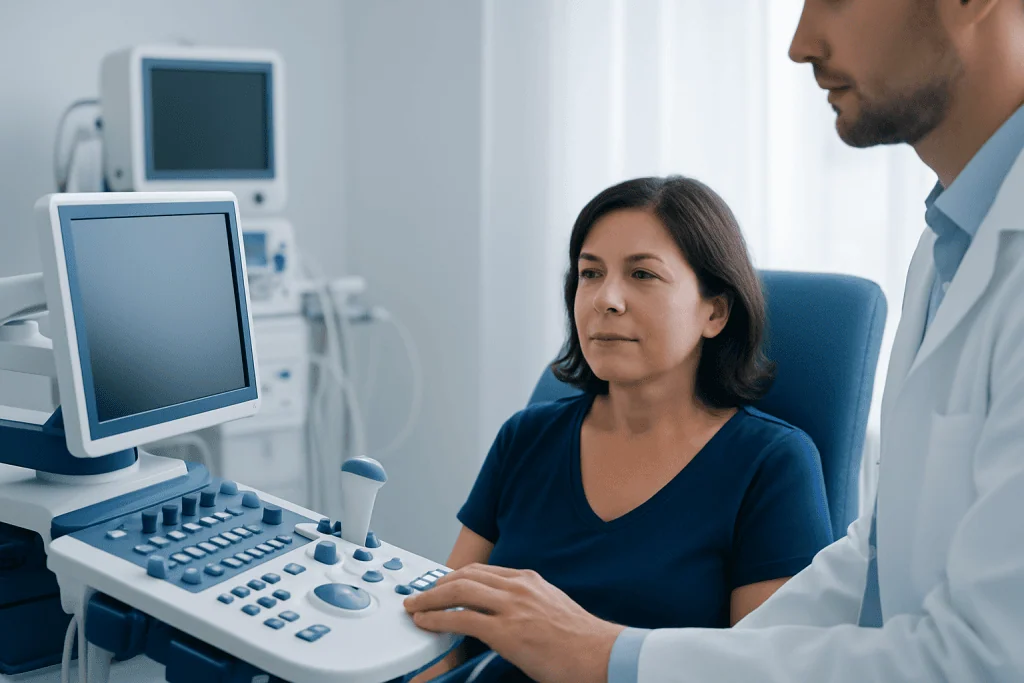
A hot flash begins when the body’s temperature-control center becomes more sensitive to small changes in core temperature. The body responds as if it is overheated, widening blood vessels in the skin and triggering sweating. Menopause hormone therapy works mainly by replacing estrogen at levels that stabilize this temperature-regulation system. For people who have a uterus, a progestogen is generally prescribed with systemic estrogen to protect the uterine lining.
Several nonhormonal prescription treatments act on brain pathways involved in temperature regulation. Depending on the individual and local availability, these may include certain antidepressants used at low doses for vasomotor symptoms, gabapentin, clonidine, or newer medicines that affect neurokinin signaling. They do not contain estrogen and can be useful for people who cannot or prefer not to use hormone therapy.
Lifestyle measures do not change hormone levels, but they can lessen the frequency or impact of episodes. Cooling the sleep environment, using breathable layers, limiting personal triggers, managing stress, and maintaining regular physical activity may help. Cognitive behavioral therapy can also support coping with hot flashes, sleep disruption, and the worry that symptoms may return.
Who May Be a Candidate for Treatment?

People may consider treatment when hot flashes interfere with sleep, work, concentration, relationships, exercise, or quality of life. Treatment is not based only on the number of episodes. A person who has fewer episodes but wakes repeatedly at night may need more support than someone with frequent but mild symptoms.
Systemic menopause hormone therapy may be an option for some people with moderate to severe symptoms, particularly when started near menopause and after an individualized medical assessment. The clinician will review age, time since the final menstrual period, whether the uterus is present, migraine history, cardiovascular risk, and personal and family health history. Estrogen can be given through skin patches, gels, sprays, tablets, or other forms; the route may influence certain risks and practical considerations.
Hormone therapy is usually avoided or requires specialist guidance for people with certain hormone-sensitive cancers, unexplained vaginal bleeding, active or previous blood clots, stroke, some liver diseases, or particular cardiovascular conditions. In these situations, nonhormonal approaches may be preferable. A clinician should also review all current medicines, as interactions can affect treatment selection.
- People with mild, occasional symptoms may choose lifestyle measures and observation first.
- People with significant sleep or daily-life disruption may benefit from prescription treatment.
- People with sudden onset symptoms, fever, weight change, palpitations, or symptoms outside the typical menopause setting should be evaluated for other causes.
What to Expect: Assessment, Treatment Steps and Follow-Up
Hot flashes treatment normally begins with a clinical conversation rather than an invasive procedure. The healthcare professional will ask about timing, duration, triggers, menstrual changes, sleep, medical history, medicines, and any symptoms that suggest another condition. Blood tests are not always needed to diagnose menopause in people with typical symptoms, but testing may be appropriate when the diagnosis is uncertain or another cause is possible.
Keeping a short symptom diary before the appointment can be helpful. It may record when episodes happen, their intensity, night sweats, sleep quality, foods or drinks consumed, stress levels, and treatments already tried. This information helps establish a baseline and can show whether treatment is working over time.
After discussing options, the clinician and patient select a plan. If hormone therapy is chosen, the type and formulation are tailored to whether the person has a uterus and to their risk profile. If a nonhormonal medicine is selected, it is usually started at an appropriate introductory regimen and reviewed for effectiveness and tolerability. Local vaginal estrogen can help genitourinary symptoms of menopause but is not intended to treat hot flashes.
Follow-up is commonly arranged within several weeks to a few months, depending on the treatment. The clinician reviews symptom improvement, blood pressure when relevant, sleep, mood, side effects, and any changes in medical history. Treatment should be reassessed periodically; it is not necessary to stop an effective therapy on a fixed schedule without discussing the benefits and risks with a clinician.
How Long Does It Take to Get Rid of Hot Flashes?
Hot flashes may improve gradually as the menopause transition progresses, but their duration varies widely. Some people have symptoms for a relatively short period, while others continue to experience them for years. Treatment can reduce episodes and their intensity, but it may not remove every hot flash completely.
When a suitable treatment is started, improvement may be noticed within days to several weeks. Hormone therapy often relieves symptoms relatively quickly, while nonhormonal medicines may need several weeks and sometimes dose or medication adjustments before the full effect is clear. Lifestyle changes can help right away with comfort, but their effect on frequency is usually more gradual and variable.
If there is little benefit after an adequate trial, the next step is not simply to continue without review. A clinician can check adherence, identify triggers, reconsider the diagnosis, adjust the formulation, or recommend another treatment option. Stopping hormone therapy can lead to symptom recurrence in some people, so any change should be planned with a healthcare professional.
What Stops Hot Flashes Immediately?
There is no reliable instant medical cure for an individual hot flash, but simple cooling measures can reduce discomfort as it happens. Moving to a cooler area, loosening clothing, using a fan, sipping cold water, applying a cool pack wrapped in cloth to the neck, and taking slow breaths may help the episode pass more comfortably.
For night sweats, keeping lightweight bedding, moisture-wicking sleepwear, and a fan nearby can make it easier to return to sleep. Avoiding heavy blankets and keeping the bedroom cool may be particularly helpful. Some people notice that alcohol, hot drinks, spicy foods, smoking, warm rooms, or emotional stress trigger episodes, although triggers differ between individuals.
Prescription treatments are designed to reduce future symptoms rather than stop a flash immediately. Herbal products and supplements are often marketed for rapid relief, but evidence for many is limited, product quality can vary, and some can interact with medicines or be unsafe for people with certain conditions. A clinician or pharmacist can advise before starting supplements.
What Is Your Body Lacking When You Have Hot Flashes?
Menopause-related hot flashes are mainly associated with changing and eventually lower estrogen levels, rather than a simple vitamin, mineral, or fluid deficiency. These hormonal changes can narrow the body’s comfortable temperature range, making the nervous system respond strongly to minor temperature shifts. This is why hot flashes can occur even when a person is otherwise healthy and well hydrated.
Not every hot flash means that estrogen is low. Symptoms can be influenced by medicines, thyroid overactivity, infections, stress, alcohol, and other health conditions. For this reason, starting estrogen or supplements without medical advice is not recommended, particularly for people with a history of hormone-sensitive cancer, blood clots, or unexplained bleeding.
Hydration remains important for general well-being, especially after sweating, but drinking more water alone does not correct the underlying mechanism of menopause-related hot flashes. A balanced diet, regular movement, sufficient sleep, and avoiding smoking can support overall health during menopause and may make symptoms easier to manage.
Do Hot Flashes Help With Weight Loss?
Hot flashes do not provide a safe or effective method of weight loss. Although sweating can cause a temporary drop in body weight from fluid loss, this weight returns after drinking and does not represent loss of body fat. Frequent night sweats can also disrupt sleep, which may make appetite regulation, energy levels, and healthy routines more difficult.
Weight changes around midlife are common and may relate to aging, changes in body composition, activity levels, sleep, stress, and hormones. A gradual approach that includes balanced meals, regular aerobic and strength activity, and adequate sleep is more sustainable than attempting to sweat or restrict food excessively. Anyone with unintentional weight loss should seek medical assessment.
If weight management is a concern alongside hot flashes, a clinician can help identify realistic goals and screen for conditions such as thyroid disease, diabetes, or medication-related weight changes. Treatment of hot flashes may improve sleep and daily functioning, which can make healthy habits easier to maintain, but it should not be viewed as a weight-loss treatment.
Benefits, Risks and When to Seek Medical Care
The main benefit of hot flashes treatment is better daily comfort and sleep, which may improve concentration, mood, energy, and quality of life. Hormone therapy is generally the most effective option for menopause-related vasomotor symptoms, while nonhormonal choices offer important alternatives. Each approach has possible side effects, so treatment should be selected after a personalized discussion of expected benefits and risks.
Potential effects of hormone therapy can include breast tenderness, bleeding or spotting, nausea, headaches, and skin irritation with some patches. The risks depend on the hormone type, dose, route, duration, age, health history, and whether a progestogen is needed. Nonhormonal medicines can also cause side effects, such as sleepiness, dizziness, dry mouth, blood-pressure changes, or changes in mood, depending on the medicine used. New or troublesome effects should be reported promptly.
Medical care should be sought promptly for chest pain, trouble breathing, fainting, one-sided leg swelling or pain, sudden weakness, severe headache, or new vision or speech changes. A timely medical appointment is also important for unexplained vaginal bleeding, fever, persistent palpitations, unintentional weight loss, or sweats that are new, severe, or not clearly linked to menopause.
Acibadem International’s multidisciplinary specialists and JCI-accredited hospitals can assess hot flashes and related menopause concerns for international patients, with treatment plans based on individual health needs. A qualified gynecologist, family physician, or menopause clinician can help decide whether lifestyle measures, hormone therapy, or nonhormonal treatment is most appropriate.
Frequently asked questions
Are hot flashes treatable?
Yes. Hot flashes can often be reduced with lifestyle adjustments, menopause hormone therapy, or nonhormonal prescription medicines. The appropriate treatment depends on symptom severity, health history, and whether hormone therapy is safe for the individual.
Is hormone therapy safe for hot flashes?
Hormone therapy can be an appropriate and effective option for many people with menopause-related symptoms, but safety is individualized. A clinician will consider factors such as age, time since menopause, uterus status, cardiovascular history, blood-clot risk, and cancer history before recommending it.
Can nonhormonal medicines help hot flashes?
Yes. Several nonhormonal prescription medicines can reduce hot flashes and may be especially useful when estrogen is unsuitable or not preferred. Their effectiveness and possible side effects differ, so they should be selected and monitored by a healthcare professional.
Why are hot flashes worse at night?
Nighttime episodes, often called night sweats, may be more noticeable because bedding and a warm room make cooling harder. Sleep changes during menopause, stress, alcohol, and some foods may also contribute. A cool bedroom, layered bedding, and review of possible triggers can help.
Should hot flashes be investigated with blood tests?
Blood tests are not always necessary when symptoms and menstrual changes clearly suggest menopause. However, a clinician may recommend tests if symptoms begin unexpectedly, occur at an unusual age, or could be related to thyroid disease, infection, medication effects, or another condition.
Can diet prevent hot flashes?
No single diet has been proven to prevent all hot flashes. Some people find that reducing alcohol, hot drinks, spicy foods, and smoking lowers their personal trigger burden. A balanced eating pattern supports general health and weight management during menopause.
References
- North American Menopause Society
- American College of Obstetricians and Gynecologists
- National Institute on Aging
- National Health Service
- World Health Organization
This article is for general information only and is not a substitute for professional medical advice. Please consult a qualified doctor about your individual situation.
Oncology care in Turkey — second opinion and treatment plan
JCI-accredited · board-certified surgeons · reply within 24h
Add us as a Preferred Source to see more of our trusted health content across Google Search, AI Overviews and Discover.

More from the Health Library



Related Specialists

Assoc. Prof. Dr. Gökhan Karademir
Orthopedic Surgery & Traumatology
Assoc. Prof. Dr. Abdullah Okan
Gastroenterology
Dr. Bedii Ender Topçu
Oral & Dental Health
Dr. Can Burak Özme
Cardiology