Post Void Dribbling Treatment: How It Works, Results and What to Expect

Post void dribbling is leakage of a few drops of urine after a person believes they have finished urinating. Urethral milking and pelvic floor muscle training are common first-line treatments.
Key Takeaways
- Post void dribbling is leakage of a few drops of urine after a person believes they have finished urinating.
- Urethral milking and pelvic floor muscle training are common first-line treatments.
- Symptoms after prostate surgery may improve during recovery but deserve follow-up with the surgical or urology team.
- Medicines and procedures are not routine for simple dribbling, but may help when an underlying condition is found.
- Blood in urine, pain, fever, inability to urinate, or sudden new leakage requires prompt medical assessment.
Post void dribbling treatment usually focuses on clearing urine remaining in the urethra and improving pelvic floor muscle control. Many people improve with simple techniques and targeted physiotherapy, while ongoing or new symptoms should be assessed to identify prostate, urinary tract, or neurological causes.
Overview: How Post Void Dribbling Treatment Works
Post void dribbling treatment aims to prevent small amounts of urine from leaking after urination has ended. The most common approach combines a technique called urethral milking, which helps empty urine from the urethra, with pelvic floor muscle training to improve control of the muscles that support the bladder and urethra.
Post void dribbling, also called post-micturition dribble, is different from urge incontinence or stress incontinence. Instead of leaking with coughing, exercise, or a strong need to urinate, a person notices drops of urine in underwear shortly after leaving the toilet. It is particularly common in men, although it can affect women as well.
For many people, this symptom is manageable and not dangerous. However, it can sometimes occur alongside urinary obstruction, prostate enlargement, infection, urethral narrowing, pelvic floor weakness, or changes after prostate treatment. A clinician can help determine whether self-care is appropriate or whether the symptom needs further investigation.
What Causes Dribbling After Urination?
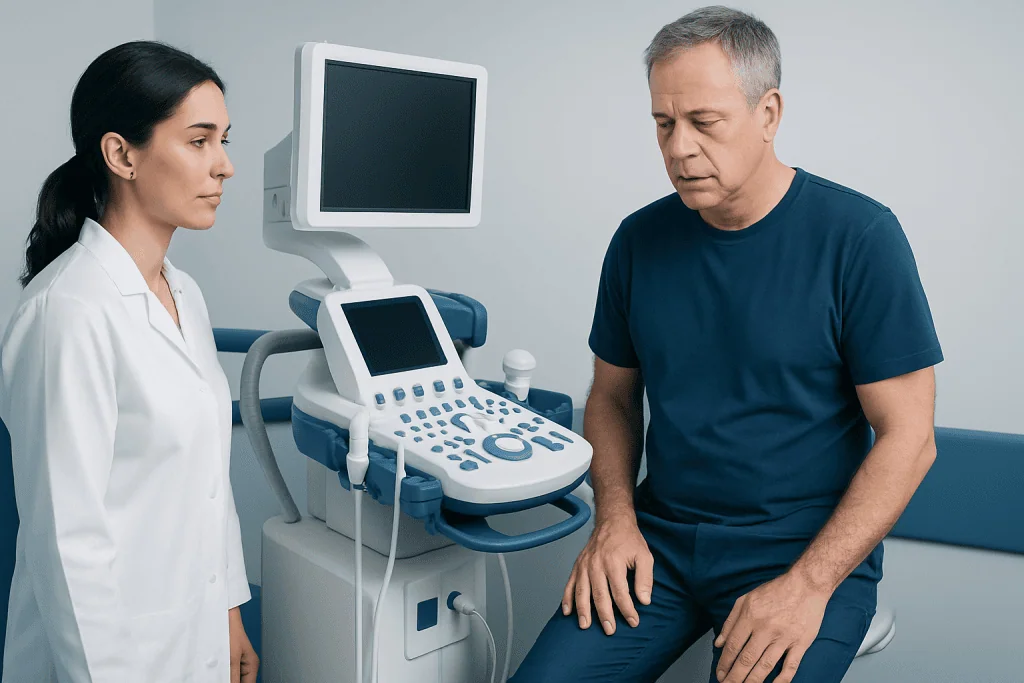
In many men, urine remains in the bulbar urethra, the section of the urethra behind the scrotum, after the bladder has emptied. Normally, pelvic floor muscles contract after urination and help move this remaining urine out. When these muscles are weak, poorly coordinated, or recovering after surgery, a small amount may leak later while dressing or walking away from the toilet.
Ageing, chronic constipation, excess body weight, prolonged straining, and reduced physical activity can affect pelvic floor function. Lower urinary tract symptoms associated with an enlarged prostate may also contribute by changing urine flow and bladder emptying. Related problems may be assessed in the context of benign prostatic hyperplasia.
After radical prostatectomy, leakage can result from temporary or persistent changes to the urinary sphincter and pelvic floor. Less commonly, symptoms can be associated with a urinary tract infection, urethral stricture, bladder dysfunction, medication effects, diabetes, or a neurological condition. The pattern of leakage and accompanying symptoms are important in identifying the likely cause.
Who May Benefit and How Treatment Is Planned

People who experience a few drops of urine after passing urine, especially when there is no pain, fever, or difficulty urinating, may benefit from conservative treatment. A primary care doctor, urologist, continence nurse, or pelvic health physiotherapist can assess symptoms and explain the correct techniques.
Assessment generally begins with a discussion about the timing and amount of leakage, urinary frequency, stream strength, urgency, bowel habits, previous operations, and medicines. The clinician may ask the person to complete a bladder diary. Depending on the history, testing may include urine analysis, a physical examination, measurement of urine left in the bladder after voiding, prostate assessment when appropriate, or urinary flow testing.
People are especially likely to need individualized care when dribbling began after prostate surgery, is worsening, occurs with poor urine flow, or is accompanied by other urinary leakage. Treatment planning should address the underlying problem rather than assuming all leakage has the same cause.
- Simple post-void dribbling may respond to education and pelvic floor rehabilitation.
- Symptoms related to prostate enlargement may require treatment for urinary obstruction.
- Persistent leakage after prostatectomy may need specialized continence assessment.
- Infection, stricture, or incomplete bladder emptying requires cause-specific care.
Post Void Dribbling Treatment: Step-by-Step Approaches
The first practical step is to take a few moments after the urine stream stops. Men may gently place fingers behind the scrotum and apply light pressure forward and upward along the urethra toward the base of the penis. This is often called urethral milking. It should be gentle rather than forceful, and it may be repeated once or twice before shaking or dressing. Women may benefit from pausing, relaxing, changing position slightly, and allowing a final moment for complete emptying.
Pelvic floor muscle training is another central treatment. A physiotherapist can teach a person how to identify the right muscles and contract them correctly without tightening the buttocks, thighs, or abdomen. Regular, individualized practice may improve strength, timing, and coordination. The benefit often develops gradually over weeks to months, so consistent training is important.
When symptoms are linked to an underlying urinary condition, treatment may include behavioral measures, medication, or a procedure directed at that condition. For example, men with significant obstruction from prostate enlargement may be offered evaluation for prostate surgery if conservative and medical options are unsuitable or have not helped. The choice depends on symptoms, examination findings, test results, overall health, and personal preferences.
Following prostatectomy, structured continence rehabilitation is often recommended. Pelvic floor therapy may start before surgery or after catheter removal, according to the surgical team’s plan. For persistent stress urinary incontinence rather than isolated post-void dribbling, specialist options may include devices or surgery, such as male sling surgery, for carefully selected patients.
Benefits, Risks, and Recovery Timeline
Conservative treatment is low risk and can reduce wetness, skin irritation, embarrassment, and the need for pads. Urethral milking may help immediately when performed correctly, while pelvic floor rehabilitation generally takes longer. Some people notice improvement within several weeks, but muscle strength and coordination can continue improving over a few months.
Pelvic floor exercises should be taught correctly. Over-tightening, breath-holding, or exercising the wrong muscles may cause discomfort or may not improve symptoms. People should not repeatedly stop their urine stream mid-flow as a routine exercise, because this can interfere with normal bladder emptying; it may occasionally be used only to identify the muscles under professional guidance.
Recovery after treatment for an underlying prostate or urethral condition varies by procedure. There may be temporary changes in urinary control after prostate surgery, and follow-up usually includes continence monitoring and rehabilitation. A urology team can explain the expected recovery period, activity guidance, and signs that require review.
Acibadem International’s multidisciplinary specialists and JCI-accredited hospitals can assess urinary symptoms and provide urology and pelvic floor care for international patients. A personalized evaluation is important because the most helpful treatment depends on the reason for the dribbling.
Everyday Measures and Natural Ways to Reduce Bladder Leakage
Healthy daily habits can support bladder and pelvic floor function, although they do not replace evaluation for persistent symptoms. Adequate fluid intake is important; deliberately drinking too little can concentrate urine and irritate the bladder. Reducing bladder irritants such as excessive caffeine or alcohol may help some people who also have urgency or frequency.
Managing constipation, maintaining a weight that is appropriate for the individual, and avoiding heavy straining can reduce pressure on the pelvic floor. Timed toilet visits may help people who wait until the bladder is uncomfortably full. It is also sensible to allow enough time to empty without rushing and to use the post-void technique recommended by a clinician.
Is walking good for urine leakage? Walking is generally a safe, beneficial form of physical activity that supports overall fitness, bowel regularity, and weight management. It does not directly cure leakage, but it is usually compatible with pelvic floor recovery and may be combined with pelvic floor exercises. If walking triggers leakage after prostate surgery or causes pelvic discomfort, a clinician or physiotherapist can adjust the activity plan.
How to naturally stop bladder leakage? Natural or non-drug approaches include pelvic floor muscle training, bladder training when urgency is present, managing constipation, moderating caffeine and alcohol if they worsen symptoms, and maintaining regular physical activity. These strategies can reduce symptoms for some people, but they cannot reliably treat every cause of leakage. New, severe, or persistent symptoms should be assessed rather than managed only at home.
Post-Void Dribbling After Prostatectomy
What are the treatment options for post-void dribbling after prostatectomy? Treatment commonly begins with education, urethral milking, and supervised pelvic floor muscle rehabilitation. The surgical team may review the timing of symptoms, catheter history, fluid intake, urinary stream, and whether leakage occurs only after urination or also with activity, coughing, or urgency.
Recovery of urinary control after prostatectomy varies. Some people improve steadily as tissues heal and the pelvic floor adapts, while others have longer-lasting symptoms. A pelvic health physiotherapist can tailor exercises and help ensure that contractions are performed with the correct muscles and at the right time.
If leakage remains significant, a urologist may investigate for issues such as bladder overactivity, obstruction, a urethral narrowing, or sphincter weakness. Treatment could include medication for certain bladder symptoms, continued rehabilitation, containment products, or selected surgical continence options. A complete review is particularly important if urinary control worsens after initially improving.
When to Seek Medical Care
Can a leaky bladder heal itself? Temporary leakage may improve when it is related to a short-lived trigger, such as recovery after surgery, an infection that is treated, or reversible pelvic floor weakness. However, a leaky bladder should not be assumed to resolve on its own, particularly when symptoms persist, affect daily life, or occur with changes in urine flow. Early assessment can identify manageable causes and guide effective treatment.
A person should arrange a medical appointment for post-void dribbling that is new, persistent, worsening, or bothersome. Evaluation is also advisable for leakage after prostate surgery, recurrent urinary infections, difficulty starting urination, a weak stream, straining, a feeling that the bladder does not empty, or frequent urgent urination.
Urgent medical advice is needed for an inability to urinate, fever or chills with urinary symptoms, severe lower abdominal or flank pain, visible blood in the urine, or new urinary leakage accompanied by leg weakness, numbness around the groin, or loss of bowel control. These symptoms may indicate a condition requiring timely medical attention.
Frequently asked questions
What is the fastest way to reduce post void dribbling?
For many men, gently milking the urethra after urination can reduce immediate dribbling. This involves applying light pressure behind the scrotum and moving forward toward the base of the penis. Pelvic floor muscle training may provide longer-term improvement, but it usually takes several weeks or longer.
Are pelvic floor exercises effective for post void dribbling?
Pelvic floor exercises can be effective, particularly when weak or poorly coordinated pelvic floor muscles are contributing to the symptom. Correct technique matters, so guidance from a pelvic health physiotherapist can be valuable. Improvement is usually gradual with consistent practice.
Is post void dribbling the same as urinary incontinence?
Post void dribbling is a type of urine leakage, but it has a specific pattern: drops leak shortly after urination ends. Stress incontinence occurs with pressure such as coughing or lifting, while urge incontinence is associated with a sudden strong need to urinate. More than one type can occur at the same time.
Can an enlarged prostate cause dribbling after urination?
An enlarged prostate can contribute to lower urinary tract symptoms, including weak flow, incomplete emptying, and dribbling. However, not everyone with post void dribbling has prostate enlargement. A clinician can determine whether prostate-related obstruction or another cause is involved.
How long does urine leakage last after prostatectomy?
The recovery timeline differs substantially between individuals. Urinary control often improves during the months after surgery, especially with appropriate pelvic floor rehabilitation, but some people have symptoms for longer. The surgical team should review persistent or worsening leakage and discuss available treatment options.
Should a person limit fluids to prevent dribbling?
Reducing fluids too much is usually not recommended because concentrated urine may irritate the bladder and increase urinary symptoms. It is generally better to drink regularly and avoid large volumes over a short period when possible. A clinician can provide individualized advice for people with heart, kidney, or bladder conditions.
References
- National Institute of Diabetes and Digestive and Kidney Diseases
- American Urological Association
- European Association of Urology
- National Health Service
- International Continence Society
This article is for general information only and is not a substitute for professional medical advice. Please consult a qualified doctor about your individual situation.
Explore treatments in Turkey — costs, top hospitals & a free quote
JCI-accredited · board-certified surgeons · reply within 24h
Add us as a Preferred Source to see more of our trusted health content across Google Search, AI Overviews and Discover.

More from the Health Library



Related Specialists

Prof. Dr. Elif Öztürk
Infectious Diseases & Clinical Microbiology
Dr. Ulduz Jafarova
Gynecology & Obstetrics
Dr. Reyhan Tamer
Pediatrics
Dr. Mustafa Kemal Gürsel
Otorhinolaryngology