Chemotherapy Side Effects: What to Expect and How to Manage

Chemotherapy side effects depend on the medicines used, dose, schedule, cancer type and a person’s general health. Fatigue, nausea, appetite changes, mouth soreness, bowel changes, hair loss and low blood counts are common but not inevitable.
Key Takeaways
- Chemotherapy side effects depend on the medicines used, dose, schedule, cancer type and a person’s general health.
- Fatigue, nausea, appetite changes, mouth soreness, bowel changes, hair loss and low blood counts are common but not inevitable.
- A fever during chemotherapy may be an emergency because low white blood cell levels can make infections more serious.
- Keeping a symptom record and contacting the oncology team early can help prevent small problems from becoming more difficult.
- Patients should not stop, delay or add medicines, vitamins or supplements without discussing them with their cancer care team.
Chemotherapy side effects happen because medicines that target rapidly dividing cancer cells can also affect healthy cells in the blood, digestive tract, hair follicles and other tissues. The type, timing and severity vary widely, and the oncology team can often prevent, reduce or safely treat many symptoms.
Overview: understanding chemotherapy side effects
Chemotherapy side effects are changes in how a person feels or functions during cancer treatment. They occur because chemotherapy medicines circulate through the body and may affect some healthy cells as well as cancer cells, especially cells that divide quickly. This can affect the bone marrow, digestive lining, hair follicles, skin and nerves.
Not everyone has the same experience. Some people have mild symptoms that come and go, while others need more active support or changes to their treatment plan. The oncology team selects medicines based on the cancer and treatment goals, then monitors blood tests, symptoms and overall wellbeing throughout care.
Side effects may begin on the day of treatment, several days later or after repeated cycles. Many improve between cycles or after treatment ends, although a smaller number, such as nerve symptoms or changes in fertility, can last longer. Reporting symptoms promptly gives the care team the best opportunity to help.
How chemotherapy works and why side effects happen
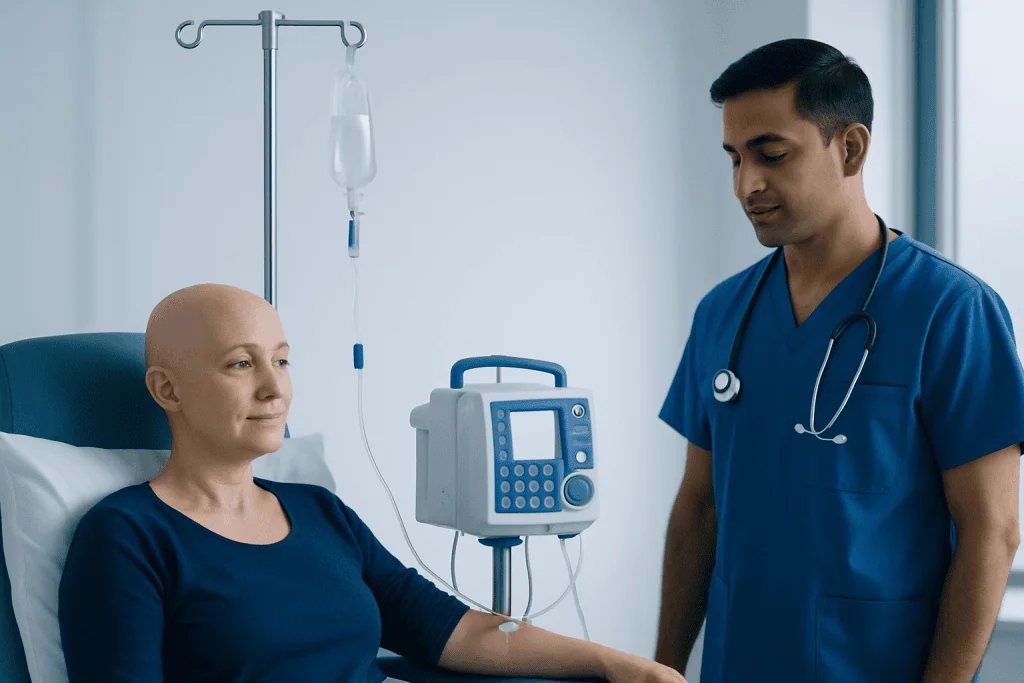
Chemotherapy is a group of medicines that kill cancer cells, slow their growth or prevent them from dividing. It may be used before surgery to shrink a tumor, after surgery to reduce the chance of cancer returning, alongside radiotherapy, or as treatment for cancer that has spread. It may be given into a vein, by injection, as tablets or capsules, or by other routes depending on the medicine.
Cancer cells tend to divide more often than most normal cells, making them a useful target for chemotherapy. However, healthy tissues with fast cell turnover can also be affected. Reduced bone marrow activity may lower infection-fighting white blood cells, red blood cells that carry oxygen, or platelets that help blood clot. Effects on the gut lining can contribute to nausea, vomiting, diarrhea, constipation or mouth sores.
Chemotherapy is not one single procedure. A treatment plan is individualized according to the cancer type and stage, pathology findings, previous treatments, other health conditions and personal goals. Some people receive chemotherapy alone, while others receive it as part of a combined cancer treatment plan.
What side effects may occur?
Common chemotherapy side effects include tiredness, nausea or vomiting, appetite and taste changes, hair thinning or hair loss, mouth soreness, constipation, diarrhea and changes in skin or nails. Blood count changes may cause anemia-related tiredness or breathlessness, easy bruising or bleeding, and a higher risk of infection. Many modern anti-nausea medicines and supportive treatments can make treatment more tolerable.
Some medicines can cause more specific effects, such as numbness, tingling or pain in the hands and feet (peripheral neuropathy); kidney, heart or lung effects; hearing changes; or menstrual and fertility changes. The team will explain side effects that are particularly relevant to the prescribed regimen and may arrange monitoring tests before and during treatment.
- Fatigue: often builds over treatment and may not improve fully with one night of sleep.
- Infection risk: may rise when white blood cell levels are low, sometimes without obvious early symptoms.
- Digestive symptoms: may include nausea, reflux, constipation, diarrhea or dehydration.
- Emotional effects: worry, low mood, sleep disruption and changes in body image are also important and deserve support.
Hair loss is not caused by all chemotherapy drugs. When it occurs, it usually begins a few weeks after treatment starts and often grows back after chemotherapy, although its texture or color may initially be different.
What is the hardest day after chemo?
There is no single hardest day after chemotherapy because the pattern depends on the medicines, treatment schedule and the individual. For some people, nausea, drowsiness or steroid-related sleep changes are most noticeable on treatment day and during the following two or three days. For others, fatigue, bowel symptoms or appetite changes are more troublesome later in the first week.
White blood cell counts often reach their lowest point, called the nadir, around 7 to 14 days after certain chemotherapy regimens, although timing varies. This is why infection precautions and scheduled blood tests are important. The oncology team can explain the expected timing for the specific treatment plan.
Keeping a brief daily note of temperature, symptoms, fluids, food intake, bowel habits and medicines can reveal a pattern across cycles. It also helps the team adjust anti-sickness medicine, bowel treatments, pain control or other supportive care before the next cycle.
What is the 7 day rule in chemotherapy?
The phrase “7 day rule” is not a universal chemotherapy rule. It is sometimes used informally to describe the period after treatment when particular side effects may emerge, or to remind patients that blood counts can start falling during the first week. The exact timing differs substantially among chemotherapy medicines and schedules.
For many regimens, infection-fighting neutrophil levels are lowest about 7 to 14 days after treatment. A person should follow the specific instructions provided by their oncology unit rather than rely on a general calendar rule. Blood test results, symptoms and the planned date of the next cycle guide whether treatment can proceed as scheduled.
If a patient develops a fever, chills, feels suddenly unwell or has other concerning symptoms at any point in the cycle, they should contact their oncology team urgently. They should not wait until a particular day after chemotherapy to ask for advice.
What can you do to lessen chemo side effects?
Supportive care starts before chemotherapy. The team may prescribe anti-nausea medicines, treatments to reduce specific risks, or medicines that support blood cell production in selected circumstances. Taking prescribed medicines exactly as directed, including preventive medicines on days when symptoms are absent, may offer better control than waiting for symptoms to become severe.
Regular small meals, adequate fluids and gentle activity when possible can support energy and recovery. Bland or cool foods may be easier when nausea or mouth soreness is present, while a dietitian can help when appetite, swallowing or weight changes become difficult. Good mouth care with a soft toothbrush and mild rinses may reduce discomfort, but alcohol-based mouthwashes should be avoided if they irritate the mouth.
Rest periods should be balanced with light movement, such as short walks or stretching, if approved by the clinical team. Patients may benefit from planning important activities for days when their energy is usually better, accepting practical help and discussing sleep problems, anxiety or low mood openly with the care team.
Do not start over-the-counter medicines, herbal products, high-dose vitamins or supplements without oncology advice. Some can interact with chemotherapy, affect bleeding risk or make side effects harder to assess. Nutrition, symptom-control and rehabilitation support can be coordinated alongside chemotherapy treatment when needed.
What should I avoid doing while on chemotherapy?
During chemotherapy, patients should avoid exposure to infections where possible. This includes close contact with people who are ill and crowded indoor settings when blood counts are low, if the oncology team advises these precautions. Hand hygiene, food safety and prompt attention to cuts, dental problems or new symptoms are practical safeguards.
Raw or undercooked meat, eggs, seafood and unpasteurized foods may carry a higher infection risk, particularly during periods of low white blood cell counts. Food guidance can vary according to local standards and the person’s immune status, so the oncology team or dietitian should provide individualized advice. Alcohol may worsen dehydration, mouth irritation, nausea or liver strain and should be discussed with the treating clinician.
Patients should avoid smoking and should not receive vaccinations, dental procedures, surgery or invasive cosmetic treatments without first checking with their oncology team. Live vaccines may not be suitable for people with weakened immunity, while other vaccines may need careful timing. Pregnancy should be avoided during many chemotherapy treatments because some medicines can harm a developing fetus; contraception and fertility concerns should be discussed before treatment starts.
When to seek medical care
A person receiving chemotherapy should use the emergency contact number provided by their cancer center for urgent concerns. Fever may be the only early sign of a serious infection when white blood cell counts are low. The oncology team will provide the temperature threshold that requires immediate contact; many centers advise urgent assessment for a temperature of 38°C (100.4°F) or higher, but individual instructions take priority.
Urgent medical advice is also needed for chills or shaking, new confusion, severe weakness, shortness of breath, chest pain, uncontrolled vomiting, inability to keep fluids down, severe diarrhea, bleeding that does not stop, black stools, a painful or swollen arm near an infusion line, or sudden worsening pain. It is safer to contact the team early rather than wait for a routine appointment.
Acibadem International’s multidisciplinary specialists and JCI-accredited hospitals support international patients who need diagnosis and treatment planning for cancer, including management of chemotherapy-related concerns. Patients should continue to work closely with their own oncology team, who can make decisions based on their medicines, blood results and full medical history.
Frequently asked questions
Do chemotherapy side effects get worse with each cycle?
Some side effects, particularly fatigue, low blood counts and nerve symptoms, can build up over repeated cycles. Others may remain mild or vary from one cycle to the next. The oncology team reviews symptoms before each treatment and can provide supportive care or modify treatment when medically appropriate.
How long do chemotherapy side effects last?
Many short-term effects improve in the days or weeks after a cycle and resolve after treatment ends. Hair regrowth often begins after chemotherapy, while fatigue may take weeks or months to improve. Some effects, including neuropathy or fertility changes, may persist and should be discussed with the oncology team.
Can chemotherapy side effects be prevented?
Not all side effects can be prevented, but many can be reduced. Anti-nausea medicines, monitoring blood counts, infection precautions, nutrition support and early treatment of symptoms are important parts of cancer care. The best preventive plan depends on the specific chemotherapy regimen.
Is it safe to exercise during chemotherapy?
Gentle, regular movement is safe and helpful for many people during chemotherapy, especially for fatigue, strength and mood. The amount and type of activity should be adjusted for energy levels, blood counts, balance, pain and other medical conditions. Patients should ask their care team before starting a new exercise program.
Should a person eat before chemotherapy?
Many people feel better if they have a light, balanced meal and drink fluids before treatment, unless the care team gives different instructions. Heavy, greasy or strongly scented foods may worsen nausea for some individuals. A dietitian can offer practical guidance for appetite loss, taste changes or weight concerns.
Can chemotherapy cause permanent nerve damage?
Some chemotherapy medicines can cause peripheral neuropathy, leading to numbness, tingling, burning sensations or difficulty with balance and fine movements. Symptoms may improve after treatment, but they can sometimes persist. New or worsening nerve symptoms should be reported early so the oncology team can assess them.
References
- National Cancer Institute
- American Cancer Society
- Centers for Disease Control and Prevention
- European Society for Medical Oncology
- Macmillan Cancer Support
This article is for general information only and is not a substitute for professional medical advice. Please consult a qualified doctor about your individual situation.
Chemotherapy in Turkey — costs, top hospitals & a free quote
JCI-accredited · board-certified surgeons · reply within 24h
Add us as a Preferred Source to see more of our trusted health content across Google Search, AI Overviews and Discover.

Medical Oncology Department
Medical treatment of cancer with chemotherapy, immunotherapy and targeted therapies under a multidisciplinary tumor board.
60 specialists in this unit