Urge Incontinence Treatment: How It Works, Results and What to Expect

Urge incontinence involves sudden, difficult-to-control urges to urinate followed by leakage. Bladder training and pelvic floor muscle therapy are often first-line treatments.
Key Takeaways
- Urge incontinence involves sudden, difficult-to-control urges to urinate followed by leakage.
- Bladder training and pelvic floor muscle therapy are often first-line treatments.
- Medicines can relax the bladder but may cause side effects and need follow-up.
- Botulinum toxin injections and neuromodulation can help when conservative treatment is not enough.
- New or worsening symptoms should be assessed to rule out infection, obstruction or neurological causes.
Urge incontinence treatment is individualized and usually begins with bladder training, lifestyle changes and pelvic floor rehabilitation. If symptoms continue, medicines, bladder Botox, nerve stimulation or surgery may help reduce urgency and leakage.
Overview: how urge incontinence treatment works
Urge incontinence treatment aims to reduce sudden, powerful urges to urinate and prevent urine leakage before a person reaches the toilet. It usually starts with non-surgical care, including bladder training, fluid and dietary adjustments, and pelvic floor muscle rehabilitation. These approaches can improve bladder control without medication or procedures for many people.
If symptoms remain disruptive, a clinician may recommend medication that changes bladder muscle signaling, injections of botulinum toxin into the bladder muscle, or neuromodulation procedures that adjust the nerve signals involved in bladder control. The most suitable plan depends on symptom severity, overall health, medicines already being taken, bladder-emptying ability and personal treatment preferences.
Urge incontinence is commonly part of overactive bladder, a condition in which the bladder contracts or signals urgency at inappropriate times. Treatment should follow an assessment because urinary symptoms can also occur with urinary infection, bladder stones, pelvic organ prolapse, enlarged prostate, diabetes or neurological conditions.
Symptoms, causes and risk factors
The defining symptom is a sudden need to urinate that is difficult to postpone. Leakage may occur on the way to the toilet, and some people also urinate frequently during the day or wake repeatedly at night to pass urine. The amount of leakage can vary from a few drops to a larger loss of urine.
The most common cause of urge incontinence is overactive bladder. In many cases, there is no single identifiable cause; the bladder muscle and nerves may become more sensitive, causing urgency even when the bladder is not full. Aging can increase the likelihood of symptoms, but urge incontinence is not an inevitable part of aging.
Risk factors and contributing conditions include urinary tract infection, constipation, excess body weight, caffeine or alcohol intake, certain medications, menopause-related tissue changes, prostate conditions, diabetes, stroke, Parkinson’s disease, multiple sclerosis and other disorders that affect nerves. Some people have mixed incontinence, meaning that they leak with urgency and also with coughing, laughing, exercise or lifting.
- Keeping a bladder diary can identify patterns in fluid intake, urgency, leakage and toileting.
- A clinician may review medicines, as some can increase urine production or affect bladder control.
- Treatable triggers, such as infection or constipation, should be addressed before long-term treatment decisions are made.
What is the most successful treatment for urge incontinence?
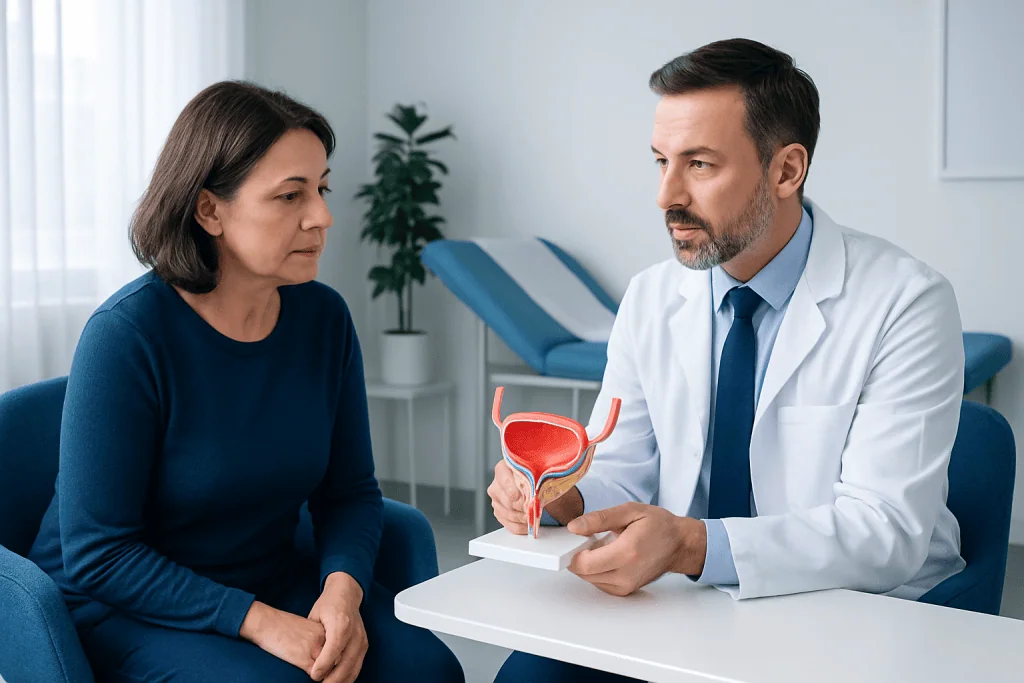
There is no single treatment that is most successful for every person with urge incontinence. The best results often come from a stepwise plan that combines bladder training and pelvic floor muscle therapy with treatment for contributing factors. This approach helps a person build practical control strategies while reducing avoidable bladder irritation.
For persistent, bothersome symptoms, medicines, botulinum toxin injections and neuromodulation can each be effective. The appropriate option depends on how well earlier treatment worked, possible side effects, the ability to empty the bladder, and whether a person prefers a daily medicine, an office procedure or an implanted device.
Clinicians usually measure success by meaningful improvement rather than a promise of complete cure. Useful outcomes include fewer urgency episodes, fewer leaks, longer time between toilet visits, better sleep and greater confidence in work, travel and social activities. Follow-up allows the plan to be adjusted as symptoms and health needs change.
First-line care: bladder training and natural self-care
Bladder training is a structured method of gradually increasing the time between toilet visits. A person may begin by following a planned schedule, then slowly extend the interval with guidance from a clinician or continence specialist. When urgency occurs, strategies such as pausing, sitting if possible, taking slow breaths and doing quick pelvic floor muscle contractions may help the urge settle before walking to the toilet.
Pelvic floor muscle training strengthens and improves coordination of the muscles that support the bladder and urethra. A pelvic health physiotherapist can confirm that the correct muscles are being used and tailor a program. This is important because pushing or straining incorrectly may worsen symptoms for some people.
Daily habits can support treatment. People may benefit from spreading fluid intake throughout the day rather than sharply restricting fluids, reducing caffeine or alcohol if these trigger urgency, managing constipation, stopping smoking and working toward a weight that supports overall health. Absorbent products can provide confidence during treatment, but they do not address the underlying bladder symptoms.
How to stop urge incontinence naturally?
Natural approaches cannot always stop urge incontinence completely, but they can significantly reduce symptoms for some people. The strongest non-drug evidence supports bladder training, regular pelvic floor muscle exercises and identifying individual bladder irritants. These strategies are safe starting points for most people when used with clinical advice.
A bladder diary kept for several days can show whether coffee, tea, energy drinks, alcohol, carbonated beverages, large fluid volumes at one time or constipation seem linked to urgency. Rather than becoming dehydrated, a person should make gradual, practical changes and discuss appropriate fluid intake with a clinician, especially if they have heart or kidney disease.
Maintaining regular bowel habits, staying physically active within personal ability and avoiding smoking may also support bladder health. Herbal products and supplements are sometimes promoted for bladder control, but their effectiveness and safety are not established for everyone. A qualified clinician or pharmacist can help check for interactions with prescribed medicines.
Medicines and procedures: what to expect
Medication may be considered when first-line measures do not provide enough relief. Antimuscarinic medicines reduce involuntary bladder contractions, while beta-3 agonists relax the bladder muscle through a different pathway. The choice is individualized because possible side effects may include dry mouth, constipation, blurred vision, raised blood pressure or difficulty emptying the bladder, depending on the medicine used.
Botulinum toxin injected into the bladder wall can relax an overactive bladder for several months. It is usually performed through a thin viewing instrument passed through the urethra, often with local anesthesia or sedation. Improvement may develop over days to weeks, and repeat treatment can be considered when the effect wears off. A small number of people may temporarily have difficulty emptying the bladder and need to learn intermittent self-catheterization.
Neuromodulation changes nerve communication between the bladder and the nervous system. Percutaneous tibial nerve stimulation involves a series of outpatient sessions using a small needle near the ankle. Sacral neuromodulation involves a test phase followed, for suitable candidates, by implantation of a small device that stimulates sacral nerves. These options are generally considered after conservative care and, in many cases, medication have not provided adequate symptom control.
Surgery is uncommon for urge incontinence and is reserved for selected people with severe symptoms that do not respond to other options. A urologist or urogynecologist can explain the expected benefits, limitations and risks of each treatment based on an individual evaluation.
What is the newest treatment for bladder incontinence?
Newer approaches to bladder incontinence include advanced forms of neuromodulation, such as rechargeable or longer-lasting implantable sacral nerve stimulation systems, as well as refinements in tibial nerve stimulation. These treatments are designed to modulate the nerve pathways that influence bladder storage and emptying rather than directly altering the bladder muscle.
Botulinum toxin injections and beta-3 agonist medicines are also relatively modern options that have expanded treatment choices for overactive bladder. They are not necessarily the right first treatment for every person; selection should be based on symptoms, health conditions, medication risks and the person’s ability to attend follow-up appointments.
Research continues into less invasive nerve stimulation methods, digital support for bladder training and more individualized medication strategies. A clinician can discuss which established therapies are available and appropriate, rather than relying on whether an option is described as “new.”
When to seek medical care
A person should arrange a medical assessment for new, persistent or worsening urgency and leakage, particularly when symptoms affect sleep, work, relationships or daily confidence. A clinician may ask about fluid intake, medications, bowel habits, pregnancies, pelvic surgery, neurological symptoms and medical history. Testing may include a urine test, bladder diary, physical examination and measurement of urine left in the bladder after urinating.
Prompt medical care is important if urinary symptoms occur with fever, burning pain while urinating, blood in the urine, severe pelvic or back pain, inability to urinate, new leg weakness, numbness around the groin, or sudden loss of bowel control. These symptoms may indicate a problem that needs timely evaluation.
Acibadem International’s multidisciplinary specialists and JCI-accredited hospitals assess and treat urinary conditions for international patients, coordinating urology, pelvic health rehabilitation and other relevant care when needed. A personalized consultation can help distinguish urge incontinence from other causes of urinary leakage and guide treatment choices.
Frequently asked questions
Can urge incontinence be cured?
Some people achieve major improvement or complete resolution, particularly when a reversible trigger such as urinary infection, constipation or a medication effect is treated. For others, urge incontinence is a long-term condition that can be managed effectively with a tailored combination of lifestyle measures, therapy, medicines or procedures.
How long does bladder training take to work?
Bladder training usually requires consistent practice over several weeks before changes become clear. Progress is gradual, and a bladder diary can help show improvements in the time between toilet visits and the number of urgency or leakage episodes.
Are pelvic floor exercises helpful for urge incontinence?
Yes. Pelvic floor muscle training can help a person suppress urgency and improve urethral support and control. Assessment by a pelvic health physiotherapist can ensure the exercises are performed correctly and are appropriate for the individual.
Can Botox for the bladder cause urinary retention?
Yes, temporary difficulty emptying the bladder is a known risk after bladder botulinum toxin injections. Before treatment, clinicians discuss this possibility and may assess bladder emptying; some patients may need temporary intermittent self-catheterization.
What foods and drinks can worsen urge incontinence?
Caffeine, alcohol, carbonated drinks and some acidic or spicy foods can worsen urgency for certain people, although triggers vary. Keeping a bladder diary can identify personal patterns and support gradual, sustainable changes rather than unnecessary dietary restriction.
Is urge incontinence the same as stress incontinence?
No. Urge incontinence follows a sudden, intense need to urinate, while stress incontinence occurs with pressure on the bladder during coughing, laughing, lifting or exercise. Some people have mixed incontinence, which includes features of both types.
References
- National Institute of Diabetes and Digestive and Kidney Diseases
- American Urological Association
- International Continence Society
- National Health Service
- Mayo Clinic
This article is for general information only and is not a substitute for professional medical advice. Please consult a qualified doctor about your individual situation.
Explore treatments in Turkey — costs, top hospitals & a free quote
JCI-accredited · board-certified surgeons · reply within 24h
Add us as a Preferred Source to see more of our trusted health content across Google Search, AI Overviews and Discover.

More from the Health Library



Related Specialists

Dr. Nuri Soysal
Aesthetic Plastic & Reconstructive Surgery
Assoc. Prof. Dr. Kemal Öncü
Gastroenterology
Fzt. Ceren Kandemir Gençsoylu
Physical Medicine & Rehabilitation
Dr. Ahmet Arif Ağlar
Cardiovascular Surgery