Testosterone Therapy for Low Libido: How It Works, Results and What to Expect

Testosterone therapy may improve libido when low testosterone is confirmed through appropriate blood testing and clinical assessment. Changes in sexual desire are often gradual, commonly becoming noticeable over several weeks rather than immediately.
Key Takeaways
- Testosterone therapy may improve libido when low testosterone is confirmed through appropriate blood testing and clinical assessment.
- Changes in sexual desire are often gradual, commonly becoming noticeable over several weeks rather than immediately.
- Treatment is available in several forms, including injections, gels, patches and longer-acting preparations; the best option depends on individual needs.
- Testosterone therapy needs regular monitoring because it can affect red blood cell levels, fertility, prostate-related symptoms and other aspects of health.
- Low libido can also be related to stress, depression, medication effects, sleep problems, relationship concerns and medical conditions, so a broader evaluation is important.
Testosterone therapy for low libido can improve sexual desire in some people with symptoms and repeatedly confirmed low testosterone levels. It is not a general libido enhancer, and safe treatment begins with identifying whether hormone deficiency—or another physical, emotional or relationship factor—is contributing.
Overview: testosterone therapy for low libido
Testosterone therapy for low libido may help when reduced sexual desire is linked to medically confirmed testosterone deficiency, often called hypogonadism. Testosterone is a hormone involved in sexual desire, erectile function, energy, muscle and bone health, mood, and red blood cell production. Treatment can restore hormone levels toward a typical range, but it is prescribed only after a clinician evaluates symptoms, medical history and repeated laboratory results.
Low libido is common and does not always mean testosterone is low. Sleep loss, chronic illness, depression or anxiety, alcohol or substance use, relationship difficulties, certain medicines, and sexual concerns such as erectile dysfunction can all affect desire. A careful assessment helps ensure that treatment addresses the underlying cause rather than only one possible contributor.
Testosterone therapy is used most often for adult men with consistent symptoms and clearly low morning testosterone measurements. It is not recommended simply to improve performance, build muscle, slow aging, or treat a single low laboratory result without symptoms. People using testosterone should have an individualized monitoring plan with a qualified clinician.
How testosterone works and whether it helps low libido
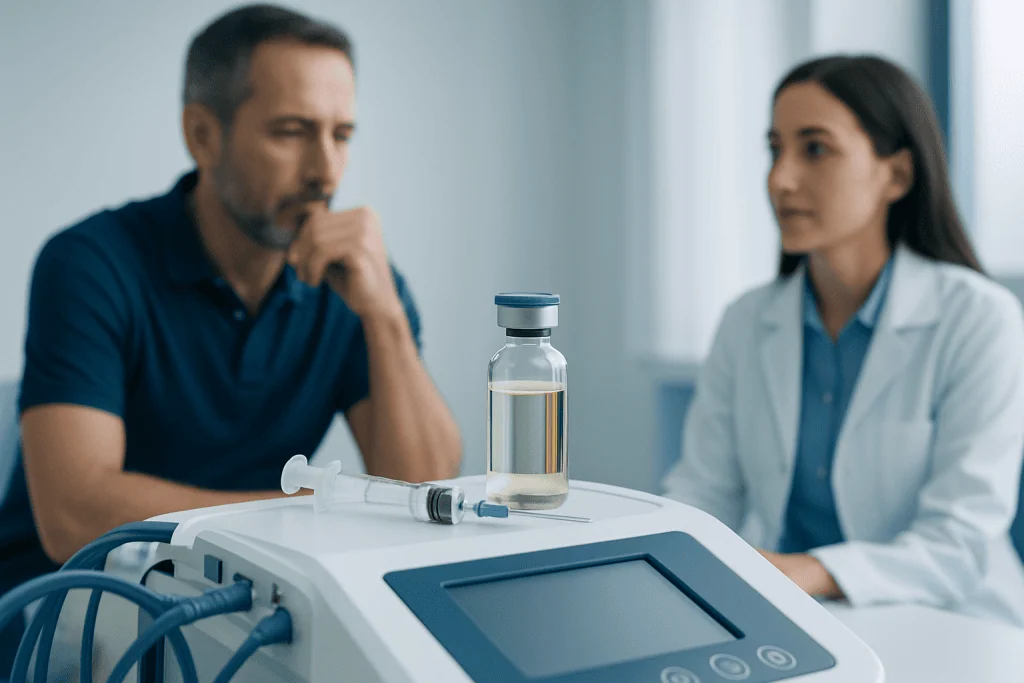
Testosterone circulates in the bloodstream and acts on tissues throughout the body, including areas of the brain involved in sexual motivation. When levels are genuinely low, restoring them may reduce symptoms such as diminished sexual thoughts, fewer spontaneous erections, lower energy, and reduced sense of well-being. The degree of benefit varies from person to person.
Does taking testosterone help with low libido? It can, particularly for men whose low desire is caused partly or mainly by testosterone deficiency. Clinical guidance supports testosterone replacement for symptomatic hypogonadism after confirmation with repeat testing. However, testosterone is less likely to resolve low libido that is primarily related to stress, relationship strain, depression, pain, medication side effects, or another untreated health issue.
Sexual desire and erections are related but not identical. Testosterone treatment may improve desire without fully correcting erectile dysfunction, which can involve blood vessel health, diabetes, nerve function, medication effects, or psychological factors. When appropriate, clinicians may assess these concerns together and discuss options such as erectile dysfunction treatment.
What are the first signs of testosterone working? Some people first notice improved energy, mood, motivation, or sexual thoughts. Others notice fewer symptoms only after laboratory levels have been adjusted. Changes are usually gradual, so daily fluctuations in libido are not a reliable way to judge whether treatment is effective.
Who may be a candidate for treatment

A clinician usually considers testosterone therapy when a person has compatible symptoms and low testosterone confirmed on at least two separate early-morning blood tests. Testosterone levels naturally vary during the day and may temporarily fall during acute illness, poor sleep, significant calorie restriction, or heavy alcohol use. Repeat testing helps avoid an inaccurate diagnosis.
The evaluation may include total testosterone and, when needed, free testosterone or sex hormone-binding globulin. Additional tests may help identify the cause, such as luteinizing hormone, follicle-stimulating hormone, prolactin, thyroid testing, blood count, glucose assessment, and iron studies. The clinician may also review current medicines, sleep quality, fertility goals and symptoms that could suggest other hormonal conditions.
Testosterone therapy is generally avoided or deferred in people trying to conceive, because external testosterone can suppress sperm production. It also requires particular caution in people with elevated red blood cell counts, untreated severe obstructive sleep apnea, certain prostate or breast cancers, uncontrolled heart failure, or a recent major cardiovascular event. Individual risks should be reviewed rather than assumed.
Low testosterone can sometimes be associated with conditions affecting the pituitary gland, testes, metabolism or long-term health. Finding and treating a contributing condition may be as important as replacing testosterone. Related symptoms should be discussed with an endocrinologist or urologist when appropriate.
The treatment process: assessment, options and first steps
Testosterone therapy begins with a consultation, physical examination and review of laboratory results. The clinician discusses expected benefits, limitations, fertility plans, potential adverse effects and the practical differences between treatment forms. Baseline measurements commonly include testosterone, a complete blood count, and other tests selected according to age, health history and local clinical guidance.
Common forms include injections, skin gels, patches, nasal preparations, pellets placed under the skin, and oral capsules in some settings. Injections are given at a prescribed interval, while gels and patches are used more frequently. Gels can transfer to another person through close skin contact if instructions are not followed, so careful handwashing, covering the application area, and avoiding transfer are important.
For injections, a healthcare professional may administer the first dose or teach suitable patients how to inject safely at home. The usual process involves confirming the medicine and dose, preparing the skin, administering the injection into the recommended muscle or under-skin site, and safely disposing of equipment. Follow-up blood tests help the clinician adjust treatment to achieve appropriate levels while avoiding unnecessarily high exposure.
Will I feel anything after my first testosterone injection? Most people do not feel an immediate, dramatic change. Some may notice temporary injection-site soreness or no change at all. Hormone levels may rise after an injection, but meaningful changes in libido and other symptoms generally develop over weeks, and response should be assessed through follow-up rather than a single dose.
Expected results and recovery timeline
There is no recovery period in the usual sense after starting testosterone therapy. Most people can continue normal daily activities after an injection or application, although minor local soreness, redness or skin irritation can occur depending on the formulation. New or concerning symptoms should be reported to the prescribing clinician.
Response timing differs by treatment form, dose, baseline hormone level and other health factors. Some people report early changes in well-being or sexual interest within several weeks. Improvements in body composition, anemia or bone-related effects take longer and may require months. A clinician will assess both symptoms and laboratory values because feeling better alone does not confirm that treatment is optimally dosed or fully safe.
Not everyone experiences a substantial libido improvement. If sexual desire remains low after testosterone levels have been appropriately restored, clinicians may look again for contributing factors such as sleep apnea, depression, anxiety, diabetes, cardiovascular disease, chronic pain, medication side effects, alcohol use or relationship concerns. This does not mean symptoms are not real; it means several factors may need attention.
Regular review is essential. Follow-up may be scheduled after treatment begins and periodically thereafter to discuss symptoms, adherence, side effects, blood results and whether continued therapy remains appropriate. Therapy should not be stopped, restarted or dose-adjusted without medical guidance.
Benefits, risks and monitoring
Potential benefits of testosterone therapy for confirmed deficiency include improved sexual desire, better sexual function for some people, increased energy, improved mood in selected cases, maintenance of bone density, and correction of testosterone-related anemia. Benefits are not guaranteed, and the treatment goal is symptom relief and healthy hormone replacement—not supraphysiologic testosterone levels.
Is there a downside to testosterone therapy? Yes. Possible effects include acne or oily skin, fluid retention, breast tenderness or enlargement, worsening of urinary symptoms in some people, testicular shrinkage, and reduced sperm production. Testosterone can raise the red blood cell count, which may increase health risks if it becomes too high and is one reason blood monitoring is necessary.
Other considerations include possible worsening of untreated sleep apnea and the need to evaluate prostate-related symptoms appropriately. The relationship between testosterone therapy and cardiovascular risk is complex and can depend on a person’s baseline health; a clinician should discuss individual cardiovascular history and monitor treatment accordingly. People should promptly report chest pain, shortness of breath, one-sided weakness, severe headache, leg swelling, or unusual symptoms that occur during treatment.
Monitoring commonly includes testosterone levels, complete blood count, symptom review and assessments tailored to the person’s age and risk factors. Fertility should be discussed before treatment starts. For men who want future biological children, a specialist may discuss alternatives that support testosterone production without the same degree of sperm suppression.
Supporting libido beyond hormone treatment
Even when testosterone is low, sexual wellbeing is broader than a hormone result. Regular physical activity, adequate sleep, a nutritious eating pattern, limiting excess alcohol, avoiding tobacco, and managing chronic conditions can support energy, circulation and sexual health. Addressing obstructive sleep apnea can be particularly important, as disrupted sleep may affect both testosterone levels and libido.
Emotional health matters as well. Depression, anxiety, grief, body image concerns and stress can reduce desire, while relationship communication and intimacy concerns may influence how low libido is experienced. Counseling, sex therapy or couples therapy may be helpful for some people, either alongside hormone treatment or instead of it.
Medication review is another practical step. Some antidepressants, opioid pain medicines, blood pressure medicines and other drugs can affect sexual desire or function. A person should not stop prescribed medicine independently, but may ask their clinician whether an alternative, dose adjustment or supportive approach is suitable.
At Acibadem International, multidisciplinary endocrinology, urology and sexual health specialists at JCI-accredited hospitals can assess low libido and testosterone deficiency for international patients, with care plans based on individual health needs.
When to seek medical care
Medical assessment is appropriate when reduced sexual desire persists, causes distress, occurs with erectile difficulties, fatigue, depressed mood, loss of body hair, reduced muscle strength, breast changes, infertility concerns, or other symptoms of hormonal change. A doctor can help distinguish low testosterone from other common and treatable causes.
People should seek prompt medical care for sudden testicular pain or swelling, severe headache with vision changes, new neurological symptoms, chest pain, severe shortness of breath, or signs of a serious allergic reaction after a medicine. These symptoms may have causes unrelated to testosterone therapy but should not be ignored.
Anyone already receiving testosterone should contact their clinician if they develop troublesome acne, swelling, persistent injection-site reactions, new urinary symptoms, worsening snoring or daytime sleepiness, mood changes, or concerns about fertility. Routine follow-up is safer than waiting for symptoms to become significant.
For a new concern about low libido, the best first step is a non-urgent appointment with a qualified primary care clinician, endocrinologist or urologist. Testing and treatment decisions should be based on the whole clinical picture, not online symptoms or over-the-counter hormone products.
Frequently asked questions
What are the first signs of testosterone working?
Early changes can include improved sexual thoughts, libido, energy or general well-being, but experiences vary. These effects usually develop over weeks rather than immediately. Follow-up testing and clinician review are needed to determine whether treatment is working safely.
Does taking testosterone help with low libido?
Testosterone may improve low libido when a person has symptoms of hypogonadism and repeatedly confirmed low testosterone levels. It is not equally effective for every cause of reduced desire. Sleep, mental health, relationships, medications and medical conditions may also need evaluation and treatment.
Is there a downside to testosterone therapy?
Testosterone therapy can cause side effects, including acne, fluid retention, increased red blood cell levels and reduced sperm production. It may be unsuitable for some people, including those planning fertility or those with certain health conditions. Regular blood tests and medical follow-up reduce risk and help guide treatment.
Will I feel anything after my first testosterone injection?
Most people do not experience a major immediate change after their first injection. Mild soreness at the injection site is possible, while changes in libido or energy tend to appear gradually over several weeks. The treatment response should be reviewed over time rather than judged after one dose.
How is low testosterone diagnosed?
Diagnosis is based on symptoms together with consistently low testosterone levels on repeat early-morning blood tests. A clinician may order further hormone and general health tests to identify the reason testosterone is low. One isolated low result is usually not enough to confirm hypogonadism.
Can testosterone therapy affect fertility?
Yes. External testosterone can reduce the body's sperm production and may significantly affect fertility. Anyone who wishes to have biological children now or in the future should discuss this before starting therapy. A fertility-focused specialist can explain alternatives and preservation options where appropriate.
References
- Endocrine Society
- American Urological Association
- U.S. Food and Drug Administration
- National Institute of Diabetes and Digestive and Kidney Diseases
- Mayo Clinic
This article is for general information only and is not a substitute for professional medical advice. Please consult a qualified doctor about your individual situation.
Explore treatments in Turkey — costs, top hospitals & a free quote
JCI-accredited · board-certified surgeons · reply within 24h
Add us as a Preferred Source to see more of our trusted health content across Google Search, AI Overviews and Discover.
Check your numbers in seconds
BMI, calories, due date, blood pressure and 30+ more clinical calculators — free, instant, doctor-reviewed ranges.

More from the Health Library



Related Specialists

Prof. Dr. Emine Nur Tozan
Treatment of Pain Algology
Dr. Ersen Hürmüzlü
Infectious Diseases & Clinical Microbiology
Dr. İskender Dik
Internal Medicine
Prof. Dr. Cem Fiçicioğlu
Gynecology & Obstetrics