Thyroid Problem and Treatment: How It Works, Results and What to Expect

Thyroid disorders may affect energy, heart rate, temperature tolerance, weight, bowel habits, mood and menstrual patterns. Blood tests, especially TSH and free thyroid hormone tests, are central to checking thyroid function.
Key Takeaways
- Thyroid disorders may affect energy, heart rate, temperature tolerance, weight, bowel habits, mood and menstrual patterns.
- Blood tests, especially TSH and free thyroid hormone tests, are central to checking thyroid function.
- Treatment is individualized and may include hormone replacement, medicines that reduce hormone production, radioactive iodine, surgery or observation.
- Symptoms may improve within weeks, but stabilizing thyroid hormone levels often takes longer and requires follow-up testing.
- A neck lump, trouble swallowing, severe palpitations, chest pain or sudden severe symptoms should be assessed promptly.
Thyroid problem and treatment begin with identifying whether the thyroid is making too little hormone, too much hormone, or has a structural change such as a nodule or goitre. Most thyroid conditions can be managed effectively with monitoring, medication, and, for selected people, radioactive iodine or surgery.
Overview: how thyroid problem and treatment work
A thyroid problem occurs when the butterfly-shaped thyroid gland at the front of the neck produces too much or too little thyroid hormone, becomes enlarged, or develops nodules. Thyroid problem and treatment depend on the underlying cause: an underactive thyroid is usually treated with hormone replacement, while an overactive thyroid may be managed with medication, radioactive iodine treatment, surgery, or a combination of approaches.
Thyroid hormones help regulate metabolism, which influences energy use, body temperature, heart rate, digestion, muscle function and many other processes. Common thyroid conditions include hypothyroidism, hyperthyroidism, autoimmune thyroid disease, goitre and thyroid nodules. Some nodules do not affect hormone production and only need assessment or follow-up.
A treatment plan is based on symptoms, blood test results, imaging findings, age, pregnancy plans, other health conditions and personal preferences. Regular monitoring is important because thyroid hormone needs and disease activity can change over time.
Symptoms and signs of thyroid problems
Symptoms vary according to whether thyroid hormone levels are low or high. Hypothyroidism may cause tiredness, feeling cold, constipation, dry skin, hair thinning, slowed thinking, low mood, muscle aches, weight change and heavy or irregular menstrual periods. These symptoms are common in many conditions, so they do not confirm a thyroid diagnosis on their own.
Hyperthyroidism may cause a fast or irregular heartbeat, tremor, sweating, heat intolerance, anxiety, sleep difficulty, frequent bowel movements, unintentional weight loss, muscle weakness and lighter or irregular periods. Some people notice swelling in the neck, eye irritation or eye prominence, particularly with Graves’ disease.
Thyroid nodules and goitre may produce no symptoms. However, a growing neck lump, pressure in the neck, hoarseness, swallowing difficulty or breathing difficulty needs medical assessment. Most thyroid nodules are not cancerous, but evaluation helps determine whether further tests are required.
What are the worst symptoms of thyroid?
The most concerning symptoms are not necessarily the most common. Urgent assessment is needed for chest pain, fainting, severe shortness of breath, a very fast or irregular heartbeat, confusion, high fever with marked agitation, or severe weakness. A rapidly enlarging neck swelling, new persistent hoarseness, or difficulty breathing or swallowing also warrants prompt medical care.
Causes, risk factors and candidacy for treatment

Autoimmune disease is a leading cause of thyroid dysfunction. Hashimoto’s thyroiditis commonly causes hypothyroidism, while Graves’ disease commonly causes hyperthyroidism. Other causes include thyroid inflammation after pregnancy or viral illness, iodine imbalance, certain medicines, previous neck radiation, thyroid surgery and disorders of the pituitary gland.
Thyroid disease is more common in women and in people with a personal or family history of autoimmune conditions. Risk may also be higher after pregnancy, with increasing age, or in people who have received radiation therapy to the head or neck. Nevertheless, anyone can develop a thyroid condition.
Not every person with an abnormal test result requires the same treatment. For example, mild subclinical hypothyroidism may sometimes be monitored, while clearly low thyroid hormone levels are more likely to require replacement therapy. For hyperthyroidism, candidacy for medicines, radioactive iodine or surgery is assessed individually, including pregnancy status, eye disease, nodule characteristics and the size of the gland.
How to tell if the thyroid is working properly?
The most reliable way to tell whether the thyroid is working properly is through a clinical assessment and blood tests. The thyroid-stimulating hormone (TSH) test is usually the starting point. Depending on the result, a clinician may measure free thyroxine (free T4), triiodothyronine (T3), thyroid antibodies or other tests to clarify the cause.
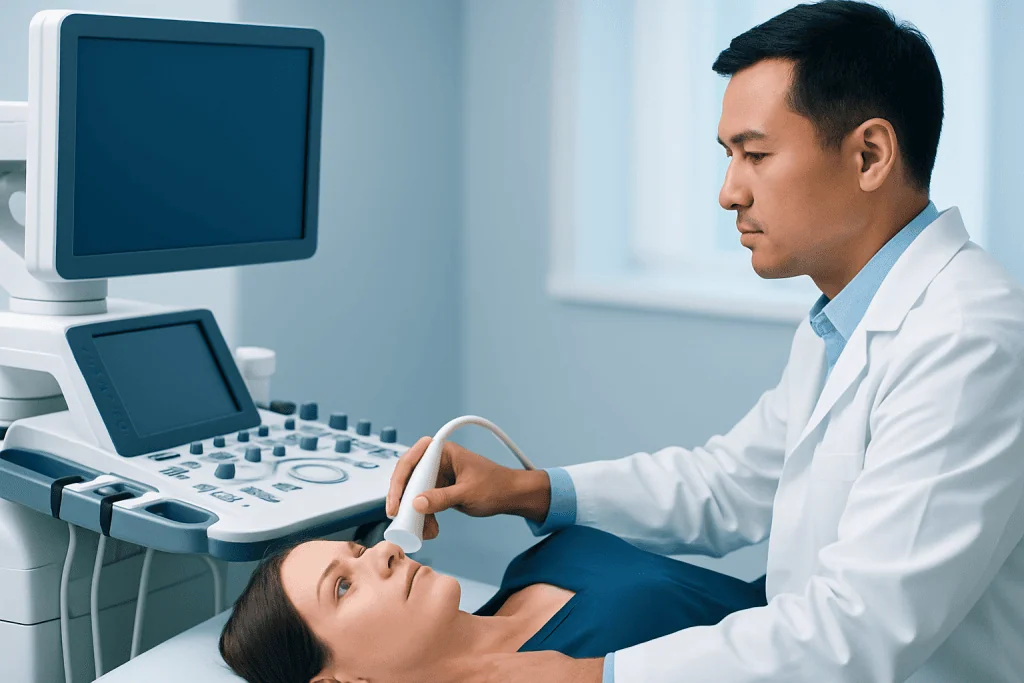
A physical examination may include checking the neck for enlargement or nodules, measuring pulse and blood pressure, and looking for changes in skin, eyes, reflexes or tremor. An ultrasound may be recommended when a nodule or goitre is present. A thyroid uptake scan can be useful in selected cases of hyperthyroidism, but it is not appropriate during pregnancy.
Symptoms alone cannot accurately measure thyroid function. Fatigue, weight changes and anxiety have many possible causes. People taking thyroid medication should have blood tests at intervals advised by their clinician so treatment can be adjusted safely rather than relying on symptoms alone.
Treatment options: medicines, radioactive iodine and surgery
For hypothyroidism, treatment usually involves daily levothyroxine, a laboratory-made form of T4 hormone. It replaces the hormone the body needs and is often long-term, especially when the cause is permanent autoimmune thyroid damage or removal of the thyroid. The dose is tailored through repeat blood tests; patients should not change it without medical advice.
For hyperthyroidism, antithyroid medicines can reduce thyroid hormone production. Beta-blocker medicines may be used temporarily to ease symptoms such as tremor or a rapid heartbeat, but they do not treat the underlying hormone excess. Some people achieve lasting control with medication, while others need definitive treatment with radioactive iodine or surgery.
Radioactive iodine is swallowed as a capsule or liquid and is taken up by thyroid cells, where it gradually reduces overactivity. It is not used during pregnancy or breastfeeding and may not be the preferred option for people with active thyroid eye disease. Many people later develop hypothyroidism and then take thyroid hormone replacement.
Thyroid surgery may be recommended for a suspicious or cancerous nodule, a large goitre causing pressure symptoms, certain cases of hyperthyroidism, or when other treatment options are unsuitable. Thyroid surgery may involve removing part or all of the gland, depending on the diagnosis and surgical plan.
What happens during treatment and recovery?
Medication-based treatment does not usually involve a procedure. A clinician reviews symptoms and blood results, prescribes the appropriate medicine, and repeats testing after enough time has passed for hormone levels to stabilize. For levothyroxine, consistency matters: it is generally taken as instructed on an empty stomach, and some supplements or medicines can affect absorption.
Radioactive iodine treatment is usually delivered without an operation. Before treatment, the team gives preparation and radiation-safety instructions, which may include temporary limits on close contact with others. The thyroid response develops gradually over weeks to months, and follow-up blood tests are needed to identify whether thyroid hormone replacement becomes necessary.
Thyroid surgery is performed under general anaesthesia. The surgeon makes an incision low in the neck, removes the planned amount of thyroid tissue, and sends tissue for analysis when indicated. Many patients return home within a short time, but the recovery plan depends on the extent of surgery, calcium levels, voice assessment and individual health needs.
After surgery, temporary neck discomfort, tiredness and voice changes can occur. If the entire thyroid is removed, lifelong thyroid hormone replacement is required. Follow-up helps ensure hormone levels are appropriate and addresses scar care, pathology results and any ongoing treatment needs.
How long does it take to correct thyroid issues?
The timeframe depends on the thyroid condition and treatment selected. With hypothyroidism, some symptoms may begin to improve within a few weeks of starting the correct levothyroxine dose, but it commonly takes several weeks for blood tests to show the full effect of a dose adjustment. Symptoms that developed gradually, such as skin or hair changes, may take longer to improve.
With hyperthyroidism, symptom-relieving medicine may work relatively quickly, while antithyroid medicines generally require weeks to reduce excess hormone production. Radioactive iodine can take several months to have its full effect. After surgery, recovery from the operation is often measured in weeks, while hormone replacement and longer-term monitoring continue as needed.
The aim is stable thyroid hormone levels and improved wellbeing, rather than a fixed deadline. Attending follow-up appointments and having recommended blood tests gives the best opportunity to adjust treatment safely and effectively.
Food, self-care and when to seek medical care
There is no single diet that cures thyroid disease. A balanced eating pattern, regular activity appropriate to the person’s health, adequate sleep and avoiding smoking can support general wellbeing. Iodine is essential for thyroid hormone production, but taking iodine supplements without medical advice can worsen some thyroid conditions, particularly autoimmune hyperthyroidism.
What are 5 foods to avoid for thyroid?
Most people do not need to completely avoid specific foods for thyroid health. It can be sensible to limit highly processed foods, excess salty foods high in iodine, kelp or seaweed supplements with very high iodine content, large amounts of iodine-containing supplements, and soy products taken close to levothyroxine doses because they may affect absorption in some people. The priority is timing and moderation rather than unnecessary restriction; a clinician or registered dietitian can provide advice tailored to the diagnosis and medication schedule.
Medical care should be sought for persistent symptoms suggestive of thyroid dysfunction, a new neck lump, or changes in a known thyroid condition. Urgent care is appropriate for breathing or swallowing difficulty, chest pain, fainting, severe palpitations, or severe confusion and fever. Acibadem International’s multidisciplinary specialists and JCI-accredited hospitals diagnose and treat thyroid conditions for international patients.
Frequently asked questions
Can thyroid problems be cured?
Some thyroid problems are temporary, such as certain forms of thyroid inflammation, and may resolve over time. Others are long-term but can usually be controlled effectively with appropriate treatment and monitoring. The expected outcome depends on the specific diagnosis.
Does thyroid treatment cause weight loss or weight gain?
Correcting abnormal thyroid hormone levels may help reverse weight changes related to hypothyroidism or hyperthyroidism. However, treatment is not a weight-loss treatment, and body weight is influenced by many factors. A clinician can help set realistic expectations and evaluate other causes of weight change.
Is thyroid surgery always necessary for thyroid nodules?
No. Many thyroid nodules are benign and can be monitored with examinations, ultrasound and, when appropriate, needle biopsy. Surgery is considered when a nodule is suspicious for cancer, causes pressure symptoms, produces excess hormone, or continues to grow in a concerning way.
Can pregnancy affect thyroid disease?
Pregnancy can change thyroid hormone needs, and uncontrolled thyroid disease can affect both the pregnant person and the pregnancy. People with known thyroid conditions should discuss pregnancy planning and have early monitoring with their healthcare team. Some treatments for hyperthyroidism, including radioactive iodine, cannot be used during pregnancy.
Why are repeat thyroid blood tests needed?
Thyroid medicines and procedures can change hormone levels gradually, and the correct dose differs between individuals. Repeat tests show whether TSH and thyroid hormone levels are within the intended range. They help clinicians adjust treatment before symptoms become significant.
Can stress cause a thyroid problem?
Stress does not usually directly cause most thyroid disorders, which are often autoimmune or related to other medical factors. However, stress can worsen sleep, anxiety, palpitations and fatigue, making thyroid-related symptoms feel more difficult. Persistent symptoms should be assessed rather than attributed to stress alone.
References
- American Thyroid Association
- National Institute of Diabetes and Digestive and Kidney Diseases
- National Health Service
- Mayo Clinic
- World Health Organization
This article is for general information only and is not a substitute for professional medical advice. Please consult a qualified doctor about your individual situation.
Explore treatments in Turkey — costs, top hospitals & a free quote
JCI-accredited · board-certified surgeons · reply within 24h
Add us as a Preferred Source to see more of our trusted health content across Google Search, AI Overviews and Discover.
Check your numbers in seconds
BMI, calories, due date, blood pressure and 30+ more clinical calculators — free, instant, doctor-reviewed ranges.