Inflamed Intestine Treatment: How It Works, Results and What to Expect

An inflamed intestine is a finding or symptom pattern, not a single diagnosis; identifying the cause guides treatment. Many cases improve with supportive care, while infections, inflammatory bowel disease, or ischemia may need specific treatment.
Key Takeaways
- An inflamed intestine is a finding or symptom pattern, not a single diagnosis; identifying the cause guides treatment.
- Many cases improve with supportive care, while infections, inflammatory bowel disease, or ischemia may need specific treatment.
- Tests such as stool studies, blood tests, imaging, and colonoscopy can help confirm the cause and extent of inflammation.
- Treatment goals include easing symptoms, healing inflammation where possible, preventing complications, and supporting nutrition.
- Urgent assessment is important for severe pain, persistent vomiting, high fever, dehydration, black or bloody stools, or a swollen abdomen.
Inflamed intestine treatment is tailored to the underlying cause, which may range from a short-lived infection to inflammatory bowel disease, reduced blood flow, medication effects, or another digestive condition. Care may include hydration and dietary support, targeted medicines, monitoring, and, in selected cases, endoscopic treatment or surgery.
Overview: What Inflamed Intestine Treatment Involves
Inflamed intestine treatment begins with finding the cause of inflammation rather than treating the symptom alone. Depending on the diagnosis, care may involve oral rehydration, temporary food adjustments, medicines to control infection or inflammation, nutritional support, and occasionally hospital-based procedures or surgery. The expected result varies: some causes settle within days, while chronic inflammatory conditions usually require longer-term management.
The term “inflamed intestine” can refer to inflammation in the small intestine, colon, or both. It may be associated with gastroenteritis, foodborne infection, inflammatory bowel disease (IBD), diverticular disease, reduced blood supply to the bowel, radiation injury, or medication-related irritation. Symptoms such as diarrhea, pain, urgency, bleeding, fever, fatigue, and weight loss provide important clues but cannot identify the cause on their own.
A gastroenterology assessment helps ensure that treatment is appropriate and safe. In particular, antibiotics, anti-diarrheal medicines, steroids, and dietary restrictions are not suitable for every type of intestinal inflammation, so self-treatment should be discussed with a qualified clinician when symptoms are significant or persistent.
How Treatment Works and What It Aims to Achieve
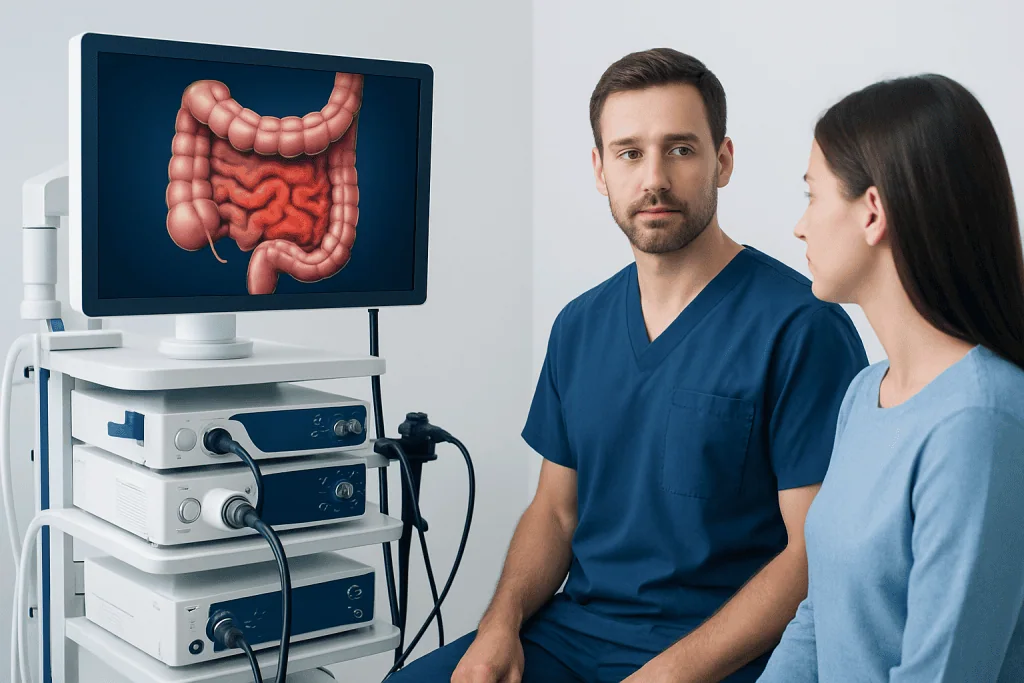
Care is designed around several goals: correcting fluid and electrolyte loss, relieving troublesome symptoms, treating the trigger, allowing the intestinal lining to recover, and reducing the chance of complications. For mild viral illness, fluids, rest, and gradual return to regular foods may be sufficient. When a bacterial, parasitic, inflammatory, or blood-flow-related cause is suspected, treatment becomes more targeted.
For example, confirmed infections may require specific antimicrobial medicine in selected situations, while inflammatory bowel disease may be treated with medicines that reduce immune-driven inflammation. These can include locally acting anti-inflammatory therapies, corticosteroids for short-term control during some flares, immune-modifying medicines, or advanced biologic and targeted treatments for moderate to severe disease. Information about inflammatory bowel disease can help explain why long-term follow-up is often needed for chronic intestinal inflammation.
Some people need treatment for consequences of inflammation as well. Iron deficiency, dehydration, poor nutrition, or unintended weight loss may require blood tests, dietary advice, oral or intravenous fluids, and nutritional supplementation. Surgery is not routine for most cases, but it can be necessary if there is a bowel blockage, perforation, uncontrolled bleeding, severe infection, dead bowel tissue, abscess, or disease that does not respond adequately to medical treatment.
Who May Need Further Testing or Specialist Treatment
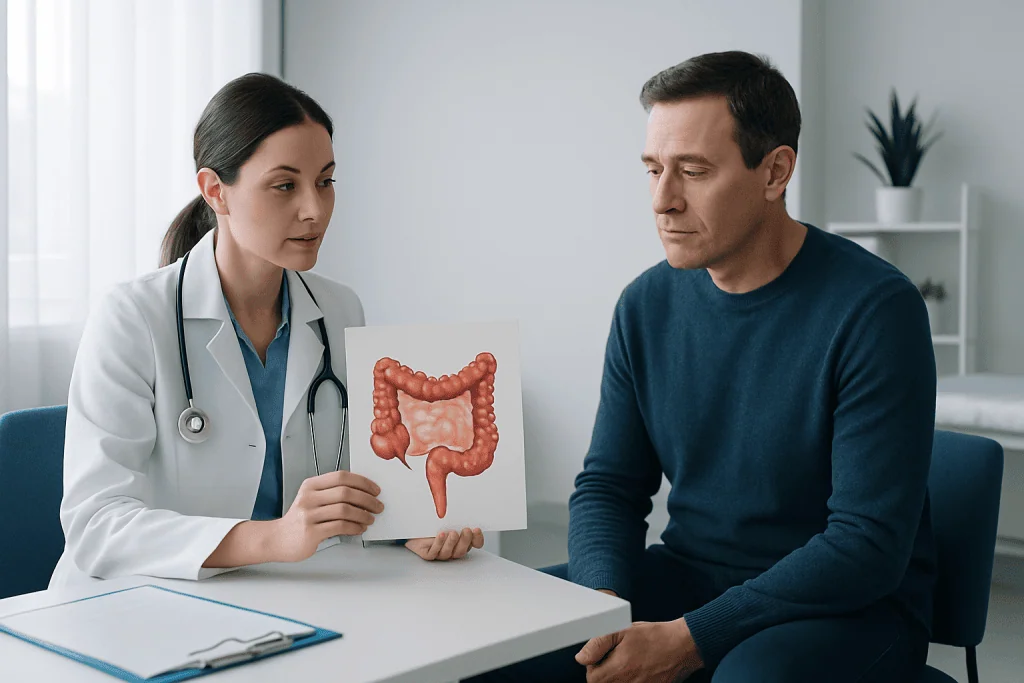
People with brief, mild diarrhea after a likely viral illness may recover without extensive testing. However, a medical evaluation is especially important when symptoms are severe, last more than a few days, return repeatedly, occur after recent travel or antibiotic use, or include blood in the stool, fever, nighttime symptoms, dehydration, or unintentional weight loss.
Specialist care may be appropriate for people with known ulcerative colitis or Crohn’s disease, a family history of IBD or colorectal cancer, immune suppression, older age with new bowel symptoms, or significant medical conditions affecting circulation. Pregnancy, childhood, and frailty can also alter the safest treatment approach, making individual assessment valuable.
Before starting a treatment plan, clinicians consider the symptom pattern, duration, medicines, dietary exposures, travel, recent infections, prior surgery, and medical history. They also assess whether inflammation appears to be temporary and self-limited or part of a chronic condition requiring ongoing monitoring. This process helps avoid unnecessary medicines and supports timely treatment when symptoms indicate a more serious cause.
Diagnosis and the Step-by-Step Care Pathway
The first step is a clinical review and physical examination. A clinician checks for signs of dehydration, abdominal tenderness, fever, weight loss, and other features that may point toward infection, IBD, obstruction, or another condition. Blood tests may assess inflammation, anemia, kidney function, electrolytes, and nutritional status, while stool tests can look for infection, blood, or markers of intestinal inflammation.
If symptoms are ongoing, severe, or unexplained, imaging such as ultrasound, CT, or MRI may be used to evaluate the bowel and surrounding organs. A colonoscopy or flexible sigmoidoscopy may be recommended to inspect the colon directly and collect small tissue samples. Biopsies can help distinguish between infection, IBD, ischemic colitis, microscopic colitis, and other causes that can look similar based on symptoms alone.
Once results are available, the care plan is reviewed with the patient. It may begin with outpatient medication and follow-up, or it may include intravenous fluids, observation, or inpatient care if symptoms are severe. People undergoing an endoscopic evaluation can learn more about colonoscopy and how preparation, sedation, and recovery are commonly managed.
- Supportive care: fluids, electrolyte replacement, nutrition, and symptom management.
- Cause-specific treatment: medicines or other measures based on test results and clinical findings.
- Monitoring: follow-up symptoms, blood or stool markers, and endoscopy or imaging when needed.
- Escalation: hospital treatment, drainage procedures, or surgery for complications or severe disease.
Treatment Options, Benefits and Possible Risks
Supportive treatment is central to many cases. Drinking appropriate fluids, replacing electrolytes when needed, eating small tolerated meals, and avoiding alcohol or foods that clearly worsen symptoms may support recovery. Temporary changes to fiber intake may be suggested in certain circumstances, but highly restrictive diets should not be continued without clinical advice because they can worsen nutritional deficiencies.
Medicine choices depend on the diagnosis. Antibiotics are used only when a clinician believes they are likely to help, since they are not useful for most viral illnesses and can sometimes contribute to diarrhea or alter gut bacteria. Anti-inflammatory medicines may help in IBD, but some require monitoring for infection risk, effects on blood counts or liver function, and other potential adverse effects. Anti-diarrheal medication may be inappropriate when there is bloody diarrhea, fever, or suspected severe infection.
The benefits of correctly targeted treatment include reduced pain and diarrhea, improved hydration and nutrition, healing of inflammation, and fewer complications. Risks depend on the therapy and the patient’s health. They can include medication side effects, allergic reactions, infection-related concerns with immune-suppressing therapies, and rare complications from endoscopy or surgery. A clinician can explain the expected benefits, alternatives, and monitoring requirements for each option.
For people with chronic immune-mediated bowel inflammation, inflammatory bowel disease treatment may combine medication planning, nutrition support, surveillance, and surgery when medically necessary. The plan is adjusted over time according to symptoms, test results, treatment response, and personal priorities.
Recovery Timeline and Self-Care During Healing
Recovery depends on the cause, severity, and treatment used. Mild infectious or food-related intestinal inflammation can improve over several days, although energy and normal bowel habits may take longer to return. Chronic conditions such as Crohn’s disease or ulcerative colitis may have periods of remission and flare-ups, so the focus is on sustained control rather than a fixed recovery date.
During recovery, patients are usually encouraged to drink regularly, follow food guidance from their clinical team, and keep track of stool frequency, pain, fever, bleeding, and weight changes. A food and symptom diary may help identify triggers, but it does not replace medical testing. Rest is helpful during an acute illness, while gentle return to normal activity can be appropriate as strength improves.
It is important to take prescribed medicines exactly as directed and attend recommended follow-up appointments. People should not stop anti-inflammatory or immune-modifying treatment abruptly unless instructed, particularly if they are being treated for IBD. Follow-up tests may be used to confirm that inflammation is improving even when symptoms have eased.
Acibadem International’s multidisciplinary specialists and JCI-accredited hospitals support international patients who need assessment and treatment for digestive conditions, with care coordinated across gastroenterology, imaging, nutrition, surgery, and other services when appropriate.
When to Seek Medical Care
Prompt medical advice is recommended for diarrhea or abdominal discomfort that persists, recurs, or interferes with eating, drinking, sleep, or daily activities. A doctor should also assess new bowel changes accompanied by blood or mucus in the stool, fever, unintended weight loss, persistent fatigue, or symptoms that begin after antibiotics, travel, or a new medication.
Urgent assessment is needed for severe or worsening abdominal pain, a rigid or markedly swollen abdomen, repeated vomiting, inability to keep fluids down, fainting, confusion, signs of significant dehydration, black stools, substantial rectal bleeding, or high fever. These symptoms can have several causes and should not be managed solely at home.
People with known IBD should contact their care team if they suspect a flare, especially if symptoms are stronger than usual or do not improve with their established plan. Early contact can help clinicians review tests and treatment before dehydration, nutritional problems, or other complications develop.
Frequently asked questions
What is the best treatment for an inflamed intestine?
The best treatment depends on why the intestine is inflamed. Mild viral illness may improve with fluids and rest, while bacterial infection, inflammatory bowel disease, ischemia, or medication-related inflammation may require specific medical treatment. A clinician can determine the cause using symptoms, examination, and tests when needed.
Can an inflamed intestine heal on its own?
Some short-term causes, particularly mild viral gastroenteritis, can resolve with supportive care. However, persistent, recurrent, or severe symptoms may indicate a condition that needs targeted treatment. Blood in the stool, fever, dehydration, severe pain, or weight loss should be medically assessed.
What foods should be avoided with intestinal inflammation?
Food tolerance differs between individuals and depends on the cause of inflammation. During acute symptoms, some people find that alcohol, fatty foods, very spicy foods, and foods that clearly worsen diarrhea are difficult to tolerate. Long-term restrictive diets should be avoided unless guided by a doctor or dietitian.
Are antibiotics used for inflamed intestines?
Antibiotics are used for selected bacterial infections and certain complications, but they are not appropriate for every case of diarrhea or intestinal inflammation. They do not treat viral gastroenteritis and may sometimes cause side effects, including antibiotic-associated diarrhea. A clinician should determine whether testing and antibiotic treatment are necessary.
How long does intestinal inflammation last?
A mild, short-lived infection may improve within days, while recovery after more severe illness can take longer. Chronic conditions such as Crohn’s disease and ulcerative colitis may require ongoing treatment to achieve and maintain remission. The timeline depends on the cause, severity, nutrition, and response to treatment.
Can stress cause an inflamed intestine?
Stress does not usually cause intestinal inflammation by itself, but it can worsen digestive symptoms and may contribute to symptom flares in people with conditions such as IBD or irritable bowel syndrome. Persistent symptoms still deserve medical evaluation because stress should not be assumed to be the only explanation. Supportive strategies such as sleep, regular meals, and mental health care can complement medical treatment.
References
- National Institute of Diabetes and Digestive and Kidney Diseases
- American College of Gastroenterology
- Crohn's & Colitis Foundation
- Centers for Disease Control and Prevention
- World Gastroenterology Organisation
This article is for general information only and is not a substitute for professional medical advice. Please consult a qualified doctor about your individual situation.
Persistent digestive symptoms? Get evaluated in Turkey
JCI-accredited · board-certified surgeons · reply within 24h
Add us as a Preferred Source to see more of our trusted health content across Google Search, AI Overviews and Discover.

More from the Health Library



Related Specialists

Embriyolog Firuze Sönmez
Vitro Fertilization and Reproductive Medicine Center
Dr. Ercan Paşaoğlu
Ophthalmology
Dr. Şenay Olguner
Anesthesiology
Dr. Zeki Ermiş
Ophthalmology