Sleeping Disorder Therapy: How It Works, Results and What to Expect

Sleeping disorder therapy is not one single treatment; it is a tailored plan based on the specific sleep problem and its underlying cause. Cognitive behavioral therapy for insomnia is commonly recommended as a first-line treatment for chronic insomnia.
Key Takeaways
- Sleeping disorder therapy is not one single treatment; it is a tailored plan based on the specific sleep problem and its underlying cause.
- Cognitive behavioral therapy for insomnia is commonly recommended as a first-line treatment for chronic insomnia.
- A sleep diary, clinical assessment, and sometimes an overnight sleep study can help clarify the diagnosis.
- Treating conditions such as sleep apnea, restless legs syndrome, anxiety, pain, or medication effects may improve sleep.
- Ongoing daytime sleepiness, loud snoring with breathing pauses, or sleep problems affecting safety should be medically assessed.
Sleeping disorder therapy is individualized care that first identifies why sleep is disrupted, then uses behavioral strategies, lifestyle changes, medical treatment, or devices when needed. Most people begin with a detailed sleep assessment, and the plan is adjusted over time according to symptoms, sleep records, and overall health.
Sleeping disorder therapy: how it works
Sleeping disorder therapy is a structured approach to improving sleep by identifying the type of sleep difficulty and addressing factors that maintain it. It may help people who struggle to fall asleep, wake frequently, wake too early, sleep at unwanted times, experience excessive daytime sleepiness, or have unusual behaviors or movements during sleep. The most effective plan depends on the diagnosis rather than on a single sleep symptom.
Care often starts with a sleep-focused medical review. A clinician considers sleep timing, work schedule, stress, mood, medicines, alcohol or caffeine use, pain, breathing symptoms, movement symptoms, and other health conditions. A tailored plan can include education, cognitive behavioral techniques, treatment for a medical or mental health condition, and, for selected disorders, medication or a sleep-related device.
The aim is not simply to increase time in bed. Therapy seeks to improve sleep quality, align sleep with the body clock, reduce unhelpful habits and worry around sleep, and treat conditions that interrupt normal sleep. Improvement may be gradual, particularly when symptoms have been present for months or years.
Who may benefit and how sleep problems are assessed
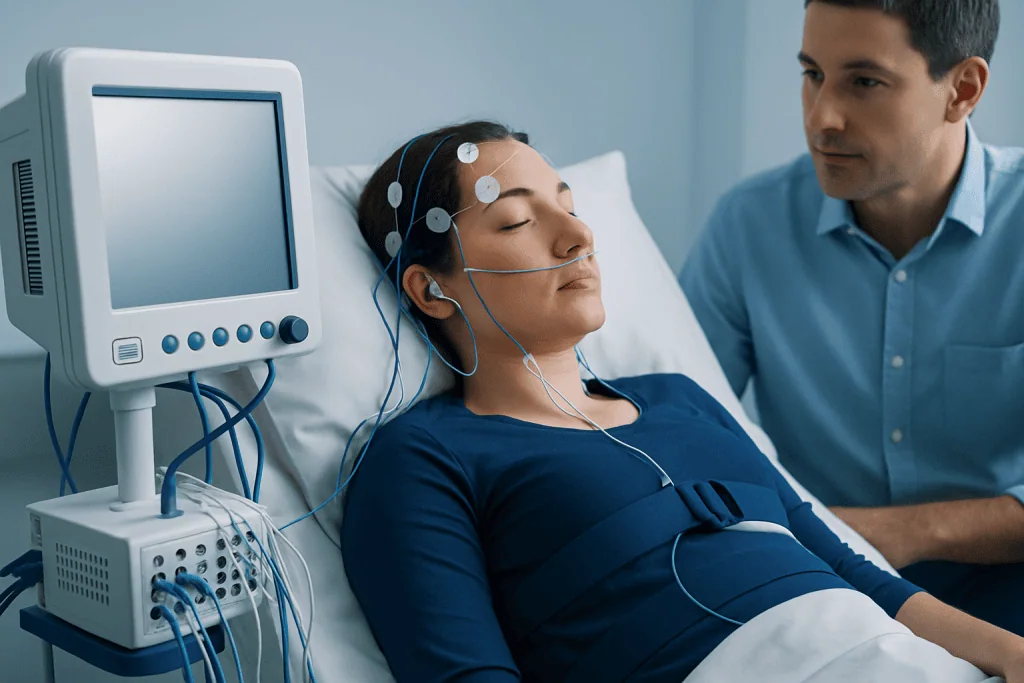
People may be candidates for sleeping disorder therapy when sleep difficulty occurs regularly, causes distress, affects daytime concentration or mood, or interferes with work, school, relationships, or safe driving. Therapy can be useful for chronic insomnia, obstructive sleep apnea, circadian rhythm sleep-wake disorders, restless legs syndrome, narcolepsy, parasomnias, and sleep disruption linked with anxiety, depression, chronic pain, or neurological illness.
An assessment usually includes a discussion of symptoms and medical history. Keeping a sleep diary for one or two weeks can show patterns in bedtime, awakenings, naps, caffeine intake, and daytime sleepiness. Questionnaires may assess insomnia severity, risk of sleep apnea, or daytime sleepiness.
Some people need additional testing. An overnight sleep study, also called polysomnography, records breathing, oxygen levels, heart rhythm, brain activity, limb movements, and sleep stages. Home sleep apnea testing may be appropriate for some adults with suspected obstructive sleep apnea, while more complex symptoms may require in-laboratory testing. Related concerns may be evaluated alongside sleep apnea or other conditions affecting sleep.
- Persistent insomnia despite consistent healthy sleep habits
- Loud snoring, witnessed breathing pauses, choking, or morning headaches
- Strong urges to move the legs that worsen at rest or in the evening
- Sudden sleep attacks, sleep-related injuries, or unusual nighttime behaviors
What happens during sleep therapy?
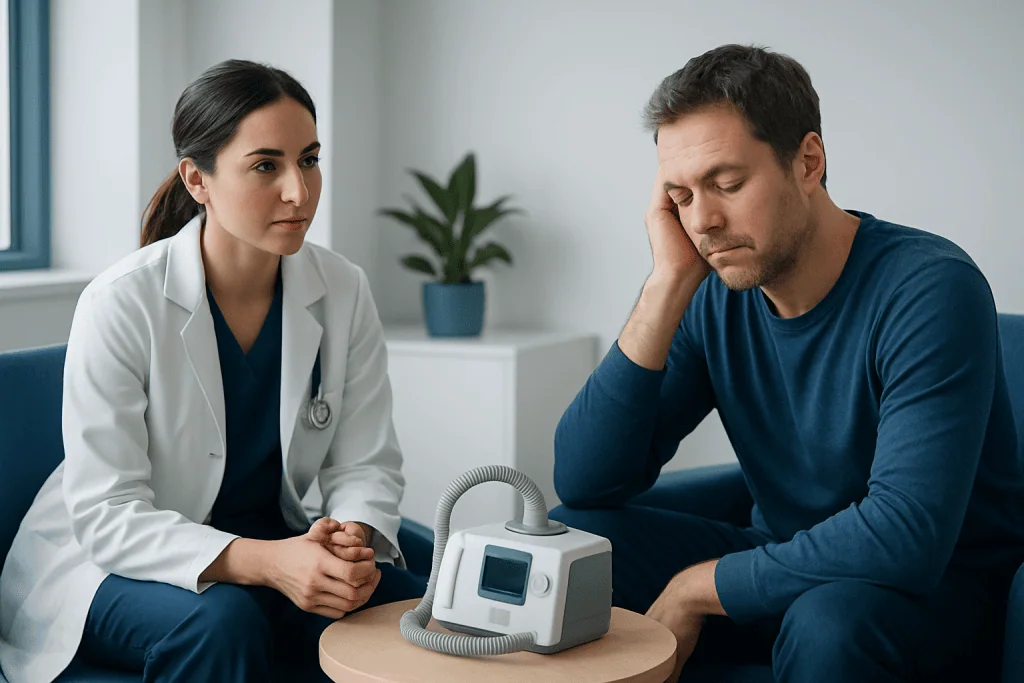
What happens during sleep therapy depends on the diagnosed disorder. For insomnia, treatment commonly involves cognitive behavioral therapy for insomnia, often called CBT-I. This is a practical, time-limited program that helps a person change thought patterns and behaviors that can perpetuate poor sleep. It is typically delivered by a trained clinician, sometimes in person and sometimes through structured digital programs under appropriate clinical guidance.
CBT-I may include sleep education, a consistent wake-up schedule, relaxation skills, stimulus control, and sleep scheduling strategies. Stimulus control teaches the brain to associate the bed primarily with sleep rather than wakefulness, worry, work, or scrolling on a device. Sleep scheduling is individualized and should be guided by a qualified professional, particularly for people with bipolar disorder, epilepsy, pregnancy, severe daytime sleepiness, or safety-sensitive work.
For sleep apnea, therapy may include weight-related health support where appropriate, positional strategies, oral appliances in selected cases, or positive airway pressure therapy. Positive airway pressure uses a small bedside device and mask to keep the airway open during sleep. For movement disorders, circadian rhythm problems, or narcolepsy, treatment may include targeted behavioral changes and clinician-prescribed medicines when indicated.
At Acibadem International, multidisciplinary specialists in JCI-accredited hospitals can assess sleep concerns and coordinate individualized care for international patients, including sleep apnea treatment when clinically appropriate.
What are the different stages of sleep deprivation?
Sleep deprivation is often described by how long and how severely sleep has been reduced, although there is no single universally used clinical staging system. Acute sleep deprivation generally refers to a short period of insufficient sleep, such as one night or several nights of limited sleep. It can lead to fatigue, slower reaction time, reduced attention, irritability, and difficulty making decisions.
With repeated or ongoing sleep loss, sleep debt can accumulate. Chronic insufficient sleep may affect alertness, memory, mood, immune function, and metabolic health. Some people adapt to feeling tired and underestimate the degree to which performance and safety are affected, especially during driving or monotonous tasks.
More severe prolonged wakefulness can cause brief involuntary episodes of sleep known as microsleeps. These can occur without full awareness and create safety risks. Severe sleep loss may also worsen anxiety, depression, pain, seizures in susceptible people, and symptoms of other health conditions. People who are unable to stay awake safely should avoid driving or operating machinery and seek timely medical advice.
What is sleep anxiety?
Sleep anxiety is worry, fear, or heightened alertness related to going to sleep, staying asleep, or the consequences of not sleeping. A person may begin to monitor the clock, anticipate a difficult night, or fear being unable to function the next day. This cycle can increase physical and mental arousal, making sleep less likely even when the person is tired.
Sleep anxiety can occur with insomnia, generalized anxiety, panic symptoms, trauma-related symptoms, depression, chronic illness, and stressful life events. It does not mean that the sleep difficulty is imagined; rather, worry can become one of the factors that reinforces the problem. A clinician can also review whether medicines, stimulants, alcohol, or other substances may be contributing.
CBT-I and mental health therapies can help people develop a calmer, more realistic response to wakefulness and reduce habits that maintain insomnia. Relaxation exercises, a predictable wind-down routine, limiting clock-watching, and addressing daytime stress can support treatment. Medication may sometimes be considered, but it is usually one part of a broader plan and should be reviewed by a prescribing clinician.
What are some common neurological sleep disorders?
Neurological sleep disorders involve the brain systems that regulate sleep, wakefulness, movement, and behavior during sleep. Narcolepsy is characterized by excessive daytime sleepiness and may include sudden loss of muscle tone triggered by emotions, called cataplexy. Idiopathic hypersomnia can also cause marked daytime sleepiness, often with long sleep periods and difficulty waking.
Restless legs syndrome causes an urge to move the legs, usually accompanied by uncomfortable sensations that are worse at rest and in the evening. Periodic limb movements during sleep may disrupt sleep for some people. Circadian rhythm sleep-wake disorders occur when the body clock is misaligned with desired or required sleep times, as may happen with shift work or delayed sleep timing.
Parasomnias are unusual behaviors or experiences during sleep, including sleepwalking, nightmares, sleep terrors, and REM sleep behavior disorder. REM sleep behavior disorder can involve acting out dreams and deserves medical assessment because injury can occur and it may be associated with some neurological conditions. Evaluation may involve a sleep physician, neurologist, mental health clinician, or other specialist depending on the symptoms.
Benefits, risks, recovery and self-care
The potential benefits of sleeping disorder therapy include better sleep continuity, improved daytime alertness, less distress about sleep, and safer functioning in daily life. Results vary with the underlying condition, the consistency of treatment, and whether contributing conditions are addressed. Behavioral insomnia therapy often requires active practice over several weeks, while therapies for breathing-related sleep disorders may require equipment adjustment and follow-up.
There is usually no physical recovery period after an assessment or behavioral sleep therapy session. However, changing sleep schedules can temporarily feel challenging, and people may initially feel more tired while routines are being reset. This is why individualized guidance is important, particularly for people who drive professionally, have epilepsy, work night shifts, or have significant daytime drowsiness.
Risks depend on the treatment. Some medicines used for sleep can cause next-day drowsiness, falls, confusion, tolerance, or interactions with other medicines, so they require careful prescribing and review. Positive airway pressure may cause nasal dryness, mask discomfort, or air leaks, which can often be improved through fitting and follow-up. People should not start, stop, or combine sleep medicines without medical advice.
Helpful self-care includes keeping a regular wake time, allowing adequate opportunity for sleep, seeking daylight exposure earlier in the day, staying physically active when possible, and reducing caffeine, nicotine, and alcohol close to bedtime. A quiet, comfortable sleep environment can help, but self-care alone may not resolve a sleep disorder that requires diagnosis and targeted treatment.
When to seek medical care
Medical care is appropriate when sleep problems last for several weeks, recur regularly, or affect daily functioning. A prompt assessment is especially important for loud habitual snoring, witnessed pauses in breathing, gasping during sleep, severe morning sleepiness, episodes of falling asleep unintentionally, or unusual movements and behaviors that could cause injury.
Urgent medical advice is needed if sleepiness creates an immediate risk while driving, working at heights, operating machinery, or caring for others. A person should also seek support if poor sleep is accompanied by severe depression, suicidal thoughts, mania, hallucinations, or escalating use of alcohol or sedatives. Emergency services should be contacted for immediate danger or thoughts of self-harm.
Bringing a sleep diary, a list of medicines and supplements, and observations from a bed partner can make an appointment more useful. A clinician can help distinguish temporary sleep disruption from a treatable sleep disorder and create a plan that is realistic for the person’s health needs and routine.
Frequently asked questions
How long does sleeping disorder therapy take to work?
The timeline depends on the diagnosis and treatment approach. Behavioral therapy for chronic insomnia commonly involves several sessions over weeks, while changes in sleep habits may take time to become consistent. Treatment for sleep apnea or another medical disorder may improve symptoms sooner, but follow-up is often needed to optimize the plan.
Is cognitive behavioral therapy better than sleeping pills for insomnia?
For chronic insomnia, cognitive behavioral therapy for insomnia is widely recommended as a first-line treatment because it addresses patterns that maintain poor sleep. Medicines may be useful in selected situations, usually after a clinician weighs expected benefit, side effects, interactions, and the person’s health history. The best approach is individualized.
Do I need a sleep study before starting sleep therapy?
Not everyone needs a sleep study. Many cases of insomnia can be assessed using a detailed history, sleep diary, and clinical evaluation. A sleep study is more likely when symptoms suggest sleep apnea, unusual nighttime behaviors, periodic limb movements, narcolepsy, or another complex sleep disorder.
Can anxiety cause sleep disorders?
Anxiety can make it harder to fall asleep and can contribute to frequent awakenings or non-restorative sleep. Sleep loss can also intensify anxiety, creating a self-reinforcing cycle. Treating both the sleep symptoms and the underlying anxiety can be helpful.
What should I avoid before a sleep assessment?
People should follow the clinic’s instructions, as preparation differs by test. In general, it is useful to keep a usual sleep schedule beforehand and bring an updated medication and supplement list. Do not stop prescribed medicines unless the clinician specifically advises it.
Can sleep disorders be cured?
Some sleep problems resolve when a temporary trigger, health condition, or schedule disruption is addressed. Other disorders, such as obstructive sleep apnea or narcolepsy, may require ongoing management. Effective treatment can still substantially improve sleep quality, alertness, and daily functioning.
References
- American Academy of Sleep Medicine
- National Heart, Lung, and Blood Institute
- National Institute of Neurological Disorders and Stroke
- Centers for Disease Control and Prevention
- Mayo Clinic
This article is for general information only and is not a substitute for professional medical advice. Please consult a qualified doctor about your individual situation.
Explore treatments in Turkey — costs, top hospitals & a free quote
JCI-accredited · board-certified surgeons · reply within 24h
Add us as a Preferred Source to see more of our trusted health content across Google Search, AI Overviews and Discover.