Polycystic Ovaries and Treatment: How It Works, Results and What to Expect
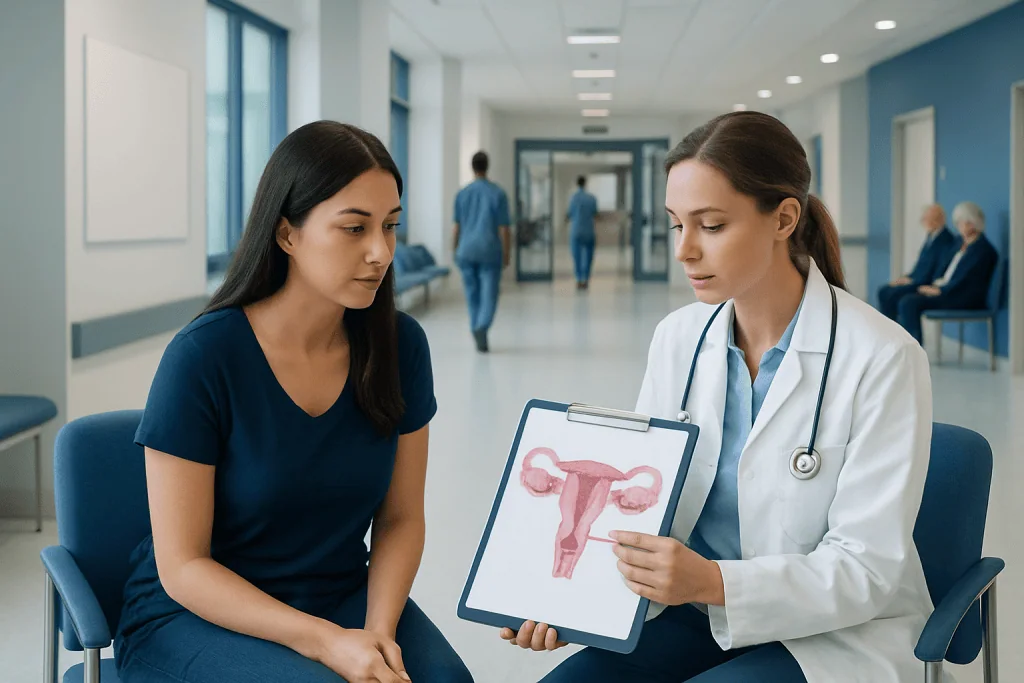
Polycystic ovaries on an ultrasound do not always mean a person has polycystic ovary syndrome (PCOS). PCOS is diagnosed from a pattern of symptoms, hormone-related findings, and sometimes ultrasound results after other causes are excluded.
Key Takeaways
- Polycystic ovaries on an ultrasound do not always mean a person has polycystic ovary syndrome (PCOS).
- PCOS is diagnosed from a pattern of symptoms, hormone-related findings, and sometimes ultrasound results after other causes are excluded.
- Treatment may include lifestyle support, medicines for menstrual regularity or symptoms, and ovulation-inducing treatment for fertility.
- There is no single cure for PCOS, but symptoms and associated health risks can usually be managed effectively over time.
- Unexpected severe pelvic pain, very heavy bleeding, or possible pregnancy complications need prompt medical assessment.
Polycystic ovaries and treatment are not the same for every person: care is tailored to symptoms, health risks, and pregnancy plans. Treatment can help regulate periods, improve acne or excess hair growth, manage metabolic risks, and support ovulation when pregnancy is desired.
Overview: polycystic ovaries and treatment
Polycystic ovaries and treatment are best understood as a personalized care pathway rather than one procedure. Polycystic ovary syndrome (PCOS) is a common hormonal condition that may affect periods, ovulation, skin, body hair, weight, metabolism, and fertility. Treatment aims to address the concerns that matter most to the individual while also reducing longer-term risks such as diabetes and changes in the lining of the uterus.
Despite its name, PCOS does not mean that the ovaries are filled with harmful cysts. The follicles seen on ultrasound are small fluid-filled sacs that contain immature eggs. Some people have polycystic-appearing ovaries without PCOS, while others can have PCOS without that ultrasound appearance.
There is no universal “PCOS procedure” and not everyone needs the same treatment. A clinician may recommend observation and healthy lifestyle support, medicines to regulate menstrual bleeding or manage androgen-related symptoms, metabolic care, fertility treatment, or, in selected situations, an ovarian procedure called laparoscopic ovarian drilling.
How PCOS is recognized and diagnosed
PCOS is generally diagnosed after a clinician reviews symptoms, medical history, examination findings, and test results. In adults, diagnosis commonly relies on having at least two of three features: infrequent or absent ovulation, signs or blood-test evidence of higher androgen activity, and polycystic ovarian appearance on ultrasound. Other conditions that can cause similar changes must first be considered and excluded.
Higher androgen activity may cause persistent acne, increased coarse hair growth on the face or body, or thinning scalp hair. Irregular ovulation may lead to unpredictable, widely spaced, very light, or absent menstrual periods. Blood tests may assess hormone levels, glucose status, cholesterol, thyroid function, and other possible explanations for menstrual changes.
Pelvic ultrasound can be useful, but it is only one part of the assessment. Ultrasound findings alone do not diagnose PCOS. In adolescents, diagnosis needs particular care because irregular cycles and acne can be normal during puberty, and ultrasound is usually not relied on early after periods begin.
What are the very first signs of PCOS?
The earliest signs of PCOS often become noticeable in the teenage years or early adulthood. Irregular periods are a common first clue, especially when cycles remain infrequent or unpredictable after the initial years of puberty. Some people first notice acne that persists beyond adolescence, unwanted facial or body hair, scalp hair thinning, or difficulty with weight management.
These symptoms do not confirm PCOS by themselves. Menstrual changes can occur for many reasons, including stress, weight changes, thyroid conditions, pregnancy, some medicines, and other hormonal disorders. A healthcare professional can assess the overall pattern and decide whether testing is appropriate.
Some people have no obvious symptoms until they try to conceive and discover that ovulation is not occurring regularly. Others are diagnosed during evaluation for metabolic concerns, such as elevated blood sugar or cholesterol. Early assessment can make it easier to manage symptoms and plan preventive care.
What does a PCOS flare up feel like?
PCOS is a long-term hormonal condition and does not usually cause sudden “flares” in the same way as an infection or inflammatory disease. However, symptoms can become more noticeable over time or during periods of stress, sleep disruption, weight change, illness, or changes in routine. A person may notice more irregular bleeding, acne, unwanted hair growth, mood changes, fatigue, or renewed difficulty managing weight.
Symptoms can also vary because hormone levels and menstrual patterns naturally change. Missing periods for several months, new or rapidly worsening facial hair, sudden severe acne, or significant scalp hair loss should be discussed with a clinician. These changes may need reassessment rather than being assumed to be PCOS alone.
Severe one-sided pelvic pain, fever, fainting, heavy bleeding, or pain during a possible pregnancy are not typical PCOS flare symptoms and require timely medical evaluation. Urgent care is especially important if pain is sudden and intense, as several gynecological and non-gynecological conditions can cause these symptoms.
Treatment options: how personalized care works
Polycystic ovaries and treatment plans begin with the person’s priorities. If pregnancy is not currently desired, treatment may focus on predictable menstrual bleeding, acne, unwanted hair growth, contraception, and metabolic health. If pregnancy is desired, the focus shifts to confirming ovulation, supporting preconception health, and using fertility treatment when needed.
Regular movement, balanced nutrition, adequate sleep, and sustainable weight management can improve insulin sensitivity and support menstrual regularity for some people. These measures can be beneficial at any body size; care should be respectful, individualized, and focused on health rather than blame. A clinician may also recommend monitoring blood pressure, glucose, and cholesterol because PCOS is associated with a higher chance of metabolic health concerns.
Hormonal contraceptives may be used to make bleeding more regular and reduce acne or excess hair growth for people who do not wish to conceive. Other medicines can be considered for insulin resistance or androgen-related symptoms, depending on individual circumstances. Medicines used for excess hair may require reliable contraception because of possible risks in pregnancy.
For people who are trying to conceive, medication to induce ovulation is often the first treatment approach. IVF treatment may be considered when ovulation-inducing medicines have not worked, there are additional fertility factors, or a specialist recommends it based on the full fertility evaluation.
Procedure-based treatment: ovarian drilling, candidacy and recovery
Laparoscopic ovarian drilling is a surgical option that may be considered for a small group of people with PCOS who do not ovulate despite appropriate medicine-based treatment. It is not a routine first-line treatment and is not used simply because an ultrasound shows polycystic ovaries. A fertility specialist considers it only after reviewing fertility goals, prior treatment response, age, partner factors, and possible tubal or uterine causes of infertility.
The procedure is performed under general anesthesia. Through small abdominal incisions, the surgeon inserts a camera and fine instruments, then makes several small controlled punctures in the ovarian surface using heat or another energy source. The goal is to reduce androgen-producing ovarian tissue and, in some patients, help restore more regular ovulation. The number and placement of treatments are carefully limited to reduce ovarian damage.
Most people go home on the day of surgery or after a short hospital stay, depending on their health and the surgical plan. Mild abdominal discomfort, tiredness, bloating, shoulder-tip discomfort from the gas used during laparoscopy, and light vaginal bleeding can occur in the first days. Many can return gradually to normal activities within about one to two weeks, following their surgeon’s individualized instructions.
Potential benefits include improved ovulation without the need for repeated stimulation cycles in some patients. Risks include anesthesia complications, bleeding, infection, injury to nearby organs, adhesions, and reduced ovarian reserve if excessive ovarian tissue is affected. Results vary and may not be permanent, so follow-up with a fertility or gynecology team remains important.
Should I worry if I have polycystic ovaries?
Polycystic ovaries are not automatically a reason to worry. An ultrasound may show many follicles in people who have normal periods, no hormone-related symptoms, and no PCOS. In that situation, the finding may not require treatment. It is the wider clinical picture that determines whether PCOS or another condition needs attention.
If polycystic ovaries occur alongside irregular periods, acne, excess hair growth, hair thinning, trouble conceiving, or signs of insulin resistance, a medical review is worthwhile. When periods are very infrequent, the uterine lining may not shed regularly. A clinician can discuss ways to protect the lining and establish an appropriate schedule for follow-up.
PCOS can be managed, and many people with PCOS have healthy pregnancies when and if they choose to conceive. Ongoing care also gives an opportunity to check blood pressure, glucose, lipids, emotional wellbeing, and sleep concerns such as snoring or excessive daytime tiredness.
At what age does PCOS start? When to seek medical care
PCOS often begins around puberty, although it may not be diagnosed until later. Features such as irregular periods and acne can overlap with normal pubertal development, so clinicians usually look for symptoms that persist over time and assess each young person carefully. PCOS may also first be recognized in adulthood during fertility assessment or when symptoms such as excess hair growth or irregular periods become more apparent.
Medical advice is appropriate for periods that remain very irregular, stop for several months when pregnancy is not the explanation, or are unusually heavy or prolonged. A person should also arrange an appointment for bothersome acne, new excess facial or body hair, scalp hair thinning, weight or metabolic concerns, or difficulty becoming pregnant after an appropriate period of trying.
Urgent assessment is needed for sudden severe pelvic pain, fainting, very heavy bleeding, chest pain, shortness of breath, or symptoms during pregnancy that feel concerning. These symptoms are not necessarily caused by PCOS and should not be managed at home without professional advice.
Acibadem International’s multidisciplinary gynecology, endocrinology, and fertility specialists at JCI-accredited hospitals can assess PCOS and discuss appropriate treatment options for international patients. A personalized plan should always be made with a qualified clinician who understands the individual’s symptoms, medical history, and reproductive goals.
Frequently asked questions
Can polycystic ovaries go away on their own?
The appearance of polycystic ovaries on ultrasound can change over time, but PCOS is generally considered a long-term hormonal condition. Symptoms may improve or become less noticeable with lifestyle changes, treatment, aging, or changes in hormone levels. Regular medical follow-up helps ensure that periods and metabolic health are appropriately managed.
Is PCOS the same as ovarian cysts?
No. PCOS is a hormonal and metabolic condition, while ovarian cysts are larger fluid-filled sacs that can develop for different reasons. The small follicles associated with polycystic ovaries are not usually the same as the cysts that cause acute pain or need surgical treatment.
Can someone with PCOS get pregnant naturally?
Yes, many people with PCOS conceive naturally. Because ovulation can be irregular, it may take longer for some people to become pregnant. If pregnancy is not happening as expected, a fertility assessment can identify whether ovulation support or evaluation of other factors is needed.
What is the best treatment for PCOS?
The best treatment depends on the person’s symptoms and goals. Menstrual regulation, acne or hair concerns, insulin resistance, and fertility each may require a different approach. A clinician can help choose options that are safe based on medical history and whether pregnancy is desired.
Does weight loss cure PCOS?
Weight loss does not cure PCOS, and PCOS can affect people at any body size. For some people with higher weight, a modest and sustainable reduction may improve ovulation, insulin sensitivity, and symptoms. Health-focused movement, nutrition, sleep, and medical care can be helpful regardless of weight change.
How often should PCOS be checked?
Follow-up timing depends on symptoms, medicines, menstrual patterns, and metabolic risk factors. Many people benefit from periodic checks of blood pressure, glucose status, cholesterol, and emotional wellbeing. A clinician can recommend a schedule that fits the individual’s needs.
References
- World Health Organization
- American College of Obstetricians and Gynecologists
- International Evidence-based Guideline for the Assessment and Management of Polycystic Ovary Syndrome
- National Institute of Diabetes and Digestive and Kidney Diseases
- American Society for Reproductive Medicine
This article is for general information only and is not a substitute for professional medical advice. Please consult a qualified doctor about your individual situation.
Hair transplant in Turkey — costs, graft counts & a free assessment
JCI-accredited · board-certified surgeons · reply within 24h
Add us as a Preferred Source to see more of our trusted health content across Google Search, AI Overviews and Discover.
Check your numbers in seconds
BMI, calories, due date, blood pressure and 30+ more clinical calculators — free, instant, doctor-reviewed ranges.