Visual Release Hallucinations: An Evidence-Based Patient Guide

Visual release hallucinations are often linked to reduced vision and are commonly called Charles Bonnet syndrome. People usually recognize that the images are not real, although the experiences can still feel vivid or upsetting.
Key Takeaways
- Visual release hallucinations are often linked to reduced vision and are commonly called Charles Bonnet syndrome.
- People usually recognize that the images are not real, although the experiences can still feel vivid or upsetting.
- Macular degeneration, glaucoma, cataracts, diabetic eye disease, and other causes of visual impairment may contribute.
- A new or changing visual hallucination should be assessed to rule out eye, neurological, medication-related, or medical causes.
- Improving vision where possible, reducing isolation and fatigue, and using simple visual strategies may help some people cope.
Visual release hallucinations are visual experiences that can occur when the brain receives less information from the eyes, most often because of significant vision loss. They are commonly associated with Charles Bonnet syndrome and do not, by themselves, mean a person has a mental health condition or dementia.
Overview: What Are Visual Release Hallucinations?
Visual release hallucinations are images a person sees without an external object being present. They may include patterns, lights, faces, animals, people, buildings, or detailed scenes. In many cases, they occur when vision is reduced and the brain has less visual input to interpret.
This pattern is commonly known as Charles Bonnet syndrome (CBS). It is sometimes described as the brain “filling in” missing visual information. The person is typically aware that the images are not real, which helps distinguish CBS from some other causes of hallucinations. The experience can be surprising, but it is not a sign of “going crazy.”
Visual release hallucinations may last seconds or minutes, recur over days or months, or gradually become less frequent. They are most often reported in adults with vision loss, but they can affect people of different ages when substantial visual impairment is present.
Symptoms and Common Experiences
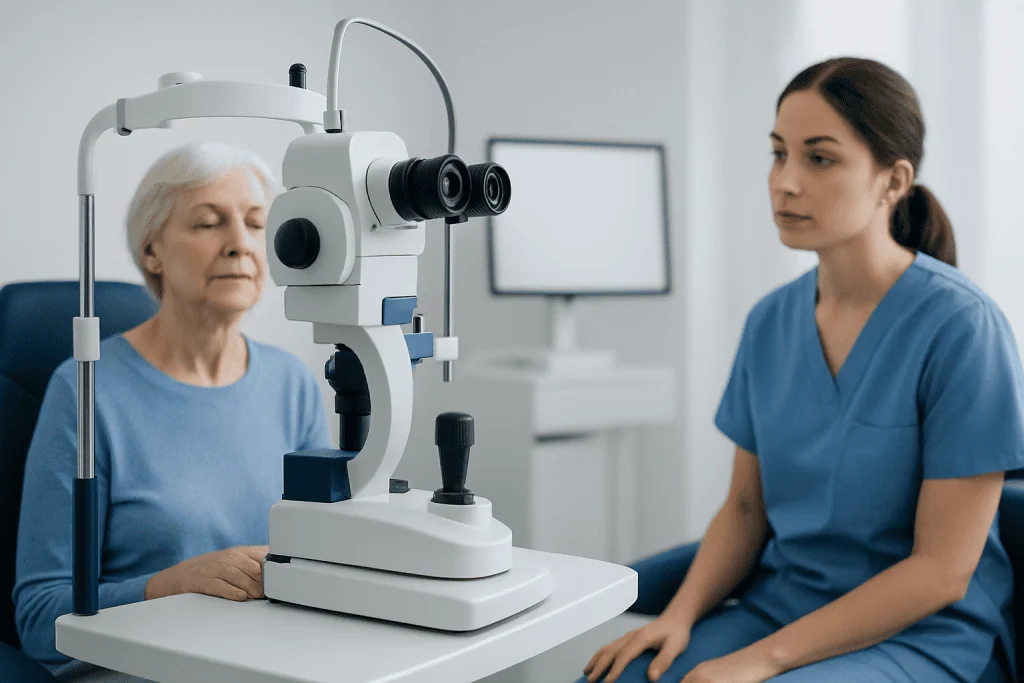
Experiences vary widely. Some people see simple visual effects, such as flashes, lines, grids, dots, or repeating geometric shapes. Others see formed images, including unfamiliar people, animals, flowers, vehicles, or elaborate scenes. The images may be still or moving and can appear in one area of vision or across the visual field.
With Charles Bonnet syndrome, hallucinations are usually visual only. Hearing voices, feeling things that are not present, smelling odors without a source, confusion, or strongly held beliefs that the images are real are not typical features and deserve timely medical assessment.
Many people hesitate to report these symptoms because they worry about stigma or cognitive decline. Discussing the experiences openly with an eye specialist or doctor is important. A careful assessment can identify treatable visual problems and check for other possible explanations.
- Images may be vivid, detailed, and recurrent.
- They often happen during quiet periods, low light, fatigue, or when a person is alone.
- Insight is commonly preserved: the person knows the image is not actually present.
- Hallucinations can be neutral, pleasant, distracting, or distressing.
What Are the 7 Types of Hallucinations?

Hallucinations are usually classified by the sense involved. The seven commonly described types are visual (seeing), auditory (hearing), olfactory (smelling), gustatory (tasting), tactile or haptic (feeling touch or movement), somatic or bodily (sensing an internal bodily change), and proprioceptive or kinesthetic (feeling that the body is moving or positioned differently when it is not).
Visual release hallucinations are a visual type. Their association with vision loss and preserved awareness is particularly important. However, visual hallucinations can also occur with migraine, seizures, delirium, medication effects, sleep-related conditions, neurological disorders, infections, and other medical problems.
The classification alone cannot identify the cause. A clinician considers the timing, type of image, visual health, medication list, mental state, neurological symptoms, and whether other senses are involved. This broader review helps ensure that an appropriate diagnosis is made.
Causes, Vision Loss, and Risk Factors
Visual release hallucinations are thought to arise when reduced signals from the eyes make visual areas of the brain more likely to generate images on their own. This is not fully understood, but it is comparable to the way some people experience phantom sensations after loss of normal sensory input.
Conditions that reduce central or peripheral vision may increase the likelihood of CBS. These include age-related macular degeneration, glaucoma, cataracts, diabetic retinopathy, retinal disease, optic nerve disorders, and vision loss after stroke. The syndrome may also occur after a sudden change in vision, such as an eye injury or surgery-related complication.
Risk may be higher when vision loss is more severe, when both eyes are affected, or when a person spends long periods in dim surroundings or social isolation. Tiredness, stress, illness, and disrupted sleep may make episodes more noticeable for some individuals.
Can macular degeneration cause hallucinations? Yes. Age-related macular degeneration can reduce central vision and is one of the eye conditions associated with visual release hallucinations. Hallucinations are not a direct sign that macular degeneration is worsening, but new symptoms should still be discussed with an ophthalmologist to assess vision and exclude other causes.
Diagnosis: Ruling Out Other Causes
There is no single test for Charles Bonnet syndrome. Diagnosis is based on a detailed clinical history, an eye examination, and consideration of other possible causes of visual hallucinations. A clinician may ask what is seen, how long episodes last, whether the images occur in one or both eyes, and whether the person knows they are unreal.
An ophthalmologist may assess visual acuity, eye pressure, the retina, optic nerve, and the visual field. If a person has unexplained symptoms, sudden onset, confusion, headaches, weakness, seizures, or hallucinations involving other senses, additional assessment by a neurologist or other specialist may be needed.
Medication review is also valuable. Some medicines, alcohol withdrawal, sleep medicines, and interactions between drugs can contribute to hallucinations in certain people. The person should not stop prescribed medication without speaking to the clinician who manages it.
Clinicians also consider whether symptoms could relate to delirium, dementia with Lewy bodies, Parkinson’s disease, migraine aura, epilepsy, infection, metabolic changes, or psychiatric illness. Recognizing vision-related hallucinations can prevent unnecessary fear while still supporting a thorough, safe evaluation.
Management: How It Works, Who May Benefit, and What to Expect
Management focuses first on identifying and treating any reversible cause of reduced vision. This may involve updating glasses, treating cataracts, controlling eye pressure in glaucoma, managing retinal disease, or using low-vision rehabilitation. Comprehensive ophthalmology assessment can help clarify whether eye treatment may improve visual input and daily function.
There is no routine procedure specifically designed to eliminate visual release hallucinations. Instead, treatment is individualized according to the underlying eye condition and the impact of the hallucinations. People are good candidates for support when they have visual hallucinations with known or suspected vision loss, retain awareness that the images are not real, and have had other medical causes appropriately considered.
A typical care pathway begins with a history and eye examination, followed by testing or referral when indicated. The specialist then explains the likely cause, addresses treatable eye disease, reviews medicines, and discusses coping approaches. When cataract is contributing substantially to poor vision, cataract surgery may be considered if it is medically appropriate; the expected recovery and visual outcome depend on the health of the eye, including the retina and optic nerve.
Benefits of care may include better vision, reassurance, improved confidence, and fewer or less intrusive episodes. Risks depend on any underlying treatment rather than on CBS itself. For example, eye procedures carry procedure-specific risks that an ophthalmologist should explain in relation to the person’s eye health and goals.
What Makes Charles Bonnet Syndrome Worse?
Charles Bonnet syndrome may feel more frequent or intense when visual input is especially limited. Dim lighting, long periods of inactivity, tiredness, stress, loneliness, and poor sleep are commonly reported triggers or aggravating factors. Episodes may also be more noticeable when a person is looking at plain walls, sitting quietly, or spending extended time alone.
Worsening eyesight can increase the opportunity for visual release hallucinations, so regular eye care is important. However, having more hallucinations does not necessarily mean that an eye disease has suddenly progressed. It is still sensible to report any meaningful change, especially if there is new loss of vision, eye pain, flashing lights, or a curtain-like shadow.
Alcohol, recreational drugs, illness, dehydration, and some medications may also influence hallucinations or confusion. A clinician can review these factors carefully. Family members and carers can help by responding calmly, avoiding argument about the image, and supporting an evaluation when symptoms are new or different.
What Are Some Good Exercises for Charles Bonnet Syndrome?
There are no proven physical exercises that cure Charles Bonnet syndrome, but simple visual and grounding techniques may shorten or interrupt an episode for some people. One approach is to blink deliberately, shift the gaze from side to side, or look toward a different area of the room. Standing up, turning on brighter lighting, or changing to a visually detailed activity may also help.
Regular movement, social contact, and activities that safely engage remaining vision can support general wellbeing. Examples include a walk with appropriate mobility support, listening to an audiobook, speaking with a friend, gentle stretching, or using magnification and good task lighting for hobbies. These approaches are not a substitute for assessment of new hallucinations.
Low-vision rehabilitation may teach practical methods for reading, moving safely, and adapting the home environment. Keeping a brief diary of episodes, including time of day, lighting, sleep, and stress level, can help identify personal patterns. A clinician can advise whether a referral to a low-vision service, occupational therapist, or mental health professional would be helpful.
When to Seek Medical Care
Anyone with new visual hallucinations should arrange medical or eye-care assessment, particularly if they have not previously been diagnosed with significant vision loss. Prompt evaluation is important because not all visual hallucinations are visual release hallucinations, and some causes need urgent care.
Emergency medical help is appropriate if hallucinations start suddenly with weakness, facial drooping, difficulty speaking, severe headache, loss of consciousness, seizure-like activity, marked confusion, fever, or a sudden major change in vision. Urgent eye assessment is also needed for sudden vision loss, severe eye pain, a new shower of floaters, flashes with a shadow or curtain in vision, or eye injury.
For people with established Charles Bonnet syndrome, follow-up is appropriate if episodes become distressing, interfere with sleep or safety, involve hearing or other senses, or occur alongside changes in memory, mood, awareness, or behavior. Acibadem International’s multidisciplinary specialists and JCI-accredited hospitals can assess visual symptoms and related neurological concerns for international patients.
Frequently asked questions
Are visual release hallucinations the same as Charles Bonnet syndrome?
Visual release hallucinations are often used to describe the visual experiences associated with Charles Bonnet syndrome. CBS is the term commonly used when complex visual hallucinations occur in a person with reduced vision who generally understands that the images are not real. A clinician should still evaluate new symptoms to confirm the likely cause.
Do visual release hallucinations mean dementia?
No. Visual release hallucinations can occur in people with normal thinking and memory who have significant vision loss. However, hallucinations with confusion, memory changes, altered behavior, or loss of insight need medical evaluation because they may have a different cause.
Can Charles Bonnet syndrome go away?
For some people, episodes become less frequent or stop over time, especially when vision improves or the brain adapts. Others experience them intermittently for longer periods. Treating manageable causes of vision loss and learning coping strategies may reduce their impact.
Should a person tell their doctor about visual hallucinations?
Yes. Reporting the experience helps the doctor check for eye disease, medication effects, neurological conditions, and other medical causes. Honest discussion is especially important when hallucinations are new, changing, distressing, or accompanied by other symptoms.
What should someone do during a Charles Bonnet syndrome episode?
It can help to remind oneself that the image is a symptom related to vision and will usually pass. Some people find that blinking, moving the eyes, changing lighting, standing up, or focusing on another activity reduces the image. If episodes are frightening or interfere with daily life, medical support is appropriate.
Can improving eyesight reduce Charles Bonnet syndrome hallucinations?
Improving vision may reduce hallucinations for some people, particularly when a treatable problem such as cataract contributes to poor visual input. It does not help everyone, and the effect depends on the cause and extent of vision loss. An ophthalmologist can discuss realistic options for the individual eye condition.
References
- American Academy of Ophthalmology
- National Eye Institute
- NHS
- Royal College of Ophthalmologists
- Mayo Clinic
This article is for general information only and is not a substitute for professional medical advice. Please consult a qualified doctor about your individual situation.
Explore treatments in Turkey — costs, top hospitals & a free quote
JCI-accredited · board-certified surgeons · reply within 24h
Add us as a Preferred Source to see more of our trusted health content across Google Search, AI Overviews and Discover.