Hyperhidrosis Therapy: How It Works, Results and What to Expect

Hyperhidrosis is excessive sweating that can occur even when the body does not need cooling. Treatment is individualized according to whether sweating affects the underarms, hands, feet, face or several body areas.
Key Takeaways
- Hyperhidrosis is excessive sweating that can occur even when the body does not need cooling.
- Treatment is individualized according to whether sweating affects the underarms, hands, feet, face or several body areas.
- Iontophoresis and botulinum toxin injections can provide meaningful temporary relief, but maintenance treatment is usually needed.
- Surgery may be considered for severe, persistent focal hyperhidrosis when less invasive options have not helped.
- New or generalized sweating should be medically assessed to rule out medicines, hormone changes, infection or other health conditions.
Hyperhidrosis therapy includes several ways to reduce excessive sweating, from prescription-strength topical treatments and iontophoresis to injections, oral medicines and selected surgical procedures. The most suitable option depends on the areas affected, the severity of symptoms, previous treatments and whether sweating has an underlying medical cause.
Hyperhidrosis therapy: how it works
Hyperhidrosis therapy aims to reduce sweating that is greater than the body needs for temperature control. Treatment can improve comfort, protect skin, reduce clothing concerns and help people participate more freely in work, school and social activities. It does not always eliminate sweating completely; a realistic goal is a meaningful, safe reduction in symptoms.
Primary focal hyperhidrosis usually affects particular areas, such as the underarms, palms, soles, face or scalp. It often begins in childhood or adolescence and may run in families. Secondary hyperhidrosis is caused by another factor, such as a medical condition, menopause or a medicine, and may involve larger areas of the body or occur during sleep.
Therapy works in different ways. Topical products block sweat ducts near the skin surface, iontophoresis temporarily decreases activity in sweat glands, and botulinum toxin injections interrupt nerve signals that trigger sweating. Oral medicines can reduce sweat signaling throughout the body, while surgery can interrupt selected nerve pathways in carefully chosen cases.
Benefits, limits and choosing the right treatment
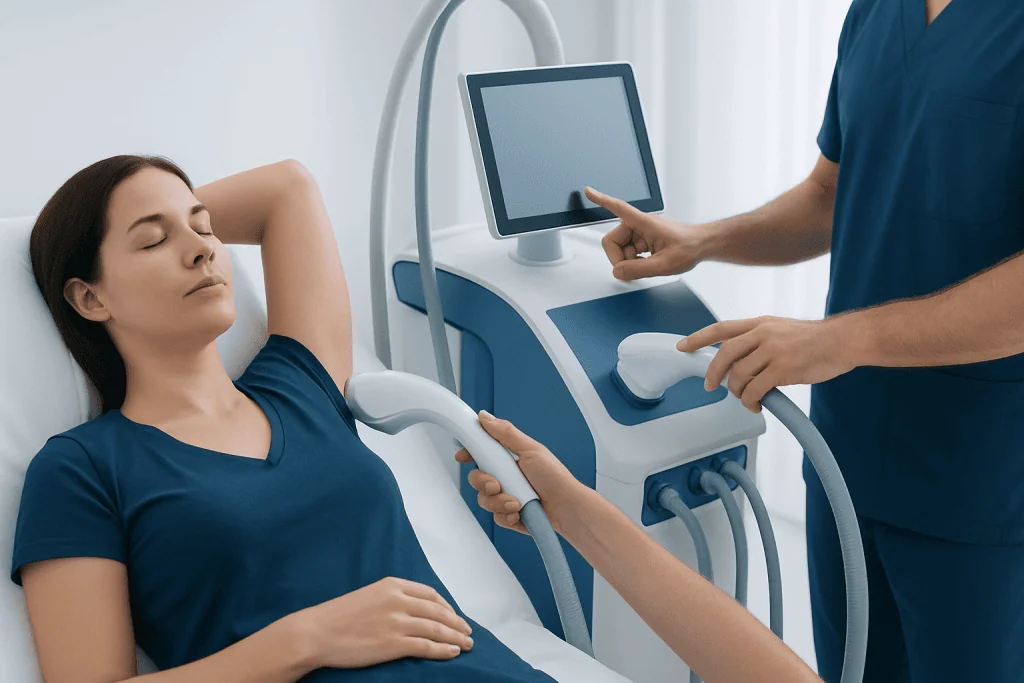
Many people benefit from a stepwise approach, starting with noninvasive options and moving to procedures if symptoms remain disruptive. The best plan is based on the affected body site, symptom severity, skin sensitivity, medical history, work and daily activities, and personal preferences about convenience and side effects.
Underarm sweating may respond to clinical-strength antiperspirants, topical prescription medicines, injections or device-based approaches. Hands and feet often respond particularly well to iontophoresis. Facial sweating and widespread sweating require especially careful assessment because treatments that are helpful in one area may be unsuitable or cause unwanted effects elsewhere.
Results vary. Some therapies take days or weeks to show full benefit, and many need repeat or maintenance treatment. A clinician can explain what level of reduction is realistic and help balance effectiveness with possible side effects, cost considerations and the time needed for follow-up care.
- Potential benefits include drier skin, fewer sweat stains, improved grip and less irritation.
- Common limitations include the need for ongoing treatment and variable response between individuals.
- Care is most effective when a secondary cause of sweating is identified and treated where possible.
Candidacy and medical assessment

A doctor may suspect primary focal hyperhidrosis when excessive sweating occurs in specific areas for at least several months, affects daily life, is usually symmetrical and is not solely related to heat or exercise. Symptoms commonly lessen during sleep in primary focal hyperhidrosis, although this pattern is not diagnostic by itself.
Assessment begins with questions about when sweating started, the body areas involved, triggers, night sweats, family history, medicines and other symptoms. The clinician may examine the skin for irritation or infection and, when indicated, order tests to look for contributors such as thyroid disease, diabetes, infection or other conditions.
People may be candidates for a procedure when sweating remains troublesome despite appropriate topical care or when symptoms significantly affect work, relationships, confidence or skin health. Pregnancy, breastfeeding, certain nerve or muscle disorders, implanted devices, skin breaks and particular medicines can affect the safety or timing of some therapies. Individual assessment is essential.
Iontophoresis: step-by-step procedure and expected results
Iontophoresis is a non-surgical treatment most often used for sweaty hands and feet. The hands or feet are placed in shallow trays of tap water, and a device sends a mild electrical current through the water. The current is generally felt as tingling rather than pain and is thought to temporarily reduce sweat gland activity.
A treatment session is commonly performed in a clinic or with a clinician-approved home device after training. Jewelry is removed, small cuts are protected, and the treated areas are positioned in the water trays. The current is gradually adjusted to a comfortable level. Sessions are repeated on a schedule advised by the treating clinician, especially at the beginning of therapy.
Improvement may appear after several sessions, with maintenance sessions needed to preserve results. Possible effects include temporary dryness, redness, tingling or skin irritation. Iontophoresis may not be suitable for people with certain implanted electrical devices, pregnancy or specific medical circumstances, so professional guidance is important.
Injections, medicines and surgery for excessive sweating
Botulinum toxin injections can be used for focal sweating, particularly in the underarms and sometimes the hands, feet or scalp. A clinician injects small amounts into the skin of the affected area. The treatment reduces the nerve signals that activate sweat glands, and benefit commonly develops over the following days to weeks. Effects are temporary, so repeat treatment is usually required.
Prescription topical treatments may be useful for underarm sweating and, in some cases, other areas. Oral medicines that reduce sweating can help selected people, especially those with more widespread symptoms. Because these medicines may cause dry mouth, constipation, blurred vision, urinary difficulties or overheating, they require a personalized discussion and monitoring.
Endoscopic thoracic sympathectomy is a surgical option for a limited group of people with severe focal sweating, most commonly affecting the hands, who have not gained adequate relief from less invasive treatments. It interrupts parts of the sympathetic nerve pathway. Surgery can be effective but has important potential risks, including compensatory sweating in other body regions, and the decision should be made with an experienced specialist after detailed counseling.
Recovery timeline, risks and self-care
Recovery depends on the therapy used. There is generally no downtime after antiperspirants, topical treatments or iontophoresis, although irritated skin may need a short break from treatment. After injections, most people return to usual activity promptly, following the clinician’s instructions for the treated body area.
After surgery, recovery requires more planning and varies with the procedure and the person’s overall health. The surgical team will provide instructions about wound care, activity, pain control, follow-up and symptoms that need urgent attention. Any treatment plan should include discussion of expected benefits, uncertainty of response and possible side effects.
At home, breathable fabrics, spare clothing, absorbent shoe inserts and gentle skin care may improve comfort. Antiperspirant is often best applied to completely dry skin as directed by a clinician or product instructions. People should avoid using strong topical products on broken, freshly shaved or significantly irritated skin unless a doctor advises otherwise.
How to permanently fix hyperhidrosis?
There is no single permanent cure that is appropriate for everyone with hyperhidrosis. Some people achieve long-lasting control with regular topical treatment, iontophoresis, injections or medicines, but these approaches usually require ongoing use or repeated sessions because their effects wear off over time.
Surgery may provide a more durable reduction in sweating for selected people with severe focal hyperhidrosis, particularly palmar sweating. However, it is irreversible and can cause compensatory sweating elsewhere on the body, which may be troublesome. For this reason, clinicians usually recommend trying less invasive approaches first.
If sweating is secondary to another condition or medicine, treating or adjusting the underlying contributor may substantially improve symptoms. A doctor can help identify whether the pattern suggests primary hyperhidrosis or a cause that needs separate evaluation.
Is hyperhidrosis embarrassing?
Hyperhidrosis can feel embarrassing or isolating, particularly when it causes visible sweat marks, damp handshakes, wet footwear or difficulty handling paper and electronic devices. These feelings are common, but excessive sweating is a medical condition rather than a sign of poor hygiene or a personal failing.
It can affect confidence, work, school, relationships and participation in activities. Discussing symptoms openly with a healthcare professional can be helpful because effective treatments are available and the impact on daily life is an important part of deciding on therapy.
Supportive practical measures may include choosing moisture-wicking clothing, carrying a spare shirt or socks, using sweat-absorbing liners and planning for situations that trigger symptoms. These strategies can complement medical treatment but do not replace assessment when sweating is severe or new.
How often should I shower with hyperhidrosis?
Showering once daily is sufficient for many people with hyperhidrosis, with an additional shower after heavy activity if it improves comfort. There is no medical requirement to shower repeatedly solely because of sweating, and frequent hot showers or harsh soaps can dry and irritate the skin.
Gentle cleansing, thorough drying and regular changes of socks or clothing are often more useful than excessive washing. Particular attention to drying between the toes, under skin folds and in other damp areas can help reduce odor and lower the chance of irritation or fungal infection.
If there is persistent rash, peeling, pain, cracking, odor that does not improve with hygiene or signs of infection, medical advice is recommended. A dermatologist can help distinguish sweat-related irritation from conditions that need specific treatment.
How long does iontophoresis last for hyperhidrosis?
The effects of iontophoresis are temporary, and how long they last differs from person to person. After an initial series of sessions, many people need maintenance treatments to keep sweating controlled. The treating clinician will help establish a schedule based on response and skin tolerance.
Some people notice improvement after several treatments, while others need more time or may not respond sufficiently. If sweating returns between sessions, the maintenance schedule may need adjustment. It is important not to increase current or frequency beyond professional instructions, as this can irritate or damage the skin.
For hand and foot hyperhidrosis, iontophoresis can be a useful longer-term management tool when it is used consistently. A clinician can also discuss other options if maintenance becomes impractical or results are incomplete.
When to seek medical care
Medical evaluation is advisable when sweating interferes with daily life, causes skin problems, begins suddenly, becomes widespread, occurs mainly at night or is accompanied by unexplained weight change, fever, chest discomfort, shortness of breath, palpitations or other concerning symptoms. These features do not necessarily indicate a serious cause, but they should be assessed promptly.
People should also seek advice before starting prescription treatment, using a home iontophoresis device or considering surgery. A dermatologist, primary care physician or other appropriate specialist can assess the sweating pattern and discuss safe options.
Acibadem International’s multidisciplinary specialists and JCI-accredited hospitals assess excessive sweating and provide individualized treatment planning for international patients. A consultation can help clarify the cause of symptoms and whether non-surgical or procedural therapy is most appropriate.
Frequently asked questions
What is the first-line hyperhidrosis therapy?
Treatment often begins with a clinical-strength antiperspirant or a prescription topical treatment, depending on the affected area and symptom severity. For hands and feet, iontophoresis is commonly considered early because it can be effective and does not involve injections or surgery. A clinician can tailor the first option to the person’s health history and skin sensitivity.
Can anxiety cause hyperhidrosis?
Stress and anxiety can trigger or worsen sweating, including in people with primary hyperhidrosis. However, hyperhidrosis is not simply anxiety, and excessive sweating can occur even when a person feels calm. Treatment may include sweat-focused therapy alongside support for anxiety if both are present.
Are botulinum toxin injections painful for hyperhidrosis?
Injections can cause brief discomfort, especially in sensitive areas such as the palms or soles. Clinicians may use topical numbing methods, cooling or other comfort measures depending on the treatment area. The expected sensation and pain-management options should be discussed before the procedure.
Can hyperhidrosis go away on its own?
Primary focal hyperhidrosis may persist for years, although severity can change over time. Secondary sweating may improve if its underlying cause is treated or a contributing medicine is changed under medical supervision. It is best not to stop prescribed medication without consulting the clinician who prescribed it.
What are the risks of hyperhidrosis surgery?
The main concern after sympathectomy is compensatory sweating, meaning increased sweating in other areas such as the chest, back, abdomen or legs. Other surgical risks can include pain, bleeding, infection and complications related to anesthesia. A specialist should explain the possible benefits and long-term trade-offs before surgery is considered.
Can children receive treatment for hyperhidrosis?
Children and adolescents can be assessed for excessive sweating, particularly when it affects school, sports, friendships or skin health. Treatment choices depend on age, affected areas, severity and overall health. A pediatrician or dermatologist can recommend an age-appropriate plan.
References
- International Hyperhidrosis Society
- American Academy of Dermatology Association
- Mayo Clinic
- National Health Service
- Merck Manual Consumer Version
This article is for general information only and is not a substitute for professional medical advice. Please consult a qualified doctor about your individual situation.
Explore treatments in Turkey — costs, top hospitals & a free quote
JCI-accredited · board-certified surgeons · reply within 24h
Add us as a Preferred Source to see more of our trusted health content across Google Search, AI Overviews and Discover.