

Prep Treatment: How It Works, Results and What to Expect

PrEP is a preventive HIV medicine for people who test negative for HIV before starting treatment. Daily oral PrEP and long-acting injectable PrEP are available in some settings; the best option depends on individual circumstances.
Key Takeaways
- PrEP is a preventive HIV medicine for people who test negative for HIV before starting treatment.
- Daily oral PrEP and long-acting injectable PrEP are available in some settings; the best option depends on individual circumstances.
- PrEP does not prevent other sexually transmitted infections or pregnancy, so condoms and routine screening may still be important.
- Follow-up includes regular HIV testing, discussion of adherence, and monitoring appropriate to the selected PrEP medicine.
- PrEP can be started or stopped with clinical guidance, especially when HIV exposure risk changes.
PrEP treatment, or pre-exposure prophylaxis, is medication used by people who do not have HIV to reduce their risk of acquiring it. It is most effective when taken correctly, combined with regular testing and tailored to the person’s sexual health needs.
PrEP Treatment: An Overview
PrEP treatment is what doctors call pre-exposure prophylaxis: medicine taken by a person without HIV before a possible exposure, to prevent HIV infection. When used as prescribed, PrEP treatment effectiveness is very high for sexual HIV exposure and it is an important, evidence-based prevention option alongside condoms, testing, and prompt care after possible exposure.
PrEP is intended for people whose chances of encountering HIV may be higher, but it is not limited to one identity, relationship type, or lifestyle. A clinician can help a person consider PrEP confidentially and without judgment based on their current and anticipated exposure risk.
PrEP does not treat HIV and is not a replacement for HIV treatment. Anyone diagnosed with HIV needs prompt assessment and a complete treatment plan; effective HIV treatment can suppress the virus and protect health.
How PrEP Works and Who May Benefit
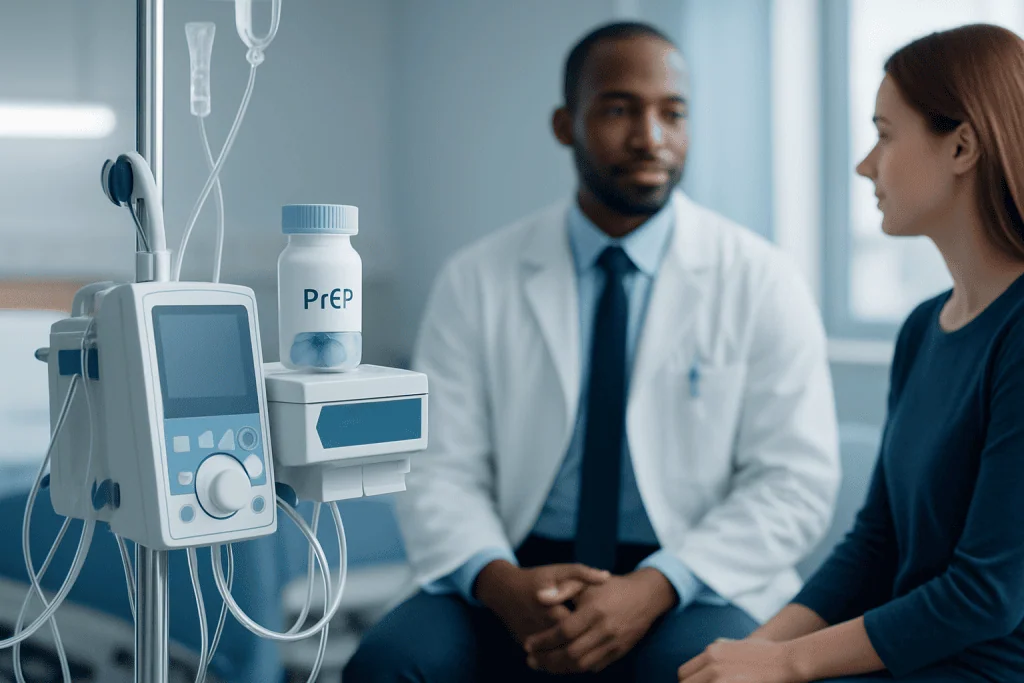
PrEP medicines work by preventing HIV from establishing an infection in the body if exposure occurs. They must be present in the body at protective levels before exposure and continued as directed. PrEP is only prescribed after an HIV test confirms that the person does not have HIV.
A person may wish to discuss PrEP if they have a sexual partner living with HIV whose viral suppression is unknown, have sex without consistent condom use in a setting where HIV may be present, have recently had an STI, share injection equipment, or expect a change in their circumstances that could raise HIV exposure risk. A clinician considers medical history, kidney health when relevant, current medications, pregnancy plans, and personal preferences.
PrEP can be used during pregnancy or breastfeeding in selected circumstances, but this should be discussed with an experienced clinician. The decision weighs the person’s HIV exposure risk against the medicine’s known safety information and the importance of preventing HIV during pregnancy.
- Daily oral PrEP: tablets taken every day.
- Long-acting injectable PrEP: injections administered by a healthcare professional on a scheduled basis where available.
- Event-driven PrEP: a specific tablet schedule that is appropriate only for certain adults and should be used only under clinical guidance.
What Happens Before and During PrEP Treatment?

Starting PrEP begins with an appointment that includes a discussion of health history, sexual or injection-related exposure risk, and prevention goals. The clinician performs HIV testing and may also test for other STIs, hepatitis B and C, pregnancy where relevant, and kidney function for some oral PrEP options. These checks help ensure the medicine is suitable and safe.
Once HIV-negative status is confirmed, the clinician selects a PrEP approach and explains when protection is expected, how to take or attend appointments for it, and what to do after a missed dose or possible exposure. A person should not start or restart PrEP independently using leftover medication, because an undiagnosed HIV infection needs different treatment.
Follow-up is a central part of preparation treatment. For most PrEP approaches, HIV testing is repeated regularly, often every three months for oral PrEP; the exact prep how often to test schedule depends on the medicine, local guidance, and individual needs. Follow-up visits also offer STI screening, vaccination discussions, medication review, and support with adherence.
There is no fixed prep treatment duration. Some people use PrEP for a short period during a time of increased risk, while others use it for years. A clinician can help a person safely pause, restart, or change PrEP when circumstances change.
How Long Does It Take for PrEP to Fully Work?
The time needed for PrEP to reach maximum protective drug levels depends on the type of PrEP and the body tissue involved. For daily oral PrEP, protection for receptive anal sex is generally reached after about seven days of daily dosing. For receptive vaginal sex and injection-related exposure, it may take about 21 days of daily dosing.
Because timings can vary by medication and type of exposure, people should follow the instructions given by their prescribing clinician rather than relying on a general schedule. Long-acting injectable PrEP follows a different dosing plan, and the healthcare team will explain when protection begins and when the next injection is due.
PrEP should be taken consistently. Missing doses may reduce protection, particularly with daily oral treatment. If a person thinks they may have been exposed to HIV before PrEP is fully active, after stopping it, or while taking it inconsistently, they should contact a clinician or urgent sexual health service promptly to ask whether post-exposure prophylaxis may be needed.
What Are the Downsides of PrEP?
PrEP is generally well tolerated, but it can have downsides and requires ongoing healthcare follow-up. Some people experience temporary nausea, headache, tiredness, diarrhea, or stomach discomfort after starting oral medication. These effects often improve with time, but persistent or troublesome symptoms should be discussed with the prescribing clinician.
Some oral PrEP medicines can affect kidney function or bone mineral density in certain people, which is why baseline assessment and appropriate monitoring are important. Injectable PrEP can cause pain, swelling, or discomfort at the injection site. A clinician will explain the expected side effects, rare but important concerns, and monitoring associated with the selected medicine.
PrEP does not protect against gonorrhea, chlamydia, syphilis, hepatitis C, or other STIs, and it does not prevent pregnancy. Condoms can add protection against many STIs and pregnancy prevention may require a separate method. Regular screening also makes it possible to identify and treat infections early.
Another practical consideration is adherence: tablets must be taken as directed, while injections require reliable attendance for scheduled visits. A person should choose an approach that feels realistic for their routine rather than stopping or changing treatment without advice.
What to Avoid When Taking PrEP
People taking PrEP should avoid sharing their medication, using medication prescribed for someone else, or starting it without an HIV test and medical assessment. Taking PrEP when a person already has unrecognized HIV can allow the virus to develop resistance to some medicines, making future HIV treatment more complicated.
It is important not to skip scheduled HIV tests or injection appointments. A person should tell their clinician about all prescription medicines, over-the-counter products, supplements, and recreational substances, as some combinations may need review, particularly if there are kidney concerns.
PrEP is not a reason to delay care after a potential HIV exposure. If a person has missed doses, stopped PrEP, or is unsure whether protection was adequate, they should seek advice as soon as possible. They should also seek testing after symptoms that could suggest a new infection, such as fever, rash, sore throat, swollen glands, or unusual fatigue, even though these symptoms can have many causes.
What Is the 2:1:1 Rule for PrEP?
The 2:1:1 rule for PrEP is an event-driven oral dosing method sometimes called on-demand PrEP. It involves taking two tablets before sex, followed by one tablet 24 hours later and another tablet 48 hours after the first dose. It is not the same as taking daily PrEP.
This approach has evidence for preventing HIV through anal sex in certain adult men who have sex with men, using a specific oral PrEP medication. It is not recommended for vaginal or front-hole sex, for injection-related exposure, or for everyone who may need PrEP. It may also be unsuitable for people with hepatitis B because intermittent use can cause hepatitis B flares after stopping medication.
Anyone considering 2:1:1 PrEP should first speak with a clinician who is familiar with HIV prevention. The clinician can confirm whether it is appropriate, explain precise timing, arrange testing, and discuss whether daily oral or injectable PrEP would provide more reliable protection for the person’s needs.
When to Seek Medical Care
A person should seek prompt medical advice if they think they have been exposed to HIV and are not fully protected by PrEP. Post-exposure prophylaxis must be started as soon as possible and no later than 72 hours after a potential exposure, so urgent assessment is important.
Medical care is also needed before starting PrEP, when restarting after a break, after a missed long-acting injection, or if symptoms occur that could be consistent with acute HIV infection. New STI symptoms, such as genital sores, discharge, pelvic pain, testicular pain, or pain when urinating, also warrant assessment.
For people seeking coordinated HIV prevention and sexual health support, Acibadem International’s multidisciplinary specialists and JCI-accredited hospitals can assess PrEP suitability and arrange appropriate testing for international patients. Care should always be individualized with a qualified healthcare professional.
Frequently asked questions
Is PrEP treatment effective?
PrEP is highly effective at preventing HIV when it is taken or administered as prescribed. Its effectiveness can decrease if doses are missed, injections are delayed, or treatment is started without enough time to reach protective levels. Regular follow-up helps maintain protection.
Who should consider PrEP treatment?
PrEP may be appropriate for people without HIV who have an ongoing or anticipated chance of HIV exposure through sex or shared injection equipment. A sexual health clinician can review an individual’s circumstances, testing results, medical history, and preferences to decide whether it is suitable.
How often do people on PrEP need testing?
HIV testing is required before PrEP begins and is repeated regularly during treatment. Many people using oral PrEP have HIV testing approximately every three months, while injectable PrEP has its own scheduled testing plan. STI and other monitoring tests are also recommended at intervals set by the clinician.
Can PrEP be stopped?
Yes, PrEP can be stopped when a person’s HIV exposure risk changes, but it should be discussed with a clinician first. The clinician can advise how long to continue after the last possible exposure, whether hepatitis B needs consideration, and how to safely restart if needed later.
Does PrEP protect against all sexually transmitted infections?
No. PrEP prevents HIV but does not prevent other STIs, such as gonorrhea, chlamydia, or syphilis. Condoms, regular STI screening, vaccinations where appropriate, and timely treatment remain important parts of sexual health care.
Can PrEP be used with condoms?
Yes. PrEP and condoms can be used together and provide complementary protection. PrEP lowers HIV risk, while condoms can also reduce the risk of many other STIs and can help prevent pregnancy.
References
- Centers for Disease Control and Prevention
- World Health Organization
- U.S. Department of Health and Human Services
- European AIDS Clinical Society
This article is for general information only and is not a substitute for professional medical advice. Please consult a qualified doctor about your individual situation.
Explore treatments in Turkey — costs, top hospitals & a free quote
JCI-accredited · board-certified surgeons · reply within 24h
Add us as a Preferred Source to see more of our trusted health content across Google Search, AI Overviews and Discover.

More from the Health Library



Related Specialists

Dr. Fatmanur Yildirim
Physical Medicine & Rehabilitation
Prof. Dr. Mehmet Veli Karaaltın
Aesthetic Plastic & Reconstructive Surgery
Dr. Ulambadrakh Khenchbish
Orthopedic Surgery & Traumatology
Prof. Dr. Arzu Tatlipinar
Otorhinolaryngology