Discomfort on Bottom of Foot: An Evidence-Based Guide for Patients

Discomfort on bottom of foot can come from the heel, arch, ball of the foot, or toes, and location helps narrow the cause. Common reasons include overuse, unsupportive shoes, plantar fasciitis, tendon strain, nerve compression, and metatarsalgia.
Key Takeaways
- Discomfort on bottom of foot can come from the heel, arch, ball of the foot, or toes, and location helps narrow the cause.
- Common reasons include overuse, unsupportive shoes, plantar fasciitis, tendon strain, nerve compression, and metatarsalgia.
- Rest, supportive footwear, stretching, and activity modification often help mild symptoms improve.
- Persistent pain, numbness, fever, spreading redness, or inability to bear weight should be assessed by a doctor.
- People with diabetes, circulation problems, or recent injury should seek earlier medical evaluation.
Discomfort on bottom of foot is a common symptom with many possible causes, from overuse and footwear problems to plantar fasciitis, nerve irritation, and less commonly fractures or systemic conditions. Care depends on where the discomfort is felt, how long it lasts, what makes it worse, and whether swelling, numbness, redness, or trouble walking are also present.
What discomfort on bottom of foot can mean
Discomfort on bottom of foot is not a diagnosis by itself. It is a symptom that may feel like aching, burning, stabbing, tenderness, bruising, tightness, or a sensation of walking on a pebble. In many people, the cause is mechanical, meaning it relates to how the foot bears weight during standing, walking, exercise, or work.
The underside of the foot includes the heel pad, plantar fascia, small joints, tendons, nerves, and the fat cushion under the forefoot. Because these structures absorb repeated pressure, irritation can develop gradually over time. A person may notice symptoms first after long days on their feet, a change in activity, or wearing shoes that lack cushioning or arch support.
The exact location matters. Heel pain often suggests plantar fascia irritation, while pain in the ball of the foot may point to metatarsalgia or nerve irritation. Arch discomfort can relate to strain, flat feet, or overuse. A careful description of the symptom pattern often helps guide the next step in care.
Common symptoms and patterns to notice
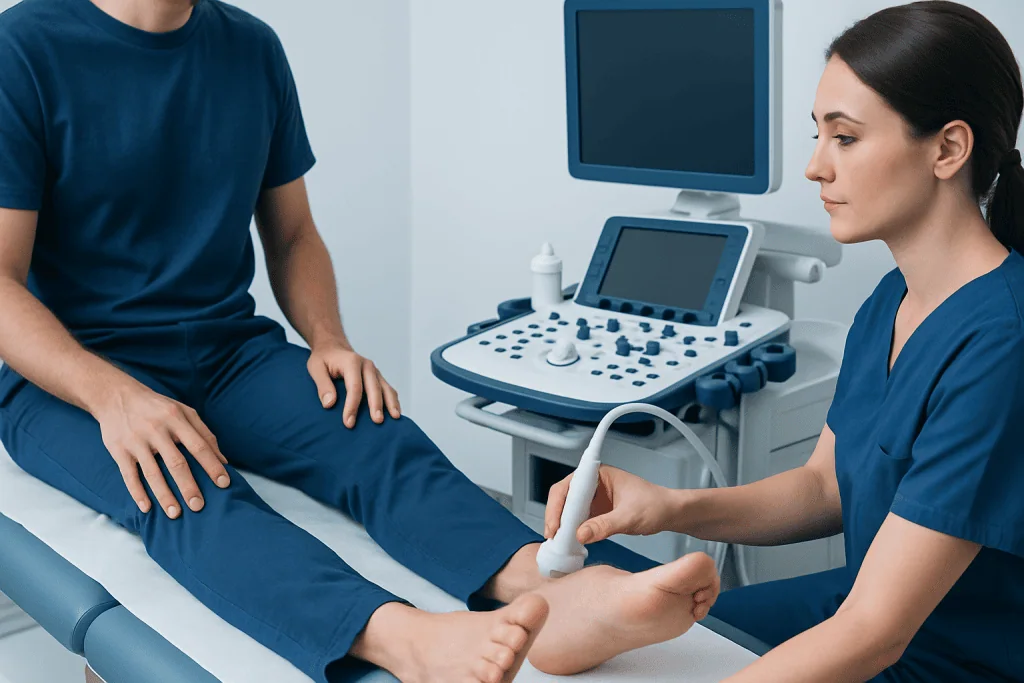
People describe discomfort on bottom of foot in different ways. Some feel sharp pain with the first steps in the morning, while others notice soreness only after exercise or after standing for many hours. Burning or tingling may suggest a nerve-related problem, and bruised or pebble-like pain under the forefoot may indicate pressure on the metatarsal area.
It can be helpful to notice when symptoms begin, whether one foot or both feet are affected, and what makes the discomfort better or worse. Pain that improves with rest often points to overuse, while pain that becomes more intense over weeks may indicate ongoing inflammation or stress injury. Swelling, warmth, skin changes, and limping are also important clues.
Symptoms may include:
- Heel pain, especially with first steps after rest
- Arch tightness or tenderness
- Pain in the ball of the foot when walking or pushing off
- Burning, tingling, or numbness
- A feeling of stepping on a stone or folded sock
- Discomfort that worsens after exercise, standing, or unsupportive footwear
Because several conditions can overlap, ongoing symptoms should not be self-diagnosed based only on location. A clinician may also consider ankle, spine, circulation, or nerve conditions if the symptom pattern is not straightforward.
Likely causes and risk factors
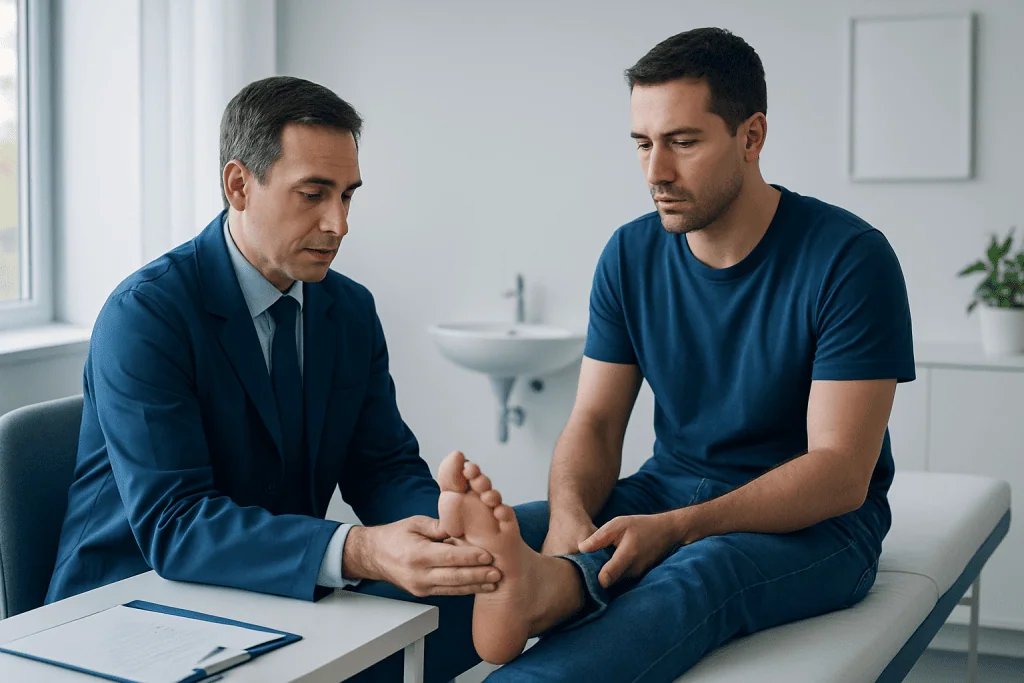
One of the most common causes of discomfort on bottom of foot is plantar fasciitis, an irritation of the thick band of tissue running from the heel toward the toes. This often causes pain near the heel or arch, especially with the first steps in the morning or after sitting. People who run, stand for long periods, have tight calf muscles, or wear unsupportive shoes may be more prone to it. For readers seeking more detail on this condition, plantar fasciitis is a common source of bottom-of-foot discomfort.
Another frequent cause is metatarsalgia, which refers to pain under the ball of the foot. It can occur when the forefoot takes too much pressure during walking, sport, or from footwear that changes weight distribution. Nerve irritation between the toes, calluses, tendon strain, bursitis, and fat pad thinning can create similar symptoms in this area.
Less common but important causes include stress fractures, inflammatory arthritis, nerve compression, tarsal tunnel syndrome, infection, or skin and soft tissue problems. People with diabetes may also develop symptoms related to nerve damage or altered pressure points, so foot discomfort deserves early attention in that group. Risk tends to rise with sudden increases in activity, obesity, prolonged standing, foot shape differences, hard walking surfaces, poorly fitting shoes, and reduced flexibility in the calves or Achilles tendon.
How doctors evaluate bottom-of-foot discomfort
Diagnosis starts with the story of the symptoms. A doctor usually asks where the discomfort is located, whether it started suddenly or gradually, what activities trigger it, and whether there are warning signs such as swelling, fever, redness, numbness, or recent trauma. Medical history also matters, especially diabetes, inflammatory disease, circulation problems, or prior foot injuries.
The physical examination often includes checking the foot while sitting, standing, and walking. The doctor may gently press on the heel, arch, forefoot, and toes to identify tender structures. They may also assess ankle movement, calf tightness, foot alignment, circulation, skin changes, and sensation. This step is important because the same symptom can come from different tissues.
Imaging is not always needed right away, especially when symptoms and examination suggest a common overuse problem. However, X-rays may be used if a fracture, arthritis, or structural problem is suspected. Ultrasound or MRI can help in selected cases, such as persistent pain, tendon injury, or uncertainty about the diagnosis. If nerve symptoms are prominent, further testing may sometimes be considered.
Treatment options and symptom relief
Treatment depends on the cause, severity, and duration of symptoms. For many mechanical causes, the first steps are rest from aggravating activity, ice after activity, supportive shoes, and avoiding barefoot walking on hard surfaces. Stretching the calves and the bottom of the foot may help when tight tissues are contributing. Some people also benefit from temporary arch support, cushioning, or professionally fitted orthotics.
Physical therapy may be recommended to improve flexibility, strength, balance, and walking mechanics. It can be especially useful when discomfort returns repeatedly or when there are contributing issues such as tight calves, weak foot muscles, or abnormal loading through the forefoot. In some cases, doctors may discuss other options such as taping, splints, injections, or treatment directed at the underlying diagnosis.
If symptoms are related to joint or structural problems, specialist assessment may be helpful. Depending on the findings, evaluation by orthopedics or a physical therapy and rehabilitation team may be part of care. Surgery is not needed for most people with bottom-of-foot discomfort, but it can be considered when a clearly defined condition does not respond to appropriate conservative treatment.
People with diabetes or suspected nerve-related symptoms may also need assessment of sensation, pressure points, and circulation. In that setting, management focuses not only on pain relief but also on protecting the skin and preventing ulcers or recurrent injury.
Self-care, footwear, and prevention
Many mild cases improve with practical changes. Shoes should fit well, provide enough toe room, and offer cushioning and support appropriate for the person’s foot shape and activity. Worn-out athletic shoes often lose shock absorption before they look damaged, so replacing them on time can be helpful. Walking barefoot on hard floors may worsen symptoms in some people.
It is often sensible to reduce or temporarily modify activities that trigger pain, especially high-impact exercise. Low-impact options such as cycling or swimming may allow activity to continue while symptoms settle. Gentle stretching of the calf muscles and plantar fascia, along with gradual return to walking or sport, can reduce the chance of recurrence.
Helpful prevention habits include:
- Increasing exercise intensity gradually
- Using activity-appropriate footwear
- Maintaining a healthy body weight when possible
- Taking breaks from prolonged standing
- Managing calluses and skin issues safely
- Checking the feet regularly if diabetes or reduced sensation is present
If the discomfort is related to a broader joint or tendon issue, early treatment may prevent symptoms from becoming persistent. For example, some people with recurring heel or arch symptoms may need evaluation for orthopedic rehabilitation to address movement patterns and reduce strain.
When to seek medical care
Medical evaluation is appropriate if discomfort on bottom of foot lasts more than a short period, keeps coming back, interferes with walking, or does not improve with rest and footwear changes. A clinician can help identify whether the problem is a common overuse injury or something that needs more specific treatment.
Earlier care is especially important if the person cannot bear weight, had a recent injury, or has significant swelling, bruising, or visible deformity. Prompt assessment is also recommended for fever, spreading redness, drainage, a wound that is not healing, or severe tenderness suggesting infection or fracture.
People with diabetes, poor circulation, or loss of sensation should seek help sooner, even for symptoms that seem mild. If evaluation suggests a complex cause, multidisciplinary care may be useful. Acibadem International’s multidisciplinary specialists in JCI-accredited hospitals diagnose and treat foot conditions for international patients, including cases that may involve imaging, rehabilitation, or specialist orthopedic assessment.
Frequently asked questions
Why does the bottom of my foot hurt when I first get up?
Pain with the first steps after getting out of bed is commonly linked to plantar fascia irritation near the heel or arch. The tissue tightens during rest and can hurt when weight is placed on it again. If this pattern continues for more than a few weeks, a doctor can confirm the cause and advise treatment.
Can shoes cause discomfort on bottom of foot?
Yes. Shoes that are too tight, too loose, worn out, or lacking support can increase pressure on the heel, arch, or ball of the foot. Footwear can also worsen symptoms if it does not match a person's activity level or foot shape.
Is discomfort on bottom of foot always plantar fasciitis?
No. Plantar fasciitis is common, but other causes include metatarsalgia, nerve irritation, tendon strain, stress fracture, arthritis, and skin or soft tissue problems. The exact location and timing of symptoms help distinguish among these possibilities.
How long does bottom-of-foot discomfort usually last?
Mild overuse-related discomfort may improve within days to a few weeks if the foot is protected and aggravating activities are reduced. Symptoms that persist, worsen, or keep returning may need medical assessment because the underlying cause may require targeted treatment.
Should I walk on it or rest it?
That depends on the cause and severity. Gentle movement is often reasonable for mild symptoms, but activities that clearly worsen pain should usually be reduced for a time. If walking is difficult or limping develops, medical advice is recommended.
When is bottom-of-foot discomfort an urgent concern?
Urgent evaluation is important if there is sudden inability to bear weight, major swelling, deformity, fever, spreading redness, drainage, or a wound on the foot. People with diabetes, numbness, or poor circulation should also seek prompt care because complications can develop more easily.
References
- American Academy of Orthopaedic Surgeons
- American Podiatric Medical Association
- National Institute of Arthritis and Musculoskeletal and Skin Diseases
- Mayo Clinic
- National Health Service
This article is for general information only and is not a substitute for professional medical advice. Please consult a qualified doctor about your individual situation.
Joint and spine care in Turkey — expert assessment & treatment
JCI-accredited · board-certified surgeons · reply within 24h
Add us as a Preferred Source to see more of our trusted health content across Google Search, AI Overviews and Discover.