Gigantism Treatment: How It Works, Results and What to Expect

Gigantism is caused by excess growth hormone before growth plates close, usually from a noncancerous pituitary tumor. Transsphenoidal pituitary surgery is often the preferred first treatment when the tumor can be safely removed.
Key Takeaways
- Gigantism is caused by excess growth hormone before growth plates close, usually from a noncancerous pituitary tumor.
- Transsphenoidal pituitary surgery is often the preferred first treatment when the tumor can be safely removed.
- Medicines may reduce growth hormone levels before or after surgery, or when surgery is not suitable.
- Successful treatment is measured by hormone levels, tumor control, growth patterns, and improvement of related symptoms.
- Children and adolescents need coordinated care from endocrinology, neurosurgery, ophthalmology, and other specialists.
- Long-term monitoring remains important because hormone levels and pituitary function can change over time.
Gigantism treatment aims to control excess growth hormone production, most often caused by a pituitary adenoma, before continued growth and related health problems develop. Care is individualized and commonly combines pituitary surgery, hormone-lowering medication, and, in selected cases, radiotherapy with long-term endocrinology follow-up.
Overview: How Gigantism Treatment Works
Gigantism treatment works by reducing the body’s production and effects of growth hormone. The condition develops when growth hormone is produced in excess during childhood or adolescence, before the growth plates of the bones have closed. In most cases, the source is a pituitary adenoma, which is a noncancerous tumor in the pituitary gland at the base of the brain.
The main goal is not simply to slow further height gain. Treatment also seeks to protect vision, heart health, metabolism, joints, sleep, and normal pituitary hormone function. A care team uses hormone testing and imaging to guide decisions, then follows the child or adolescent over time because growth, puberty, and pituitary function continue to change.
Many people require more than one form of treatment. Surgery may remove or reduce the tumor, medication can suppress growth hormone activity, and radiotherapy may be considered for persistent disease. The right plan depends on tumor size and location, hormone levels, symptoms, age, and whether the tumor can be removed safely.
Who May Be a Candidate for Treatment
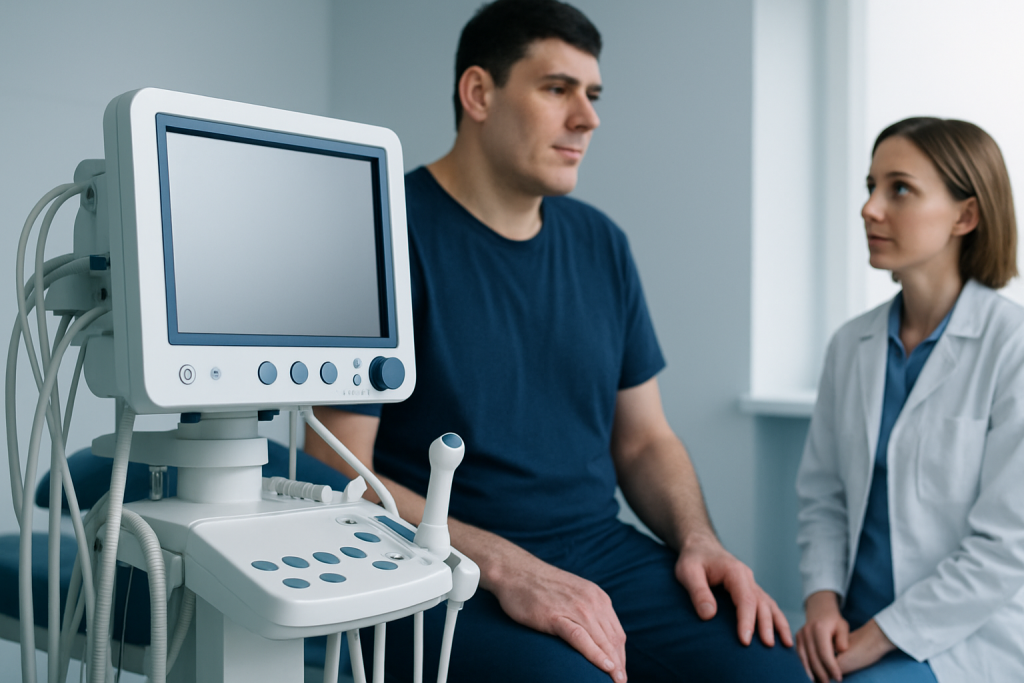
Anyone with confirmed or strongly suspected gigantism should be assessed promptly by a pediatric endocrinologist or an endocrinologist experienced in pituitary disorders. Early treatment can limit further effects of excess growth hormone, although it cannot reverse all changes that have already occurred.
Doctors consider surgery when imaging shows a pituitary tumor that is likely to be reachable and removable with an acceptable level of risk. Surgery is particularly important when a tumor is affecting nearby structures, such as the optic nerves, or causing headaches and visual changes. The approach may also be appropriate when hormone levels are substantially elevated.
Medication may be used before surgery to improve hormone control, after surgery if levels remain high, or as primary therapy when an operation is not advisable. Radiotherapy is generally reserved for situations in which surgery and medicine do not adequately control the tumor or hormone excess, because its benefits develop gradually and it can affect pituitary function later.
Evaluation also includes screening for related concerns. These may include glucose intolerance or diabetes, high blood pressure, sleep apnea, heart enlargement, joint symptoms, headaches, and changes in vision. In some young patients, genetic evaluation may be recommended, especially when there is a family history or an unusually early presentation.
Treatment Planning and the Step-by-Step Process

The process begins with confirmation of excess growth hormone. Blood tests commonly measure insulin-like growth factor 1 (IGF-1), a stable marker of growth hormone activity, and may include growth hormone testing after a glucose drink. Magnetic resonance imaging (MRI) of the pituitary gland helps define the tumor’s size, position, and relationship to important surrounding structures.
Before treatment, the team may arrange visual field testing, heart assessment, sleep evaluation, and tests of other pituitary hormones. These steps help establish a baseline and identify medical issues that should be managed alongside the pituitary condition. Treatment planning is typically shared among endocrinology, neurosurgery, anesthesiology, radiology, and ophthalmology specialists.
When surgery is recommended, the usual procedure is transsphenoidal surgery. Under general anesthesia, a neurosurgeon reaches the pituitary through the nostril and nasal passages, often using an endoscope and specialized imaging guidance. The goal is to remove as much tumor as possible while preserving the normal pituitary gland and protecting nearby structures. This type of pituitary tumor surgery avoids an incision through the skull in most cases.
After surgery, pathology confirms the tumor type, and blood tests are repeated to assess early hormone response. If surgery does not fully normalize hormone levels, the team reviews medication options and, less commonly, radiotherapy. Decisions are made carefully because some treatments work quickly while others take months or years to reach their full effect.
Medicines and Radiotherapy for Ongoing Hormone Control
Medication can be an important part of gigantism treatment. Somatostatin receptor ligands reduce growth hormone release from many pituitary tumors. Dopamine agonists may help in selected cases, particularly when the tumor also produces prolactin, although they are often less effective when used alone for marked growth hormone excess.
Growth hormone receptor antagonists work differently: rather than directly shrinking the tumor, they reduce the effects of growth hormone in the body and can lower IGF-1 levels. The choice of medicine depends on laboratory results, tumor characteristics, response to previous treatment, other health conditions, and practical considerations such as the route and frequency of administration.
Radiotherapy may be considered when a tumor remains active despite surgery and medication or when other approaches are not possible. Focused radiation techniques may limit exposure to nearby tissue, but treatment planning is highly individualized. Hormone improvement is usually gradual, so medication may be continued while radiation takes effect.
All medical and radiation treatments require follow-up. Doctors monitor IGF-1 and other pituitary hormones, MRI findings, growth and pubertal development, and possible treatment effects. If radiotherapy affects normal pituitary tissue over time, hormone replacement may be needed for one or more pituitary hormones.
Benefits, Limits and Possible Risks
Effective treatment can stop or slow excessive linear growth, reduce headaches and sweating, improve glucose control, and lower the risk of complications related to prolonged hormone excess. If a tumor is pressing on the optic pathways, treatment may stabilize or improve vision. Reaching normal or near-normal IGF-1 levels is an important sign of biochemical control, but the care team considers the person’s overall health as well.
The degree of benefit varies. Height already gained cannot be reduced by controlling growth hormone, and some bone or facial changes may not fully reverse. However, controlling the underlying hormonal disorder remains valuable at any stage because it can reduce ongoing effects on the heart, metabolism, breathing, and joints.
Transsphenoidal surgery has risks, including bleeding, infection, leakage of cerebrospinal fluid, changes in sodium and water balance, and reduced production of normal pituitary hormones. Rarely, nearby structures such as the optic nerves or blood vessels may be affected. The individual level of risk depends on the tumor and the person’s health, and it should be discussed directly with the surgical team.
Medication may cause side effects that differ by drug class, such as digestive symptoms, gallbladder problems, injection-site reactions, or changes in blood sugar. Radiotherapy can lead to delayed reductions in pituitary hormone production and has other uncommon long-term risks. Regular monitoring allows clinicians to identify and manage concerns early.
Recovery Timeline and Long-Term Follow-Up
Recovery after transsphenoidal surgery varies, but many patients remain in hospital for several days so the team can monitor fluid balance, sodium levels, vision, pain, and pituitary hormone function. Nasal congestion, tiredness, and mild headache can occur during early recovery. The surgical team gives individualized instructions about nasal care, activity, school attendance, and avoiding straining or heavy lifting.
Early postoperative blood tests help assess whether growth hormone excess has improved, but definitive assessment may require repeat testing after healing. Follow-up MRI is commonly used to check for remaining or recurring tumor. If medication is needed, its effect is evaluated over several months with serial IGF-1 testing and symptom review.
Children and adolescents also need ongoing monitoring of height velocity, bone age, puberty, and emotional wellbeing. Rapid changes in appearance, long medical appointments, or differences from peers can be difficult, so counseling and family support may be useful. Treatment should address everyday function and quality of life as well as laboratory results.
At Acibadem International, multidisciplinary specialists in endocrinology, neurosurgery, radiology, and pediatric care can evaluate and treat pituitary disorders for international patients in JCI-accredited hospitals. Continued follow-up with a local endocrinologist is also important, particularly for children who need long-term growth and hormone monitoring.
When to Seek Medical Care
Medical assessment is important when a child or adolescent has unusually rapid growth, increasing shoe or ring size, large hands and feet, coarse facial changes, persistent headaches, excessive sweating, fatigue, joint pain, or changes in vision. These symptoms do not always mean gigantism, but they should be evaluated, especially when they occur together or are progressing.
Urgent medical attention is needed for sudden severe headache, new loss of vision, double vision, fainting, confusion, or vomiting with severe headache. These symptoms can have several causes and require prompt assessment. A clinician can determine whether pituitary imaging or other tests are needed.
Families should also arrange follow-up if a young person has already been diagnosed with a pituitary tumor or is receiving treatment but develops new headaches, visual changes, marked thirst or urination, worsening fatigue, or symptoms that may suggest a hormonal change. Treatment plans often need adjustment over time.
Gigantism is closely related to acromegaly, which occurs when excess growth hormone develops after growth plates have closed. Although the growth pattern differs, both conditions require specialist assessment and careful long-term management.
Frequently asked questions
What is the most effective treatment for gigantism?
For many patients with a removable pituitary adenoma, transsphenoidal surgery is the preferred first treatment. The most effective overall plan depends on whether surgery can safely remove the tumor and whether hormone levels normalize afterward. Medicines and, in selected cases, radiotherapy may be needed as additional treatment.
Can gigantism be cured with surgery?
Surgery can control gigantism when the pituitary tumor is fully removed and growth hormone levels return to the target range. However, some tumors extend into areas where complete removal is not safe or possible. In these situations, medication or radiotherapy may help achieve longer-term control.
How long does recovery take after pituitary surgery?
Initial hospital recovery is often measured in days, while nasal healing and return to usual activities may take several weeks. Hormone testing and imaging continue after recovery because it can take time to determine the full treatment response. Individual timelines depend on the tumor, procedure, and any pituitary hormone changes.
Will treatment stop a child from growing taller?
Controlling excess growth hormone can slow or stop abnormal growth velocity, particularly when treatment begins before the growth plates close. A child may still grow according to their normal developmental pattern, and the endocrinology team monitors this carefully. Height already gained cannot be reversed.
Are medications for gigantism used for life?
Not always. Some people use medication temporarily before surgery or while awaiting the delayed effect of radiotherapy, while others need longer-term treatment when surgery does not fully control hormone production. The need for medication is reassessed through symptoms, IGF-1 results, pituitary MRI, and other hormone tests.
What follow-up is needed after gigantism treatment?
Long-term follow-up typically includes IGF-1 measurements, assessment of other pituitary hormones, periodic MRI scans, and monitoring for related health issues such as blood pressure, blood sugar, sleep apnea, and heart health. Children also need regular assessment of growth, puberty, and bone development. Follow-up helps detect residual or recurrent hormone excess and treatment-related hormone deficiencies.
References
- Endocrine Society
- Pituitary Society
- National Institute of Diabetes and Digestive and Kidney Diseases
- National Organization for Rare Disorders
- Mayo Clinic
This article is for general information only and is not a substitute for professional medical advice. Please consult a qualified doctor about your individual situation.
Gigantism in Turkey — costs, top hospitals & a free quote
JCI-accredited · board-certified surgeons · reply within 24h
Add us as a Preferred Source to see more of our trusted health content across Google Search, AI Overviews and Discover.
Check your numbers in seconds
BMI, calories, due date, blood pressure and 30+ more clinical calculators — free, instant, doctor-reviewed ranges.

Neurology
Diagnosis and treatment of disorders of the brain, spinal cord, nerves and muscles.
51 specialists in this unitMore from the Health Library



Related Specialists

Dr. Baha Celal Doğan
Gynecology & Obstetrics
Assoc. Prof. Dr. Ahmet Ifran
Hematology
Dr. Pınar Atılkan
Pediatrics
Assoc. Prof. Dr. İsmail Selçuk
Cardiovascular Surgery